Picking a Corgi Up Without Hurting It
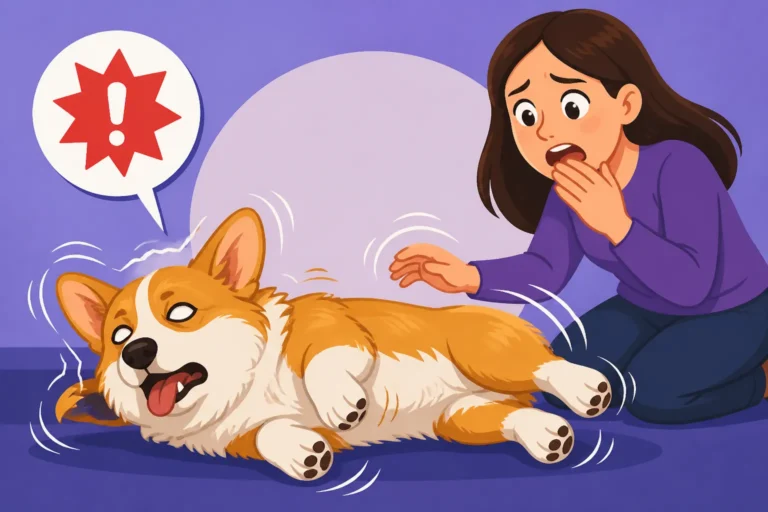
It’s a heart-stopping moment many Corgi owners have experienced: you reach down to pick up your beloved low-rider, and they let out a little yelp, or you see that slight tensing in their body, making you instantly question if you’ve hurt them. Our Corgis might be small, but their unique, long-backed build makes them particularly susceptible to spinal injuries, meaning that how we pick them up isn't just a matter of convenience, but a critical part of their ongoing health and comfort. This comprehensive guide will walk you through the proper, safe techniques for lifting your Corgi, helping you protect their precious spine from unnecessary strain and potential injury.
The Unique Anatomy of a Corgi's Back
Corgis are undeniably adorable, with their sturdy bodies, short legs, and those famously expressive faces. But beneath all that charm lies a significant architectural detail that demands our constant attention: their long backs. This distinct physique, while a hallmark of the breed, also makes them particularly vulnerable to certain health issues, especially when it comes to how they're handled.
Why Their Long Backs Are Vulnerable
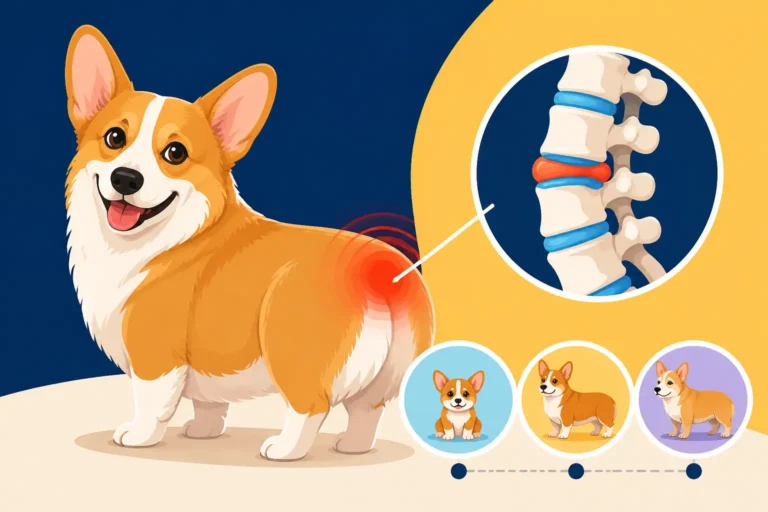
Our Corgis, along with breeds like Dachshunds and Basset Hounds, are what veterinarians call "chondrodystrophic" breeds. This fancy term simply means they have abnormal cartilage and bone development, resulting in those characteristic short, stout legs and a disproportionately long body. While it gives them their endearing waddle, it also means their intervertebral discs – the cushions between their spinal vertebrae – are prone to premature degeneration.
These discs can harden and sometimes rupture, a condition known as Intervertebral Disc Disease (IVDD). When a disc slips or ruptures, it can press on the spinal cord, causing immense pain, nerve damage, and even paralysis. Because of this inherent predisposition, any sudden twisting, jolting, or unsupported lifting can put undue stress on these already vulnerable discs, potentially triggering an incident. It's not just about a single dramatic event; repeated incorrect lifting can contribute to the wear and tear over years. Understanding Why a Corgi's Back Is Built the Way It Is is crucial for preventing these painful episodes.
Common Lifting Mistakes and Their Consequences
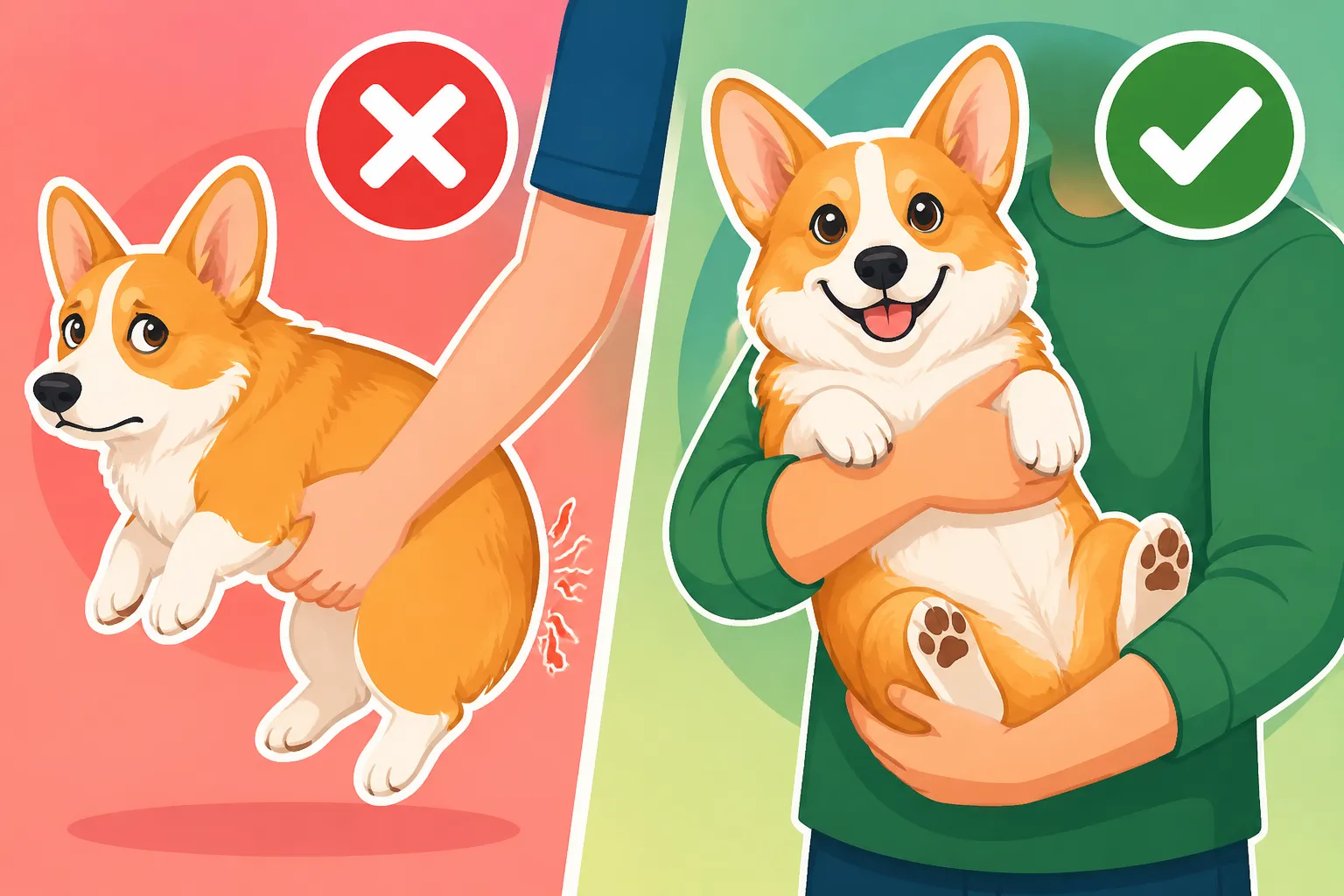
Many of us, without realizing it, might be inadvertently putting our Corgis at risk with how we pick them up. It's not malicious, just often uniformed. One of the most common mistakes is scooping a Corgi up from under their front legs, allowing their hindquarters to dangle unsupported. This creates a significant "hammock effect" on their spine, placing immense strain on the lower back discs. Imagine lifting a heavy, flexible board by only one end – the middle sags, and that's exactly what happens to your Corgi's spine.
Another frequent error is grabbing them just around their belly. While seemingly supportive, this can put pressure directly on their internal organs and still doesn't offer proper spinal alignment. Quick, jerky movements or swinging them around once they’re in your arms are also big no-nos. These actions can cause sudden twists or compression, which are exactly what predisposed Corgi discs absolutely cannot handle.
The consequences of these lifting mistakes can range from acute pain and muscle spasms to a full-blown slipped disc. If you've ever had a back injury, you know how debilitating it can be. For a Corgi, a sudden trauma can lead to paralysis in their back legs, needing emergency vet care, medication, Crate Rest for a Corgi With a Bad Back, or even surgery. The key is to always think of their spine as a long, delicate bridge that needs support from both ends, not just the middle or one side.
The Golden Rules for Safely Lifting Your Corgi
When it comes to lifting your Corgi, it's not just about one specific method; it's about adhering to a set of principles that prioritize their spinal health above all else. These "golden rules" should become second nature, ensuring every interaction is as safe as possible for your furry friend.
Support the Entire Body
This is perhaps the most fundamental rule. You must always use both hands (or arms) to support your Corgi's entire body, from front to back, every single time you lift them. Think of it like cradling a fragile, precious package that needs even distribution of weight.
When you lift only from the chest, the long mid-section and hindquarters flop downwards, creating an unnatural curve and dangerous compression in the lumbar region of the spine. Conversely, trying to lift by just grabbing their hindquarters can cause them to flip backwards or twist, again stressing the spine. The goal is to keep their back as straight and level as possible throughout the entire lifting and lowering process. This means one arm needs to be securely under their chest, supporting their front end, while the other arm provides firm support under their hindquarters, right up against their tummy. This two-point support system acts like a sturdy stretcher, preventing any harmful sagging or twisting. It’s particularly important as they get older, as their discs naturally wear with age. You definitely want to avoid anything that could lead to Disc Disease in a Long-Backed Corgi.
Keep Them Close and Stable
Once you've got your Corgi securely in your arms, the next golden rule is to keep them close to your body. Hugging them gently against your torso minimizes any swinging or wobbling, which could lead to jerky movements that can strain their back. The closer they are to your center of gravity, the more stable they will be, and the less strain there will be on both your Corgi and your own back!
Avoid holding them out at arm's length or letting them shift and squirm unnecessarily. If your Corgi is a bit squirmy, speak to them in a calm, reassuring voice before and during the lift. Make it a routine, predictable action so they learn to anticipate and cooperate. This stability also applies to the entire motion: lift them smoothly and steadily, without any sudden jerks or drops. When you lower them, it should be just as controlled, ensuring all four paws are firmly on the ground before you release them. This mindful approach helps prevent accidental twists or impacts that could compromise their spinal integrity.
Step-by-Step Guide to Proper Corgi Lifting
Learning the correct way to lift your Corgi is a skill that takes practice, but once mastered, it becomes second nature and an invaluable habit for their long-term health. Here’s a detailed, step-by-step approach to ensure every lift is safe and comfortable for your Corgi.
Preparing for the Lift
Before you even touch your Corgi, take a moment to prepare both yourself and your dog. First, always approach your Corgi calmly. If they’re excited or startled, they might try to jump or squirm, making a safe lift more challenging. Speak to them in a soft, reassuring tone. Make eye contact and let them know you're about to pick them up. This isn’t just about being kind; it helps prevent them from making sudden, unpredictable movements that could put their back at risk.
Next, assess your own body position. Bend at your knees, not your back, to get down to their level. This not only makes it easier to reach them without straining yourself, but it also brings you closer to their center of gravity, allowing for a more stable lift. Ensure you have clear footing and won’t trip or lose balance once you’re holding them. If you’re lifting them into a car, open the door fully and ensure there’s nothing for them to bump against. For Corgis who are anxious or prone to struggling, having a trusted person nearby to offer treats or gentle distraction can also be helpful.
The Front-End Scoop
With your Corgi calmly positioned, it's time to engage the first point of support. Gently slide one arm under their chest, just behind their front legs. Your hand should be supporting their chest area. This isn’t about squeezing or gripping tightly, but creating a firm, supportive platform for their front body.
Make sure your arm is far enough forward to prevent their front legs from dangling or their head from feeling unsupported. This arm will bear a significant portion of their weight, so ensure your grip is secure and comfortable for both you and your dog. The idea is to keep their chest elevated and stable, setting the foundation for a level lift.
The Rear-End Support
Once your first arm is securely under their chest, bring your other arm around to support their hindquarters. Slide this arm under their belly, just in front of their back legs, with your hand extending to cradle their rear end. You want to support their pelvis and the base of their tail.
This second arm is crucial for preventing their long back from sagging or twisting. It completes the "stretcher" effect, ensuring their spine remains in a neutral, straight position. Without this rear support, their back would immediately arch downwards, putting immense pressure on those vulnerable discs. Some owners find it helpful to slightly tuck their Corgi's hind legs, so they are not fully extended, offering even more compact and secure support.
The Upward Movement
With both arms firmly in place, supporting their entire body from front to back, it’s time for the lift. Engage your core muscles and lift by straightening your legs, keeping your back straight and using your powerful leg muscles to do the work. Remember, you’re lifting with your legs, not pulling up with your arms or twisting your torso.
Perform a smooth, controlled upward motion. Avoid any sudden jerks, bounces, or rapid movements. Keep your Corgi close to your body as you rise, maintaining that stable, two-point support. Your Corgi should feel secure and balanced in your arms, with their body remaining horizontal rather than sagging in the middle. If they feel unstable or if you hear any sounds of discomfort, gently lower them and readjust your grip before trying again.
Gentle Lowering
Lowering your Corgi is just as important as lifting them correctly. Many injuries happen during the descent if a dog is dropped too quickly or released before their feet are firmly on the ground. To lower them, reverse the lifting process: bend at your knees, keeping your back straight and your Corgi held close and securely with both arms.
Slowly and steadily, bring them down to the surface – whether it's the floor, a sofa, or the car seat. Don't release your grip until all four of their paws are safely and squarely on the ground or the intended surface. Allow them to feel stable and balanced before letting go completely. This gentle, controlled lowering minimizes any impact or strain on their joints and spine, reinforcing that the lifting experience is a safe and positive one.
When to Avoid Lifting and Consider Alternatives
While mastering the correct lifting technique is vital, there are situations where even the safest lift might not be the best option. Knowing when to avoid lifting your Corgi altogether and opting for alternative solutions is crucial for their well-being, especially given their predisposition to back issues.
When Your Corgi is in Pain or Injured
This is perhaps the most critical scenario where lifting, even correctly, can be detrimental. If your Corgi shows any signs of back pain, injury, or neurological issues, avoid lifting them unless absolutely necessary for immediate safety or vet transport, and even then, do so with extreme caution. Signs of pain can include:
- Yelping or crying when touched or moved. This is especially true if you notice A Corgi That Cries When Lifted Under the Chest.
- Reluctance to move, jump, or climb.
- Stiffness or an arched back.
- Trembling or shivering.
- Changes in gait, such as scuffing their nails or dragging a back foot.
- Loss of balance or coordination in their hind legs.
- Inability to stand or paralysis.
If you observe any of these Emergency Signs of a Corgi Disc Injury, your immediate priority should be to contact your veterinarian. They may advise against lifting at all or guide you on the safest way to move your Corgi, often involving a stretcher, a firm blanket, or a towel used as a sling to maintain absolute spinal stability. In such cases, movements need to be minimal and fully supported to prevent further damage to an already compromised spine. Having a robust pet insurance plan, like one from Healthy Paws, can provide significant peace of mind when facing unexpected and costly emergency vet visits for spinal issues.
Utilizing Ramps, Steps, and Carriers
For everyday situations where lifting might put unnecessary strain on your Corgi’s back or simply isn't feasible, a variety of aids can come to your rescue. Investing in these tools can greatly reduce the frequency of lifting and significantly protect your Corgi's long-term spinal health.
- Ramps and Pet Steps: These are game-changers for Corgi owners. Place them wherever your Corgi frequently jumps up or down, such as onto sofas, beds, or into vehicles. Ramps are generally better than steps as they provide a gradual incline, eliminating any jarring impact on the spine. Training your Corgi to use a ramp might take a little patience and some high-value treats, but it's an investment that pays off immensely in terms of spinal protection. Many owners find Ramps and Steps That Save a Corgi's Back to be an invaluable resource.
- Carriers and Strollers: For vet visits, trips to the groomer, or even just navigating crowded spaces, a sturdy pet carrier can eliminate the need for repeated lifting. For older Corgis or those with mobility issues, a pet stroller can be a fantastic way to ensure they still get to experience the outside world without putting stress on their bodies.
- Slings: For temporary mobility assistance, such as after surgery or for an older dog with weakening hind legs, a supportive sling can help you guide and assist their movement without fully lifting them. These are often used for short distances or to assist with going to the bathroom.
- Car Ramps and Restraints: Getting a Corgi into and out of a car can be a prime occasion for spinal strain. A dedicated car ramp allows them to walk in and out on their own. Once inside, use a secure harness and seatbelt attachment to keep them stable and prevent them from being thrown around during sudden stops or turns, which can also cause spinal injury. Details on this can be found in guides like Car Ramps and Restraints for a Corgi. By proactively integrating these alternatives, you reduce risk, extend your Corgi’s comfort, and contribute significantly to their overall spinal well-being.
Building Good Habits and Spinal Health for Life
Protecting your Corgi's back isn't just about how you lift them; it's a holistic approach that involves daily habits, smart environmental adaptations, and proactive healthcare. By weaving these practices into your routine, you can create a safer, more supportive world for your long-backed companion.
Training Your Corgi to Cooperate with Lifts
A cooperative Corgi makes safe lifting much easier and less stressful for everyone involved. Start training your Corgi from a young age to accept being picked up. Use positive reinforcement:
- Make it a positive experience: Before you lift, say a verbal cue like "Up!" or "Cuddle time!"
- Reward good behavior: As soon as you've completed a safe lift and set them down, offer a small, tasty treat and praise.
- Practice regularly: Short, gentle practice lifts in a calm environment will help them associate being picked up with good things.
- Stay calm: If your Corgi resists or wriggles, gently put them down and try again when they are calmer. Never force it or get frustrated, as this can create a negative association.
- Teach "wait": Teach them to wait patiently for you to initiate the lift, rather than trying to jump into your arms. This control can prevent accidental falls and injuries, especially around furniture. Understanding Whether a Corgi Should Ever Jump Off a Sofa and teaching them appropriate behavior around furniture is key.
Maintaining Ideal Weight and Muscle Tone
One of the most significant factors in preventing spinal issues in Corgis is maintaining an ideal body weight and good muscle tone. Every extra pound your Corgi carries puts additional strain on their spine and joints, accelerating disc degeneration.
- Portion control: Corgis are notoriously food-motivated, and it's easy for them to become overweight. Work with your vet to determine the appropriate daily caloric intake for your Corgi's age, activity level, and current weight. Weigh their food rather than using a scoop, as scoops can vary wildly in amount.
- Healthy treats: Opt for low-calorie treats like small pieces of carrot, green beans, or boiled chicken instead of commercially processed treats that are often high in calories.
- Regular, appropriate exercise: While intense jumping and twisting activities should be avoided, consistent, moderate exercise helps maintain strong core muscles, which act as a natural brace for the spine. Think steady walks, gentle swimming (with a life vest!), and engaging scent work rather than high-impact agility or fetch with sudden stops and turns. For a deeper dive, consider articles like Why Corgi Weight Is a Spinal Problem.
- Body Condition Scoring: Learn to assess your Corgi's body condition score. You should be able to easily feel their ribs without pressing hard, and they should have a discernible waist when viewed from above.
Regular Vet Check-ups and Early Detection
Proactive veterinary care is paramount for Corgis. Regular check-ups allow your vet to monitor your Corgi’s spinal health, assess their weight, and catch any subtle signs of trouble before they escalate.
- Annual exams: Even if your Corgi seems perfectly healthy, annual wellness exams are critical. Your vet can check for signs of arthritis, disc pain, or neurological changes.
- Discuss concerns: Don't hesitate to mention any changes in your Corgi's gait, activity level, or behavior, no matter how minor they seem. Early detection of a problem can often lead to more effective and less invasive treatment options.
- Genetic testing: If you have a Corgi puppy, ask your breeder about genetic testing for conditions like Degenerative Myelopathy (DM), although DM is different from IVDD, it impacts spinal function. Even though Whether a Corgi Puppy Should Be Screened for DM is focused on DM, understanding a Corgi's overall genetic predispositions helps in long-term care planning.
- Pet insurance: Given the potential for costly spinal issues, investing in pet insurance for your Corgi when they are young and healthy is a smart decision. Policies from providers like Healthy Paws can help cover the expenses of diagnostic tests, medications, Spinal Surgery on a Corgi, and Physiotherapy for a Corgi Losing Its Legs if a spinal problem does arise, offering immense financial relief during stressful times. Just be sure to enroll them before any issues become pre-existing conditions. Learn more about Insuring a Corgi Before Its First Back Episode.
By consistently applying these safe lifting techniques, making wise environmental choices, and staying vigilant with their health, you're not just preventing injuries; you're actively contributing to a longer, happier, and more comfortable life for your beloved Corgi.
Safe vs. Unsafe Corgi Lifting Techniques
Understanding the difference between safe and unsafe lifting isn't always intuitive, but for Corgi owners, it's essential. This table outlines common approaches and highlights why one is preferred over the other.
| Aspect | Unsafe Lifting Technique | Safe Lifting Technique | Why It Matters for Corgis |
|---|---|---|---|
| Support Points | One hand under the chest, hindquarters dangling | Two hands: one under chest, one under hindquarters | Dangling creates severe stress and curvature on the lumbar spine; two points maintain a straight, neutral spinal alignment. |
| Body Proximity | Holding the Corgi at arm's length, allowing swinging | Keeping the Corgi close to your body | Farther away increases instability and potential for sudden twists or drops, stressing discs. Close contact provides stability. |
| Motion | Jerky, sudden upward pull; dropping quickly | Smooth, controlled lift; slow, steady lowering | Sudden movements can cause acute compression or torsion injuries. Smooth motion protects fragile discs. |
| Approach | Grabbing quickly, startling the dog | Calmly approaching, verbal cue, waiting for cooperation | Startling can lead to unexpected wriggling, making safe handling difficult and increasing injury risk. Calmness aids cooperation. |
| Spinal Alignment | Back sagging or arching significantly | Back remaining as straight and level as possible | Prevents excessive strain on intervertebral discs, minimizing the risk of a slipped disc (IVDD). |
| Use of Alternatives | Relying solely on lifting for all situations | Using ramps, steps, or carriers when appropriate | Reduces the overall frequency of lifting, lessening cumulative stress on the spine over a lifetime. |
Disclaimer
The information provided in this article is for general informational purposes only and is not a substitute for professional veterinary advice. Always consult with a qualified veterinarian for any health concerns or before making any decisions about your Corgi's care or treatment.