Recovery Rates After Corgi Disc Surgery
Few things are as terrifying for a Corgi owner as waking up to find their beloved companion unable to use their back legs, or in excruciating pain from a suspected disc injury. The thought of spinal surgery is daunting, often bringing with it a whirlwind of fear and uncertainty about what comes next and if your Corgi will ever be "normal" again. This comprehensive guide aims to demystify the recovery journey after Corgi disc surgery, diving deep into what recovery rates truly look like, the factors that influence success, and what you can realistically expect for your furry friend.
Understanding Corgi Disc Injuries and the Need for Surgery
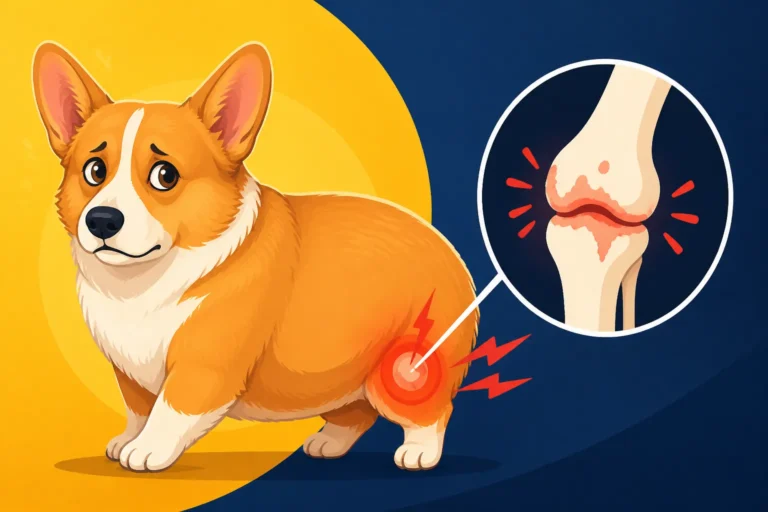
Corgis, with their distinctive long backs and short legs, are unfortunately predisposed to intervertebral disc disease (IVDD). This condition is essentially a slipped, ruptured, or herniated disc in their spine, similar to what humans experience, but often far more debilitating for our four-legged friends. When a disc protrudes or ruptures, it can press on the spinal cord, causing pain, weakness, or even paralysis. It’s a heartbreaking reality for many Corgi families.
Recognizing the Signs of IVDD in Corgis
Identifying IVDD early is crucial for the best possible outcome. Often, the first sign you might notice is a subtle change in your Corgi's gait or behavior. Maybe they're hesitant to jump on the sofa where they used to leap with abandon, or they cry out when picked up. Some Corgis might start to scuff their back nails as they walk, indicating a loss of proprioception – their awareness of where their paws are in space.
As the condition progresses, signs can become more severe. You might observe a wobbly walk, difficulty coordinating their back legs, or even a sudden inability to stand. In some dire cases, they might lose bladder and bowel control. It's important to differentiate these symptoms from other conditions like Degenerative Myelopathy, which can present similarly but has a different prognosis and treatment path. If you notice any of these alarming changes, it's vital to seek veterinary attention immediately. Every minute can count in preserving spinal cord function. For a comprehensive overview of what to look for, check out our guide on Emergency Signs of a Corgi Disc Injury.
When Surgery Becomes the Best Option
After diagnosis, often confirmed by advanced imaging like an MRI or CT scan (which you can learn more about in What an MRI Shows in a Corgi Back), your vet or a veterinary neurologist will discuss treatment options. For mild cases, conservative management, involving strict crate rest and medication, might be recommended. However, for more severe cases, especially those involving paralysis, significant pain unresponsive to medication, or a rapid decline in neurological function, surgery is usually the most effective, and often the only, path to recovery.
The goal of surgery, typically a procedure called a hemilaminectomy, is to relieve the pressure on the spinal cord caused by the herniated disc material. This decompression allows the spinal cord to heal and regain its function. While the decision to operate is never easy, especially given the costs involved, it often offers the best chance for a Corgi to regain mobility and a good quality of life. The age at which these problems usually appear, which you can read about in The Age Corgi Disc Problems Usually Appear, often means your Corgi might still have many good years ahead if they recover well.
The Immediate Aftermath: Hospital Care and Initial Recovery
The moments immediately following surgery are critical, setting the stage for the weeks and months of recovery ahead. Your Corgi won't just "wake up fixed"; it's a marathon, not a sprint.
The Critical First 48-72 Hours
After spinal surgery, your Corgi will remain hospitalized for a few days. During this period, the veterinary team monitors them closely for any complications, manages their pain, and ensures their initial recovery is on track. This often includes intravenous fluids, potent pain medications, and possibly muscle relaxants. The goal is to keep them comfortable and to minimize swelling around the surgical site and spinal cord.
Your Corgi might still have limited or no use of their back legs during this time, which can be alarming to see. They might be disoriented, uncomfortable, and need assistance with everything, including going to the bathroom. The veterinary staff will express their bladder if they can't do it themselves, preventing urinary tract infections and ensuring their comfort. This early stage is all about stabilization and giving the spinal cord a chance to begin its healing process without further irritation. Your veterinary hospital, especially one with dedicated neurology services, is equipped to handle these intensive initial needs.
Transitioning Home: Preparing for Strict Crate Rest
Bringing your Corgi home after surgery is a huge relief, but it also marks the beginning of the most challenging phase of recovery: strict crate rest. This isn't just a suggestion; it's absolutely essential for surgical success. For the first several weeks, typically 6-8, your Corgi's activity must be severely restricted. This means no running, jumping, stairs, or even excessive walking. The crate becomes their sanctuary, preventing any movements that could re-injure the delicate spinal cord as it heals.
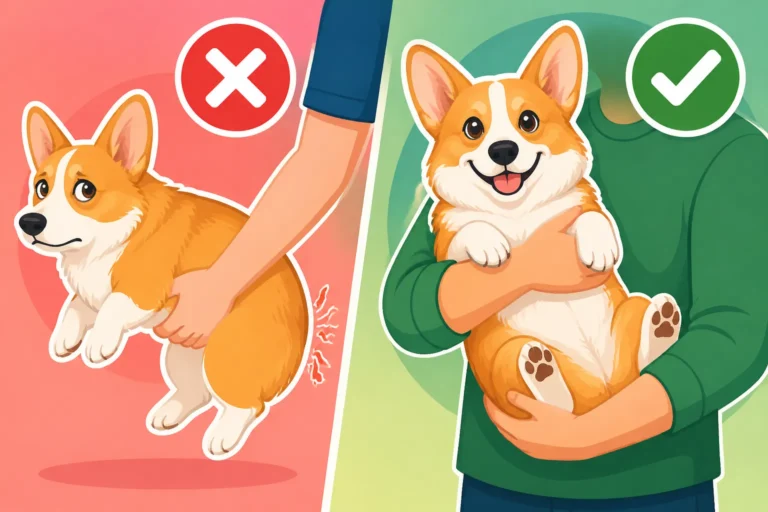
Preparing your home for this period is crucial. You'll need a comfortable, appropriately sized crate where your Corgi can lie down, turn around, but not pace or jump. Orthopedic bedding can provide extra comfort and support for their recovering back. You'll also need to consider how you'll take them outside for potty breaks – often, this means carrying them or using a sling to support their hind end, ensuring their spine remains as stable as possible. Ramps and steps, like those discussed in Ramps and Steps That Save a Corgi's Back, become invaluable tools to prevent future injuries, but even these are off-limits during initial crate rest. Pet insurance providers, such as Healthy Paws, can be incredibly helpful in mitigating the financial burden of such extensive care, allowing you to focus on your Corgi's recovery without added stress.
Navigating the Intensive Recovery Phase at Home
Once home, the responsibility for your Corgi's recovery largely falls to you. This period demands immense patience, dedication, and a commitment to following veterinary instructions precisely.
The Demands of Weeks of Crate Rest
The six to eight weeks of strict crate rest are by far the hardest part for many owners and their Corgis. Imagine a high-energy Corgi, used to herding everything in sight, suddenly confined to a small space. It's mentally and physically challenging for them, and emotionally draining for you. Yet, this confinement is non-negotiable. Even a single jump or twist can undo the surgery and set back recovery significantly, or worse, cause permanent damage.
During this time, your Corgi will only leave the crate for short, supervised potty breaks. You might need to use a sling to support their hind legs if they are still weak. Mental stimulation becomes key to preventing boredom and frustration. Puzzle toys, gentle chewing on approved dental treats, and quiet cuddle time (while maintaining spinal alignment) can help keep their spirits up. It's a test of wills, but seeing the gradual improvement in their mobility makes every difficult day worth it. For detailed strategies on managing this period, refer to our article on Six Weeks of Crate Rest With a Corgi.
Managing Pain, Inflammation, and Bladder Function
Throughout the recovery period, pain management is paramount. Your vet will prescribe medications, which typically include anti-inflammatories, pain relievers, and sometimes muscle relaxants. Adhering strictly to the dosage schedule is critical to keeping your Corgi comfortable and promoting healing. Never stop medication abruptly or adjust doses without veterinary guidance.
Monitoring your Corgi's bladder and bowel function is another crucial aspect. Spinal cord trauma can affect nerve signals to these organs, leading to incontinence or an inability to urinate or defecate. You might need to manually express your Corgi's bladder multiple times a day. Your vet or vet tech will teach you how to do this if necessary. Any signs of straining, discomfort, or changes in urine color or frequency should be reported to your vet immediately, as these could indicate a urinary tract infection, a common complication in recovering IVDD patients. Ensuring proper hygiene and preventing skin scald from urine is also important during this delicate time.
The Path to Long-Term Rehabilitation and Mobility
After the initial crate rest, the real work of rebuilding strength and coordination begins. This phase is about gradual progress and consistent effort.
Introducing Gentle Therapies: PT and Hydrotherapy
Once your vet gives the green light, usually after 6-8 weeks, physical therapy (PT) becomes an invaluable part of the recovery process. This isn't just about getting strong; it's about re-educating the nerves and muscles to work together again. A certified canine rehabilitation therapist will design a customized program for your Corgi, which might include passive range of motion exercises, gentle massages, balance exercises, and controlled leash walks.
Hydrotherapy, often involving an underwater treadmill, is particularly beneficial for Corgis recovering from spinal surgery. The buoyancy of the water reduces the stress on their healing spine while allowing them to move their legs and build muscle mass. It helps them regain confidence in their movements without the full impact of gravity. This targeted rehabilitation can significantly improve the speed and extent of recovery, helping your Corgi get back on their paws. To delve deeper into these options, read about Physiotherapy for a Corgi Losing Its Legs. Many pet insurance plans, like those offered by Healthy Paws, cover these rehabilitation therapies, which can be quite costly over several months.
Adjusting Lifestyle for Ongoing Spinal Health
Even after a successful recovery, a Corgi who has undergone disc surgery will likely have a lifelong predisposition to IVDD. Therefore, lifestyle adjustments are not just temporary; they become the new normal to minimize the risk of future incidents. This means continuing to avoid high-impact activities like jumping off furniture or vigorously chasing balls down stairs. Ramps or pet steps for sofas and beds are no longer just an option but a necessity.
Maintaining a healthy weight is also absolutely critical. Even a few extra pounds can put significant strain on a Corgi's already vulnerable spine. Our article on Why Corgi Weight Is a Spinal Problem offers more insights into this. Regular, controlled exercise, like leash walks on flat surfaces, helps keep muscles strong and supportive without excessive strain. It's about finding a balance that keeps your Corgi active and happy without compromising their spinal health.
Factors That Significantly Influence Recovery Outcomes
While recovery rates after Corgi disc surgery are generally good, several factors play a crucial role in determining the ultimate success and speed of your Corgi's journey back to health.
Severity of the Disc Herniation and Speed of Intervention
The single biggest predictor of surgical success is often the severity of the spinal cord compression and how quickly intervention occurs after the injury. Corgis who undergo surgery within 12-24 hours of becoming paralyzed often have a much better prognosis than those where the compression has been present for a longer duration.
- Grade of Neurological Deficit: Veterinary neurologists use a grading system to classify IVDD severity. Corgis who can still feel their toes (deep pain sensation) even if they can't walk, generally have an excellent prognosis (70-90% chance of regaining ambulatory function). For those who have lost deep pain sensation, the prognosis is guarded but still possible, typically ranging from 50-60% chance of walking again.
| Neurological Grade | Description | Typical Recovery Rate (with prompt surgery) |
|---|---|---|
| Grade 1 | Spinal pain only | Excellent (90-95%+) |
| Grade 2 | Spinal pain, mild weakness (ataxia) | Excellent (90-95%+) |
| Grade 3 | Spinal pain, moderate weakness, can walk but stumble | Very Good (80-90%) |
| Grade 4 | Spinal pain, paralysis, but deep pain present | Good (70-85%) |
| Grade 5 | Paralysis, no deep pain sensation | Guarded (50-60%) |
(Note: These are general estimates and individual outcomes can vary.)
This means that if you suspect a disc issue, acting fast and consulting with your vet about How Fast a Corgi Disc Injury Needs Treating is absolutely vital. The longer the spinal cord is compressed, the more damage can occur, making full recovery less likely.
The Unwavering Commitment of Dedicated Owner Care
You, the owner, are arguably the second most important factor in your Corgi's recovery. Surgical success is only half the battle; meticulous post-operative care makes all the difference. This includes:
- Strict Adherence to Crate Rest: As mentioned, this is paramount. There are no shortcuts.
- Medication Compliance: Giving all prescribed medications on time and as directed.
- Hygiene and Bladder Care: Keeping your Corgi clean, dry, and ensuring their bladder is emptied regularly.
- Attending Rehabilitation Appointments: Consistently bringing your Corgi to their physical therapy and hydrotherapy sessions.
- Patience and Encouragement: Recovery is slow, and there will be good days and bad. Your positive attitude and consistent encouragement are crucial for your Corgi's mental well-being and motivation.
Real-life scenarios often highlight this: a Corgi whose owner consistently allowed "just a little walk" outside the crate or a quick jump off the bed might experience a relapse, necessitating another surgery or conservative management with a much lower chance of full recovery. Conversely, owners who commit fully often see remarkable improvements, transforming a paralyzed Corgi into one that can happily scamper around again. This dedication is key to answering the question of Whether a Corgi Recovers From a Disc Rupture to its fullest extent.
Overall Health, Age, and Weight Management
While less critical than the severity of the injury or promptness of care, other factors contribute to the recovery picture.
- Age: Younger Corgis generally have a more robust healing capacity and can bounce back quicker. Older Corgis might have other underlying health issues, like arthritis, that can complicate recovery or slow down rehabilitation. However, age is not a contraindication for surgery; many senior Corgis make excellent recoveries with proper care. You may also need to consider Pain Relief for an Old Corgi's Back as part of their long-term comfort plan.
- Weight: An overweight Corgi puts more strain on their spine, both before and after surgery. It also makes it harder for them to move during recovery and can impede rehabilitation exercises. Maintaining an ideal body condition is vital for preventing IVDD and promoting optimal recovery.
- Other Health Conditions: Any co-existing health issues, such as heart disease, kidney problems, or even a bleeding disorder like Von Willebrand disease (which can impact anesthesia and surgical risk), can affect surgical candidacy and recovery. A thorough pre-surgical workup is essential to identify and manage any such conditions.
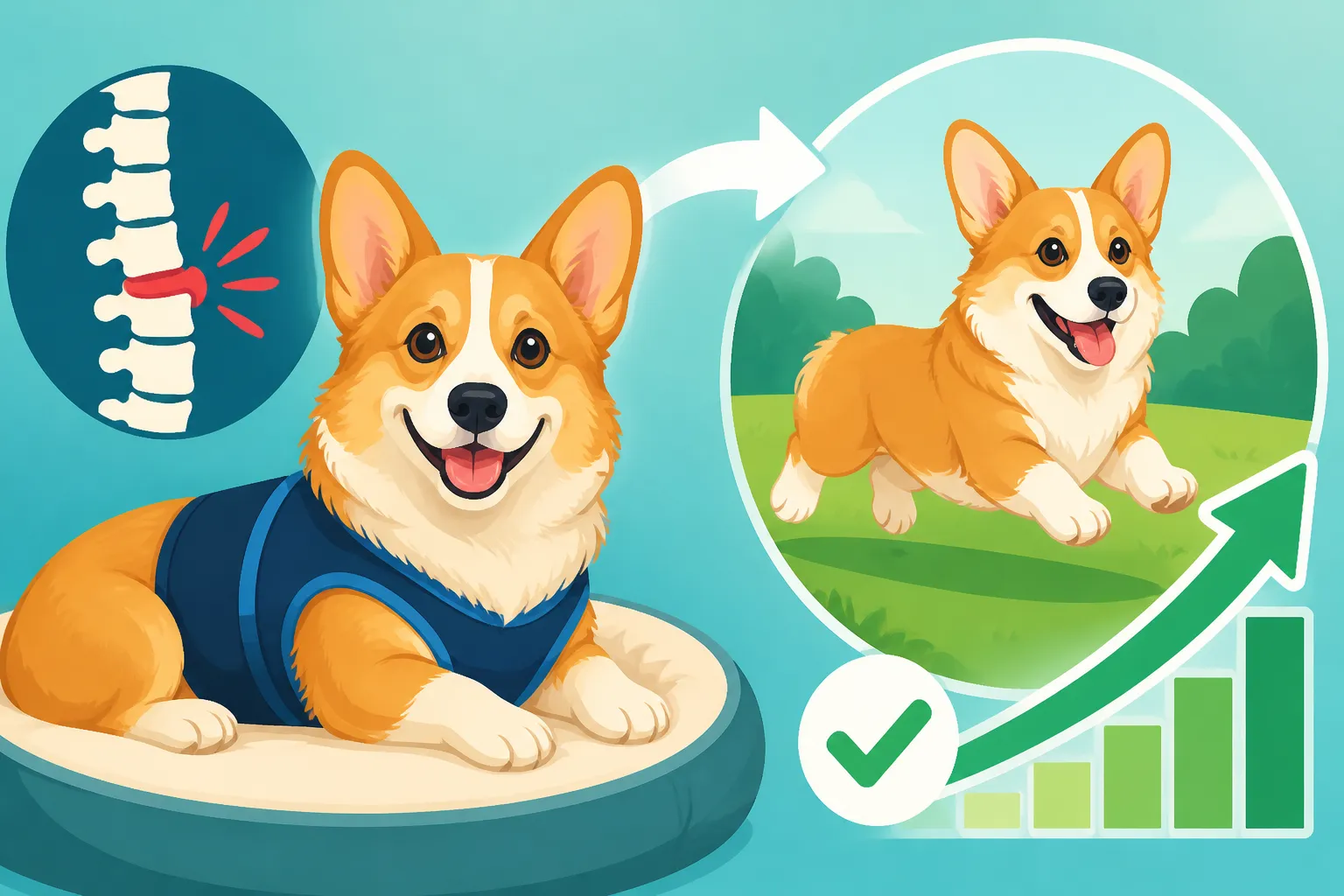
Ultimately, while the initial recovery rates for Corgi disc surgery are encouraging, it's the long-term commitment to care, rehabilitation, and lifestyle modification that truly dictates your Corgi's enduring mobility and quality of life. Be prepared, be patient, and know that your love and dedication are the most powerful tools in their recovery arsenal.
Disclaimer
This article is intended for informational purposes only and does not constitute veterinary advice. Always consult with a qualified veterinarian or veterinary specialist for any health concerns or before making any decisions about your Corgi's medical care.