A Corgi Whose Back Legs Cross Over
There are few things more alarming than watching your beloved Corgi walk and seeing their back legs start to cross over, almost as if they're tripping over themselves or walking on a tightrope. This isn't just a quirky gait; it’s a concerning symptom that points to a potential neurological or spinal issue. This guide is here to help you understand why this happens, what it could mean for your furry friend, and the essential steps you need to take.
Understanding Why Your Corgi's Back Legs Cross Over
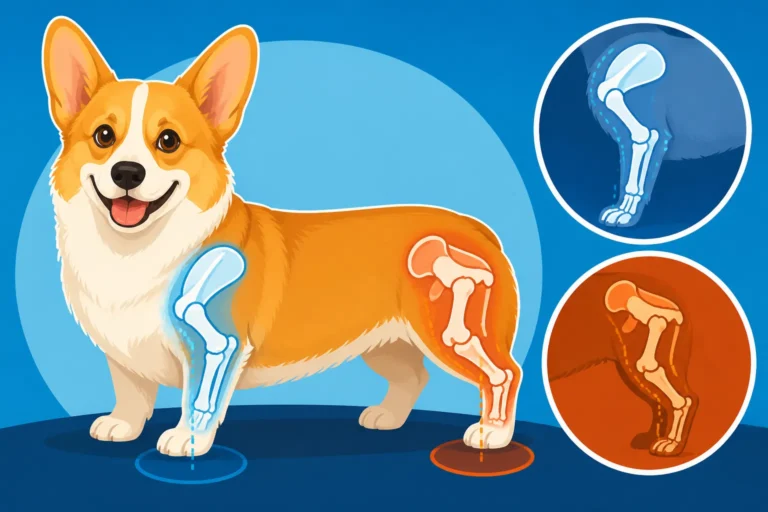
When you first notice your Corgi's back legs crossing, it's natural to feel a pang of worry. This isn't a normal part of their unique, low-to-the-ground stride. Instead, it's often a tell-tale sign that their body isn't getting the right messages from their brain, or that the mechanics of their movement are compromised. It looks like an awkward, uncoordinated shuffle, sometimes with one paw dragging slightly or rotating inward.
A Corgi's natural gait is a marvel of efficiency, designed for herding cattle by nipping at their heels and quickly getting out of the way. Their short legs and long bodies give them a distinctive, rolling walk, but it should always be coordinated and symmetrical. When the back legs start to cross over, it indicates a loss of proprioception, which is your dog's sense of where their body parts are in space without actually looking at them. Imagine trying to walk a straight line with your eyes closed – it's much harder because you've lost that internal awareness. For a Corgi, this loss often stems from issues along the spinal cord, which is the superhighway of communication between the brain and the limbs. When that highway gets disrupted, the signals get scrambled, leading to that worrying crossing pattern.
Initially, you might mistake it for your Corgi being clumsy or just getting a little stiff with age. You might see them stumble occasionally, trip over their own feet, or hesitate on familiar surfaces. Perhaps they struggle to go up or down a single step, or they seem to drag their nails on the pavement, causing them to wear down unevenly. These subtle changes can quickly progress, and recognizing them early is key to understanding and addressing the underlying problem. It's a symptom that demands attention, not just a shrug.
Common Causes Behind Hind Leg Crossing in Corgis
The crossing of a Corgi's back legs is a symptom, not a diagnosis in itself. It’s a red flag waving vigorously, signaling that something is impacting their neurological function or musculoskeletal system. Given the Corgi’s unique build, certain conditions are far more prevalent, and it’s important for owners to be aware of them.
Intervertebral Disc Disease IVDD
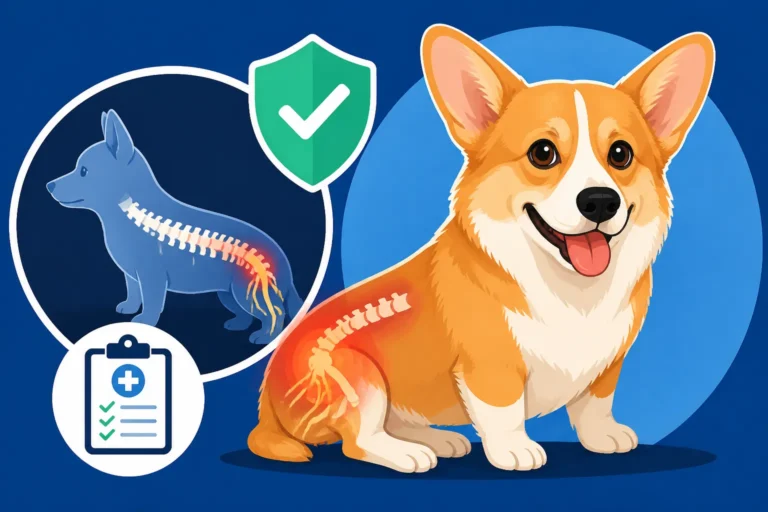
One of the most common and feared culprits behind hind leg weakness and crossing in Corgis is Intervertebral Disc Disease, often referred to simply as IVDD. This is a condition where the cushioning discs between the vertebrae in the spine either bulge or rupture, putting pressure on the delicate spinal cord. Corgis are a chondrodystrophic breed, meaning they have a genetic predisposition to abnormal cartilage development, which makes their discs prone to premature degeneration. This is why you'll often hear about Disc Disease in a Long-Backed Corgi.
When a disc herniates, it can cause excruciating pain, but also significant neurological deficits. The pressure on the spinal cord interferes with the nerve signals that control movement and sensation in the hind legs. This interference can manifest as weakness, wobbliness, an inability to coordinate their back legs, and, crucially, the crossing over gait. Imagine a garden hose with a kink in it – the water flow is disrupted. That’s essentially what’s happening to the nerve signals. Symptoms can range from mild discomfort and a slightly off gait to complete paralysis, depending on the severity and location of the disc rupture. You might notice your Corgi yelping when touched, becoming reluctant to jump, or showing signs of pain when attempting to move. Even a seemingly innocuous action, like The Jump That Ruptures a Corgi Disc, can trigger a severe episode.
Degenerative Myelopathy DM
Another significant concern for Corgi owners, especially Pembrokes, is Degenerative Myelopathy (DM). This is a progressive neurological disease that affects the spinal cord, leading to a gradual loss of coordination and strength in the hind limbs. Unlike IVDD, which is often acute and painful, DM is typically insidious in its onset and not initially painful. It's truly devastating to witness the progression of Degenerative Myelopathy and the Corgi.
DM often starts with very subtle signs, which can easily be mistaken for arthritis or just "getting old." You might notice a slight scuffing of the back paws, especially when turning, or an uneven wearing down of the nails on one side. The crossing over of the back legs is a classic early symptom, stemming from that loss of proprioception as the spinal cord degenerates. As the disease progresses, the weakness worsens, leading to more pronounced wobbling, difficulty standing, and eventually paralysis. It’s important to understand The First Signs of DM in a Corgi so you can seek veterinary attention promptly. Distinguishing between IVDD and DM can be challenging because both can cause hind leg weakness, but there are key differences that a veterinarian will look for when Telling a Corgi's Slipped Disc From Myelopathy.
Other Neurological and Musculoskeletal Issues
While IVDD and DM are the most common causes, other conditions can also lead to hind leg crossing in Corgis:
- Fibrocartilaginous Embolism (FCE): Sometimes called a "spinal stroke," an FCE occurs when a small piece of cartilage blocks a blood vessel in the spinal cord. This results in sudden, non-progressive neurological deficits, often causing weakness or paralysis in one or more limbs. Unlike IVDD, FCE is usually not painful after the initial event, making it another consideration for sudden onset weakness.
- Spinal Tumors or Cysts: Less common, but masses within or around the spinal cord can compress nerves, leading to similar symptoms of weakness, ataxia (uncoordinated movement), and proprioceptive deficits like leg crossing. These can be slow-growing or appear more suddenly.
- Injury or Trauma: A fall, a car accident, or even a sudden twisting motion can cause direct damage to the spinal cord or surrounding nerves, leading to immediate neurological symptoms.
- Severe Hip Dysplasia or Arthritis: While primarily musculoskeletal, very severe cases of Corgi Hips and Front-End Structure or advanced arthritis can lead to such pain and instability in the hips and stifle joints that it significantly alters the dog's gait. The Corgi might try to compensate for the pain or weakness by adopting an awkward stride that involves the back legs crossing as they attempt to shift weight. This is less common as a direct cause of crossing, but it can certainly contribute to general hind end weakness and instability.
| Feature | Intervertebral Disc Disease (IVDD) | Degenerative Myelopathy (DM) |
|---|---|---|
| Onset | Often sudden (acute), sometimes gradual. | Insidious, slow, progressive onset. |
| Pain | Frequently associated with significant pain, especially initially. | Generally painless, especially in the early stages. |
| Progression | Can be static, improve with rest, or rapidly worsen. | Always progressive; symptoms steadily worsen over months to years. |
| Affected Age | Can occur at any age, but often seen in middle-aged Corgis (3-7 years). | Typically older Corgis (8+ years). |
| Diagnosis | Neurological exam, X-rays, MRI/CT (definitive). | Neurological exam, ruling out other conditions, genetic SOD1 test (predisposition). |
| Symmetry | Can be asymmetric (affecting one side more) or symmetric. | Usually symmetric (affecting both hind legs equally). |
| Prognosis | Varies from full recovery to permanent paralysis, depending on severity and treatment. | Always progressive; no cure, leads to full paralysis. |
| Treatment Focus | Conservative (rest, meds) or surgical. | Supportive care (physiotherapy, mobility aids) to maintain quality of life. |
What to Do When You Notice Your Corgi's Legs Crossing
Discovering your Corgi's back legs crossing over can be a truly frightening experience. Your immediate reaction might be panic, but taking swift and informed action is crucial for your dog's health and potential recovery. This isn't a symptom you can afford to ignore or hope will just "get better" on its own.
Immediate Veterinary Consultation
The absolute first step is to contact your veterinarian immediately. Do not delay. This symptom suggests a serious underlying issue, quite possibly a spinal emergency like IVDD, or the progression of a chronic condition like DM. Time can be of the essence, especially with conditions that involve spinal cord compression. The sooner a diagnosis is made, the better the chances for effective treatment and managing pain. If your regular vet isn't available, seek out an emergency veterinary clinic. They are equipped to handle urgent neurological cases and can perform initial assessments and pain management.
Observing and Documenting Symptoms
Before your vet appointment, take a few moments to observe your Corgi carefully and document everything you see. This information will be invaluable to your veterinarian in narrowing down potential causes:
- When did you first notice the crossing? Was it sudden or gradual?
- How often does it happen? Is it constant or intermittent?
- Are there any other symptoms?
- Pain: yelping, crying, reluctance to be touched, hunched posture.
- Weakness: stumbling, falling, difficulty standing up, walking on knuckles (knuckling).
- Incontinence: leaking urine or stool, or struggling to defecate.
- Changes in appetite or demeanor.
- Any recent trauma or injury, even minor?
- What makes it better or worse? (e.g., specific movements, resting)
- Video it! It can be incredibly helpful for your vet to see the gait anomaly firsthand, especially since dogs can sometimes "perform" better in the clinic due to adrenaline. Use your phone to take short videos of your Corgi walking, standing, and trying to get up.
Safe Transportation and Handling
If you suspect a spinal injury, handling your Corgi with extreme care during transport to the vet is paramount. You want to avoid any twisting or further jarring of their spine.
- Support the entire body: Gently slide your hands under their chest and hindquarters, lifting them as a single unit. Avoid letting their back sag or arch.
- Use a firm support: A sturdy laundry basket, a flat board, or even a thick towel rolled into a sling can provide support for their body during transit, especially if they are in pain or very weak.
- Keep them confined: Once in the car, ensure they are in a secure crate or held carefully to prevent sudden movements if you have to brake or turn sharply.
The Diagnostic Process
Once at the vet, expect a thorough examination. Your veterinarian will perform a comprehensive neurological exam to assess reflexes, proprioception (that sense of body position), pain response, and muscle tone. They will check for knuckling, which is when a dog walks on the tops of their paws rather than the pads, a classic sign of neurological deficit.
Depending on their initial findings, further diagnostics will likely be recommended:
- X-rays: While X-rays don't show disc herniations directly, they can rule out other issues like fractures, severe arthritis, or some tumors. They can also show narrowing of disc spaces or calcification of discs, which can be suggestive of IVDD.
- MRI or CT Scan: These are the gold standard for diagnosing spinal cord compression from disc herniation, tumors, or FCE. An MRI provides highly detailed images of soft tissues, including the spinal cord and discs, allowing the vet to pinpoint the exact location and severity of the problem. If you need to understand What an MRI Shows in a Corgi Back, your vet can explain the images in detail.
- Genetic Testing: For DM, a DNA test for the SOD1 mutation can be performed. While a positive test doesn't guarantee the dog will develop DM, it indicates a genetic predisposition. This test, combined with ruling out other causes, can help confirm a suspected DM diagnosis, especially since Confirming Corgi Myelopathy Without a Post-Mortem can otherwise be challenging. Your vet might send samples to specialized labs like the Orthopedic Foundation for Animals (OFA) or similar accredited institutions.
- Blood Work: General blood work can help assess overall health, rule out infections, and ensure your Corgi is healthy enough for potential medication or anesthesia.
Treatment Pathways
The treatment will entirely depend on the diagnosis:
- For IVDD:
- Conservative Management: For milder cases, this involves strict Crate Rest for a Corgi With a Bad Back (often for 4-6 weeks), anti-inflammatory medications (NSAIDs), pain relievers, and sometimes muscle relaxants. This aims to reduce inflammation and allow the disc to heal.
- Surgery: For more severe cases, especially those with significant neurological deficits or paralysis, surgical decompression of the spinal cord is often necessary. This procedure aims to remove the material pressing on the spinal cord and can offer the best chance for recovery.
- For DM: There is currently no cure for DM. Treatment focuses on supportive care and maintaining quality of life for as long as possible. This includes:
- Physiotherapy: Gentle exercises, hydrotherapy, and range-of-motion activities can help maintain muscle mass and mobility. Physiotherapy for a Corgi Losing Its Legs is often recommended to slow muscle atrophy.
- Mobility Aids: As weakness progresses, slings, harnesses, and eventually custom wheelchairs or carts can help your Corgi remain mobile and engaged.
Getting a clear diagnosis is the first crucial step. The path forward will be clearer once you understand what exactly is causing your Corgi's hind legs to cross over.
Long-Term Management and Support for Your Corgi
Once you have a diagnosis and a treatment plan, long-term management becomes a vital part of ensuring your Corgi's comfort and quality of life. This is where you, as their dedicated owner, play the most significant role in adapting their world to their evolving needs.
Adapting the Home Environment
Your home, which once felt so safe and familiar, might now pose challenges for a Corgi with hind leg weakness. Making proactive changes can prevent further injury and improve their daily life:
- Ramps and Steps: Corgis should never be allowed to jump on or off furniture, or go up and down stairs unsupervised, especially if they have a history of spinal issues. Installing Ramps and Steps That Save a Corgi's Back for sofas, beds, and even short staircases is paramount. Look for ramps with good grip and a gentle incline. Baby gates can block access to dangerous stairs if ramps aren't feasible.
- Non-Slip Flooring: Slippery floors like hardwood, tile, or laminate can be incredibly difficult and dangerous for a dog with hind leg weakness. They can slip, splay out, and exacerbate their condition. Lay down runners, yoga mats, or area rugs in high-traffic areas to provide traction.
- Orthopedic Beds: A firm, supportive orthopedic bed can help maintain proper spinal alignment while your Corgi rests. Avoid overly soft beds that can let their body sink and twist.
Nutrition and Weight Management
Maintaining an ideal body weight is absolutely critical for a Corgi, especially one with spinal or mobility issues. Every extra pound places additional stress on their already vulnerable back and joints.
- Ideal Body Condition: Work with your vet to determine the ideal body condition score for your individual Corgi. For most Pembrokes, this often means a lean physique, typically between 25-30 pounds, where you can easily feel their ribs without seeing them prominently, and they have a visible waist tuck. Being overweight can dramatically worsen conditions like IVDD and accelerate the progression of arthritis. Understanding Why Corgi Weight Is a Spinal Problem cannot be overstated.
- Measured Meals: Carefully measure your Corgi's food to ensure they receive the correct caloric intake. Overfeeding, even slightly, can lead to weight gain over time. Your vet can provide guidance on appropriate food types and portion sizes to achieve The Body Condition Score a Corgi Should Hold. If weight loss is needed, discuss a prescription diet or a gradual reduction in current food with your vet.
- Healthy Treats: Limit high-calorie treats and opt for healthy, low-calorie options like small pieces of carrot, green beans, or specialized dental chews.
Exercise and Physical Therapy
While you might need to restrict certain activities, appropriate exercise and physical therapy are crucial for maintaining muscle strength, flexibility, and overall well-being.
- Tailored Programs: Your vet or a certified canine rehabilitation specialist can design an exercise program specifically for your Corgi's condition. This might include passive range-of-motion exercises, gentle stretches, and controlled leash walks on soft surfaces.
- Hydrotherapy: Water therapy, or Hydrotherapy for a Corgi Recovering From Surgery, is often highly beneficial. The buoyancy of water reduces stress on joints and the spine, allowing your Corgi to move more freely and build muscle without bearing full weight. Many rehabilitation centers offer underwater treadmills and swimming.
- Avoiding High-Impact Activities: Activities like vigorous ball chasing, jumping, or rough play with other dogs should be avoided to protect their spine. Focus on mental stimulation and calm, controlled physical activity.
Mobility Aids
As conditions like DM progress, or for severe IVDD recovery, your Corgi might need assistance to stay mobile and enjoy life.
- Support Harnesses and Slings: These can help you lift and support your Corgi's hindquarters during walks, bathroom breaks, or when navigating stairs (if absolutely necessary and supervised). Brands like Ruffwear or GingerLead offer excellent supportive harnesses.
- Wheelchairs/Carts: For Corgis who have lost significant use of their hind legs, a custom-fitted wheelchair can be life-changing. It allows them to run, play, and explore, giving them a sense of independence and vastly improving their quality of life. Companies like Walkin' Wheels are well-known for their durable and adjustable carts.
Financial Planning and Insurance
Dealing with a Corgi's spinal or neurological issues can be financially demanding, with costs ranging from diagnostics and medications to surgery, physical therapy, and ongoing supportive care. Being prepared for these expenses is vital.
- Pet Insurance: Enrolling in pet insurance, ideally when your Corgi is young and healthy, can provide a financial safety net for unexpected illnesses and injuries. Reputable providers such as Healthy Paws offer comprehensive plans that can cover a significant portion of veterinary bills for conditions like IVDD or other accidents. It's important to understand the terms and conditions, especially regarding waiting periods and pre-existing conditions. Insuring a Corgi early, even Insuring a Corgi Before Its First Back Episode, is a smart move that can save you heartache and financial strain later.
- Savings Fund: Even with insurance, having a dedicated savings fund for your Corgi's care can cover deductibles, co-pays, and services not covered by your plan. The cost of Paying for a Corgi's Ruptured Disc can be thousands of dollars, making planning essential.
Providing a loving and supportive environment, coupled with diligent care and medical follow-through, will give your Corgi the best chance at a happy and comfortable life, even when facing challenging mobility issues.
Disclaimer
The information provided in this guide is for general educational purposes only and should not be considered a substitute for professional veterinary advice. If your Corgi is experiencing any health issues, especially hind leg weakness or crossing, please consult with your veterinarian immediately for an accurate diagnosis and personalized treatment plan.