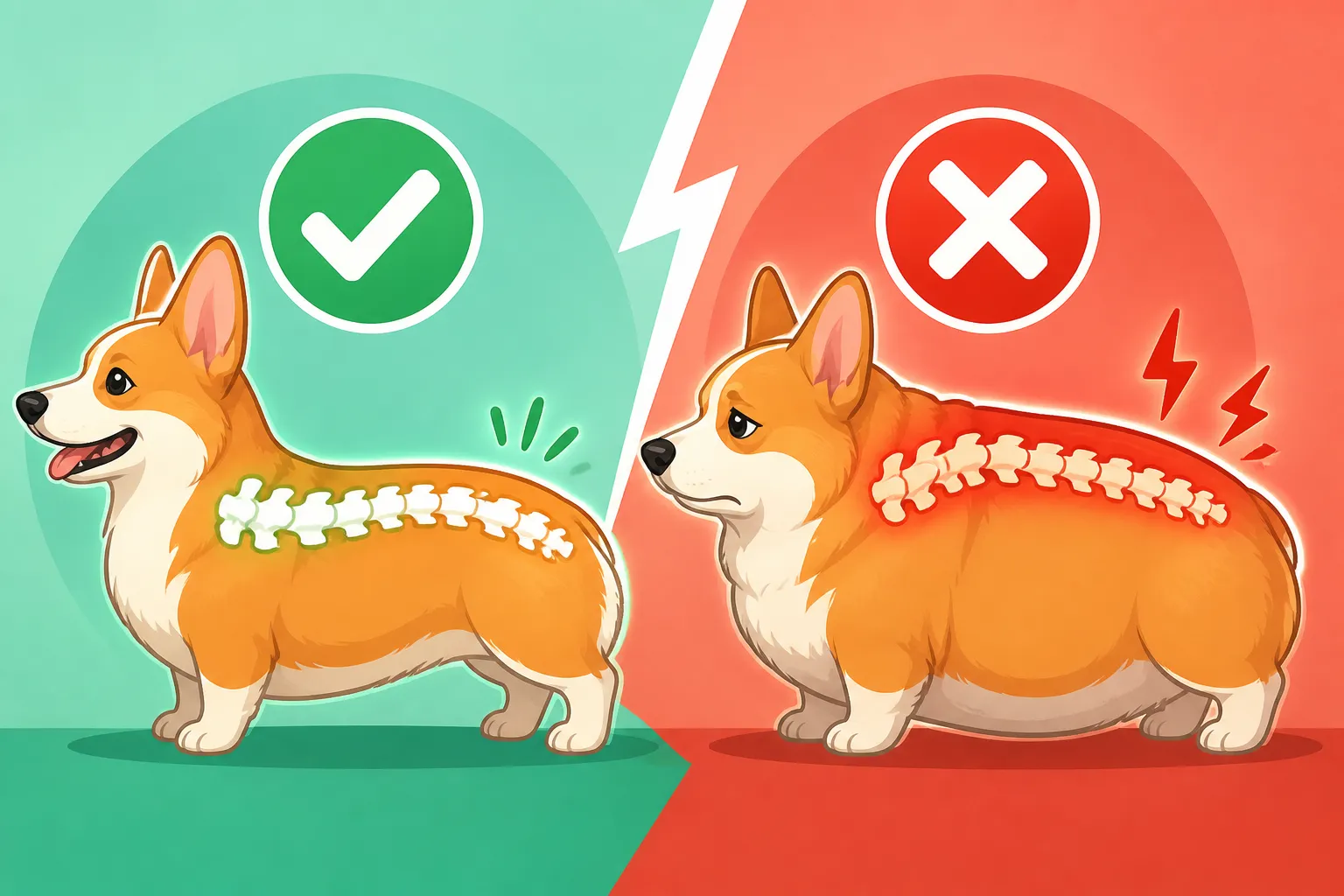
What Extra Weight Does to a Corgi Spine
It's a heartbreaking reality for many Corgi owners: watching your beloved, sturdy little companion struggle with their mobility. Their unique long-backed, short-legged structure, so endearing and characteristic, also makes them inherently susceptible to serious spinal issues. Add even a few extra pounds to that already vulnerable frame, and you're dramatically increasing the risk of painful and debilitating problems that can severely impact their quality of life. This comprehensive guide will walk you through precisely what that extra weight does to a Corgi's spine and, more importantly, how you can protect your furry friend.
The Unique Vulnerability of a Corgi's Spine
Before we delve into the specifics of weight, it's crucial to understand why Corgis are already predisposed to back problems. Their build, while charming, is a double-edged sword when it comes to spinal health.
Why a Corgi's Back Is Built the Way It Is
Corgis, both Pembroke and Cardigan Welsh Corgis, are classified as chondrodystrophic breeds. This fancy term simply means they have a genetic predisposition for abnormal cartilage and bone development, which leads to their distinctive short legs and long bodies. It's the same genetic trait you see in Dachshunds, Basset Hounds, and other "long and low" breeds. This unique body shape was historically advantageous, allowing them to nip at the heels of cattle without getting kicked, but it comes at a cost to their spinal integrity. Their spine is proportionally longer relative to their leg length, creating more leverage and stress points along the vertebral column. Think of it like a bridge without enough support pillars – the longer it stretches, the more strain each existing support point endures. This inherent structure is why it's so critical to understand Why a Corgi's Back Is Built the Way It Is and to protect it diligently.
The Link Between Chondrodystrophy and Spinal Health
The chondrodystrophic gene directly impacts the intervertebral discs that cushion the vertebrae in the spine. In non-chondrodystrophic breeds, these discs are typically soft and gelatinous, acting like shock absorbers. In Corgis, however, these discs tend to degenerate and harden prematurely, a process known as intervertebral disc disease (IVDD). Instead of remaining soft and flexible, they become calcified and brittle. This makes them much more prone to bulging, herniating, or rupturing, even from seemingly minor movements. When a disc ruptures, it can press on the spinal cord, leading to pain, nerve damage, and potentially paralysis. This is a primary reason why Corgis are prone to severe back issues.
Understanding Intervertebral Disc Disease IVDD in Corgis
IVDD is the big bad wolf for Corgi spines. It’s not just an old age problem; The Age Corgi Disc Problems Usually Appear can be surprisingly young, sometimes even before they reach middle age. There are two main types: Type I, which is most common in Corgis, involves the sudden rupture or protrusion of a degenerated disc, often leading to acute pain and neurological deficits. Type II is a more gradual bulging of the disc over time. Both types are devastating, but the sudden onset of Type I can be particularly frightening. One moment your Corgi is fine, the next they might be yelping in pain, refusing to move, or dragging their back legs. This condition is prevalent enough that discussing IVDD with your vet should be part of routine check-ups, especially as your Corgi approaches the typical age for disc problems.
How Excess Weight Directly Stresses the Corgi Back
Now, let's layer on the issue of excess weight. If a Corgi's spine is already a delicate structure, imagine the additional burden it carries when your dog is overweight. It's like asking a small, already fragile bridge to hold significantly more traffic than it was ever designed for.
Increased Load on Spinal Discs
Every extra pound your Corgi carries translates to additional gravitational force pressing down on their spine. Their short legs and elongated body mean that weight isn't distributed evenly like in a taller, more traditionally proportioned dog. Instead, it concentrates directly on the already compromised intervertebral discs. These discs, which are already prone to calcification due to their chondrodystrophic nature, are then subjected to constant, unrelenting compression. This dramatically increases the likelihood of a disc bulging or rupturing. Think of a jelly donut: if you gently squeeze it, it might deform a little, but if you sit on it, the jelly is going to squirt out. That’s a crude, but accurate, analogy for what happens to a disc under excessive pressure. This constant heavy load can accelerate the degeneration of these vital spinal cushions, leading to pain and mobility issues much sooner than anticipated.
Exacerbating Disc Degeneration
As mentioned, Corgi discs are prone to degenerating prematurely. Excess weight doesn't just add load; it actively speeds up this degenerative process. The constant compression impedes proper nutrient flow to the discs, further compromising their integrity. Imagine a rubber band that's constantly stretched taut; it will lose its elasticity and snap much faster than one that's allowed to relax. Similarly, the discs, under the perpetual strain of extra weight, become weaker, more brittle, and less capable of performing their shock-absorbing function. This means that a Corgi who might otherwise have gone years without a spinal incident could experience one much earlier and more severely due to being overweight. It's a cruel feedback loop where genetics make them prone, and weight makes it worse, leading to conditions like Disc Disease in a Long-Backed Corgi.
Muscle Weakness and Poor Posture
Being overweight also impacts a Corgi's musculature and posture. When a dog carries extra weight, their core muscles – those that support the spine – become weaker because they don't have to work as hard to stabilize the body. The excess fat can also prevent these muscles from engaging properly. This creates a vicious cycle: weak core muscles provide less support to the spine, making it more vulnerable, and the discomfort from the extra weight can lead to compensatory postures. A Corgi might shift its weight, arch its back, or move in ways that put even more strain on specific areas of the spine. Over time, these poor postural habits become ingrained, further stressing the delicate spinal structures and increasing the risk of injury. It's not just the weight itself, but how the body compensates for it, that contributes to the problem.
The Cascade of Health Problems Beyond Just Back Pain
The effects of extra weight on a Corgi don't stop at the spine, though spinal issues are certainly a major concern. Obesity is a systemic problem that can trigger a domino effect of other health complications, some of which directly or indirectly impact their spinal health and overall well-being.
Joint Damage From Corgi Weight Gain
Beyond the spine, Corgis are also prone to other orthopedic issues, such as hip and elbow dysplasia, as detailed in articles like Corgi Hips and Front-End Structure. Excess weight significantly exacerbates these conditions. The same principle applies: more weight means more pressure on all joints. Over time, this constant pounding wears down the cartilage, leading to inflammation, pain, and the early onset or worsening of arthritis. Imagine carrying a heavy backpack all day, every day – your knees and hips would ache! For a Corgi, their short legs already mean their joints are working harder. When you add extra weight, their hips, knees (stifles), and elbows become highly stressed, increasing the risk of ligament tears, such as a cranial cruciate ligament injury, which can be incredibly painful and costly to treat. The interplay between obesity and joint health is well-documented, making weight management a critical factor for their long-term comfort and mobility.
Reduced Mobility and Activity Levels
An overweight Corgi is an unmotivated Corgi. The extra bulk makes movement more difficult, tiresome, and sometimes painful. They become less inclined to run, jump, or even walk long distances. This reduced activity leads to a further decrease in muscle tone, including those crucial core muscles that support the spine. It also contributes to more weight gain, creating another negative feedback loop. A dog that moves less burns fewer calories, gains more weight, and then finds it even harder to move. This cycle doesn't just harm their physical health; it impacts their mental well-being too. Corgis are intelligent, active herding dogs that thrive on mental and physical stimulation. Being unable to engage in normal activities can lead to boredom, frustration, and even behavioral issues. It's a sad sight to see a Corgi who once loved to play now struggling to get off the sofa.
Impact on Breathing and Heat Regulation
Corgis already have a thick double coat and are low to the ground, which can make them susceptible to overheating, especially in warmer climates. Excess body fat insulates the body, making it much harder for an overweight Corgi to regulate their body temperature. They can quickly become overheated, leading to heatstroke, which is a serious medical emergency. Furthermore, excess fat around the chest and neck can restrict lung function, making breathing more labored, especially during exercise or in hot weather. This reduced respiratory capacity means they tire out faster, are less willing to exercise, and their overall cardiovascular health declines. This indirectly impacts spinal health by limiting their ability to maintain a healthy, active lifestyle that supports strong muscles and a flexible spine. It also adds another layer of risk to their overall lifespan, as discussed in How Obesity Shortens a Corgi Life.
Preventing Weight-Related Spinal Issues
The good news is that many weight-related spinal problems are preventable! Taking proactive steps to maintain your Corgi at a healthy weight is one of the most impactful things you can do for their long-term health and happiness.
Achieving the Ideal Corgi Weight
The first step is knowing what an ideal Corgi weight looks like. It's easy to look at a Corgi and think their roundness is normal, especially with their fluffy coats. However, Whether a Corgi Is Meant to Look Round is a common misconception. A healthy Corgi should have a noticeable waist when viewed from above, and you should be able to easily feel their ribs without seeing them. Their belly should also tuck up slightly when viewed from the side. For most Pembrokes, this typically means a weight between 22-30 pounds (10-14 kg), with Cardigans often being a bit heavier. However, individual size and build vary, so it's best to consult your veterinarian for an accurate assessment. They can help you determine The Body Condition Score a Corgi Should Hold and create a target weight if your Corgi needs to shed some pounds. Remember, even just a few extra pounds on a small dog like a Corgi can make a huge difference to their spine.
Smart Feeding Strategies
Achieving and maintaining a healthy weight for your Corgi largely comes down to what and how you feed them.
First, measure their food. Don't guess. Use a measuring cup, or better yet, a kitchen scale, to portion out their daily kibble accurately. Feeding a Corgi So Its Spine Carries Less often means being meticulous with measurements. High-quality dog food is essential, but even the best food in excess can lead to weight gain. Treats should be given sparingly and chosen wisely – opt for low-calorie options like carrot sticks or small pieces of lean cooked chicken rather than fatty biscuits. Keep table scraps to an absolute minimum, or eliminate them entirely. Remember, your Corgi loves you, not just your food, so plenty of praise and playtime can be just as rewarding as a treat. Consider feeding two smaller meals a day instead of one large one, which can help with satiety and metabolism. For dogs that eat too quickly, puzzle feeders or slow-feeder bowls can also be beneficial, making mealtime more engaging.
Safe Exercise Routines for Corgis
Exercise is vital, but it needs to be appropriate for a Corgi's body. High-impact activities like jumping repeatedly, especially off furniture, are a big no-no. Whether a Corgi Should Ever Jump Off a Sofa is a topic frequently discussed among Corgi owners because these repeated impacts can put immense strain on their delicate discs. Instead, focus on consistent, moderate exercise like leash walks on varied terrain (grass, trails, not just pavement). Swimming is an excellent, low-impact exercise that builds muscle without stressing joints or the spine. Interactive toys that encourage chasing or scent work can also provide mental and physical stimulation without excessive jumping or twisting. If your Corgi has a penchant for launching off high places, invest in Ramps and Steps That Save a Corgi's Back to provide a safe alternative for accessing beds and sofas. Consistency is key; a daily 30-60 minute walk, adjusted for your dog's age and fitness level, is far better than sporadic bursts of intense activity.
Managing Weight for Corgis with Existing Spinal Concerns
If your Corgi has already experienced a spinal issue, weight management becomes even more critical. It’s no longer just about prevention, but about preventing recurrence and minimizing further damage. The approach needs to be more delicate, balancing calorie intake with often restricted activity. Many owners find a good pet insurance plan, like those offered by Healthy Paws, invaluable during these times, helping to cover the costs of vet visits, diagnostics, and ongoing care for spinal issues, especially as they can be quite expensive.
Adjusting Diet During Restricted Activity
When a Corgi is recovering from a disc injury or surgery, they are often placed on strict crate rest for several weeks. This means significantly reduced activity, which directly impacts their caloric needs. If you continue to feed them their normal portions, they will gain weight, further jeopardizing their recovery and future spinal health. During this time, it's crucial to work with your veterinarian to adjust their diet. This might mean reducing portion sizes of their current food or transitioning to a prescription weight management diet that is lower in calories but still provides all essential nutrients. The goal is to prevent weight gain while ensuring they receive adequate nutrition for healing. Treats should be minimized, and any medications given with food should be factored into their daily calorie count. It takes discipline, but avoiding weight gain during Six Weeks of Crate Rest With a Corgi is paramount for a successful recovery.
Specialized Exercise for Spinal Health
Even with existing spinal concerns, appropriate exercise is still important, though it will be very different from typical dog play. Once your vet clears your Corgi for activity, gentle, controlled exercises are key. Hydrotherapy (under supervision) is often highly recommended as it allows for muscle strengthening without putting weight or impact on the spine. It can significantly improve mobility and core strength. Short, slow, controlled leash walks on flat, even surfaces are also beneficial, gradually increasing duration as advised by your vet. Avoid any twisting, jumping, or rough play. Physiotherapy can also introduce specific exercises designed to strengthen the core muscles that support the spine, improve balance, and maintain flexibility. Companies like Healthy Paws can often help with the costs associated with these rehabilitative therapies, which can add up quickly.
Monitoring Progress and Adjusting Plans
Managing a Corgi's weight and spinal health is an ongoing process that requires diligent monitoring. Regular weigh-ins at home and at the vet are crucial. Pay attention to their body condition score, not just the number on the scale. Is their waist still visible? Can you feel their ribs easily? Keep a food diary to track everything they eat, including treats. Observe their gait and mobility daily. Are they moving freely, or are there any signs of stiffness, pain, or weakness in their hindquarters? If you notice any changes, consult your vet immediately. The plan you start with may need to be adjusted as your Corgi ages, or if their activity levels change. Flexibility and responsiveness to your Corgi’s needs are key to long-term success.
Long-Term Impact and Quality of Life
The consequences of allowing a Corgi to remain overweight, especially one with an already vulnerable spine, extend far beyond temporary discomfort. It can drastically affect their long-term health, happiness, and even shorten their lifespan.
The Progression of Untreated Weight-Related Issues
Left unchecked, excess weight will continue to exert undue pressure on your Corgi's spine, accelerating disc degeneration and increasing the frequency and severity of IVDD episodes. Each subsequent episode can lead to more significant neurological deficits, potentially resulting in permanent nerve damage, hind leg weakness, incontinence, and eventually paralysis. The chronic pain from arthritis in other joints will also worsen, severely limiting their ability to walk, stand, or even lie down comfortably. This isn't just about physical health; it deeply impacts their mental and emotional well-being, as a dog in constant pain or unable to move freely often becomes withdrawn, anxious, or irritable. It’s a sad trajectory that is largely preventable.
The Role of a Support Team
Successfully managing a Corgi’s weight and spinal health, especially if issues arise, is truly a team effort. Your primary veterinarian is your most important partner, providing guidance on diet, exercise, and overall health. They may also recommend a veterinary nutritionist or a physical therapist specializing in canine rehabilitation. For serious spinal incidents, a veterinary neurologist is often required for diagnosis and treatment, which can involve advanced imaging like MRI (and associated costs, which a good insurance like Healthy Paws can help alleviate) or surgery. Don't be afraid to seek second opinions or ask for referrals to specialists. A well-rounded support team, including family members committed to the weight management plan, will significantly improve your Corgi’s chances of a healthy, comfortable life. This collective effort is particularly important if your Corgi experiences something like The Corgi Years When the Back End Gives Out.
Ensuring Comfort in Later Years
As Corgis age, even lean ones can start to experience some natural degeneration of their discs and joints. For an overweight Corgi, these issues are amplified and typically begin much earlier. Providing comfort for an older Corgi often involves managing chronic pain with medication, continuing appropriate physical therapy, and making environmental adjustments like providing orthopedic beds, ramps, and non-slip flooring. Maintaining a healthy weight throughout their life is the single best gift you can give your Corgi to ensure their senior years are filled with as much comfort and mobility as possible. It extends their active lifespan and allows them to enjoy their golden years with dignity, rather than struggling under the burden of avoidable spinal and joint pain.
Weight Management Strategies for a Healthy Corgi Spine
So, you understand the risks, and you're ready to take action. Here's a practical guide to implementing effective weight management strategies for your Corgi.
| Strategy | Description | Key Considerations |
|---|---|---|
| Accurate Food Portioning | Measure every meal using a scale or precise measuring cup. Consult your vet for daily calorie targets based on activity level and ideal weight. | Avoid free-feeding. Account for all calories, including treats and medication hidden in food. |
| High-Quality Diet | Choose a nutritionally complete and balanced dog food appropriate for your Corgi's age and activity level. Consider a vet-prescribed weight loss formula if needed. | Read ingredient labels; avoid fillers and excessive fats. |
| Smart Treat Choices | Opt for low-calorie treats like small pieces of fresh vegetables (carrots, green beans) or lean cooked meat. Keep treat portions tiny. | Limit commercial treats. Use kibble from their daily ration for training. |
| Consistent, Safe Exercise | Daily walks (30-60 minutes), swimming, and gentle play are ideal. Avoid high-impact activities like jumping. | Use ramps for furniture/car access. Ensure footing is non-slip. Monitor for signs of pain. |
| Regular Vet Check-ups | Schedule annual or bi-annual wellness exams. Your vet can monitor weight, assess body condition, and catch early signs of spinal or joint issues. | Discuss any changes in appetite, activity, or mobility promptly. |
| Environmental Modifications | Implement ramps, orthopedic beds, and non-slip mats on hard floors to minimize spinal stress and prevent falls. | Make these changes before issues arise. |
The Importance of Consistent Weigh-Ins and Body Condition Scoring
You might be thinking, "My Corgi doesn't look fat!" It's incredibly easy to underestimate a Corgi's weight because of their dense double coat. This is where consistent weigh-ins and body condition scoring (BCS) become indispensable tools. Weigh your Corgi regularly, perhaps once a month, and keep a log. More importantly, learn to assess their body condition. You should be able to feel their ribs easily, like running your hand over knuckles, without them being visibly prominent. They should have a clear waistline behind their ribs when viewed from above, and their belly should tuck up slightly from the side. If you feel like you're searching for their ribs, or if they have a straight "tube" shape rather than a waist, they're likely carrying too much weight. Your vet can demonstrate how to perform a BCS, ensuring you understand What an Ideal Corgi Weighs and how to maintain it.
Adjusting to Age and Activity Level
A Corgi's caloric needs change throughout their life. A growing puppy requires more calories, but it’s crucial to keep them lean to support proper bone development. An adult Corgi with a moderate activity level will have different needs than a senior Corgi who is less active. Sterilization (spaying or neutering) can also decrease metabolic rate, meaning your Corgi will need fewer calories to maintain their weight. It's not a one-size-fits-all approach. As your Corgi ages, or if their activity level changes due to health reasons (such as recovering from a back injury), their diet needs to be re-evaluated. Work closely with your vet to make these adjustments. Don't simply cut food drastically; ensure they still receive a balanced diet. Gradual changes are always best to avoid digestive upset and ensure your Corgi adapts well.
Creating a Supportive Home Environment
Beyond diet and exercise, your home environment plays a significant role in protecting your Corgi's spine. Hardwood or tile floors can be very slippery for Corgis, making them prone to slips and falls that can cause disc injuries. Lay down rugs or runners to provide traction, especially in high-traffic areas and where they jump off furniture (onto a ramp, ideally!). Consider orthopedic beds that provide excellent support for their spine and joints, rather than soft, unsupportive cushions. Also, think about how your Corgi interacts with your home. Are there stairs they use frequently? While some Corgis handle stairs fine, it's often safer to use baby gates to block access or carry them (carefully, supporting their back) up and down to prevent sudden movements or falls. Making these small changes can create a much safer, more comfortable living space that supports their spinal health.
Disclaimer
The information provided in this article is for general informational purposes only and does not constitute veterinary advice. Always consult with a qualified veterinarian for any health concerns or before making any decisions about your Corgi's diet, exercise, or medical treatment.