The First Corgis Imported to America
Bringing a beloved breed like the Corgi to a new continent is never as simple as stepping off a boat with a wagging tail by your side. For the dedicated pioneers who first imported Corgis to America, it was a journey filled with logistical hurdles, passionate advocacy, and the incredible challenge of introducing an unfamiliar working dog to a discerning public. This guide delves into the fascinating history of how these spirited, short-legged herders first found their way into American homes and hearts, tracing the efforts of those who laid the groundwork for the Corgi's enduring popularity.
The Early Days: Bringing Corgis Across the Atlantic
Imagine a time when the Corgi wasn't a familiar sight, scampering through social media feeds or gracing dog parks. Back in the early 20th century, these delightful dogs were primarily working animals in their native Wales, relatively unknown outside their local communities. Bringing them to America was an act of foresight and dedication, requiring individuals with a deep appreciation for the breed's unique qualities and the determination to share them with a new world.
A Niche Breed with a Unique Purpose
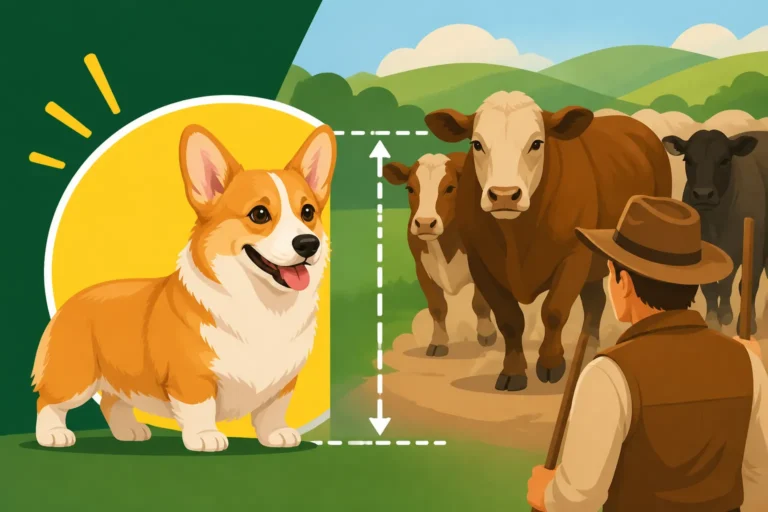
In the rolling hills and valleys of Wales, the Corgi—both the Pembroke and the Cardigan—was indispensable. These weren't pampered pets; they were active, intelligent, and sturdy little dogs bred for a very specific job: herding cattle. Their low stature allowed them to nip at the heels of stubborn livestock without getting kicked, a clever adaptation for managing large animals. They were known for their keen minds, sturdy build, and boundless energy, traits that made them excellent farmhands but were largely unfamiliar to American dog enthusiasts who might be more accustomed to larger herding breeds or established companion dogs.
When these early Corgis first arrived, they were an unknown quantity. People weren't looking for a "Corgi" because they didn't really know what that was. Instead, these pioneer importers were captivated by their intelligence, their compact yet robust bodies, and their undeniable charm, seeing potential far beyond the Welsh farm. It took vision to see how a dog bred to drive cattle could become a beloved family member or a successful show dog in a country where such a breed was virtually unheard of. Understanding What a Welsh Corgi Did on a Farm All Day really puts their original purpose into perspective, highlighting just how much of a transition these dogs were making.
The Journey Itself: Challenges of International Transport
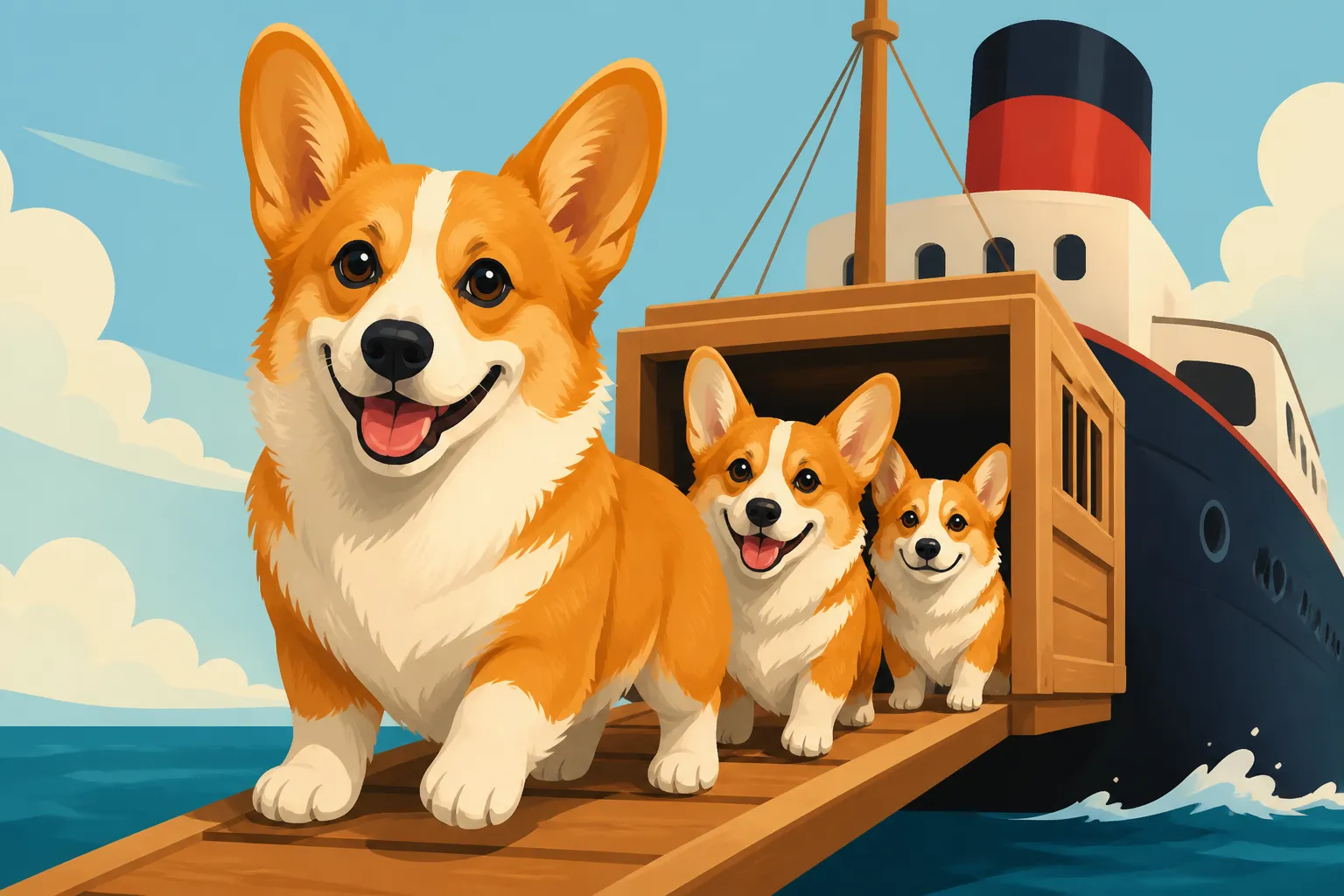
Bringing dogs across the Atlantic in the early to mid-20th century was no small feat. It wasn't like today where you might book a pet-friendly flight. These journeys often involved long, arduous sea voyages, sometimes weeks on the ocean, with the dogs housed in crates, experiencing unfamiliar conditions, and facing potential health risks. Imagine the stress on these animals, pulled from their familiar Welsh surroundings and thrust into a cramped kennel environment for an extended period.
Upon arrival, the dogs often faced quarantine periods, adding to the expense and the separation from their new owners. These were complex logistical undertakings, requiring careful planning, significant financial investment, and a true commitment to the welfare of the animals. The passion of these early importers was immense, knowing they had to navigate customs, health regulations, and the sheer physical demands of international animal transport. It was a testament to their belief in the Corgi that they went to such lengths, ensuring the dogs were as comfortable and healthy as possible throughout their journey, even if they had to order specific travel supplies from places like Chewy way in advance to prepare. Learning about Getting a Corgi There and Back Safely today can give you a glimpse into the complexities, even though it's much easier now!
Why America? The Appeal of a New Market
So, what drew these early Corgi advocates to America? Part of it was simply the expanding interest in purebred dogs across the United States. As society evolved, so did the enthusiasm for diverse breeds, both for show and for companionship. American dog fanciers were increasingly looking beyond the common breeds, seeking out unique characteristics and histories. For Welsh breeders, America represented a vast, untapped market and an opportunity to share their cherished working dogs with a new audience.
The appeal was mutual. American enthusiasts were often individuals with resources and a desire to contribute to the canine world, either by introducing new breeds or by establishing strong breeding lines. They saw in the Corgi a dog with character, intelligence, and a manageable size, perfect for a variety of roles. The sheer novelty of the breed also played a role; owning one of the "new" dogs from Wales would have been exciting. The foundational work done by these individuals laid the groundwork not just for owning Corgis, but for truly establishing them as a recognized and respected breed in the US.
Pioneers and Their Passion: Key Figures in Corgi Importation
The story of the Corgi in America is largely the story of a handful of dedicated individuals who fell in love with these little dogs and committed themselves to their future on American soil. These weren't just casual dog owners; they were breed champions, keen to introduce the world to the Corgi's charm and working prowess.
The First Documented Imports: The Roeslers and the Pembroke
While exact records can be a bit fuzzy from so long ago, much credit for establishing the Pembroke Welsh Corgi in the United States goes to Mr. and Mrs. Lewis Roesler of Long Island, New York. They were true visionaries. Having seen the breed in England, they were captivated and decided to bring Pembrokes across the ocean. Their dedication was pivotal. In the early 1930s, they imported their first Pembrokes, a small but mighty foundation stock that would eventually influence many future American-bred Corgis.
Their initial imports, like the charming "Little Madam" and the dignified "Captain William Lewis," became the cornerstones of the breed's presence here. The Roeslers didn't just import dogs; they became advocates, tirelessly promoting the breed and laying the groundwork for its recognition and acceptance. They understood that it wasn't enough to simply bring the dogs over; they had to educate people about their qualities and ensure responsible breeding from the outset. Their passion and commitment were crucial in preventing the breed from being a mere fleeting fancy, instead establishing a strong, enduring presence.
The Cardigan's Separate Arrival
It's really important to remember that the Pembroke and the Cardigan Welsh Corgis, despite sharing a "Corgi" name and a similar appearance, are actually distinct breeds with separate origins. As such, their journeys to America were also quite independent, championed by different groups of dedicated individuals. While the Pembrokes were making their mark, the Cardigans were also slowly finding their way. The Cardigan, being the older of the two Corgi breeds, has a slightly different history and was often seen as a sturdier, perhaps less refined, version of the Corgi by some.
The individuals who imported Cardigans often had a deep appreciation for their ancient lineage and their slightly more rugged appearance. These early Cardigan pioneers faced similar challenges to their Pembroke counterparts but with the added task of differentiating their breed. The formal separation of the two breeds by the Kennel Club in Great Britain in 1934 eventually clarified matters, but in America, it still took time and effort to explain the differences. The 1934 Split Into Pembroke and Cardigan was a monumental moment for both breeds, solidifying their individual identities.
Establishing the Breed: Early Kennels and Registration Efforts
Once these initial Corgis landed on American soil, the real work of establishing a sustainable breed population began. This involved not just breeding, but also careful record-keeping, formal recognition, and a dedication to upholding the breed standard.
Founding the First Corgi Kennels in the US
The early importers quickly became the founders of America's first Corgi kennels. These weren't always commercial ventures in the modern sense; often, they were passion projects driven by a love for the breed and a desire to see it thrive. Names like Boothwyn Kennels, owned by the Roeslers, became synonymous with quality Pembrokes, while others dedicated themselves to the Cardigan. These kennels were vital for building the initial gene pool from what was often a very small number of imported dogs.
Breeders had to be incredibly thoughtful about their pairings to avoid inbreeding and to produce healthy, typey puppies. They faced the challenge of working with limited stock, so every breeding decision was critical. Their goals were clear: establish a stable, healthy population that accurately represented the breed standard from Wales and England. This meant focusing on temperament, structure, and overall health. They were essentially curating the future of the Corgi in America, striving to ensure that the unique characteristics of the breed were preserved. They often had to be resourceful, even stocking up on specific, trusted dog food brands like those available on Chewy, to ensure the health of their breeding stock.
The American Kennel Club (AKC) Recognition
Formal recognition by the American Kennel Club (AKC) was a huge milestone for both Corgi varieties. It wasn't an immediate process; it required documented pedigrees, sufficient numbers of dogs, and consistent adherence to a breed standard. For the Pembroke Welsh Corgi, this recognition came in 1934, marking its official acceptance into the AKC's ranks. This was a pivotal moment, allowing Pembrokes to compete in conformation shows and gain broader exposure.
The Cardigan Welsh Corgi, being a distinct breed, followed its own path to AKC recognition, achieving it a few years later. When the AKC Recognized Each Corgi Breed truly highlights how significant this official stamp of approval was. Without it, the breeds might have remained obscure or their development might have been much slower. AKC recognition provided a framework for consistent breeding, judging, and record-keeping, giving credibility to the efforts of these early pioneers and paving the way for the Corgi's widespread acceptance. It meant that Corgis could now stand shoulder-to-shoulder with other established breeds in America's dog world.
Early Breeding Practices and Goals
With such a limited foundation stock, early American Corgi breeders faced unique challenges. The primary goal was to expand the gene pool without sacrificing breed type or health. This meant meticulous record-keeping, careful selection of breeding pairs, and a deep understanding of genetics—even before much of today's advanced genetic testing was available. They focused on traits that defined the Corgi: their sturdy, low-set build, their intelligent expression, and their balanced temperament.
There was a constant balancing act between preserving the working heritage of the Corgi and adapting to its new role as a companion and show dog. Breeders strived to maintain the health and soundness of the breed, understanding the importance of strong structure for a long-backed dog. They paid close attention to issues that could impact mobility, though the depth of understanding on specific conditions like Disc Disease in a Long-Backed Corgi was certainly less developed than it is today. They were essentially learning as they went, relying on observation, shared knowledge, and a strong sense of responsibility to the future of the breed. Today, we have sophisticated tools like The DNA Tests a Corgi Breeder Should Run to help, but early breeders relied on careful selection and detailed pedigrees.
The Corgi's Rise to Popularity: From Niche to Beloved Companion
The journey from obscure Welsh farm dog to one of America's most recognizable and cherished breeds was a gradual one, built on the efforts of passionate enthusiasts and the undeniable charm of the Corgi itself.
Beyond the Farm: Corgis in American Homes
Once Corgis were established in the US, their undeniable personality quickly won over new admirers. Their intelligence, coupled with their often comical stubbornness and outgoing nature, made them endearing companions. They were small enough to fit comfortably in many homes, yet sturdy and active enough to be engaging family members. This adaptability was key to their success; they transitioned remarkably well from herding livestock to herding family members around the living room.
Early owners quickly discovered that these short-legged dogs, while no longer needing to work cattle, still possessed a keen mind and a desire for activity. They proved themselves to be wonderful additions to American households, often becoming the center of attention with their expressive faces and quirky personalities. The word spread, first among dog fanciers, and then to a broader public, about these delightful, unique dogs from Wales.
The Influence of Show Rings and Media
The show ring played a crucial role in introducing Corgis to a wider audience. As AKC-recognized breeds, both Pembrokes and Cardigans could compete, and their distinct looks and confident demeanors quickly caught the judges' eyes. Early Corgi show champions garnered attention, showcasing the breed's ideal characteristics and drawing curious spectators to the breed rings. This visibility was invaluable, sparking interest and making people curious about these "new" dogs.
Beyond formal shows, the growing popularity of Corgis was a slow burn, fueled by word-of-mouth and the growing pet culture in America. However, it's worth noting that the monumental surge in Corgi popularity, especially for Pembrokes, really kicked off much later, largely due to their association with the British Royal Family. While the early decades saw a steady increase in admirers, the true explosion came after the public became aware of the Queen's lifelong devotion to the breed. It's fascinating to see how How Corgi Popularity Changed After The Crown illustrates this later boom, but the initial foundation was laid by these early American enthusiasts.
Challenges of Early Popularity
Even a slow rise in popularity can bring its own set of challenges. As more people became interested in Corgis, the demand for puppies naturally increased. This always presents a risk for any breed: the potential for less scrupulous breeders to prioritize quantity over quality, leading to health issues and diluted breed standards. Early enthusiasts were acutely aware of this and worked hard to educate prospective owners and promote responsible breeding practices.
They emphasized the importance of buying from reputable breeders who performed health checks and adhered to the breed standard. They worried about the breed becoming too trendy, fearing that new owners might not fully understand the Corgi's specific needs, such as their active minds and potential for barking or nipping. This constant vigilance was essential to ensure the breed's long-term health and reputation. This is why warnings like Why a Corgi Under a Thousand Should Worry You are still relevant today; responsible breeding is always paramount.
Challenges and Triumphs of Early Corgi Owners
Becoming an early Corgi owner in America meant embracing a unique dog with specific traits and a rich history. These owners were not just adopting a pet; they were becoming part of the breed's story, facing challenges and celebrating triumphs along the way.
Understanding the Unique Corgi Temperament
Early American Corgi owners quickly learned that these dogs, while charming, came with a distinctive personality shaped by their herding heritage. The famous "Corgi sass" and independent streak were part of the package. These intelligent dogs often made their own decisions, requiring patient and consistent training. One of the most common traits to manage was the herding instinct, which could manifest as nipping at heels, particularly with running children or other pets. The Cattle-Driving Nip a Corgi Still Has is a real trait rooted in their history that owners had to learn to manage through proper socialization and training.
Owners found that Corgis thrived on mental stimulation and purpose, even if that purpose wasn't actual cattle herding. Without an outlet for their intelligence and energy, Corgis could become bored and mischievous. Early owners had to adapt their understanding of dog ownership, realizing that a Corgi wasn't just a cute, fluffy companion but a clever, driven canine that needed guidance and engagement to truly flourish in a domestic setting.
Health Concerns in a Developing Breed Population
Health considerations were, and continue to be, a significant aspect of Corgi ownership. In the early days, with limited genetic testing and a small founding population, breeders and owners had to be particularly vigilant. While conditions like Degenerative Myelopathy (DM) were not yet fully understood or testable, the general conformation of a long-backed dog like a Corgi naturally led to concerns about spinal health. Early owners observed and reported issues, contributing to the collective knowledge that would eventually lead to better understanding and screening.
Without the modern diagnostic tools we have today, recognizing symptoms and providing supportive care was largely based on veterinary experience and owner observation. Awareness of potential problems like Disc Disease in a Long-Backed Corgi was growing, but prevention and treatment options were far more limited. This meant that early owners often had to be proactive with their Corgis' care, carefully managing their activity levels and ensuring good nutrition. They understood that a long, healthy life for their Corgi often depended on their attentiveness and careful management.
Building a Corgi Community
Perhaps one of the greatest triumphs of these early Corgi enthusiasts was the community they built. Recognizing the need for shared knowledge, support, and advocacy, they formed the first Corgi breed clubs. These clubs, like the Pembroke Welsh Corgi Club of America, became crucial hubs for sharing information about breeding, health, training, and showing. They provided a platform for breeders to connect, exchange ideas, and collectively work towards the betterment of the breed.
These pioneering groups fostered a sense of camaraderie among Corgi owners, creating a network of support that helped navigate the challenges of owning a relatively new breed in America. They organized events, held meetings, and published newsletters, all contributing to the growing understanding and appreciation of the Corgi. The legacy of these early owners and breeders is not just the Corgis themselves, but the vibrant, dedicated community that continues to support and celebrate these wonderful dogs today.
| Year Range (Approx.) | Key Developments in Corgi Importation | Notable Individuals/Groups | Challenges Faced |
|---|---|---|---|
| Early 1930s | First documented imports of Pembroke Welsh Corgis to the US. | Mr. & Mrs. Lewis Roesler, Boothwyn Kennels | Long sea voyages, quarantine, limited initial stock, educating public about a new breed. |
| Mid-1930s | AKC recognition for Pembroke Welsh Corgi (1934); separate efforts for Cardigan. | Various Cardigan enthusiasts and breeders | Gaining formal recognition, differentiating Cardigan from Pembroke, building diverse gene pools. |
| Late 1930s-1940s | Establishment of early American Corgi kennels; breed clubs begin to form. | Founders of early US Corgi kennels and breed clubs | Maintaining breed standard, managing temperament, addressing early health concerns. |
| Post-WWII | Gradual increase in popularity; more widespread ownership. | Growing community of Corgi enthusiasts and owners | Risk of over-breeding, ensuring responsible ownership, continued education. |
Disclaimer
This article is for general informational purposes only and does not constitute professional advice. Laws, prices and regulations vary by location and change over time. Consult a qualified professional for guidance on your specific situation.