The Cardigan’s Twelve Hundred BC Origins
It's easy to look at a Corgi today, with their adorable short legs and expressive faces, and think of them as simply a delightful companion breed. But if you've ever felt like your Corgi has an ancient soul, a deep wisdom in their eyes, you're tapping into something real. Many people don't realize that the Cardigan Welsh Corgi isn't just a variant of the Pembroke; it's a breed with a lineage so old it predates many modern nations, rooted in a history that stretches back millennia. This guide will take you on a journey through time, exploring the deep, ancient origins of the Cardigan Welsh Corgi and shedding light on just how unique and historically significant these wonderful dogs truly are.
Tracing the Cardigan's Deep Celtic Roots
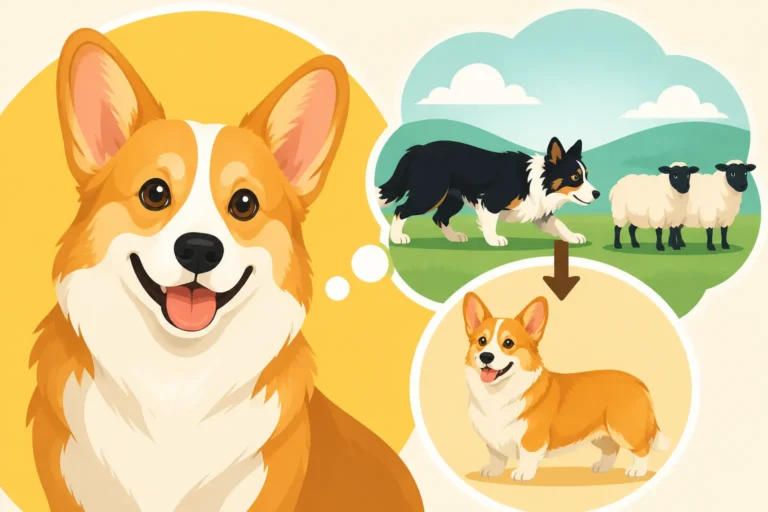
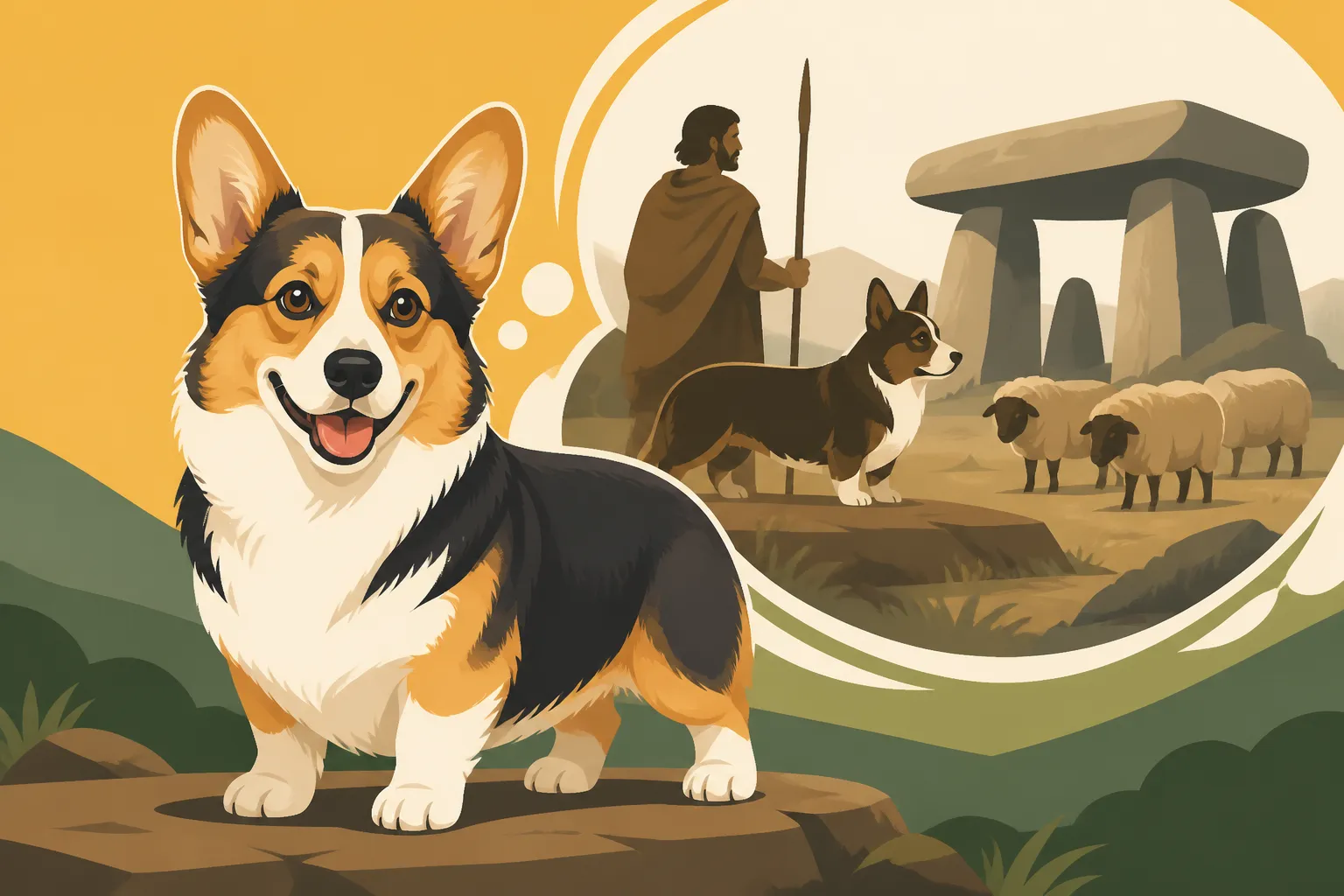
The Cardigan Welsh Corgi isn't just an old breed; it's considered one of the oldest herding breeds in existence, with a heritage that scholars and dog enthusiasts believe dates back as far as 1200 BC. Imagine that for a moment – twelve hundred years before the common era, before the Roman Empire, before much of recorded history as we know it, dogs resembling our modern Cardigans were likely already at work in the hills and valleys of Wales. This isn't just speculation; it's a widely accepted theory based on historical accounts, archaeological finds, and the distinct genetic markers that set the Cardigan apart.
The Ancestry of the Teckel Family
The Cardigan's ancient lineage places it squarely within what's known as the Teckel family of dogs. Now, if you're picturing a Dachshund, you're on the right track! The Teckel family includes various European hounds and terriers characterized by their long bodies and short legs, a body type known as chondrodystrophic. This suggests a common ancestor that shared this unique physical characteristic, a trait perfectly suited for navigating dense undergrowth and avoiding the kicks of cattle.
This connection to the Teckel family is crucial because it speaks to a very distinct evolutionary path. While many herding breeds share ancestry with Spitz-type dogs, the Cardigan's roots point instead to these low-slung, tenacious hunters and drovers. It's a testament to their practicality that this particular body shape, so effective for their original purpose, was preserved through countless generations. It wasn't about aesthetics; it was about survival and utility on the harsh Welsh landscape. These early ancestors weren't just pets; they were integral tools for survival for the ancient Celtic peoples.
Pre-Roman Britain and Indigenous Canines
Before the Romans even set foot on British soil, the indigenous Celtic tribes of Wales were already working with dogs perfectly adapted to their rugged environment and agricultural practices. These dogs were not imported from afar by Roman legions; they were already there, forged by centuries of natural selection and selective breeding by early Welsh farmers. The Cardigan Welsh Corgi is thought to be a direct descendant of these dogs, making them true natives of the British Isles in a way few other breeds can claim.
Their origins speak to a time when communities were isolated, relying heavily on their livestock and the dogs that helped manage them. These early canines were invaluable for driving cattle, guarding the homestead, and perhaps even assisting in hunts. Their resourcefulness and adaptability, traits still seen in modern Cardigans, were essential for their long-term survival alongside their human companions. It paints a vivid picture of a symbiotic relationship, where dog and human worked hand-in-paw to tame the wild Welsh countryside. How Old the Cardigan Welsh Corgi Is really underscores this incredible timeline.
The Welsh Landscape That Shaped the Breed
You can't talk about the Cardigan Welsh Corgi's origins without talking about Wales itself. This isn't just where they happened to develop; the very landscape, climate, and way of life in ancient Cardiganshire (now Ceredigion) fundamentally sculpted the breed we know today. It was a crucible that refined their unique physical and mental characteristics, making them perfectly suited for their demanding work.
Cardiganshire's Rugged Terrain and Climate
Cardiganshire, located in west Wales, is characterized by its rolling hills, sparse grazing lands, and often harsh, damp climate. This wasn't a place for delicate, soft-pawed dogs. The environment demanded a sturdy, resilient canine with a thick, weather-resistant double coat to fend off rain and cold, and a low-slung body that could navigate rocky outcrops, dense bracken, and muddy trails with ease. Imagine trying to herd cattle over such ground with long legs – it simply wouldn't work as efficiently.
This challenging terrain also meant that early Welsh farmers often worked alone or with minimal help, relying heavily on their dogs to move stock over considerable distances. The Cardigan's famous endurance and determination aren't just quirks; they're direct adaptations to the demanding conditions of their ancestral home. Every trait, from their deep chest to their powerful hindquarters, was honed by the necessity of working in a landscape that refused to yield easily.
The Life of an Ancient Drover's Dog
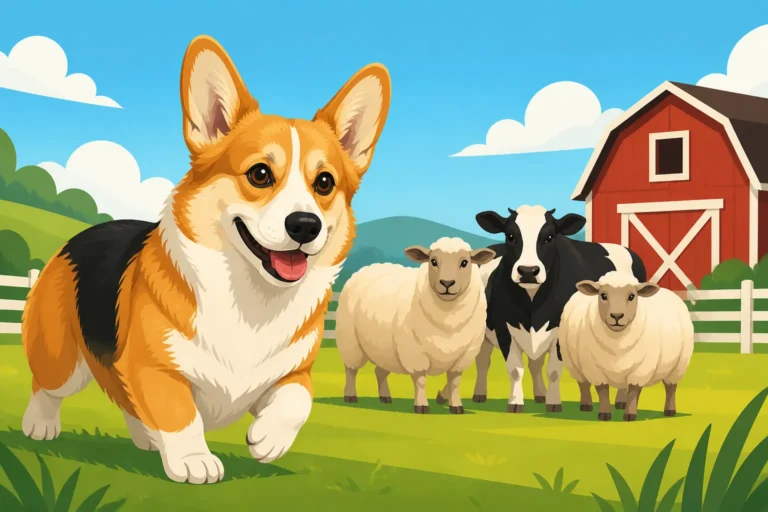
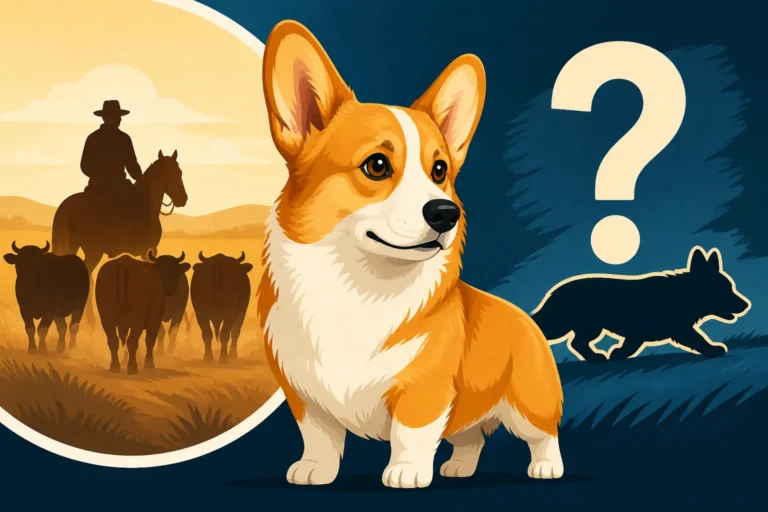
The primary role of these early Cardigans was that of a drover's dog, assisting farmers in moving cattle, ponies, and even sheep to market or between pastures. This was a dangerous, challenging job, requiring immense courage, intelligence, and agility. A drover's dog had to be quick to nip at the heels of stubborn livestock, ducking out of the way to avoid a retaliatory kick, and smart enough to guide a herd without scattering them. How a Corgi Moved Cattle Without Being Kicked perfectly describes this ingenious technique.
The distinctive low stature of the Cardigan was a deliberate advantage in this work. It allowed them to nip at the hocks of cattle without fear of being crushed by hooves, an incredibly efficient and safe way to keep the herd moving. This wasn't just about moving animals; it was about protecting the farmer's livelihood. A good drover's dog was an invaluable asset, practically a member of the family, and their effectiveness directly contributed to the survival of the community.
Sustenance and Adaptability on the Farm
Life on an ancient Welsh farm was tough, and dogs had to earn their keep. They weren't just fed for being pretty; they were working animals that required minimal fuss and maximum utility. This meant they had to be adaptable, able to switch between tasks like herding, guarding, and rodent control. Their diet was likely simple, consisting of scraps and whatever they could catch, reinforcing their hardy nature.
The Cardigan's strong prey drive, often seen today when they eye squirrels or chase a ball with intense focus, is a remnant of this past. It wasn't just for rodents; it contributed to their ability to manage livestock effectively. They were also expected to be vigilant guardians, alert to any intruders or threats, and their tendency to bark, while sometimes challenging for modern owners, is a direct link to their historical role in protecting the farm.
Distinguishing the Cardigan from its Pembroke Cousin
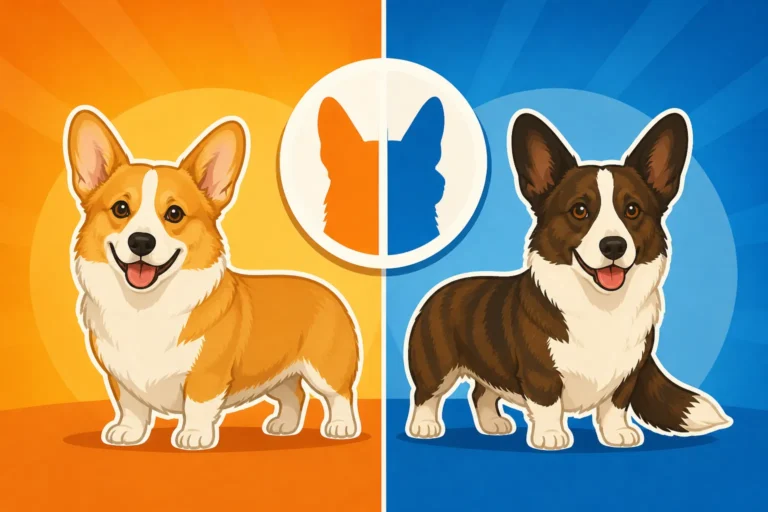
It's a common misconception that the Cardigan and Pembroke Welsh Corgis are simply different color variations of the same breed. While they share the "Corgi" name and a superficial resemblance, they are, in fact, two entirely separate breeds with distinct histories, temperaments, and physical characteristics. Understanding the Cardigan's ancient origins really helps to highlight this separation. Pembroke and Cardigan Are Two Different Breeds delves deeper into these differences.
The Long-Standing Separation of Ancestry
The most profound distinction lies in their ancestry. As we've discussed, the Cardigan descends from the Teckel family, believed to be brought to Wales by Celtic tribes around 1200 BC. The Pembroke, on the other hand, is generally thought to have originated from Spitz-type dogs, brought to Wales by Flemish weavers much later, around the 10th to 12th centuries AD. That's a huge gap in time and a completely different genetic foundation!
Imagine two distinct rivers flowing into the same general area but originating from completely different mountain ranges. That's the difference between Cardigan and Pembroke origins. They converged geographically in Wales, both becoming invaluable farm dogs, but their foundational genetic material remained distinct. This long separation means that even though they were eventually recognized as "Corgis," they were never truly the same dog.
Physical Differences Forged by Generations
While both are low-slung, the Cardigan typically has a slightly larger, heavier bone structure, and a more robust appearance. Their ears are generally larger and more rounded at the tips, often set a bit wider apart, which gives them a distinct expression. Most notably, the Cardigan always has a long, fox-like tail, carried low. This is a crucial identifier, as many Pembrokes traditionally had their tails docked or were born with natural bobtails.
Consider the implications of these physical traits. The Cardigan's larger frame suggests a dog built for endurance and strength in its herding duties over long distances. The long tail, used for balance and communication, would have been invaluable in navigating tricky terrain. These aren't just aesthetic differences; they're functional adaptations that reflect their separate evolutionary paths and the specific demands of their respective regions and ancestral lines.
Temperamental Nuances and Distinctive Traits
While both Corgi breeds are intelligent and spirited, there are often subtle differences in temperament. Cardigans are sometimes described as being a bit more 'even-keeled,' thoughtful, and slightly less excitable than their Pembroke counterparts. They can be incredibly devoted to their families, but often possess a strong independent streak, a remnant of their ancient role as decision-makers on the farm, guiding livestock without constant human direction.
This isn't to say one is "better" than the other, but rather to emphasize that their individual histories have shaped distinct personalities. A Cardigan's deep loyalty combined with its innate independence can be a wonderful mix for the right owner. Their ancient wisdom often manifests as a keen observation of their surroundings and a deliberate, almost contemplative, approach to new situations.
Evolution of the Cardigan's Role in the Modern World
From ancient drover to cherished family member, the Cardigan Welsh Corgi has adapted beautifully to life beyond the farm. While their fundamental instincts remain, their role has shifted dramatically, requiring them to translate those millennia-old traits into a modern context.
From Farm Hand to Family Member
The transition from working farm dog to household companion is a testament to the Cardigan's intelligence and adaptability. Farmers throughout history chose them for their biddability, loyalty, and manageable size. These same qualities make them fantastic family pets today. They thrive on companionship and being involved in daily activities, making them ideal for active families or individuals who can provide consistent mental and physical stimulation.
However, owning a Cardigan means acknowledging their deep history. They're not just cute lapdogs. They still possess that keen intellect and strong will forged over centuries of independent work. This means they need engagement – training, puzzle toys, and activities that challenge their minds. Simply providing food and shelter isn't enough for a dog with such a rich, working heritage. Many owners find durable, stimulating toys on sites like Chewy that can stand up to their determined chewing.
Channeling Ancient Instincts in Modern Life
Even without a herd of cattle, a Cardigan's herding instincts are alive and well. You might see them 'herding' children, other pets, or even you, gently nudging or circling. This isn't misbehavior; it's their innate drive expressing itself. The key is to provide appropriate outlets for these behaviors. Activities like obedience, agility, rally, or even urban herding classes can be incredibly fulfilling for a Cardigan, allowing them to use their brains and bodies in ways that resonate with their ancient purpose.
Think about how a Cardigan will sometimes quietly observe a situation before acting, or how they might try to gather scattered items. These are direct echoes of their droving past. Understanding this helps us, as owners, to be more patient and to channel these instincts constructively, preventing frustration for both dog and human. The Job a Corgi Needs Instead of Herding You offers excellent ideas for this.
The Importance of Training and Enrichment
Because of their intelligence and independent spirit, Cardigans benefit immensely from consistent, positive reinforcement training from a young age. They are quick learners, but they can also be quick to make their own decisions if they feel you're not providing clear leadership. Early socialization is also critical to ensure they are well-adjusted to a variety of people, places, and experiences, helping to temper any lingering protective instincts.
Enrichment activities are vital for a Cardigan's well-being. This can include anything from scent work and puzzle feeders to regular walks with opportunities to explore and sniff. A bored Corgi is often a mischievous Corgi. Providing outlets for their problem-solving abilities and physical energy helps ensure they remain happy, healthy members of your family, honoring their clever and industrious ancestors.
The Cardigan's Legacy Today and Its Preservation
The story of the Cardigan Welsh Corgi is one of endurance, utility, and deep connection to a specific place and people. Today, their legacy continues, championed by dedicated enthusiasts who understand the importance of preserving this ancient and unique breed.
Dedicated Breeders and the Breed Standard
Responsible breeders play a crucial role in maintaining the integrity of the Cardigan Welsh Corgi. They adhere to a strict breed standard, which outlines the ideal physical traits and temperament, ensuring that the dogs they produce are true to their heritage. This isn't just about winning ribbons; it's about preserving the functional attributes that made the Cardigan such an effective working dog for millennia.
These breeders also prioritize health testing, especially for genetic conditions prevalent in the breed, such as progressive retinal atrophy (PRA) and degenerative myelopathy (DM). By understanding the breed's genetic history, they can make informed breeding decisions that contribute to the overall health and longevity of future generations, allowing these ancient dogs to continue thriving in modern homes. The DNA Tests a Corgi Breeder Should Run details many of these important screenings.
Understanding Health and Longevity
While robust, Cardigans, like any breed, have specific health considerations that derive from their unique physical structure. Their long backs mean they can be prone to intervertebral disc disease (IVDD), a condition where the cushioning discs between the vertebrae bulge or rupture. Owners must be vigilant about preventing jumps off furniture and managing their weight to reduce strain on the spine. Knowing about Disc Disease in a Long-Backed Corgi is paramount for any Cardigan owner.
However, with proper care, good nutrition (many owners choose quality kibble from reputable brands like those found on Chewy, carefully portioned to maintain a healthy weight), and regular veterinary check-ups, Cardigans can live long, fulfilling lives, often into their early teens. Their ancient resilience shines through, making them hardy companions when given the right environment and preventative care.
The Enduring Charm of the "Yard-Long Dog"
The Cardigan Welsh Corgi, often affectionately called the "yard-long dog" for its distinctive silhouette, holds a special place in the hearts of those who know and love them. Their ancient history gives them a depth of character and an undeniable charm that sets them apart. They are a living link to the past, a vibrant testament to the ingenuity of early Welsh farmers, and a reminder of the enduring bond between humans and their canine companions.
Owning a Cardigan is an opportunity to connect with a truly historical breed, to appreciate the generations of selective breeding that created such a capable and loyal dog. It's about respecting their heritage while providing them with a loving, stimulating home where they can continue to thrive.
| Feature | Cardigan Welsh Corgi | Pembroke Welsh Corgi |
|---|---|---|
| Ancestry | Teckel family (Dachshund-like), Celtic origins | Spitz family (Chow-like), Flemish origins |
| Ear Shape | Larger, more rounded tips, wider set | Smaller, more pointed, closer set |
| Tail | Long, bushy, fox-like; always present | Traditionally docked or natural bobtail (often born without) |
| Body Build | Slightly larger, heavier boned, more robust | Slightly smaller, finer boned |
| Historical Role | Primarily drover of cattle, all-around farm dog | Herding cattle and ponies |
| Temperament (General) | Often described as more reserved, thoughtful, independent | Often described as more outgoing, spirited, active |
| Color Varieties | Wide range including blue merle, brindle, sable, red | Red, sable, fawn, black & tan (with white markings) |
| Age of Origin | Circa 1200 BC (ancient) | Circa 10th-12th Century AD (later) |
Disclaimer
This article is for general informational purposes only and does not constitute professional advice. Laws, prices and regulations vary by location and change over time. Consult a qualified professional for guidance on your specific situation.