Feeding an Old Corgi Fewer Calories
One of the hardest things about watching our beloved Corgis grow older is seeing their bodies change, especially when those familiar round figures start to carry a little too much extra padding. As they move out of their energetic prime and into their golden years, many Corgi owners grapple with managing their senior dog's weight. This comprehensive guide will walk you through why an older Corgi's calorie needs shift, how to accurately assess their body condition, and practical, empathetic strategies to help them maintain a healthy weight without sacrificing their comfort or happiness.
Why Your Older Corgi Needs Fewer Calories
It's a common scenario: your Corgi, once a whirlwind of herding energy, now spends more time napping on the sofa. As their lifestyle shifts, so too must their diet. Ignoring these changes can lead to significant health challenges for our low-riders.
The Slowdown of Senior Years
Just like us, as Corgis age, their metabolism tends to slow down. That youthful spring in their step might be replaced with a more leisurely pace, and those long walks chasing squirrels might become shorter, gentler strolls. This natural decrease in activity directly impacts how many calories their body actually burns in a day. A Corgi who used to burn through calories with boundless enthusiasm now simply doesn't need as much fuel. Feeding them the same amount of food they ate in their prime, even if it feels like a small portion, can quickly lead to weight gain because their energy expenditure has dipped.
It’s not just the big activities that change; even their day-to-day movements might be less vigorous. Jumping on and off furniture (which we should discourage anyway for their back health, but they still try to do!), playing zoomies in the yard, or even just standing up and moving around the house might be done with a little less gusto. All these subtle shifts add up, meaning fewer calories are needed to maintain their body functions and energy levels. It's truly a time When a Corgi Starts Being Treated as Old their needs begin to diverge significantly from their younger selves.
The Impact of Extra Weight on an Aging Body
For Corgis, a breed already prone to back issues due to their long spines and short legs, carrying extra weight in their senior years is particularly detrimental. Every additional pound puts immense strain on their joints, ligaments, and especially their delicate discs. This exacerbates conditions like arthritis, which is already a common foe for older dogs, turning a mild ache into debilitating pain. Imagine carrying a heavy backpack all day, every day – that's what a few extra pounds feel like to your Corgi's aging frame.
Beyond joint pain, obesity in senior Corgis significantly increases the risk of other serious health problems. It makes them more susceptible to Diabetes Risk in an Overweight Corgi, heart disease, breathing difficulties, and even certain types of cancer. Their mobility decreases further, creating a vicious cycle where less movement leads to more weight gain, which then makes movement even harder. Addressing their calorie intake now isn't just about fitting into their harness; it's about extending their quality of life and preventing unnecessary suffering caused by Joint Damage From Corgi Weight Gain.
How to Accurately Assess Your Corgi's Calorie Needs
You can’t manage what you don’t measure, and this is especially true when it comes to your Corgi's senior diet. Taking a proactive approach to understanding their current body condition and then calculating their specific needs is paramount.
Understanding Body Condition Score (BCS) in Seniors
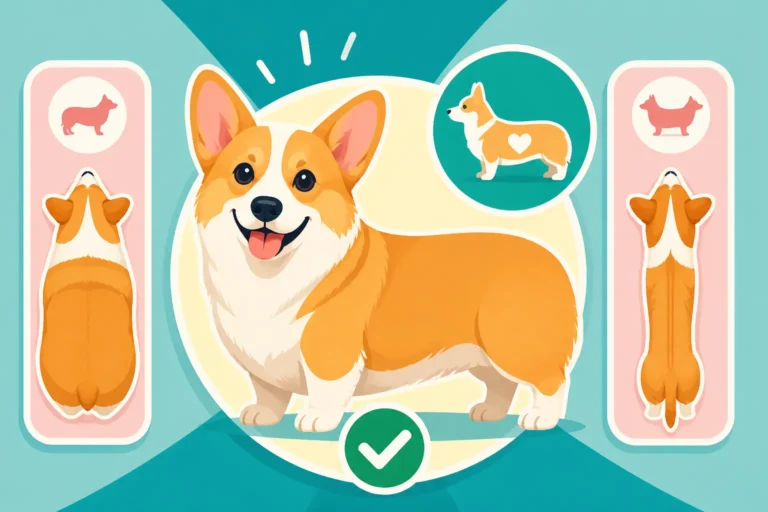
The Body Condition Score (BCS) is a crucial tool, far more insightful than just looking at the number on the scale. For Corgis, with their dense double coats, it can be deceptively easy to miss weight gain until it’s severe. A Corgi might look "round" and cuddly, but that can mask a dangerous amount of fat. To properly assess your Corgi, you need to use your hands. Run your hands along their sides. You should be able to feel their ribs with slight pressure, like feeling the knuckles on your hand, but not see them protruding. There should be a noticeable waist when you look down at them from above, a slight hourglass shape, and an abdominal tuck when viewed from the side.
Many Corgi owners struggle with Feeling for Ribs Through a Corgi's Undercoat because that plush fur can hide a lot. Don't be shy about getting your hands on them regularly. If you feel a thick layer of fat before you feel the ribs, or if their waistline has vanished into a straight or bulging line from ribs to hips, they are likely overweight. Your vet can give you a definitive assessment and guide you on what The Body Condition Score a Corgi Should Hold they should ideally maintain. This regular, tactile check is vital for early detection of weight creep.
Calculating a Starting Point for Calorie Reduction
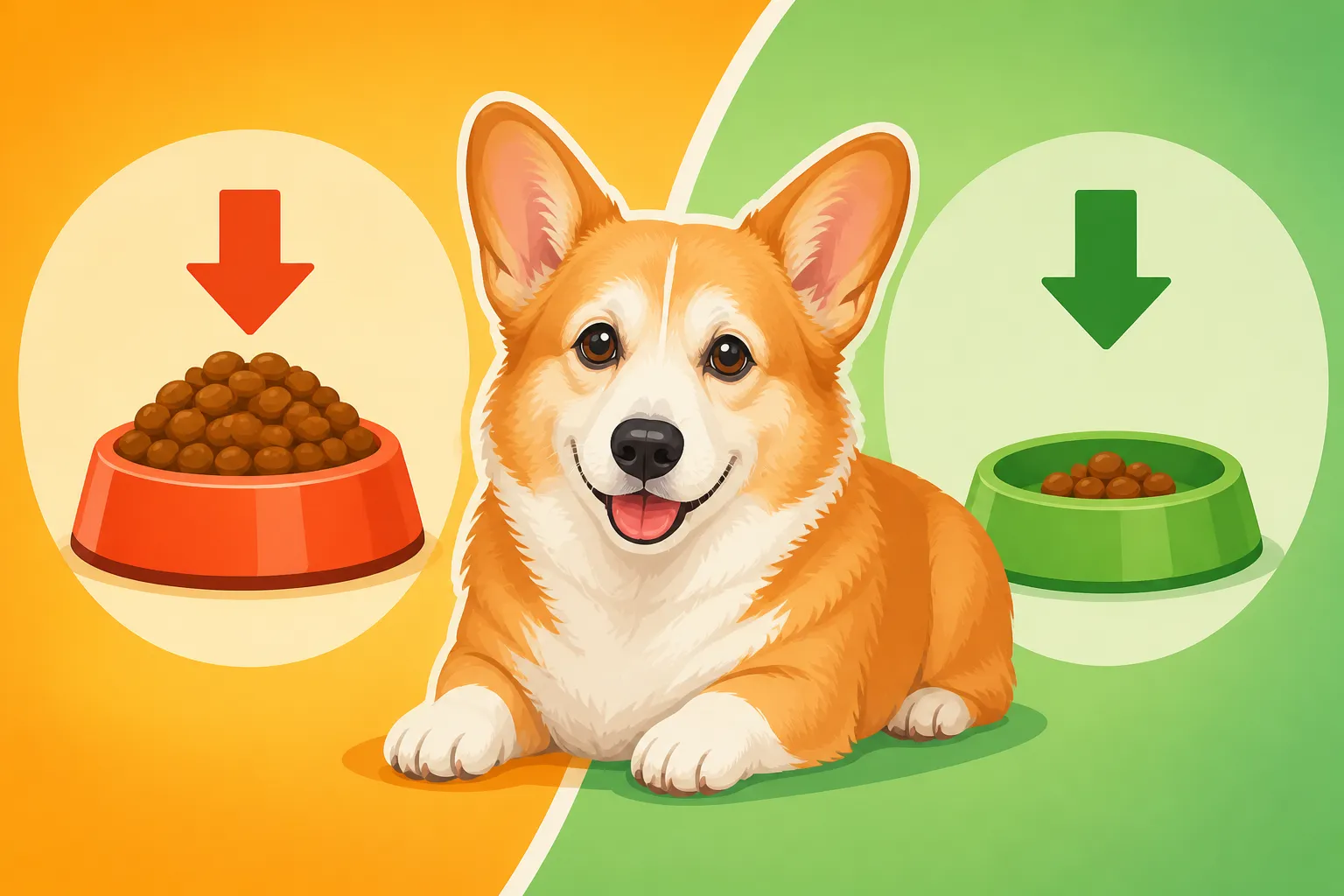
Once you've assessed their current condition, the next step is to determine a sensible calorie target. This is not a one-size-fits-all calculation. Your veterinarian is your best resource here, as they can factor in your Corgi's specific health conditions, current weight, ideal weight, and activity level. They might recommend starting with a 10-20% reduction from their current intake. It's always better to make gradual changes rather than drastic cuts, which can lead to nutritional deficiencies or an unhappily hungry dog.
You'll need to know the calorie content of your Corgi's current food, which is usually listed on the packaging in kcal/cup or kcal/kg. From there, you can calculate how much less food corresponds to your new target calorie intake. If your Corgi is on the heavier side of the scale, say pushing 35 pounds when a healthy Pembroke might be closer to 28, the reduction needs to be carefully managed. Remember, How Little an Adult Corgi Actually Eats can be surprising, and small adjustments often yield significant results over time. Consistency is key, and regular weigh-ins at home (if you have a pet scale, or by weighing yourself, then yourself holding the dog, and subtracting) or at your vet's office will help you track progress.
Practical Strategies for Reducing Calories Without Sacrificing Nutrition
Cutting calories for an older Corgi isn't just about feeding less; it's about feeding smarter. We want to ensure they still receive all the vital nutrients they need for their aging bodies, just in a more calorie-controlled package.
Choosing the Right Food for an Older Corgi
The market is full of specialized senior dog foods, and for good reason. These formulas are typically designed with lower calorie counts, often achieved by reducing fat, but maintaining appropriate protein levels to support muscle mass, which can naturally decline with age. They also tend to include ingredients that support joint health, like glucosamine and chondroitin, and higher fiber content to help your Corgi feel fuller for longer. Always read the labels carefully and look for foods specifically formulated for "senior" or "weight management."
When selecting food, consider reputable brands that conduct thorough research and provide clear nutritional information. You can often find a wide selection of senior-specific kibbles on platforms like Chewy, allowing you to compare ingredients and nutritional breakdowns easily. Some owners also explore fresh-delivered meal services, such as Ollie, which can offer precisely portioned, human-grade food tailored to your dog's age and weight goals. The key is to find a food that your Corgi enjoys, provides complete and balanced nutrition, and helps manage their weight. If your vet suggests a prescription diet, that's another important avenue to explore, as these are scientifically formulated for specific health needs, answering the question of Whether a Corgi Needs a Vet Diet or Just Less.
Smart Feeding Practices and Portion Control
This is where consistency truly shines. Free-feeding, where food is left out all day, is a recipe for weight gain, especially in Corgis who often have an insatiable appetite. Instead, commit to portion-controlled meals, ideally two smaller meals a day. And when we say portion-controlled, we mean it. Eyeballing the scoop is often inaccurate. Invest in a digital kitchen scale (easily found on Amazon) and Why a Corgi's Food Is Weighed, Not Scooped to the gram. This ensures that every meal provides precisely the calorie count you've determined with your vet.
Dividing their daily allowance into two or even three smaller meals can also help manage hunger throughout the day. This is especially helpful if your senior Corgi tends to get antsy or vocal around meal times. Smaller, more frequent meals can keep their blood sugar more stable and prevent that "starving" feeling that leads to begging. For Corgis who eat quickly, consider using a slow-feeder bowl or a puzzle feeder to make mealtime last longer and provide some mental engagement, which ties into Whether Two Meals Beats One for a Corgi for satiety.
Rethinking Treats and Table Scraps
This is perhaps the biggest hurdle for many Corgi owners, especially when those adorable, soulful eyes are staring up at you. Treats and table scraps are hidden calorie bombs that can derail even the most carefully planned diet. A small piece of cheese or a bite of your dinner might seem insignificant, but for a Corgi, whose overall calorie needs are relatively low, these add up quickly. It's important to remember that most commercial treats are calorically dense and offer little nutritional value.
Instead, completely rethink your approach to treats. Many fruits and vegetables can be fantastic, low-calorie alternatives. Carrot sticks, green beans, apple slices (without seeds), or blueberries are often a hit with Corgis and provide beneficial fiber and vitamins. You can even use small portions of your Corgi's own daily kibble as training rewards throughout the day. This way, any "treats" are already accounted for in their overall calorie budget, which is crucial for Treats Priced Into a Corgi's Daily Ration. If you're wondering Whether Carrot Sticks Satisfy a Corgi, often the act of receiving something and the crunch is enough for them. If your Corgi is a persistent beggar, consider a firm "no" and redirect their attention with a short play session or a designated chew toy.
Keeping Your Senior Corgi Active and Engaged
While calorie reduction is key, maintaining appropriate physical and mental activity is equally important for your senior Corgi's overall health and weight management. It helps burn calories, keeps muscles strong, and supports their mental well-being.
Gentle Exercise for Aging Joints
As Corgis age, their joints may become stiffer, and conditions like arthritis can make vigorous exercise painful. This doesn't mean they should become couch potatoes! Instead, focus on gentle, low-impact activities that keep them moving without putting undue stress on their back and joints. Shorter, more frequent walks are often better than one long excursion. A 15-minute stroll a few times a day can be far more beneficial and comfortable than a single 45-minute trek. Pay attention to how they move and don't push them beyond their comfort level.
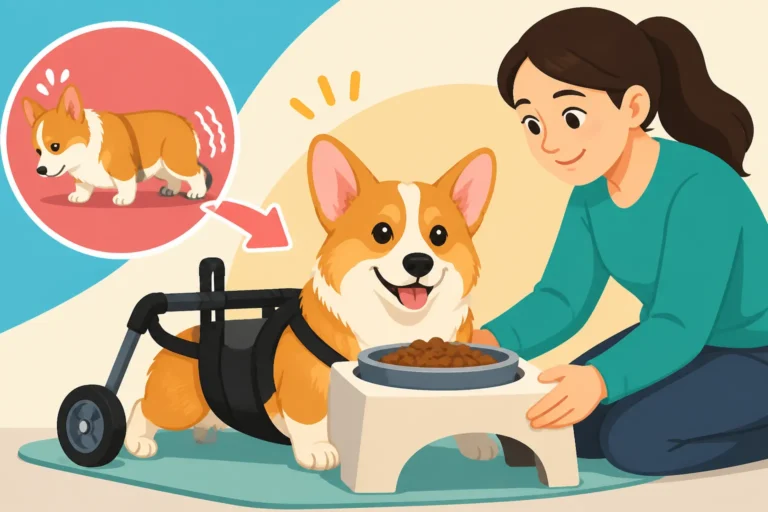
Swimming can be an excellent option if accessible and your Corgi enjoys it, as it provides a full-body workout without any impact on their joints. Many veterinary rehabilitation centers offer hydrotherapy, which is essentially guided swimming or underwater treadmill sessions. This not only burns calories but also helps build and maintain muscle mass, crucial for supporting their spine. Even simple, controlled play in the yard with a soft toy can provide beneficial movement. If you're exploring options for physical therapy, remember that Physiotherapy for a Corgi Losing Its Legs or Hydrotherapy for a Corgi Recovering From Surgery can be incredibly valuable for maintaining mobility and combating weight gain in older Corgis.
Mental Stimulation to Maintain Well-being
An older Corgi might not be able to chase a ball for hours, but their minds are still active and eager for engagement. Mental stimulation is just as important as physical exercise for calorie expenditure and overall happiness. Puzzle toys, where your Corgi has to figure out how to get treats (using their kibble, of course!), can keep them occupied and thinking. Snuffle mats, where food is hidden in fabric strips, engage their natural scenting abilities and make mealtime an enriching experience. These activities make them "work" for their food, burning a few extra calories and providing immense satisfaction.
Short, positive training sessions can also be highly beneficial. Practicing familiar commands or even teaching them a new, simple trick engages their brain and reinforces your bond. Scent work, where they use their powerful noses to find hidden treats or toys, is a fantastic low-impact activity that senior Corgis often excel at. This type of activity doesn't put any strain on their joints but provides significant mental exertion. Consider that Scentwork as a Sport That Spares a Corgi's Back can be a perfect fit for a Corgi entering their senior years, keeping them sharp and happy.
Comparison of Weight Management Strategies
Here’s a quick overview of approaches to manage an older Corgi’s weight:
| Strategy | Description | Key Benefits | Considerations |
|---|---|---|---|
| Dietary Adjustment | Reduce calorie intake, switch to senior/weight management food. | Primary driver for weight loss, improved health. | Must ensure complete nutrition; gradual changes. |
| Precise Portioning | Weighing food, dividing into smaller, frequent meals. | Prevents overfeeding, better hunger management. | Requires consistency and accurate measurement. |
| Healthy Treats | Replace high-calorie treats with low-calorie vegetables/fruit or kibble. | Reduces hidden calories, provides fiber. | Avoid sugary fruits; check for safe options. |
| Gentle Exercise | Shorter walks, swimming, controlled play, hydrotherapy. | Maintains muscle mass, joint flexibility, burns calories. | Adapt to Corgi's mobility; avoid high-impact. |
| Mental Stimulation | Puzzle toys, snuffle mats, scent work, short training. | Engages brain, prevents boredom, slight calorie burn. | Use daily kibble in puzzles to avoid extra calories. |
| Regular Vet Check-ups | Monitor weight, discuss diet, rule out underlying medical issues. | Essential for personalized advice and health monitoring. | May involve diagnostic tests; follow vet's advice. |
Remember, managing an older Corgi's weight is a marathon, not a sprint. It requires patience, consistency, and a deep understanding of their changing needs. By working closely with your veterinarian and implementing these strategies, you can help your beloved Corgi enjoy their golden years in comfort and health.
Disclaimer
This article is for general informational purposes only and does not constitute professional advice. Laws, prices and regulations vary by location and change over time. Consult a qualified professional for guidance on your specific situation.