Brushing Along a Corgi’s Back Teeth
One of the biggest silent battles many Corgi owners face is keeping those adorable, low-slung pups healthy from nose to tail – and that includes their teeth! Specifically, brushing along a Corgi's back teeth can feel like an impossible mission, leading to frustration and often, neglected dental health. This comprehensive guide will walk you through why those molars are so important, how to make brushing a positive experience, and the best techniques to ensure your Corgi's pearly whites stay in tip-top shape.
The Hidden Danger of Neglected Corgi Back Teeth
It's easy to focus on the front teeth, the ones you see when your Corgi gives you that characteristic grin or boops you with their nose. But the real trouble often brews unseen, in the back of their mouth. These are the workhorses of chewing, and unfortunately, they're also the perfect hiding spots for plaque and tartar. Over time, this buildup can lead to serious health issues, causing pain, infection, and even impacting their overall well-being.
Why Corgi Mouths Are Prone to Trouble
Corgis, with their somewhat compact heads and often crowded mouths, can be more susceptible to dental issues than some other breeds. Their teeth can sit closer together, creating little nooks and crannies where food particles and bacteria love to hide, especially on those flat grinding surfaces of the molars. Think about trying to clean a tightly packed bookshelf – it's just harder to reach everything effectively. This anatomical predisposition means we, as Corgi parents, have to be extra diligent. It’s not just about bad breath; it’s about preventing serious oral pain and systemic health problems down the line. We often fret about their backs, and rightly so, but dental health is just as critical for their quality of life. Corgi Dental Disease is a silent threat that can manifest in painful ways if not addressed.
The Silent Progression of Dental Disease
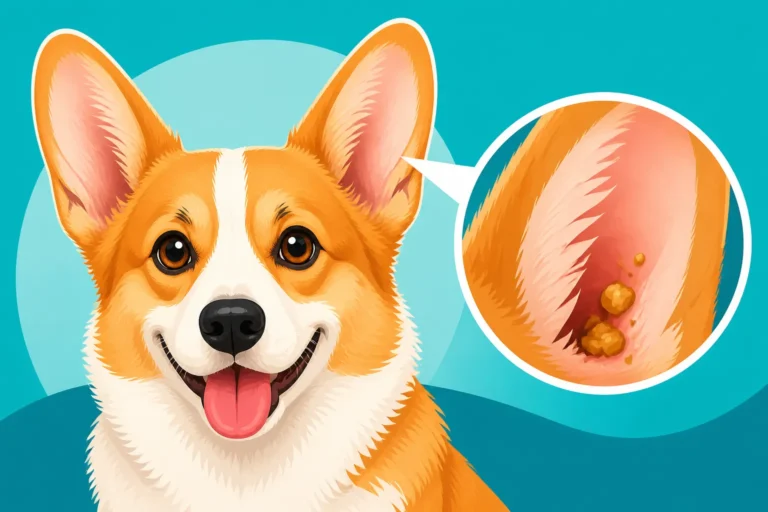
Dental disease in dogs, much like in humans, doesn't happen overnight. It starts subtly. First, soft plaque forms on the tooth surface. If not brushed away, this plaque hardens into tartar – that yellowish-brown crust you might notice on your Corgi's teeth. Once tartar forms, it's virtually impossible to remove with a toothbrush alone; professional veterinary cleaning becomes necessary. The problem is, this tartar also accumulates under the gum line. This leads to gingivitis (inflamed gums), which can progress to periodontitis, where the supporting structures of the tooth are destroyed. This stage is incredibly painful, leading to loose teeth, abscesses, and even bone loss in the jaw. And it’s those back molars, out of sight and harder to reach, that are often the first and worst affected. You might not notice your Corgi is in pain until the disease is quite advanced, as dogs are masters at hiding discomfort. Tartar and Tooth Loss in an Older Corgi can be devastating, making eating difficult and impacting their joyful demeanor.
Building a Brushing Routine: From Puppyhood On
The idea of brushing your Corgi's teeth might sound daunting, especially if your dog isn't exactly thrilled about having your fingers in their mouth. But with patience, positive reinforcement, and starting early, it's absolutely achievable. Think of it as another bonding activity, like grooming or a gentle belly rub.
Starting Early: Acclimation and Positive Association
The absolute best time to introduce tooth brushing is when your Corgi is a puppy. Their little puppy brains are sponges, and they're generally more open to new experiences. Start by simply touching their muzzle, then gradually lift their lip for a second. Reward them immediately with praise and a tiny, high-value treat. Over days or weeks, progress to touching their gums with your finger, then introduce a tiny bit of canine-specific toothpaste (never human toothpaste!). Let them lick it off your finger. The goal here is to make it a positive, non-threatening experience. Short, frequent sessions (even just 10-15 seconds) are far more effective than one long, stressful struggle. This early exposure, even before they have their full adult teeth, lays the groundwork for a lifetime of easier dental care. Remember, The Vet Visits a Corgi Puppy Needs First are crucial for overall health, and discussing dental care with your vet early on is a smart move.
Overcoming Resistance: Patience is Key
If your Corgi is already an adult and hasn't had much dental attention, don't despair! It's never too late to start, but you'll need even more patience. They might be wary, or even a bit defensive, especially if they already have some discomfort in their mouth. Again, begin with simple touches, associating it with positive rewards. If they pull away, stop, but don't punish. Wait a moment, then try again gently. You might need to break down the process into even smaller steps:
- Step 1: Just touching their muzzle.
- Step 2: Lifting their lip.
- Step 3: Touching their gums with your finger.
- Step 4: Introducing the taste of the toothpaste.
- Step 5: Briefly touching the toothbrush to their front teeth.
- Step 6: Gradually moving to the back.
Each step earns a reward. This might take days, weeks, or even months. Consistency is your superpower here. Try to brush at the same time each day so it becomes a predictable part of their routine. Some Corgis might do better with you sitting on the floor with them, others standing, or even in your lap. Find what makes them most comfortable and least stressed.
Essential Tools for Effective Corgi Dental Care
Having the right equipment makes a world of difference when you're tackling those hard-to-reach back teeth. You wouldn't use a scrub brush to clean delicate china, and similarly, the right tools are crucial for your Corgi's mouth.
Choosing the Right Toothbrush
The market offers a bewildering array of dog toothbrushes, and it can be tough to know where to start. For Corgis, with their smaller mouths, a few options stand out:
- Finger Brushes: These slip over your finger and have soft bristles. They're excellent for getting your Corgi used to the sensation of brushing and allow for a good tactile connection. However, they might not be long enough or rigid enough to effectively reach and scrub those far-back molars with sufficient pressure.
- Long-Handled Pet Toothbrushes: These are typically double-ended, with a larger brush on one side and a smaller one on the other. The angled head and longer handle can be very helpful for reaching the back of the mouth. Look for soft bristles that won't irritate your Corgi's gums. Many reputable brands offer these, and you can find a good selection on platforms like Chewy or Amazon.
- Electric/Sonic Toothbrushes for Dogs: Yes, these exist! They vibrate at high speeds to break up plaque. While effective, they can be intimidating for some dogs due to the noise and vibration. If you go this route, introduce it very slowly, letting your Corgi get used to the sound and feel outside of their mouth first, then gently touching it to their teeth without toothpaste, and gradually adding the full routine.
Here's a quick comparison of common toothbrush types:
| Toothbrush Type | Pros | Cons | Ideal For |
|---|---|---|---|
| Finger Brush | Gentle, good for acclimation, allows feel | Hard to reach back molars effectively, less scrubbing power | Puppies, sensitive dogs, initial training |
| Long-Handled Brush | Good reach, various sizes, effective scrubbing | Can be bulky for very small mouths, requires manual effort | Most adult Corgis, thorough manual cleaning |
| Electric/Sonic | Highly effective at plaque removal | Noise/vibration can scare some dogs, higher cost | Dogs accustomed to brushing, maximum plaque disruption |
Toothpaste: Canine-Specific is Crucial
This is non-negotiable: always use toothpaste specifically formulated for dogs. Human toothpaste contains fluoride, xylitol, and other ingredients that are toxic to dogs if ingested (which they will be, since dogs don't rinse and spit!). Canine toothpastes come in appealing flavors like chicken, beef, peanut butter, or even mint, making the experience more pleasant for your Corgi. The enzymes in many dog toothpastes also help break down plaque, offering an extra layer of protection. You can find excellent options from various brands at your local pet store or through online retailers like Chewy.
Beyond the Brush: Supplementary Aids
While brushing is the gold standard, there are other tools that can help support your Corgi's dental health, especially for those hard-to-reach areas or on days when a full brush isn't feasible.
- Dental Chews: These can help scrape plaque off teeth as your dog chews. Choose chews that are appropriately sized for your Corgi and are designed to be digestible and safe. Look for VOHC (Veterinary Oral Health Council) approved products, as these have been scientifically proven to reduce plaque and tartar. Chews That Suit a Corgi's Bite should be chosen carefully to avoid tooth fractures or digestive upset.
- Water Additives: Some products can be added to your Corgi's drinking water to help reduce bacteria and freshen breath. While these are convenient, they are generally considered supplementary and not a replacement for brushing.
- Dental Diets: Certain kibbles are specifically designed with larger, fibrous kibble pieces that physically scrub the teeth as your Corgi chews. These can be beneficial, particularly if your Corgi is resistant to brushing. Talk to your vet about whether a prescription dental diet like Hill's T/D or Royal Canin Dental might be a good fit for your dog. Even some fresh food options, like those offered by Ollie, emphasize wholesome ingredients which can contribute to overall health, but the mechanical action of brushing is still key for dental cleanliness.
Mastering the Technique for Those Tricky Molars
Now for the main event: actually getting to those back teeth. It requires a bit of technique, patience, and understanding of your Corgi's anatomy and temperament.
Positioning Your Corgi for Success
How you position your Corgi can make or break your brushing session. You want them to feel secure and comfortable, not trapped.
- Lap Position: For smaller or very compliant Corgis, sitting on your lap with their back to your chest can work well. This gives you good control over their head with one hand while you brush with the other.
- On the Floor Between Your Legs: If your Corgi is a bit squirmier or larger, sitting on the floor with them gently positioned between your legs can provide stability. You're not holding them down, just creating a secure space.
- Counter or Table (with caution): Some Corgis are accustomed to being on a grooming table or vet exam table. If this is the case, it might work, but always ensure their safety and prevent falls. This can put them at a good height for you.
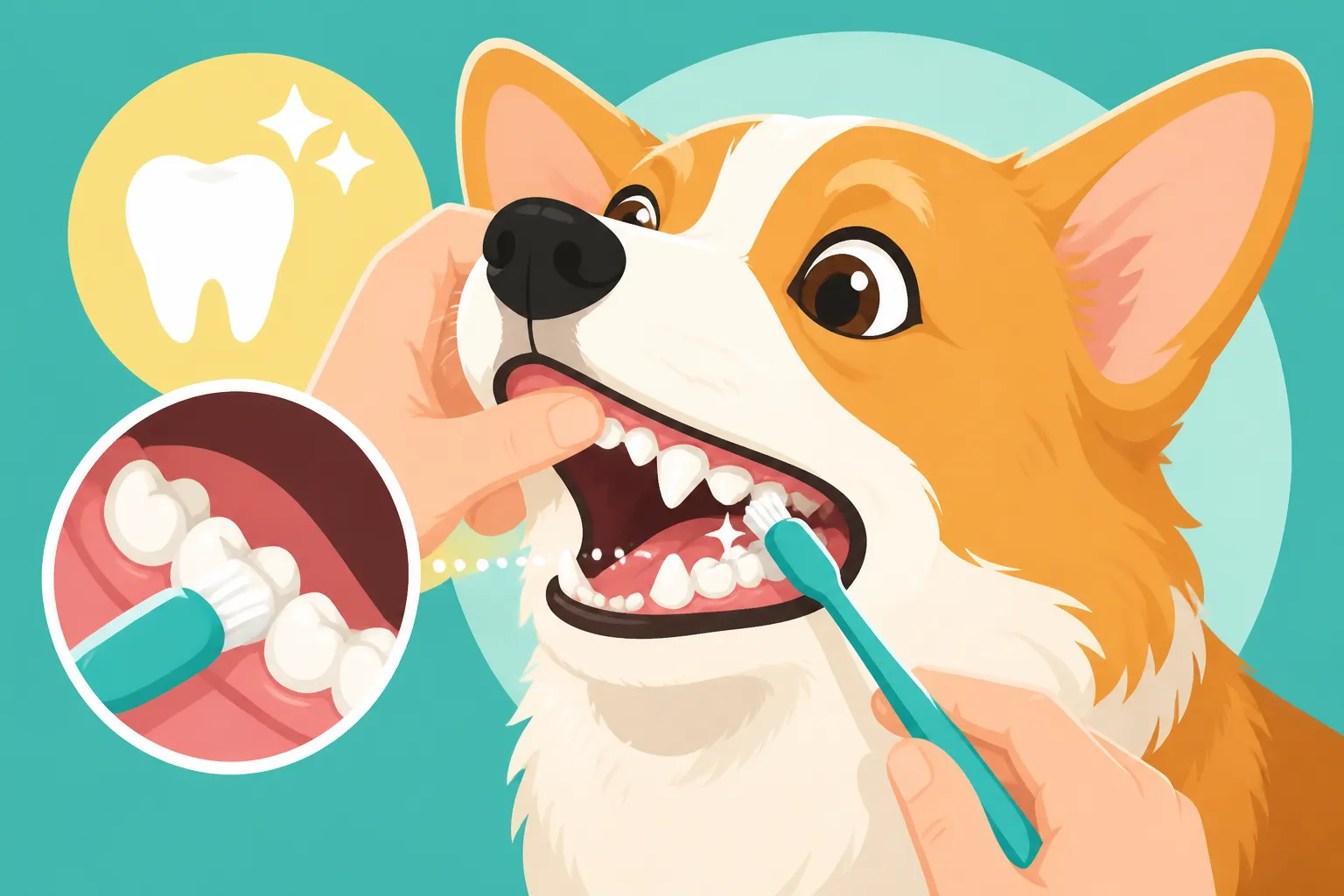
Once positioned, use one hand to gently lift their lip, exposing the upper molars. For the lower molars, you might need to gently pull down their lower lip. Speak to them in a calm, reassuring voice throughout the process.
Targeting the Back Teeth: Angle and Pressure
When you’re ready to brush, remember these key points for those tricky molars:
- Angle the Brush: Don't just brush across the flat tops of the teeth. The most crucial area to clean is where the tooth meets the gum line. Angle the bristles at a 45-degree angle to gently sweep under the gum line. This is where plaque and bacteria gather, leading to gum disease.
- Circular Motions: Use small, gentle circular motions. Imagine you're polishing each tooth, one by one. Don't scrub aggressively, as this can irritate the gums.
- Focus on the Outside: Most of the dental disease occurs on the outer surfaces of the teeth, facing the cheek. While ideally you'd brush the inside too, getting the outer surfaces of all teeth, especially the molars, is your primary goal.
- Work Your Way Back: Start with the teeth closer to the front that are easier to access. Once your Corgi tolerates that, gradually move further back along their jaw to the molars. You might need to gently hold their muzzle closed enough to prevent them from chomping down, but not so tightly that they feel distressed. You'll be brushing behind the large canine tooth and all the way to the back of their mouth where the largest grinding teeth are. These are often where Plaque on an Older Corgi's Molars is most severe.
- Short Sessions: Aim for at least 30 seconds per side, working your way up to two minutes total if your Corgi tolerates it. It's better to do a quick, positive session daily than a long, stressful one once a week.
Consistency and Reward
Brushing needs to be a regular habit. Daily is ideal, but even three times a week is significantly better than nothing. After each session, no matter how brief or imperfect, reward your Corgi generously. This could be their favorite treat, a quick game of fetch, or enthusiastic praise. The goal is for them to associate tooth brushing with positive outcomes, making them more cooperative for future sessions. This consistency is just as vital as What Keeping a Corgi's Teeth Clean Costs, because regular care can prevent more expensive interventions later. If, despite your best efforts, you notice significant tartar buildup, red or bleeding gums, or your Corgi is showing signs of pain like reluctance to eat hard food or pawing at their mouth, it's time for a professional dental check-up. This might involve Pre-Anesthetic Testing on a Corgi That Bleeds and potentially Dental Sedation on a Corgi That Bleeds for a thorough cleaning. Don't wait until your Corgi needs Soft Food for a Corgi With Bad Teeth. Regular annual vet check-ups should include a dental assessment. The Annual Exam Where a Corgi's Back Gets Checked is also a great time to have their teeth thoroughly looked at.
Disclaimer
This article is for general informational purposes only and does not constitute professional advice. Laws, prices and regulations vary by location and change over time. Consult a qualified professional for guidance on your specific situation.