Carrying a Corgi Puppy Up and Down
The sight of a little Corgi puppy wobbling around your home is pure joy, but many new Corgi parents find themselves wrestling with a crucial question: how do I keep this tiny, low-slung bundle safe from injury, especially when it comes to navigating stairs or jumping off furniture? This guide will dive deep into the specific vulnerabilities of Corgi puppies and offer practical, empathetic advice on how to safely carry them, set up your home, and prevent lifelong spinal issues.
Why Carrying a Corgi Puppy is So Important and Often Overlooked
It’s easy to look at a Corgi puppy, with their sturdy appearance and boundless energy, and think they're built for anything. After all, they’re working dogs! But their unique physical structure, while charming, also comes with inherent fragilities, particularly in their developing spine and joints. Ignoring these during their crucial growth phases can set the stage for serious health issues down the line.
The Fragile Foundation: Corgi Anatomy and Growth
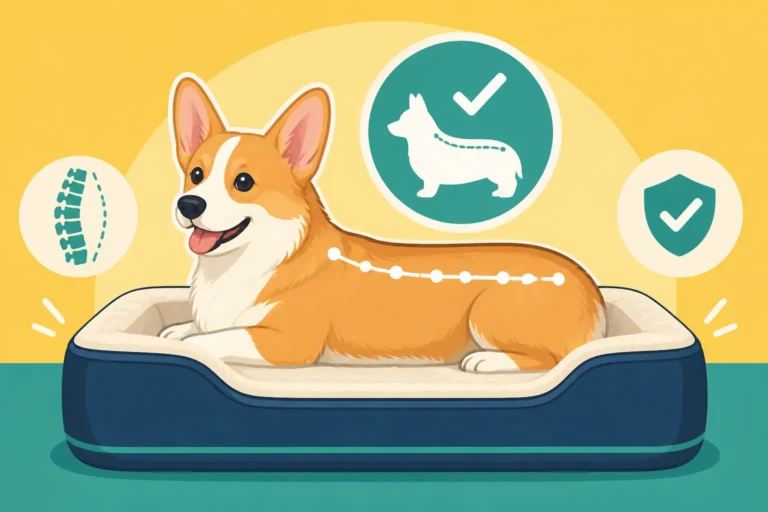
Corgis are what we call a "chondrodystrophic" breed, which means they have a genetic predisposition for dwarfism that results in those wonderfully short legs and long backs. While adorable, this specific bone and cartilage development means their intervertebral discs are different from many other breeds. Instead of being soft and jelly-like, Corgi discs start to harden and mineralize at a much younger age, sometimes even before their first birthday. This process, which you might read about when learning What Chondrodystrophy Means for a Corgi, makes them much more susceptible to conditions like Intervertebral Disc Disease (IVDD) where discs can rupture or herniate.
Think of a growing Corgi puppy like a little building under construction. All the girders and supports are still being put into place, and the cement is still drying. Any undue stress – a hard landing from a jump, a sudden twist, or repeated jarring – can cause microscopic damage or undue strain on those still-developing discs and growth plates. Their little bodies aren't yet fully robust, and the very structure that makes them so endearing also makes them vulnerable. You wouldn't let a toddler lift heavy weights, and similarly, you shouldn't let a Corgi puppy put undue strain on their still-forming spine. Many people wonder Whether a Corgi Puppy's Legs Straighten Out as they grow, and while some minor bowing can improve, the fundamental skeletal structure remains.
Preventing Early Injury: The Long-Term Stakes
The sad truth is that a single ill-advised jump or fall during puppyhood can have ripple effects that last a Corgi's entire life. We often hear stories of Corgis developing debilitating back problems in their middle to senior years, and while genetics certainly play a role, environmental factors during puppyhood are huge contributors. An early injury might not manifest immediately as a full-blown slipped disc, but it can weaken the structural integrity of the spine, making it more prone to issues later on.
Imagine the devastation of seeing your beloved Corgi suddenly unable to use their back legs, a common symptom when The Corgi Years When the Back End Gives Out arrive prematurely due to disc issues. The financial and emotional toll of dealing with spinal surgery, long periods of crate rest, and rehabilitation can be immense. By taking precautions now, while your Corgi is still a puppy, you are actively investing in their long-term health and mobility. It’s about more than just avoiding an immediate trip to the emergency vet; it's about safeguarding their comfort and quality of life for years to come.
The Right Way to Pick Up and Carry Your Corgi Puppy
Learning the proper technique for picking up and carrying your Corgi puppy is one of the most fundamental skills any Corgi owner can master. It's not just about convenience; it's a vital part of protecting their delicate spine from twists, jolts, and unsupported movements. This simple act, done correctly, can prevent a world of pain for your furry friend.
Proper Technique for Safe Lifting
When you need to pick up your Corgi puppy, always approach them calmly and ensure they know you're there. The key is to support their entire body, distributing their weight evenly and preventing any sag or arch in their back.
Here’s how to do it:
- Get Low: Bend down to their level rather than reaching down from a standing position. This reduces the distance they need to be lifted and makes them feel more secure.
- One Hand Under the Chest: Gently slide one hand underneath their chest, between their front legs, supporting their sternum and rib cage.
- The Other Hand Under the Rump: Place your other hand under their hindquarters, making sure to support their pelvis and hind legs.
- Lift Evenly and Smoothly: Using both hands, lift them straight up, keeping their back level and straight. Avoid twisting motions or letting their hind end dangle unsupported. Think of it like a little plank of wood – you want to keep it flat.
This technique, which you can also apply when Picking a Corgi Up Without Hurting It as an adult, ensures their spine is fully supported and minimizes any strain on their intervertebral discs. It might feel a bit awkward at first, but with practice, it becomes second nature. Never pick them up by their front legs, by one arm, or by the scruff of their neck. These methods can cause serious injury to their shoulders, elbows, and spine.
Carrying Up Stairs and Over Obstacles
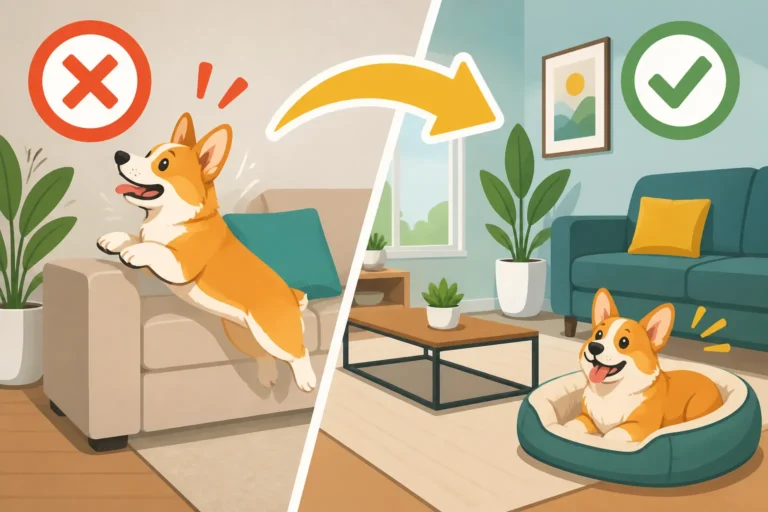
Stairs are a major culprit for Corgi spinal issues, even for puppies. Their short legs and long bodies are simply not designed for the repetitive impact and twisting motion of ascending or descending stairs. The same goes for jumping on or off furniture. For a Corgi puppy, a single jump off a sofa can be equivalent to a human jumping from a significant height.
Therefore, the rule for Corgi puppies is simple: always carry them up and down stairs. When carrying them, hold them close to your body, ensuring their back remains supported and they feel secure. This isn't just for their physical safety; it also helps build trust and makes them feel safe in your arms. Similarly, always lift them onto and off sofas, beds, or other elevated surfaces. Even if they try to leap, gently intervene and lift them. You'll thank yourself years down the line when their back is still healthy. You can always introduce them to ramps later, but for puppies, carrying is best.
When to Start Weaning Off Carrying and How
While carrying is essential for puppies, you won't need to carry them everywhere forever. As your Corgi matures and their skeletal structure becomes more robust (typically around 12-18 months of age, but always consult with your vet), you can start introducing them to safer alternatives. However, the goal isn't to let them jump freely, but rather to teach them how to navigate their environment safely.
This is where tools like ramps and steps come in. Start training them early to use a ramp for getting onto the sofa or bed. Place the ramp in a low-stress area and use treats and praise to encourage them to walk up and down it. Teaching a Corgi to Use a Ramp takes patience, but it’s a skill that will protect their back for life. For stairs, especially steep ones, carrying often remains the safest option even for adult Corgis. If you do eventually allow them on very shallow, carpeted stairs, always supervise them closely. The general rule of thumb is to avoid any activity that involves high-impact jumps or twisting of the spine.
Creating a "Corgi-Safe" Environment at Home
Bringing home a Corgi puppy means more than just buying cute toys and a comfy bed; it means proactively adapting your living space to protect their unique physical needs. A Corgi-safe home minimizes risks, encourages safe movement, and gives you peace of mind. Many of the considerations you'd make when Setting a House Up for a Corgi Puppy revolve around preventing back injuries.
Ramps and Steps: Essential Home Modifications
One of the best investments you can make for your Corgi's long-term spinal health is strategically placed ramps and pet steps. These tools eliminate the need for jumping, which is a major no-no for Corgis. Imagine a small Corgi puppy attempting to launch itself from the arm of your sofa – the force on its delicate spine is immense!
- Sofa and Bed Ramps/Steps: Place these next to any furniture your Corgi is allowed on. Look for sturdy options that don't wobble, with a non-slip surface. Brands like Chewy and Amazon offer a wide array of choices, from carpeted ramps to plastic steps, at various price points. Getting one they feel comfortable using from an early age is key.
- Car Ramps: If your Corgi will be riding in the car frequently, a car ramp is invaluable. It saves you from having to lift them in and out, which can become challenging as they grow, and also protects your back! Plus, it means no more risky leaps from the tailgate.
- Benefits: These ramps aren't just for adult Corgis; they train puppies from day one that jumping is not the way to get up or down. This consistency helps them build good habits and reinforces spinal protection.
Managing Stairs and High Surfaces
While ramps are fantastic for furniture, stairs present a different challenge. For a Corgi puppy, stairs are an absolute no-go. Even one tumble down a flight of stairs can cause catastrophic injury.
- Baby Gates: The simplest and most effective solution for stairs is to install sturdy baby gates at the top and bottom of every staircase. This completely blocks access and removes the temptation. There are many gate options available on Amazon that don't require permanent wall mounts, perfect for renters.
- Designated "Ground" Areas: Ensure your puppy has comfortable, accessible places to rest and play that don't involve climbing or jumping. This might mean placing their bed in a living room corner, or having a dedicated playpen in a safe, flat area.
- Consistency is Key: Every member of the household must be on board with the "no jumping, no stairs" rule. A single exception can undo weeks of training and put your Corgi at risk. This also applies to things like Whether a Corgi Should Ever Jump Off a Sofa – the answer is a resounding no, especially for puppies.
Puppy-Proofing Beyond Jumps
Protecting your Corgi's back goes beyond just preventing jumps. Their low stature means they're closer to the ground, which comes with its own set of considerations.
- Slippery Floors: Hardwood, tile, or laminate floors can be incredibly dangerous for Corgis. Their short legs and long bodies can easily slip and splay, leading to hip, knee, or spinal injuries. Cover these areas with non-slip rugs or runners, particularly in high-traffic zones or around furniture. Floors and Rugs That Stop a Corgi Slipping are not just a luxury; they are a necessity for Corgi homes.
- Appropriate Play: While Corgi puppies are full of zoomies, make sure their play is appropriate and supervised. Avoid games that involve excessive twisting, high jumps, or rough tumbles, especially with larger dogs. Focus on games like fetch on a soft surface or scent work.
- Diet and Weight Management: While not directly about carrying, a healthy weight is paramount for a Corgi's back. An overweight Corgi puts more strain on its spine, making it even more susceptible to injury. Establish good feeding habits early, carefully measuring their food, and choosing high-quality nutrition. Some owners opt for fresh food options like Ollie to ensure precise calorie control and excellent nutrition for healthy bone and muscle development, which indirectly supports spinal health. For more on puppy exercise, consider How Far a Corgi Puppy Should Walk at Four Months to ensure you're not overdoing it.
Common Misconceptions and What to Avoid
Even with the best intentions, Corgi owners can sometimes fall into common traps or hold onto misconceptions about their unique breed. Understanding and debunking these can further safeguard your puppy's health.
"They're Built Low, So They're Fine!"
This is perhaps the biggest and most dangerous misconception. Many people assume that because Corgis are naturally short, they are somehow impervious to height-related injuries. "They're already close to the ground, so a little jump won't hurt, right?" Wrong. Their short legs are a result of chondrodystrophy, a developmental condition that also predisposes them to disc degeneration. It's not a protective feature against impact.
Imagine dropping a short, brittle stick versus a longer, flexible one. The shorter, more rigid stick is more likely to snap under stress. Corgis' spines are long and relatively rigid due to their disc structure, and even a small drop from a sofa or bed creates a sudden, jarring compression that those discs are not equipped to handle safely. The impact doesn't dissipate as effectively as it would in a dog with a more flexible spine and longer legs. Every jump adds microtrauma, gradually weakening those already vulnerable discs, increasing the likelihood that The Age Corgi Disc Problems Usually Appear will come sooner rather than later.
Roughhousing and Unsupervised Play
While it's wonderful to see your Corgi puppy playing with enthusiasm, unsupervised or overly rough play, especially with larger dogs or rambunctious children, can be a recipe for disaster. Corgis love to herd, chase, and tumble, but a sudden collision, a hard twist, or being jumped on can cause significant spinal trauma.
Teach children how to interact gently with your Corgi, always ensuring they understand the dog's back is delicate. Supervise playdates with other dogs closely. If play becomes too physical, with lots of body slams or uncontrolled jumping, it's time to intervene and redirect to a calmer activity. Remember, you are your puppy's protector, and setting boundaries around safe play is a critical part of that role. Even playing a vigorous game of fetch on an uneven surface or a sudden stop-and-start twist can be problematic for a Corgi's back.
When in Doubt: Consult Your Vet
You know your puppy best, and if something feels off, trust your gut. If your Corgi puppy shows any signs of pain, reluctance to move, yelping when picked up, limping, weakness in their legs, or changes in their gait, don't hesitate. These could be subtle indicators of a spinal issue or another underlying problem.
A quick trip to the vet is always better than waiting and hoping it resolves itself. Early diagnosis and intervention can make a massive difference in the prognosis for spinal injuries. Your veterinarian can assess their mobility, check for pain, and guide you on the best course of action, whether that's conservative management, medication, or further diagnostic imaging. Being proactive with your Corgi's health, especially concerning their back, is the most loving thing you can do.
Disclaimer
This article is for general informational purposes only and does not constitute professional advice. Laws, prices and regulations vary by location and change over time. Consult a qualified professional for guidance on your specific situation.