How Long Between Corgi Baths
It's a question every Corgi parent eventually asks, often while staring at a muddy belly or catching a whiff of something less-than-fresh: "How often should I actually bathe my Corgi?" It can feel like a tricky balance – you want your furry friend to be clean, but you also worry about stripping their coat of essential oils or irritating their skin. This guide aims to clear up the confusion, helping you establish a practical bathing routine that keeps your Corgi healthy and happy.
Understanding the Corgi Coat: Why Frequent Bathing Isn't Always the Answer
Corgis are blessed with a magnificent double coat, a true marvel of natural engineering that served them well as herding dogs in the varied Welsh climate. This coat isn't just for looks; it's a vital part of their overall health and plays a huge role in how often they truly need a full bath.
The Double Coat's Natural Protection
Your Corgi's coat consists of two distinct layers: a soft, dense undercoat that provides insulation, and a coarser, weather-resistant outer coat (often called guard hairs). This combination acts like a personal climate control system, keeping them warm in winter and helping to regulate their temperature in summer. It also provides a natural barrier against dirt, moisture, and minor scrapes. Many people mistakenly think a thick coat means more bathing, but often, the opposite is true if managed correctly. Brushing, rather than bathing, is usually the first line of defense against grime and shedding. If you've ever wondered Why a Corgi Sheds All Year and Not Just Twice, it’s precisely because of this dense undercoat that is constantly turning over.
The Role of Natural Oils
Beneath those layers of fur, your Corgi's skin produces natural oils. These oils are incredibly important for keeping their skin hydrated and healthy, and for maintaining the integrity and water-repellency of their coat. Excessive bathing, especially with harsh shampoos, can strip these vital oils away. When the natural oils are gone, the skin can become dry, itchy, and irritated, potentially leading to more serious skin issues or even exacerbating problems like Itchy Skin Under a Corgi's Undercoat. It’s a common frustration to see your Corgi scratching more after a bath, and often, it’s a sign that the natural balance has been disrupted.
Factors Influencing How Quickly a Corgi Gets Dirty
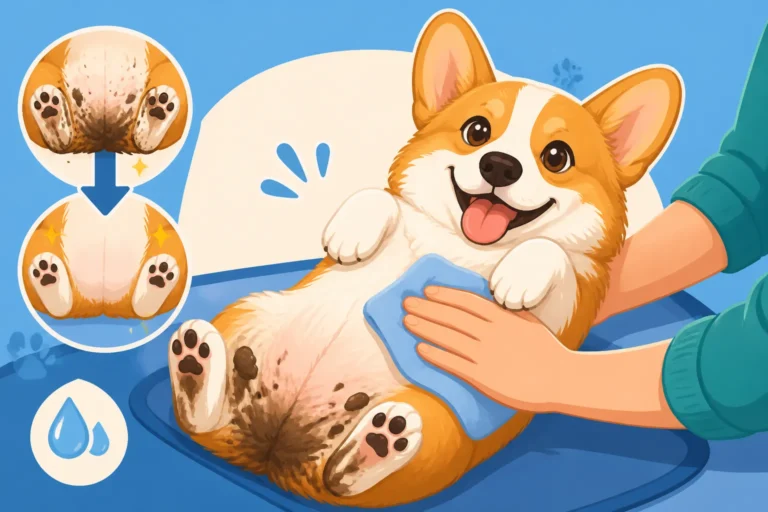
While their coat is great at repelling some dirt, Corgis, with their low-slung bodies, are practically magnets for mud, dust, and debris. Their short legs mean their bellies and undercarriage are in constant contact with the ground. Think about a rainy day walk – your Corgi's "trousers" and belly will be soaked and muddy in minutes, while a taller dog might stay relatively clean.
Consider their daily adventures:
- Outdoor Activities: A Corgi that loves to roll in the grass, dig in the garden, or splash in puddles will naturally get dirtier faster than a pampered indoor-only pup.
- Environment: Living in a dusty rural area versus a clean urban apartment will greatly impact how much grime accumulates.
- Weather: Rainy seasons, muddy trails, or even just damp grass can quickly turn a clean Corgi into a muddy mess. Cleaning a Corgi Belly After a Wet Walk is practically a daily ritual for many of us!
- Diet and Health: A healthy coat and skin are also influenced by diet. A good quality diet, perhaps from a brand like Ollie, can contribute to healthier skin and coat, meaning less dryness or excessive oiliness that might prompt more frequent baths.
Signs Your Corgi Needs a Bath (Beyond the Obvious)
Sometimes it's glaringly obvious your Corgi needs a bath – they've rolled in something smelly, or their white markings have turned an alarming shade of brown. But other times, the signs are more subtle. Learning to recognize these cues can help you determine the right bathing frequency without overdoing it.
The "Sniff Test" and Persistent Odors
Let's be honest, every dog has a "dog smell," and Corgis are no exception. But there's a difference between a natural, mild dog scent and a strong, unpleasant odor that seems to linger no matter what. If your Corgi starts to develop a persistent, musky, or "yeasty" smell even after a good brushing, it's a strong indicator that it's time for a bath. This can often be concentrated in areas like their paws, ears, or around their tail. This is when you start to really wonder Whether a Corgi Has a Smell that’s beyond normal.
Skin Irritation and Dull Coat
A Corgi's coat should generally look vibrant and feel relatively soft (the guard hairs are coarser, but the overall impression should be healthy). If you notice their fur looks dull, greasy, or excessively dry and flaky, it could be a sign that dirt and dead skin are building up, or that their skin's natural balance is off. Redness, bumps, or excessive scratching and licking are clear indicators of skin irritation that might be alleviated by a gentle bath, or at least warrant a closer inspection. Sometimes, environmental allergens that have settled on their coat can cause irritation, and a bath can wash these irritants away.
Matting and Undercoat Build-up
While bathing itself doesn't cause mats, a dirty coat with a lot of loose undercoat is much more prone to tangling and matting. Corgis are prolific shedders, and their dense undercoat can easily clump if not regularly brushed. Mats can trap moisture against the skin, leading to irritation, hot spots, and even infections. Before a bath, it's absolutely crucial to thoroughly brush out your Corgi to remove any loose hair and tangles. Trying to wash a matted dog will only tighten the mats and make them worse. This is where tools you might find on Amazon or Chewy, like a good undercoat rake, become indispensable. Remember, regular grooming is paramount for Grooming a Corgi That Sits Six Inches Off the Ground.
The Ideal Bathing Schedule for a Corgi
So, how long should you wait between Corgi baths? There's no one-size-fits-all answer, but we can definitely lay out some solid guidelines based on your dog's lifestyle and specific needs.
General Guidelines for Healthy Corgis
For most healthy Corgis who aren't regularly rolling in mud or suffering from skin issues, a bath every 2 to 3 months is a good starting point. This frequency allows their natural oils to do their job, keeps their coat clean, and prevents excessive build-up without stripping their skin. Think of it as a maintenance schedule rather than a weekly ritual. Of course, a thorough brushing 2-3 times a week (or even daily during heavy shedding seasons) is far more important for coat health than frequent bathing.
Here’s a quick overview of typical bathing needs:
| Factor | Recommended Bathing Frequency | Notes |
|---|---|---|
| Average, Healthy Corgi | Every 2-3 months | Standard maintenance; focus on regular brushing to manage shedding and surface dirt. |
| Active/Outdoorsy Corgi | Every 1-2 months | If they frequently get muddy or swim; spot cleaning and thorough brushing are crucial between full baths. |
| Corgi with Skin Issues | As directed by vet | Could be weekly, bi-weekly, or even more frequent with medicated shampoos. Always follow professional advice. |
| Extremely Dirty/Smelly | As needed | For accidental encounters with skunk spray, mud puddles, or other unpleasant substances. Don't wait if they're truly filthy. |
| Show Corgi | More frequently | Often bathed closer to events, but still with care to protect the coat. |
It's about finding that sweet spot. You want to clean them when they truly need it, but not so often that you create new problems.
Adjusting for Activity Levels and Environment
Your Corgi's lifestyle is the biggest variable here. A Corgi who spends most of their time indoors, enjoys short, clean walks, and keeps themselves relatively tidy might happily go 3-4 months between full baths. However, if your Corgi is like mine – a true adventurer who sees every mud puddle as a personal invitation – you'll likely find yourself reaching for the shampoo more often.
If they've had a particularly muddy outing, a spot clean of their legs and belly with warm water and a towel might be enough, rather than a full submersion. This minimizes the stripping of oils from their whole body while still tackling the dirtiest parts. We often do quick rinses for just their lower half, ensuring we dry them really well afterward, because Whether a Damp Corgi Undercoat Causes Trouble is a genuine concern for skin health.
Special Considerations: Allergies, Skin Conditions, or Medical Needs
Some Corgis have sensitive skin, allergies, or underlying medical conditions that necessitate a different bathing routine.
- Allergies: If your Corgi suffers from environmental allergies, your vet might recommend more frequent baths with a hypoallergenic shampoo to wash off allergens from their coat, especially during peak allergy seasons.
- Skin Conditions: For issues like seborrhea, yeast infections, or bacterial dermatitis, a veterinarian will often prescribe a medicated shampoo and a specific bathing schedule. In these cases, it's critical to follow their instructions precisely, as the bath is part of their treatment plan.
- Puppies and Seniors: Corgi puppies may need gentler, more frequent baths if they get messy during potty training, but generally, their skin is more delicate. Senior Corgis, especially those with mobility issues, might struggle with standing for a bath, so adjustments to the bathing process or professional grooming might be needed.
Always consult your veterinarian if you notice persistent skin issues or unusual odors. They can help rule out underlying health problems and recommend the best course of action.
Best Practices for Bathing Your Corgi
When it is time for a bath, doing it correctly makes all the difference for your Corgi's comfort and the health of their coat. Getting water all the way through their thick double coat can be a challenge!
Choosing the Right Products
This is crucial. You wouldn't use dish soap on your own hair, and your Corgi's coat deserves the same respect.
- Shampoo: Opt for a high-quality, pH-balanced dog shampoo specifically formulated for dogs. Look for gentle, moisturizing, and tear-free options. If your Corgi has sensitive skin, an oatmeal-based or hypoallergenic shampoo can be a great choice. Avoid human shampoos, which have a different pH level and can irritate canine skin. Shampoo That Suits a Thick Corgi Undercoat is definitely worth researching. You can find excellent options from reputable pet supply retailers like Chewy or Amazon.
- Conditioner: A dog conditioner is highly recommended for Corgis. It helps to restore moisture to the skin and coat, makes brushing easier, and can add a healthy sheen. Apply it after shampooing and rinse thoroughly.
- Brushes and Rakes: Before the bath, use an undercoat rake to remove loose fur. After the bath, a slicker brush and a comb are essential for detangling and ensuring their coat dries properly. The right tools, such as The Rake and Comb a Corgi Coat Actually Needs, are worth the investment.
- Towels: Have plenty of absorbent towels on hand, including a dedicated "Corgi towel" for drying.
The Bathing Process: Step-by-Step
Bathing a Corgi can be an adventure, but a methodical approach makes it easier for both of you.
- Pre-Bath Brush: This is non-negotiable! Thoroughly brush your Corgi to remove as much loose hair and as many tangles as possible. This prevents mats from tightening when wet and helps the shampoo penetrate.
- Gather Supplies: Get everything you need within arm's reach before the water starts flowing: shampoo, conditioner, towels, a non-slip mat for the tub (if needed), and perhaps some treats for positive reinforcement.
- Wet Thoroughly: Use lukewarm water. Slowly and thoroughly wet your Corgi's entire coat, paying special attention to getting water all the way through their dense undercoat. This often takes longer than you'd expect, so be patient. Imagine trying to get Getting Water Through to a Corgi's Skin – it's a real task!
- Shampoo: Apply a generous amount of shampoo and work it into a rich lather. Start from the neck and work your way down, making sure to massage it into the skin. Be very careful around their eyes and ears.
- Rinse, Rinse, Rinse: This is arguably the most important part. Rinse your Corgi's coat twice as long as you think you need to. Any residual shampoo can cause skin irritation and make their coat feel sticky or dull. Ensure the water runs clear.
- Conditioner: Apply conditioner, let it sit for a few minutes as per product instructions, then rinse thoroughly again.
- Squeeze and Towel Dry: Gently squeeze excess water from their coat. Then, use towels to blot and rub. Don't be afraid to use multiple towels; their double coat holds a lot of water.
Thorough Drying is Crucial
A damp Corgi undercoat is an invitation for skin problems.
- Towel Dry: Start with vigorous towel drying.
- Force Dryer (Optional but Recommended): If you have a pet-specific force dryer (not a human hairdryer, which can be too hot and burn their skin), this is an invaluable tool for Corgis. It blasts water out of the undercoat, significantly speeding up drying time and preventing mildewy odors or skin issues. Brush against the lay of the fur as you dry to help separate the hairs and ensure the skin gets dry.
- Air Dry Safely: If air drying, ensure your Corgi is in a warm, dry area. They should not be allowed to get chilled, and you need to keep brushing them periodically as they dry to prevent tangles and promote airflow to the skin. It can take hours for a Corgi to fully air dry, so be prepared for a long process. This is particularly important because Whether a Damp Corgi Undercoat Causes Trouble is a known issue for Corgis, often leading to hot spots.
By striking the right balance between bathing and meticulous grooming, you can ensure your Corgi's beautiful coat remains healthy, clean, and comfortable, avoiding the frustrations of a perpetually smelly or itchy pup.
Disclaimer
This article is for general informational purposes only and does not constitute professional advice. Laws, prices and regulations vary by location and change over time. Consult a qualified professional for guidance on your specific situation.