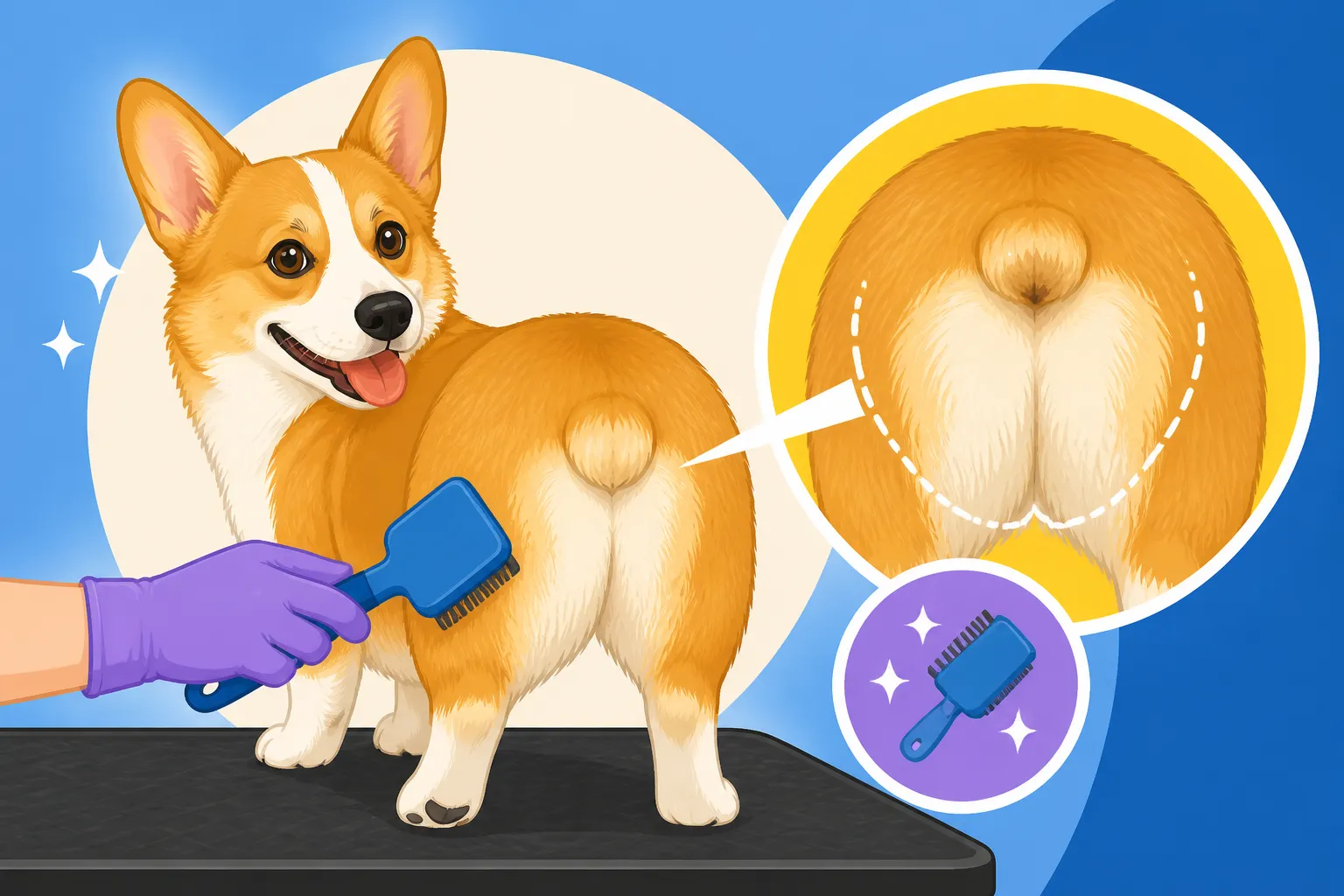
Grooming Around a Docked Corgi’s Rear
Living with a Corgi means embracing their unique shape and spirited personality, but it also means adapting your care routines to their specific needs. One area that often presents a distinct challenge for Corgi parents is keeping their docked rear clean and healthy. Because Corgis sit so low to the ground and often lack the natural protection of a long tail, their hindquarters can quickly become a magnet for dirt, debris, and unfortunate "accidents." This guide will walk you through the ins and outs of effectively grooming around a docked Corgi's rear, ensuring your furry friend stays comfortable, clean, and happy.
Understanding the Docked Corgi Rear: A Unique Challenge
The Pembroke Welsh Corgi, in particular, is often seen with a docked tail, a practice that historically was tied to their working dog heritage and, more recently, breed standards in some regions. While the reasons behind it are varied and sometimes controversial, the reality for many Corgi owners is caring for a dog with a very short or absent tail. This anatomical feature profoundly impacts grooming, especially around the rear end.
Why Corgis Have Docked Rears
Historically, Corgis were bred to herd cattle, often nipping at the heels of stubborn livestock. A long tail could have been a liability in such a role, easily stepped on or caught, leading to injury. Docking was thought to protect them from harm in their working environment. Over time, this became ingrained in breed standards for the Pembroke Welsh Corgi, though it's important to note that not all Pembrokes are docked, and the Cardigan Welsh Corgi naturally has a long tail. For those Corgis with a docked rear, their owners face specific grooming considerations that differ significantly from those with full tails. It’s not just an aesthetic choice; it creates a very practical difference in daily care.
Many years ago, the sight of a Pembroke Corgi with a long, flowing tail was rare, almost unheard of, in many parts of the world. Even if a puppy was born with a natural bobtail, a true short tail due to genetics, it was often still docked to match the breed's general appearance. This historical context shapes how we approach grooming today, as countless Corgis still present with this short-tailed silhouette. Understanding this background helps us appreciate why their hindquarters require such attentive care, as they lack the natural "swish" of a tail to keep things clear and clean.
The Anatomy of a Docked Rear for Grooming
A Corgi's docked rear means there's no long tail to act as a natural umbrella or whisk, leaving the fur around the anus and hind legs much more exposed to whatever they might encounter. Their low-slung bodies already mean bellies and chests often drag through dew-soaked grass or puddles. The lack of a tail amplifies this issue for the rear, making it susceptible to collecting anything from mud and leaves to fecal matter. The dense double coat of a Corgi only exacerbates the problem, as these foreign materials can quickly become matted and embedded in the thick undercoat.
Think about it: a dog with a full tail uses it to help keep the area around their bottom somewhat clear, especially during toileting. They might even give a good shake that dislodges loose debris. A docked Corgi simply doesn't have that advantage. Instead, their "trousers" – the longer fur on their hind legs and rump – become the primary contact point for mess. This area can become matted, develop a persistent odor, or even lead to skin irritation if not regularly and thoroughly cleaned. It’s a constant battle against gravity and the natural proclivities of a dog's anatomy, demanding proactive and consistent grooming. Grooming a Corgi That Sits Six Inches Off the Ground offers more general advice on dealing with their low stature.
Essential Tools for Grooming a Docked Corgi Rear
Having the right tools is half the battle when it comes to maintaining a clean and healthy docked Corgi rear. Attempting to tackle matted fur or persistent stains with inadequate equipment will only lead to frustration for both you and your Corgi, potentially causing discomfort or even injury. Invest in quality tools specifically designed for dense coats and sensitive areas.
Brushes and Combs for the Hindquarters
For the dense double coat of a Corgi, especially around the "trousers" and rump, you'll need a combination of brushes and combs. A good quality undercoat rake is invaluable for removing loose undercoat and preventing mats from forming deep within the fur. Follow this with a slicker brush to smooth out the topcoat and catch any remaining loose hairs. For finer work and to detangle small knots directly around the anus, a metal greyhound comb with both wide and narrow teeth is essential. The wide teeth can start the detangling process, while the narrow teeth finish it.
When selecting an undercoat rake, look for one with rotating teeth, as these are gentler on the skin and less likely to pull. Many reputable brands offer excellent options, which you can often find readily on Chewy or Amazon. Brushing this area regularly, ideally daily, can prevent minor issues from escalating into major problems. It's not just about aesthetics; preventing mats is crucial for skin health and overall hygiene. The Rake and Comb a Corgi Coat Actually Needs details more about selecting the right tools for your Corgi's fur.
Special Considerations for Clippers and Shears
While regular brushing is paramount, sometimes you'll need to use clippers or blunt-nosed shears for sanitary trims. A sanitary trim involves carefully trimming the fur around the anus to prevent fecal matter from sticking. For this, small, quiet clippers with a fine blade are recommended. Battery-operated options are often less intimidating for dogs, and a smaller size allows for more precision in a sensitive area. Always use a guard comb on clippers if you're not experienced, or opt for blunt-nosed scissors designed for pet grooming if you prefer manual trimming. These shears have rounded tips to prevent accidental pokes or cuts.
The key with clippers and shears is caution. Always ensure your Corgi is calm and still, and use a very light touch. Never pull on the fur or try to cut through mats with scissors, as this can easily injure the skin. If you’re unsure, a professional groomer can demonstrate the proper technique or perform the sanitary trim for you. Remember, the goal is to keep the area clear and clean, not to create a fashion statement. Regular, gentle trims are far better than one frantic session when things have already gone awry.
Maintaining Cleanliness: Preventing "Corgi Butt" Issues
The unique challenges of a docked Corgi rear mean that proactive daily cleaning is often more effective than reactive scrubbing after a major mess. Establishing a routine for maintaining cleanliness can save you a lot of headache and keep your Corgi much more comfortable.
Daily Spot Cleaning and Wiping Routines
Incorporating a quick daily spot clean into your routine can make a huge difference. After every potty break, especially after a bowel movement, take a moment to inspect your Corgi's rear. Keep a stash of dog-specific wet wipes or a damp cloth readily accessible near your door. Gently wipe away any lingering debris or smudges from around the anus and the "trousers" on their hind legs. Unscented, hypoallergenic wipes are best to prevent skin irritation. Some owners even use a warm, damp washcloth with a tiny drop of dog-safe shampoo, followed by a dry wipe.
This isn't about giving them a full bath every day, but rather about preventing accumulation. It's similar to how we might quickly clean a child's face after a meal – small, consistent efforts prevent bigger cleanups. Pay particular attention to the fur directly surrounding the rear opening, as this is where issues typically start. Consistency is key here; a few seconds of wiping daily will prevent larger, matted, smelly problems down the line.
Dealing with Fecal Stains and Odor
Sometimes, despite your best efforts, your Corgi might end up with a significant fecal stain or a lingering odor around their rear. This is often affectionately (or not so affectionately) termed "Corgi butt." When this happens, a simple wipe might not suffice. For fresh, damp stains, a dedicated pet stain remover spray can be effective. Always choose one safe for use on pets and follow the directions carefully, ensuring it's rinsed out. For tougher, dried-on stains or persistent odor, a targeted wash is necessary.
A small basin with warm water and a dollop of dog shampoo specifically formulated for odor control can work wonders. Lather the affected area gently, making sure to work the shampoo through the dense fur, then rinse thoroughly. Ensure all shampoo residue is removed, as it can cause skin irritation. After washing, dry the area completely with a towel and consider using a pet-safe grooming dryer on a cool setting. Lingering dampness can lead to skin problems like hot spots, which can be particularly nasty in such a sensitive area. Products like those found on Amazon, from brands specializing in pet hygiene, can offer targeted solutions for these common Corgi issues. Washing a Corgi That Drags Through Everything provides further insight into managing overall cleanliness for a low-riding Corgi.
| Grooming Tool | Purpose | Frequency | Tips for Docked Corgi Rear |
|---|---|---|---|
| Undercoat Rake | Removes loose undercoat, prevents mats | Daily/Every other day | Essential for dense "trousers" fur. Use gently. |
| Slicker Brush | Smooths topcoat, removes surface hair | Daily/Every other day | Follows raking; ensures no surface tangles. |
| Metal Greyhound Comb | Detangles small knots, checks for thoroughness | Daily | Critical for precise work around the anus. |
| Pet Wipes/Damp Cloth | Spot cleaning after potty breaks | After every bowel movement | Unscented, hypoallergenic. Keep handy near exits. |
| Blunt-Nosed Shears | Sanitary trims, carefully cutting small mats | As needed (monthly) | Safety first: always use rounded tips, never pull on fur. |
| Small Clippers (w/guard) | Sanitary trims, more efficient than scissors | As needed (monthly) | Quiet clippers are less stressful. Use a guard comb. |
| Pet Stain Remover | Addressing fresh fecal stains | As needed | Choose pet-safe formulas; rinse thoroughly after use. |
| Pet Dryer (cool setting) | Ensures complete drying after washing | As needed | Prevents skin irritation and hot spots from dampness. |
Bathing Techniques for the Docked Rear
While spot cleaning is a daily necessity, there will be times when your Corgi's rear needs a more thorough wash. Knowing how to effectively bathe this specific area, without necessarily submerging your entire dog, is a valuable skill for any Corgi owner.
Targeted Washing for the Hind End
You don't always need to give your entire Corgi a full bath if only their rear end is soiled. A targeted wash can save time and reduce stress, especially if your Corgi isn't a huge fan of baths. You can do this in a utility sink, a large bucket, or even by having your Corgi stand in a partially filled bathtub. Focus specifically on the affected hindquarters. Wet the fur thoroughly with lukewarm water, then apply a small amount of dog shampoo. Gently lather the shampoo into the fur, making sure to work it down to the skin, especially around any soiled areas or where odors might be trapped.
Use your fingers to really get into the dense coat and release any trapped debris. Pay close attention to the area directly surrounding the anus and under the tail flap (if there is one). This is often where things get most stubborn. Once you're confident the area is clean, rinse very, very thoroughly. Shampoo residue can be irritating, so ensure the water runs clear and no suds remain. This meticulous rinsing is arguably the most important part of the wash.
Thorough Drying to Prevent Skin Issues
Just as important as washing is drying. Because of their dense double coat, Corgis can hold onto moisture for a surprisingly long time, especially in hard-to-reach areas like their hindquarters. Incomplete drying can lead to a host of problems, including skin irritation, yeast infections, and the dreaded hot spot. After washing, first towel-dry the area as much as possible, pressing and squeezing water out of the fur rather than rubbing vigorously, which can cause tangles.
Then, use a pet-specific grooming dryer on a cool or low-heat setting. Direct the airflow to the entire hindquarter area, lifting the fur with your fingers or a brush to ensure air reaches the skin. Don't stop until the fur feels completely dry, not just damp. This might take longer than you expect. If you don't have a pet dryer, a regular hairdryer on a cool setting can be used, but be extremely careful not to overheat your dog's skin. Consider products like those available on Chewy or Amazon for specialized pet dryers that are quieter and safer for canine use. Getting a Corgi Dry Through the Undercoat emphasizes the critical importance of proper drying for Corgis.
Addressing Specific Grooming Concerns
Beyond general cleanliness, specific issues can arise around a docked Corgi's rear that require extra attention. Being prepared for these can help you tackle them effectively and prevent further discomfort for your dog.
Matting and Tangles Around the Docked Area
Matting is a constant battle with a Corgi's dense double coat, and the hindquarters are particularly prone due to their exposure and the friction from sitting. Mats are not just unsightly; they can pull on the skin, cause pain, hide skin infections, and restrict movement. Regular brushing with an undercoat rake and metal comb is your best defense against matting. If you do encounter a mat, approach it carefully. Never try to pull or cut a mat out with regular scissors close to the skin.
Instead, try to work it out gently with your fingers, then use the narrow teeth of a metal comb to tease it apart, starting from the outer edge and working inward. A mat splitter tool can also be helpful for carefully breaking up larger mats. If a mat is too close to the skin or too tight to comb out, it’s best to use blunt-nosed shears or small clippers with a very short blade to carefully cut it out, always angling the blade away from the skin. If you're hesitant, a professional groomer can safely remove stubborn mats.
Skin Irritation and Hot Spots
The combination of a docked rear, dense fur, and potential dampness makes the hindquarters a prime location for skin irritation and hot spots. Hot spots are acute moist dermatitis, rapidly developing red, inflamed, oozing lesions that are often itchy and painful. They can be caused by anything that prompts excessive licking, chewing, or scratching, such as insect bites, allergies, or, critically, prolonged dampness and poor hygiene.
If you notice your Corgi constantly licking or chewing at their rear, or if the skin appears red, inflamed, or has an unpleasant odor, it's time for a closer inspection. Keep the area clean and dry. For mild irritation, a pet-safe soothing spray or ointment might help, but for anything resembling a true hot spot, a vet visit is essential. They can properly diagnose and treat the issue, which often involves clipping the fur around the area to allow it to breathe, cleaning, and prescribing medication. Wet Patches That Turn Into Corgi Hot Spots delves deeper into preventing and managing these uncomfortable skin conditions.
Beyond Grooming: Overall Health of the Hindquarters
While external grooming is vital, the health of your Corgi's hindquarters is also deeply connected to their internal well-being. Diet, overall weight, and vigilance for underlying health conditions all play a significant role in keeping their rear clean and comfortable.
Dietary Impact on Stool Consistency
One of the most overlooked factors contributing to a dirty Corgi rear is stool consistency. If your Corgi frequently has soft, runny, or inconsistently formed stools, it's almost guaranteed to lead to more mess around their docked rear. Diet plays a huge role in this. Ensure your Corgi is on a high-quality, balanced diet that suits their specific needs. Sudden changes in food, feeding table scraps, or an intolerance to certain ingredients can all result in digestive upset.
Monitor your Corgi's stool closely. It should be firm, moist, and well-formed. If you consistently notice soft stools, consult your veterinarian. They might recommend dietary adjustments, such as switching to a sensitive stomach formula or adding probiotics. Brands like Ollie, which offer fresh, balanced meals, or specific veterinary diets available on Chewy, can sometimes help regulate stool consistency. Remember, what goes in often determines what comes out, and a healthy gut is a cleaner Corgi butt. The Body Condition Score a Corgi Owner Aims For is a good read on keeping your Corgi at a healthy weight, which can also influence their ability to clean themselves.
Monitoring for Underlying Health Issues
Sometimes, persistent rear end issues go beyond just grooming challenges and can signal an underlying health problem. If your Corgi is suddenly having difficulty keeping their rear clean, experiencing increased licking or scooting, or showing signs of discomfort, it's crucial to consider potential medical causes. Anal gland issues are common in Corgis; if their anal glands aren't expressing properly, it can cause discomfort, scooting, and a distinct, unpleasant odor. Your vet can check and express these if needed.
Other concerns might include allergies (food or environmental), parasites, or even early signs of mobility issues. For instance, an older Corgi struggling with Disc Disease in a Long-Backed Corgi might not be able to groom themselves as effectively, leading to more mess. Similarly, Incontinence in a Corgi With DM will certainly impact cleanliness. Any significant change in your Corgi's rear-end hygiene warrants a visit to the veterinarian. They can rule out medical conditions and provide appropriate treatment or advice, ensuring your Corgi isn't just clean, but truly healthy and comfortable.
Disclaimer
This article is for general informational purposes only and does not constitute professional advice. Laws, prices and regulations vary by location and change over time. Consult a qualified professional for guidance on your specific situation.