Corgi Nail, Ear and Tooth Routines
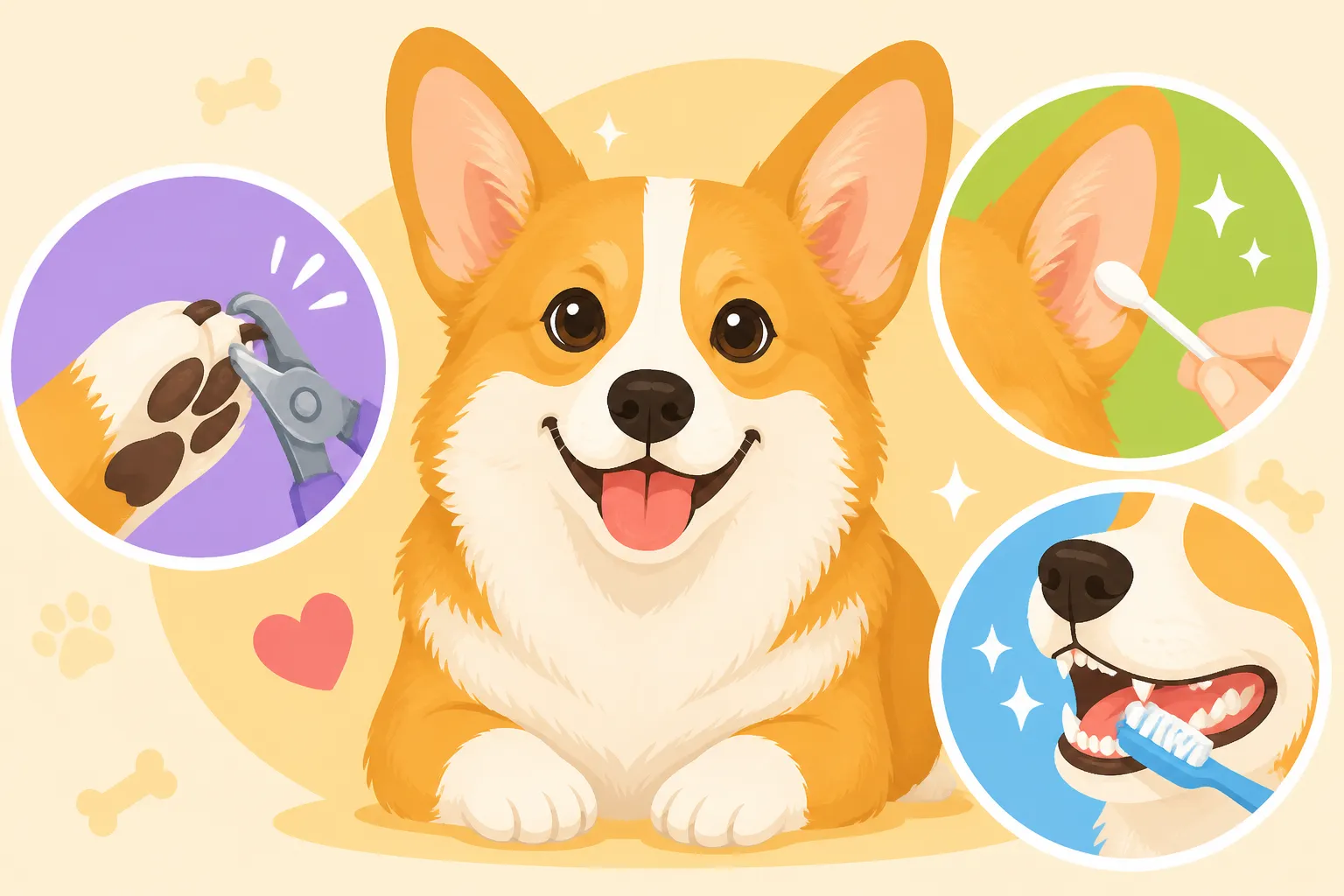
The joys of Corgi ownership often come with the unexpected challenge of managing their essential grooming needs, from their quick-growing nails to their surprisingly sensitive ears and the ever-present threat of dental disease. Many Corgi parents find themselves struggling with reluctant paws, waxy ears, or bad breath, unsure of the best way to keep their low-rider companion healthy and comfortable. This comprehensive guide will walk you through establishing effective and stress-free routines for your Corgi's nails, ears, and teeth, ensuring a happy and well-maintained pup.
The Importance of Regular Grooming for Corgi Health
When you first bring home a Corgi, you might be thinking about their playful antics, their fluffy rear end, or their undeniable charm. What often gets overlooked, however, are the specific routine care needs that are crucial for their long-term health and comfort. Unlike some breeds, Corgis have unique physical characteristics that make consistent grooming not just a nicety, but a necessity to prevent painful and costly problems down the line. Ignoring these aspects can lead to discomfort for your dog and a heavier emotional and financial burden for you.
Why Consistency is Key for Corgi Care
Imagine trying to trim your Corgi's nails for the first time after they've grown so long they click on the floor, or trying to clean ears that have become itchy and infected. It's often a wrestling match, full of stress for both of you. The truth is, consistent, gentle care from an early age builds positive associations. If your Corgi learns that nail trims mean a tasty treat and gentle handling, they'll be far more cooperative than if it's an infrequent, terrifying ordeal. Regularity allows you to catch minor issues before they escalate, like a slight redness in the ear that could become a full-blown infection, or a tiny chip on a tooth. It’s about prevention and comfort, making these necessary tasks a routine part of your shared life rather than a dreaded battle.
This consistency extends beyond just the physical act of grooming; it's about building trust. When your Corgi understands that your hands are gentle, even when performing slightly uncomfortable tasks, they'll be more relaxed. Daily interactions, even quick checks of their paws, ears, and teeth, reinforce this bond and make bigger grooming sessions much smoother. Think of it as investing small amounts of time regularly to avoid having to pay a huge price in stress, pain, and vet bills later on. It’s a habit that pays dividends in your Corgi’s overall well-being and your peace of mind.
Addressing the Unique Corgi Physique
Corgis are built low to the ground with those adorable short legs, and while it's part of their charm, it also presents unique grooming challenges. Their proximity to the ground means their paws and bellies are constantly in contact with dirt, mud, and whatever else might be outside. This means their nails can wear unevenly, and debris can easily get lodged between their paw pads. Their upright, foxy ears, while cute, are also open to collecting dust, debris, and moisture, making them prone to infections if not regularly checked. And let's not forget their compact jaws, which can predispose them to dental issues due to crowding.
These specific anatomical traits aren't flaws; they're just part of what makes a Corgi a Corgi. However, they demand a proactive approach to care. You can't just treat a Corgi's grooming needs like you would a taller, longer-legged dog. Their unique structure means you need specialized tools or techniques, like extra attention to paw hygiene after walks or more frequent ear checks. Understanding these breed-specific quirks is the first step towards developing an effective and caring grooming routine that keeps your Corgi healthy and happy for all their The Twelve to Fifteen Year Corgi Lifespan.
Mastering the Corgi Nail Trim
One of the most intimidating parts of Corgi care for many owners is nail trimming. Those tiny, tough nails can grow surprisingly fast, and the thought of accidentally cutting too far, into the "quick," can make even the bravest Corgi parent hesitant. However, long nails aren't just an aesthetic problem; they can seriously impact your Corgi's comfort, gait, and long-term joint health. If you hear your Corgi's nails clicking on the floor as they walk, they are already too long.
Understanding Corgi Nail Anatomy
A Corgi's nail consists of two main parts: the hard outer shell and the quick. The quick is a soft core inside the nail that contains blood vessels and nerves. If you cut into the quick, it will bleed and cause pain, which is why many dogs develop an aversion to nail trimming. On light-colored nails, you can often see the pink quick through the translucent nail. However, many Corgis have black nails, making it much harder to distinguish where the quick ends. This is where gentle, frequent trimming becomes your best friend, as it encourages the quick to recede over time.
When nails get too long, they push against the ground, forcing the paw to splay and altering the dog's natural foot placement. This unnatural pressure can lead to discomfort, pain in the toes and foot, and even structural problems higher up in the leg and spine, especially for a breed like the Corgi with its unique back structure. It's a domino effect: long nails lead to an awkward gait, which strains joints, and over time can contribute to conditions like arthritis. Regular trimming is fundamental to ensuring your Corgi maintains a healthy posture and stride.
The Right Tools for the Job
Having the right equipment makes a world of difference when it comes to Corgi nail care. There are a few options, and what works best might depend on your dog's temperament and your comfort level.
First up, standard scissor-style clippers are popular and effective for Corgis. Brands like Safari or Millers Forge are widely available on platforms like Amazon and are generally robust and sharp. Ensure they are sharp; dull clippers can crush the nail rather than cut cleanly, causing pain. Another option is guillotine-style clippers, though some owners find them harder to use on smaller, tougher Corgi nails.
Then there are nail grinders (like a Dremel pet nail tool), which can be a fantastic alternative, especially for Corgis with black nails where the quick is invisible. Grinders file the nail down gradually, reducing the risk of hitting the quick. They do make a noise and vibrate, so desensitization is crucial. You can often find pet-specific grinders on Chewy or Amazon. Make sure you also have styptic powder on hand, just in case you do accidentally nick the quick. It's a lifesaver for quickly stopping any bleeding and easing your anxiety. Remember, sharp tools are safer tools, so invest in quality. For more on tools, check out Whether a Grinder Is Easier on Corgi Nails.
Step-by-Step Nail Trimming
Approaching a Corgi nail trim requires a calm demeanor and a clear plan. Start by making sure your Corgi is relaxed. A short play session or a cuddle can help. Have your treats ready – high-value ones are a must!
- Positioning: Find a comfortable position for both of you. Some owners prefer to have their Corgi lie down, others sit them on their lap, or even have a helper gently hold them. Gently take one paw and extend a toe.
- Identify the Cut: If your Corgi has light nails, look for the pink quick and aim to cut just before it. For black nails, take off tiny, thin slices at a time. As you cut, you'll see a white or greyish center, then a small dark dot in the center as you get closer to the quick. Stop when you see this dot.
- The Snip: With sharp clippers, make a quick, clean snip. Don't hesitate.
- Reward and Repeat: Immediately after each nail, offer a treat and praise. This positive reinforcement is vital. If your Corgi gets stressed, do a few nails, take a break, or even spread it over a couple of sessions. The goal is a positive experience, not perfection in one go.
Consistency is key here. Aim for weekly or bi-weekly trims, even if it's just a tiny bit off each nail. This keeps the quick receding, making future trims easier and less stressful. If you're really struggling, or your Corgi has a strong aversion, don't hesitate to seek guidance from a professional groomer or your vet. They can demonstrate proper technique and help your Corgi build a more positive association with the process. For dogs that truly hate it, read Clipping Nails on a Corgi That Objects.
Dealing With the Dreaded Quick
It happens to the best of us: you're trimming, your Corgi shifts, and suddenly you've clipped too far and hit the quick. Don't panic! It will bleed, and your Corgi might yelp or pull away, but it's rarely a serious injury.
Your immediate action should be to grab your styptic powder. Apply a small amount to the bleeding nail and press firmly for about 30 seconds. The bleeding should stop fairly quickly. If you don't have styptic powder, cornstarch or flour can work in a pinch, though not as effectively. Keep a close eye on the nail for a few minutes to ensure it doesn't start bleeding again.
The most important part after hitting the quick is to not let it ruin your entire future grooming routine. Your Corgi will remember the pain, but you can override that with positive associations. Offer comfort, a calming voice, and plenty of high-value treats. You might need to take a break from nail trims for a day or two and then restart with an abundance of treats and praise for even the slightest cooperation. It's a setback, but it doesn't have to be a permanent obstacle. Be patient, be gentle, and always end on a positive note, even if it's just touching their paw and giving a treat.
Essential Ear Care for Upright Corgi Ears
Corgis are known for their magnificent, expressive upright ears. While these ears are certainly adorable and contribute to their foxy appearance, they also require regular attention to ensure they remain healthy. Unlike floppy-eared breeds where air circulation is limited, Corgi ears are generally well-ventilated, which helps reduce the risk of certain infections. However, their open design also makes them more susceptible to collecting environmental debris and requires a consistent cleaning routine.
Why Corgi Ears Need Attention
Because Corgis are so close to the ground, their ears are perfectly positioned to collect all sorts of things on walks: dust, pollen, tiny bits of leaves, and even little seeds or burrs. While the air circulation in their upright ears is beneficial, this open exposure means foreign objects and allergens can easily find their way in, leading to irritation. Additionally, Corgis, like all dogs, produce ear wax. While a normal amount protects the ear canal, excessive buildup can create a breeding ground for bacteria or yeast. If left unchecked, these minor irritations or accumulations can quickly escalate into painful infections, requiring veterinary intervention.
Regularly checking and cleaning your Corgi's ears can help prevent these issues. You're not just preventing infection; you're also keeping them comfortable. An itchy or painful ear can make your Corgi miserable, leading to head shaking, pawing at their ears, or rubbing them on furniture. These actions can cause further trauma or spread infection. A healthy ear is a comfortable ear, and proactive care keeps your Corgi happy, reduces their risk of pain, and saves you potential vet bills down the line. It's truly a small investment of time for a big return in their well-being.
Recognizing Signs of Ear Issues
As a Corgi parent, becoming familiar with what a healthy Corgi ear looks and smells like is your best defense against potential problems. A healthy ear should be relatively clean, pale pink inside, and have no strong odor. There might be a small amount of light brown wax, which is normal.
However, be vigilant for changes that could signal trouble. Common signs of ear problems include:
- Persistent Head Shaking: This is often one of the first indicators that something is irritating your Corgi's ears.
- Excessive Scratching or Pawing: If your Corgi is constantly trying to itch their ears with their paws or rubbing them on carpets or furniture, it's a red flag.
- Strong, Unpleasant Odor: A sweet, yeasty, or foul smell coming from the ear canal is a strong sign of infection.
- Redness or Swelling: The inner flap of the ear or the entrance to the ear canal may appear inflamed or puffy.
- Dark Discharge: Brown, black, yellow, or greenish discharge, especially if accompanied by an odor, indicates a problem. This can be Wax in a Corgi's Upright Ears getting out of hand.
- Pain or Sensitivity: Your Corgi might yelp or pull away when you touch their ears.
- Balance Issues or Head Tilting: In severe cases, an inner ear infection can affect balance.
If you notice any of these symptoms, it's time for a trip to the veterinarian. Early detection and treatment are crucial to prevent more serious complications and chronic ear issues. Never try to self-diagnose or treat an infection without veterinary guidance, as you could worsen the problem.
Routine Cleaning Techniques
For routine ear cleaning (when there are no signs of infection), less is often more. The goal is to remove excess wax and debris without irritating the delicate ear canal.
- Gather Supplies: You'll need a vet-approved ear cleaning solution (your vet can recommend one, often available on Chewy or at their clinic) and some cotton balls or gauze pads. Avoid cotton swabs (Q-tips) as they can push debris further into the ear canal and potentially damage the eardrum.
- Apply Solution: Gently hold your Corgi's ear flap up to expose the ear canal. Squeeze a generous amount of ear cleaning solution directly into the ear canal until it's full. Don't worry, the ear canal makes a turn, so you won't hit the eardrum.
- Massage the Base: Gently massage the base of your Corgi's ear for about 30 seconds. You should hear a squishing sound as the solution works its way down and loosens wax and debris.
- Allow Shaking: Step back and let your Corgi shake their head. This helps dislodge the gunk and brings it up to the outer ear. Be prepared for some spray!
- Wipe Clean: Use a cotton ball or gauze pad to gently wipe away any visible solution, wax, or debris from the outer ear flap and the entrance of the ear canal. Do not dig deep into the canal.
- Reward: Finish with praise and a treat to keep the experience positive.
How often should you do this? For most Corgis with healthy ears, a quick check weekly and a cleaning every 2-4 weeks is sufficient. However, if your Corgi loves swimming, has allergies, or tends to get dirty ears, you might need to clean them more frequently. Your vet can advise you on the best schedule for Whether a Corgi's Ears Need Weekly Cleaning and for your individual dog.
Maintaining Your Corgi's Dental Health
Dental disease is often called the "silent killer" in dogs, and Corgis are no exception. Many owners don't realize the severity of dental problems until their dog is already in pain or facing costly procedures. Just like in humans, proper dental hygiene is crucial for a Corgi's overall health, impacting everything from their appetite to their heart. Neglecting their teeth can lead to serious consequences, making this one of the most vital, yet frequently overlooked, aspects of Corgi care.
The Silent Threat of Corgi Dental Disease
The statistics are startling: by age three, most dogs show signs of periodontal disease. In breeds with compact jaws like Corgis, teeth can be crowded, creating more surfaces for plaque and tartar to accumulate. Plaque, a sticky film of bacteria, hardens into tartar if not removed. This tartar then irritates the gums, leading to gingivitis (inflammation of the gums). Left untreated, gingivitis progresses to periodontitis, where the infection spreads below the gum line, damaging the supporting structures of the teeth. This can cause severe pain, loose teeth, tooth loss, and even bone loss in the jaw.
But the danger doesn't stop there. The bacteria from severe dental disease don't just stay in the mouth; they can enter the bloodstream and travel to other organs, including the heart, kidneys, and liver, causing secondary infections and serious health issues. This is why good dental hygiene is so strongly linked to a Corgi's overall longevity and quality of life. It’s not just about fresh breath; it’s about preventing systemic illness. Understanding this connection is the first step in prioritizing your Corgi's oral health, especially to prevent Plaque on an Older Corgi's Molars.
Brushing Your Corgi's Teeth
Daily tooth brushing is the gold standard for preventing dental disease in Corgis, just as it is for humans. It might sound daunting, but with patience and positive reinforcement, most Corgis can learn to tolerate, and even enjoy, the process.
- Choose the Right Tools: You'll need a dog-specific toothbrush and toothpaste. Human toothpaste contains ingredients that are toxic to dogs, so never use it. Dog toothbrushes come in various sizes, including finger brushes or brushes with angled heads to reach back teeth. Dog toothpaste comes in appealing flavors like poultry or peanut butter, which helps make the experience more pleasant. Look for these at your local pet store or on Amazon.
- Start Slowly (Puppies are Easiest!): If you have a Corgi puppy, start as early as possible. Begin by letting them lick the toothpaste off your finger. Then, introduce your finger into their mouth to gently rub their gums and teeth. Once they're comfortable with that, introduce the toothbrush.
- The Brushing Technique: Aim to brush the outside surfaces of their teeth, especially the molars and canines, as these tend to accumulate the most plaque. Lift their lip and use gentle, circular motions. Focus on the gum line, where plaque tends to gather. You don't need to scrub vigorously; a gentle approach is effective.
- Keep it Brief and Positive: Initially, even 30 seconds of brushing is a victory. End each session with lavish praise and a high-value treat. The goal is to make it a positive routine, not a battle. As your Corgi gets more comfortable, you can gradually increase the brushing time.
- Consistency is Key: Daily brushing is ideal. If daily isn't possible, aim for at least every other day. Even a few times a week is better than nothing, but the more consistent you are, the better the results. Remember to focus on Brushing Along a Corgi's Back Teeth.
If your Corgi is resistant, try wrapping gauze around your finger and using that with toothpaste first. It's about gradual desensitization and making it a rewarding experience.
Alternative Dental Care Options
While daily brushing is paramount, sometimes it's simply not feasible for every Corgi or every owner. Thankfully, there are supplementary dental care options that can help, though none replace the effectiveness of brushing and professional cleanings.
- Dental Chews: Many dental chews are designed to help scrape plaque off teeth as your dog chews. Look for chews that are Veterinary Oral Health Council (VOHC) approved, as this certification indicates they meet specific standards for plaque and tartar reduction. Popular brands often found on Chewy include Greenies or Virbac C.E.T. chews. Always supervise your Corgi with chews to prevent choking, and ensure they are appropriately sized for a Corgi's mouth. Be mindful of the calorie content, as Corgis are prone to weight gain.
- Water Additives: These products are designed to be added to your Corgi's drinking water and contain ingredients that help reduce bacteria in the mouth or break down plaque. They are easy to use but vary in effectiveness. Again, look for VOHC-approved options for the best results.
- Dental Diets: Certain prescription dental diets are formulated with special kibble shapes and textures that clean teeth as the dog crunches, or they contain ingredients that reduce plaque formation. These are often recommended by veterinarians for dogs prone to dental issues or those who won't tolerate brushing.
- Ollie Fresh Pet Food: While not specifically a dental diet, feeding a fresh, minimally processed diet like those from Ollie can contribute to overall health, which includes gum health. Chewing on appropriate, firm fresh ingredients can also offer some dental benefits.
- Professional Dental Cleanings: Even with the best home care, most Corgis will eventually need a professional dental cleaning under anesthesia at their vet's office. This allows for a thorough scaling above and below the gum line, polishing, and examination for any hidden issues. Your vet will advise you on the frequency, typically every 1-3 years depending on your Corgi's individual needs. These cleanings are vital for addressing issues like Tartar and Tooth Loss in an Older Corgi.
A combination of daily brushing, VOHC-approved dental products, and regular veterinary check-ups (including professional dental cleanings when needed) provides the most comprehensive approach to keeping your Corgi's mouth healthy and preventing painful dental disease. For more ideas on appropriate dental aids, consider Chews That Suit a Corgi's Bite.
Building a Positive Grooming Routine for Your Corgi
Grooming doesn't have to be a battle. In fact, for a Corgi, it can and should be a time for bonding and positive interaction. The key lies in how you introduce and maintain these routines, turning potentially stressful events into pleasant, predictable rituals. This positive approach not only makes your life easier but also significantly enhances your Corgi's quality of life, reducing anxiety around handling and ensuring they receive the care they need.
Starting Early with Puppies
The phrase "start as you mean to go on" couldn't be more true when it comes to Corgi grooming. Introducing handling and grooming tools to a Corgi puppy as early as possible is the single best thing you can do to ensure a cooperative adult dog. Puppies are naturally curious and often more open to new experiences than older dogs, making them ideal candidates for desensitization.
Begin by simply touching their paws, ears, and mouth gently, often. Pair these touches with high-value treats and soft praise. Let them investigate the nail clippers, the toothbrush, or the ear cleaner, even if it's just sniffing them before getting a treat. Make it a game! Practice holding their paws for a few seconds, gently lifting their lips, and briefly looking in their ears, always followed by a reward. Keep sessions short, fun, and always end on a positive note. The goal isn't to complete a full groom initially, but to build a foundation of trust and comfort with being handled. This early exposure helps them learn that grooming tools aren't scary, and your hands are gentle, which can significantly ease future vet visits and grooming appointments. For more on early care, check out The Vet Visits a Corgi Puppy Needs First.
Making Grooming a Positive Experience
Even if you have an older Corgi who isn't keen on grooming, it's never too late to try and change their perspective. The core principle remains positive reinforcement. Every single step of the grooming process, no matter how small, should be associated with something good.
Think of it as classical conditioning. Before you even touch a nail clipper, bring it out, show it to your Corgi, and give them a treat. Repeat this several times. Then, touch the clipper to their paw, treat. Then, touch a nail, treat. Slowly build up to actual clipping. If using a grinder, start by just turning it on in another room, then closer, always treating as they tolerate the sound.
Use a calm, soothing voice. Never get angry or frustrated, as your Corgi will pick up on your tension and associate it with the grooming. If they show signs of stress (lip licking, yawning, stiffening, trying to escape), stop, take a break, and try again later, breaking the steps down even further. High-value treats (like small pieces of cheese or cooked chicken) are your secret weapon. You can even use a lick mat smeared with peanut butter to distract them during tricky parts. Consistency and patience will slowly but surely transform grooming into a positive, bonding experience. This approach helps teach them that even slightly uncomfortable things lead to good rewards, fostering a sense of cooperation.
Seeking Professional Help When Needed
There's no shame in admitting you need a little help, especially when it comes to sensitive areas like nails, ears, or teeth. Sometimes, despite your best efforts, a Corgi might develop a strong aversion or simply be too wiggly for you to safely complete a task. In these situations, professional groomers and veterinarians are invaluable resources.
A professional groomer has specialized tools, techniques, and experience with all sorts of dog temperaments. They can often get a nail trim done quickly and efficiently, or thoroughly clean ears that you might struggle with. They can also offer tips and demonstrations for you to try at home. If your Corgi has a medical issue like a severe ear infection or advanced dental disease, your veterinarian is the only appropriate professional to handle it. They can provide medications, perform in-depth cleanings, or refer you to specialists if needed.
Don't let embarrassment or stubbornness prevent your Corgi from getting the care they need. Think of it as part of your team approach to their well-being. A few professional sessions can sometimes reset a dog's attitude towards grooming, making future home sessions more manageable. It’s always better to ensure your Corgi is comfortable and healthy, even if it means delegating certain tasks to a professional.
Common Challenges and Troubleshooting
Even with the best intentions, grooming a Corgi can present its fair share of hurdles. From a dog who throws a complete tantrum at the sight of nail clippers to identifying when a minor sniffle has become a serious health concern, navigating these challenges requires a pragmatic and empathetic approach. It’s important to remember that most Corgi owners face similar struggles, and finding solutions is often a process of trial and error.
Overcoming Resistance to Grooming
It’s a common scenario: you bring out the nail clippers, and your Corgi suddenly develops an urgent need to be anywhere but near you. Resistance to grooming can stem from fear, past negative experiences, or simply a strong-willed personality. Overcoming this requires patience, consistency, and a systematic approach to desensitization and counter-conditioning.
First, identify the trigger. Is it the sight of the clippers, the sound of the grinder, or the act of having their paws held? Once you know the trigger, you can start small. For example, if it's the clippers, simply leave them on the floor, far away, and reward your Corgi for being calm in their presence. Gradually move the clippers closer, rewarding at each step. Don't rush! This process can take days or even weeks.
Next, break down the task into tiny steps. Instead of aiming for a full nail trim, focus on just touching one paw, then touching a single nail, then touching a nail with the clippers, then a tiny snip. Each successful, calm step earns a jackpot reward. Use very high-value treats and effusive praise. If your Corgi shows any signs of stress, stop the session and try again later. For extremely sensitive dogs, you might need to use a soft muzzle to ensure safety, but this should always be introduced positively, never forced. Remember that this is a marathon, not a sprint, and your Corgi’s trust is invaluable.
When to Call the Vet
While routine grooming is within your purview, there are definite signs that indicate you need professional veterinary attention. It's crucial to distinguish between a minor grooming challenge and a medical issue that requires expert diagnosis and treatment.
For nails, if you accidentally cut too deep and the bleeding is profuse and doesn't stop within a few minutes with styptic powder, or if the nail appears infected (redness, swelling, pus), call your vet. Also, if a nail breaks or tears severely, exposing the quick, a vet visit is warranted to prevent infection and manage pain.
For ears, any strong odor, discharge, excessive redness, swelling, persistent scratching or head shaking, or if your Corgi cries out in pain when their ear is touched, signifies a potential infection. Do not attempt to treat a suspected infection yourself; your vet will need to examine the ear canal, possibly take a swab for analysis, and prescribe appropriate medication.
For teeth, bad breath that persists despite brushing, excessive tartar buildup, red or bleeding gums, loose or missing teeth, difficulty eating, or any swelling around the jaw or face are all reasons to see your vet. These can be signs of advanced dental disease or even an abscess.
When in doubt, it’s always better to err on the side of caution and consult your vet. They are your best resource for keeping your Corgi healthy, and early intervention often leads to better outcomes and less discomfort for your dog. Your vet can also guide you on general health matters, such as Blood Panels for a Corgi Over Ten.
Preventing Future Issues
The best way to deal with grooming challenges is to prevent them from becoming problems in the first place. This proactive mindset involves consistent routines, mindful environmental management, and always prioritizing your Corgi's comfort and health.
- Establish a Schedule: Create a weekly or bi-weekly routine for nail checks and trims, ear checks, and daily teeth brushing. Put it on your calendar if you need to! Consistency is your most powerful tool.
- Invest in Quality: Good quality clippers, a reliable grinder, effective ear cleaner, and proper dental tools make the tasks easier and safer. Don't skimp on these essentials.
- Monitor and Observe: Regularly check your Corgi's nails, ears, and teeth during cuddle time or play. This makes it less of a formal "grooming session" and more of a natural part of your interaction. You'll catch problems early.
- Environment Check: Consider your Corgi's environment. Are there sharp objects they might step on? Do they swim frequently, increasing ear moisture? Adjust as needed. For instance, putting down runners on slippery floors can help with gait and paw health.
- Dietary Considerations: A balanced diet supports overall health, including strong nails and healthy gums. Discuss appropriate food choices with your vet. Some fresh food services, like Ollie, focus on nutrient-dense meals that support general well-being.
- Professional Maintenance: Don't hesitate to schedule regular check-ups with your vet for general health and professional dental cleanings as recommended. Think of it as essential preventative maintenance for your furry family member.
By integrating these preventative measures into your daily life with your Corgi, you can significantly reduce the likelihood of encountering major grooming struggles or health issues down the road.
Integrating Routines into Your Daily Life
Bringing a Corgi into your home means embracing a lifestyle where their specific needs are met with love and diligence. Grooming isn't a separate chore; it's an intrinsic part of responsible Corgi ownership, much like daily walks or feeding. Integrating nail, ear, and tooth routines seamlessly into your daily life is not just about ticking off tasks; it's about fostering a deeper bond and ensuring your beloved companion lives a long, healthy, and comfortable life.
Creating a Corgi Care Calendar
In our busy lives, it's easy for routine tasks to slip through the cracks. This is particularly true for things that aren't daily requirements, like nail trims or ear cleaning. That's why creating a dedicated Corgi care calendar can be incredibly helpful. This isn't just a list of tasks; it's a visual commitment to your dog's well-being.
You can use a simple wall calendar, a digital planner, or even a dedicated app. Mark down:
- Daily: Teeth brushing (aim for daily, even if it's just a quick brush).
- Weekly: Quick ear check (look inside, sniff for odors), quick paw check (feel between pads for debris), brief brush out of coat.
- Bi-Weekly/Monthly: Nail trim (adjust based on your Corgi's nail growth and activity level).
- Monthly/Bi-monthly: Ear cleaning (if needed, or as recommended by your vet).
- Quarterly: Full coat brush-out, especially during shedding seasons.
- Annually: Vet check-up, professional dental cleaning (as recommended by your vet).
The beauty of a physical or digital calendar is the visual reminder. Seeing "Nail Trim – Corgi" pop up helps you stay on track and prevents those crucial routines from being forgotten. It also allows you to track progress, noting down any issues or successes, which can be invaluable information for your vet. This structured approach helps transform potentially overwhelming tasks into manageable, predictable parts of your week, ensuring nothing gets missed.
The Long-Term Benefits of Diligent Care
While the immediate benefits of grooming are obvious – clean ears, trimmed nails, fresh breath – the long-term impact of diligent, consistent care is truly profound. It extends far beyond aesthetics, directly influencing your Corgi's health, happiness, and lifespan.
Consider the domino effect:
- Comfort and Mobility: Regularly trimmed nails prevent discomfort, splayed feet, and abnormal gait, which in turn reduces strain on joints and the spine. This is particularly vital for a Corgi, a breed known for its unique back structure and propensity for conditions like Disc Disease in a Long-Backed Corgi. Clean ears prevent painful infections that can lead to chronic issues or even hearing loss.
- Preventative Health: Good dental hygiene prevents periodontal disease, which, as we discussed, can lead to serious systemic health problems affecting vital organs. Regular checks allow you to catch minor issues like skin irritations, lumps, or changes in their eyes, enabling early veterinary intervention.
- Reduced Stress: A Corgi that is accustomed to being handled and groomed is generally a happier, more confident dog. They will be less stressed at the vet, less stressed at the groomer, and more comfortable being touched by family members. This reduces anxiety for both you and your dog.
- Stronger Bond: The time spent on gentle grooming creates a unique bonding opportunity. It's a quiet moment of trust and care that reinforces your relationship, building a foundation of affection and security.
- Cost Savings: While there's an investment in time and tools, consistent preventative care often saves you significant money in the long run by avoiding costly emergency vet visits, extensive treatments for advanced infections, or complex dental surgeries.
In essence, by committing to consistent nail, ear, and tooth routines, you're investing in your Corgi's overall well-being, ensuring they remain healthy, comfortable, and a joyful part of your family for many wonderful years. It's not just maintenance; it's an act of love.
Corgi Grooming Care Summary
Let's break down the core routines for your Corgi's nails, ears, and teeth into a quick reference guide. This table summarizes the key aspects we've discussed, helping you quickly remember the essentials for each area of care.
| Care Area | Frequency | Key Tools | Common Issues | Benefits of Routine Care |
|---|---|---|---|---|
| Nails | Bi-weekly to Monthly | Nail clippers (scissor or guillotine style), Nail grinder, Styptic powder, High-value treats | Overgrown quick, Splayed feet, Discomfort, Gait issues, Injury | Prevents pain, Promotes proper gait, Reduces joint strain, Builds positive association |
| Ears | Weekly check, Monthly cleaning (as needed) | Vet-approved ear cleaner, Cotton balls/gauze, High-value treats | Wax buildup, Dirt/debris, Yeast/bacterial infections, Foreign objects | Prevents infections, Reduces discomfort/itching, Early detection of problems |
| Teeth | Daily brushing (gold standard) | Dog toothbrush, Dog toothpaste, Dental chews (VOHC-approved), Water additives | Plaque/tartar buildup, Gingivitis, Periodontal disease, Bad breath, Systemic health issues | Prevents dental disease, Freshens breath, Supports overall health (heart, kidneys), Reduces need for professional cleanings |
Remember, this table is a summary. Always refer to the detailed sections above for full guidance and consult your veterinarian for personalized advice for your Corgi's specific needs.
Disclaimer
This article is for general informational purposes only and does not constitute professional advice. Laws, prices and regulations vary by location and change over time. Consult a qualified professional for guidance on your specific situation.