Retraining a Rescued Corgi
Retraining a rescued Corgi involves understanding past baggage, reading body language, and creating a secure home foundation.
Work with the temperament you have.
House-training and crate work, recall, leash manners, separation anxiety, and the behaviors this breed is wired for.
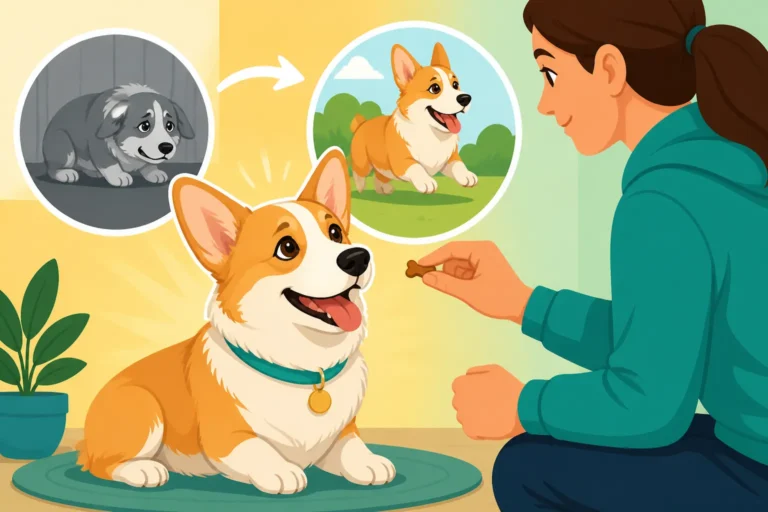
Retraining a rescued Corgi involves understanding past baggage, reading body language, and creating a secure home foundation.
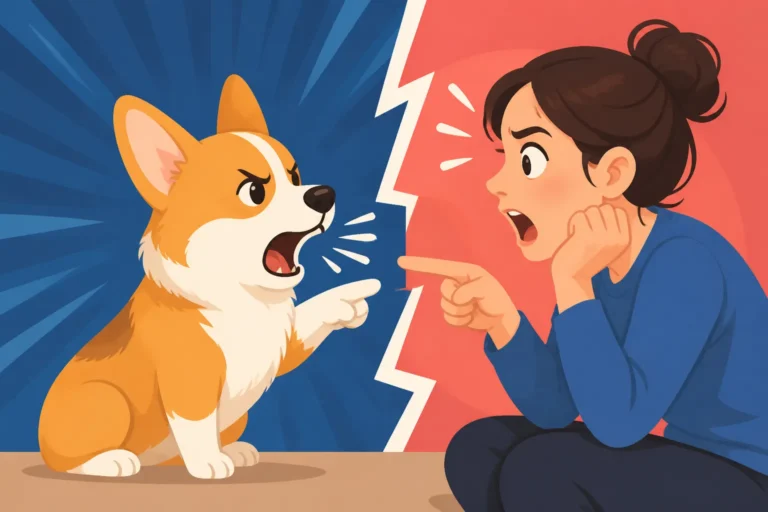
Corgi adolescence at ten months brings stubborn behavior, boundary testing, and independence driven by natural herding instincts.

Corgi puppy nipping instincts, herding behaviors, and exploratory mouth habits explained with practical redirection strategies.

Toilet training a Corgi puppy explains how to manage tiny bladders, indoor routines, and outdoor habits every hour or two.

Corgi behavior and herding instincts explain why some dogs cannot settle without owners, building independence and peace.
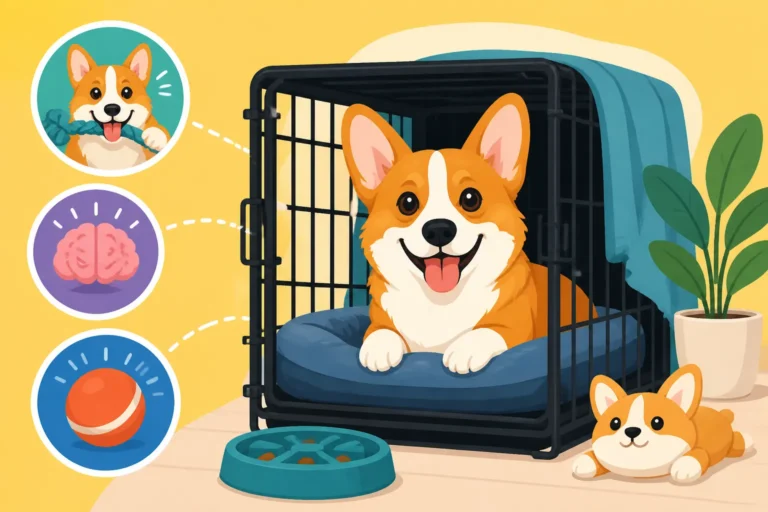
Corgi crate resistance stems from herding genetics and high intelligence, causing barking, chewing, and frustration.
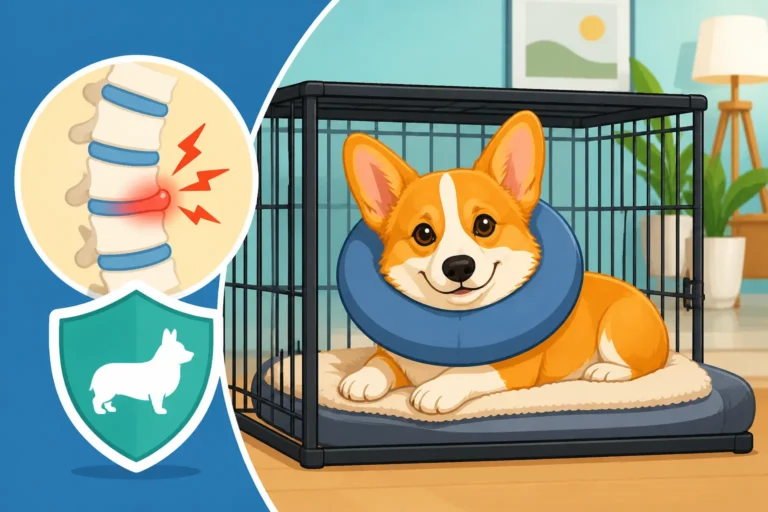
Strict crate rest protects the fragile spine of a Corgi with a disc injury, preventing pressure on the spinal cord.

Corgi herding instincts explain why these working dogs control larger canine companions using barking, nipping, and body blocking.
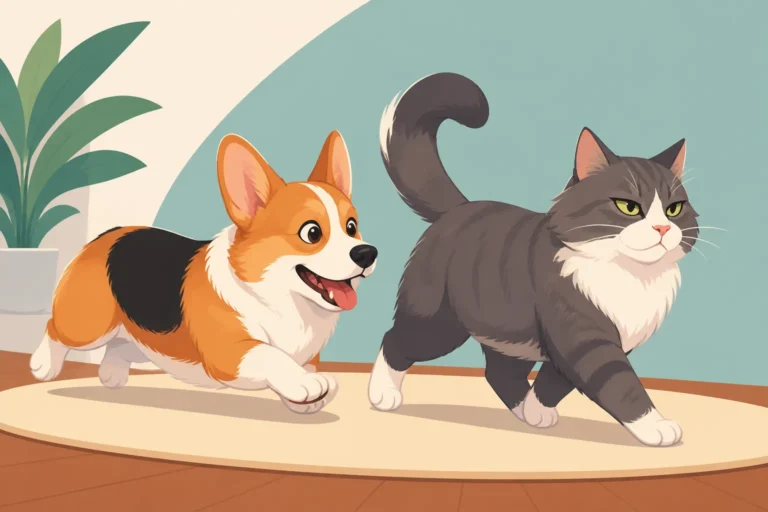
Corgi herding behavior toward family cats stems from genetic ancestry, requiring practical management strategies for calmer coexistence.
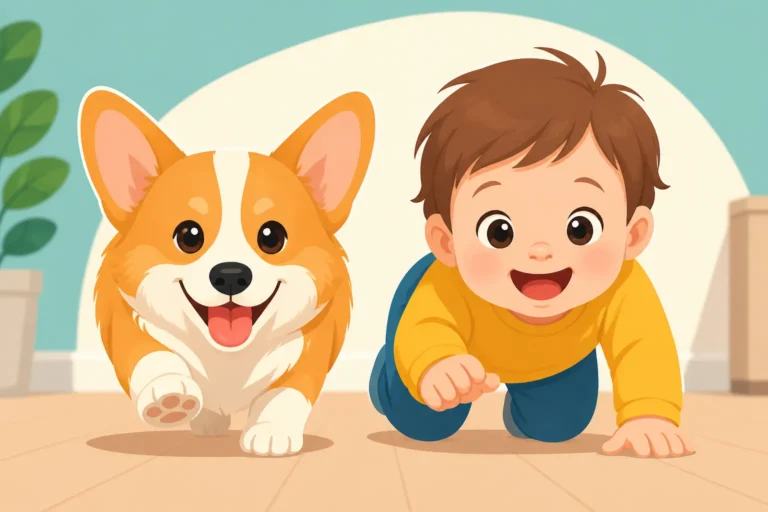
Corgi herding instincts and toddler behaviors create low-height challenges, nipping risks, and safety management needs for families.