Corgi Sass and What to Do About It
Corgi sass stems from stubbornness and intelligence, helping owners navigate strong-willed behavior and distinguish it from aggression.
Work with the temperament you have.
House-training and crate work, recall, leash manners, separation anxiety, and the behaviors this breed is wired for.

Corgi sass stems from stubbornness and intelligence, helping owners navigate strong-willed behavior and distinguish it from aggression.

Early Corgi puppy socialization between three and sixteen weeks of age prevents fear and builds confident adult behavior.

Chondrodystrophy, the long-back, short-leg trait, makes IVDD common, and a vet’s strict rest order means crate confinement and leash-only potty breaks.

Corgi herding instincts, nipping behaviors, and barking habits explained for busy households with children and other pets.

Corgi recall challenges and herding instincts explained, detailing working dog traits and why pets ignore commands to chase moving targets.

Pembroke and Cardigan Welsh Corgis nip ankles because centuries of cattle driving programmed them to herd humans.
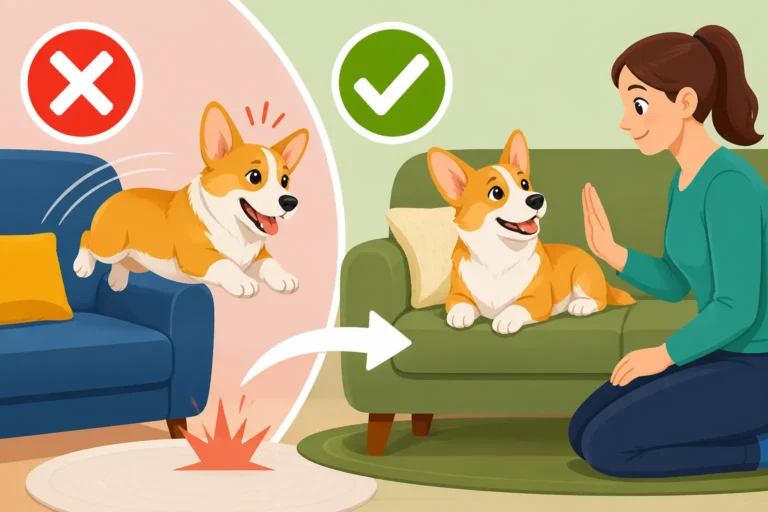
Corgi jumping off furniture causes severe spine injuries and disc disease, requiring careful home modifications and training.

Independent Corgi behavior stems from cattle herding heritage, explaining why clever dogs prioritize instincts and rewards during obedience training.

Corgi barking patterns, herding instincts, and alert behaviors explain why this small Welsh farm breed makes so much noise.

Corgi ankle nipping stems from centuries of breeding to drive cattle in Wales, explaining why these working dogs herd humans.