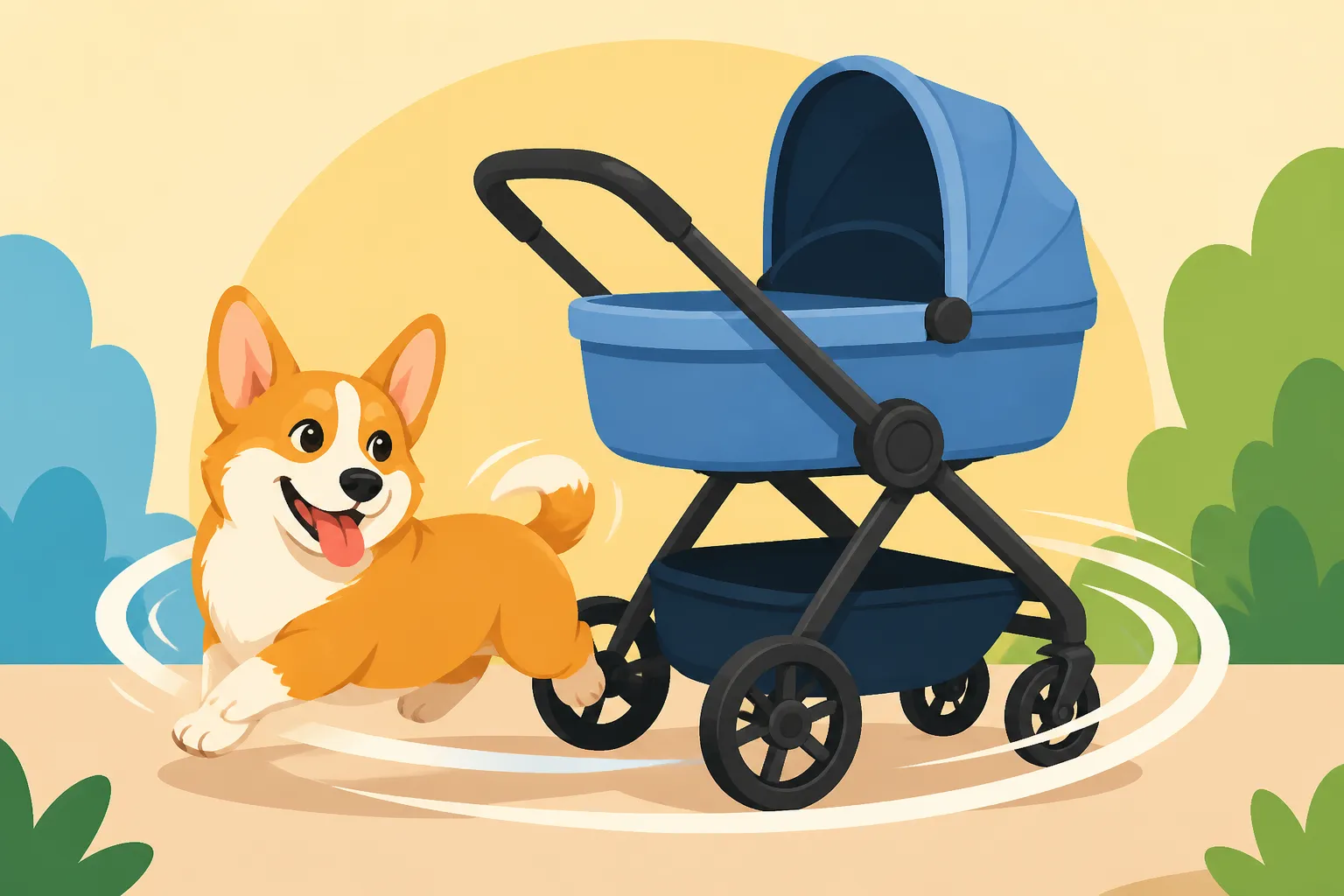
A Corgi Circling a Baby Stroller
It’s a scenario many Corgi owners with young families or even just friends with little ones know all too well: you’re out for a peaceful stroll, pushing a baby in a stroller, and your usually well-behaved Corgi suddenly transforms into a low-slung, frantic herding dog, attempting to circle the stroller as if it’s a runaway sheep. This behavior can be confusing, frustrating, and even a little embarrassing, but it stems from deep-rooted instincts. This comprehensive guide will help you understand why your Corgi acts this way and provide actionable strategies to manage and prevent stroller-circling behavior, ensuring safer, calmer outings for everyone.
Understanding the Root of the Circling Behavior
When your Corgi starts circling a baby stroller, it's not trying to be naughty or aggressive. More often than not, it's channeling generations of instinctual behavior. Corgis were bred for centuries to herd cattle, nipping at their heels and driving them. That low-to-the-ground, darting movement is ingrained.
The Herding Instinct Kicks In
Think about what a baby stroller represents to a Corgi. It's a moving object, often with a squeaky, unpredictable passenger, that's being propelled by a human. To a Corgi, especially one with a strong herding drive, this can look remarkably like livestock that needs to be "gathered" or controlled. They see movement, and their natural inclination is to get behind it, circle it, and try to direct its path. It’s not malicious; it's just their ancient programming taking over. Many Corgis show this instinct early on, even attempting to herd toddlers or other pets. We talk about The Cattle Dog Behind the Corgi quite a bit on this blog, and it really comes into play here. They’re not just cute loafs; they’re working dogs!
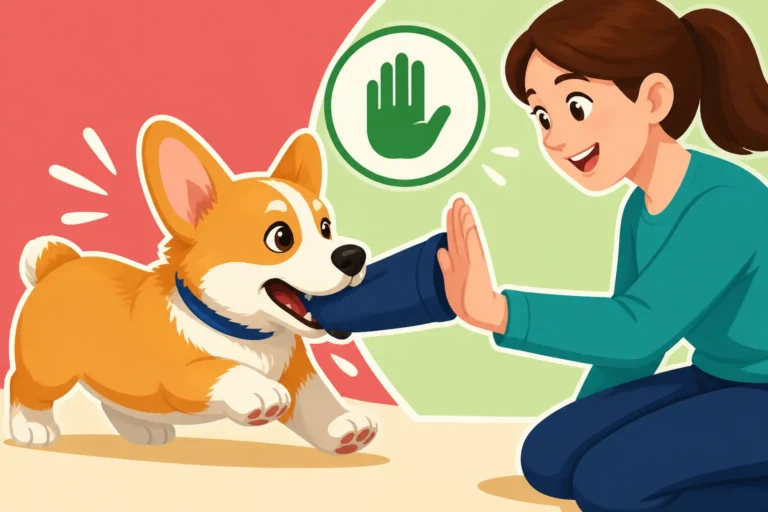
When a Corgi feels this instinctual urge, they often enter a state of heightened arousal. Their body language might include a low crouch, intense focus, perhaps some nipping at the wheels or the lower part of the stroller, and that characteristic circling pattern. They might even emit small, sharp barks or "wuffs" as if communicating with their bovine charges. It’s a full-body experience for them, and once they're in that zone, it can be really hard to redirect their attention without proper preparation.
Anxiety, Excitement, or Overstimulation
Beyond pure herding instinct, other factors can fuel this circling behavior. For some Corgis, the stroller, the baby, and the general commotion of an outing can be overwhelming. They might be experiencing anxiety, especially if they haven't been properly socialized to various sights and sounds. The circling could be a coping mechanism, a way to try and gain control over a situation they find stressful.
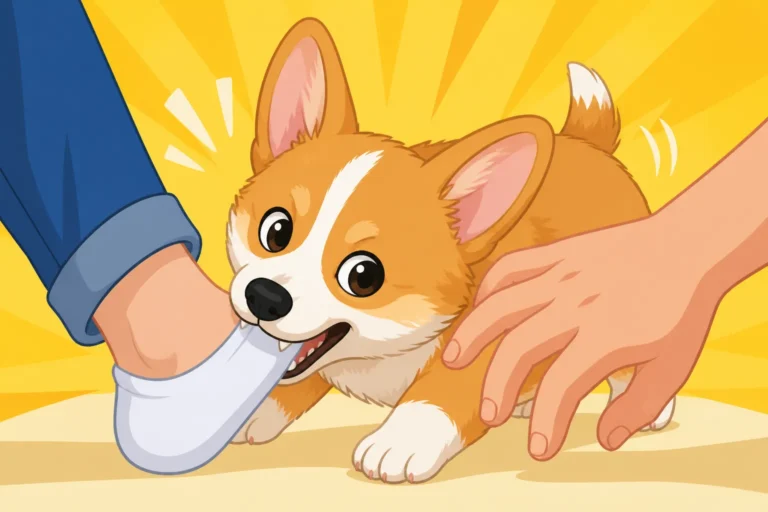
On the flip side, it could simply be extreme excitement. Corgis are known for their lively, enthusiastic personalities. A new sight, sound, or the prospect of an adventure can send them into overdrive. This over-excitement can manifest as an inability to control their impulses, leading to the circling behavior. They might just be too happy to be out and about, and the stroller becomes an outlet for all that pent-up energy and anticipation. Learning to manage their overall arousal levels is key, especially if you want to avoid issues like A Corgi That Nips Running Children.
Proactive Steps for Stroller Training
The best defense is a good offense, as they say! Proactive training and early exposure can make a huge difference in preventing stroller-circling from becoming a deeply ingrained habit. It's much easier to shape a puppy's behavior than to undo years of practice.
Early Socialization and Exposure
Starting early is paramount. If you have a Corgi puppy, or if you're planning to bring a Corgi into a home where strollers will be present, begin positive exposure to strollers as soon as possible. Don't wait until the baby arrives or until the problem starts. Introduce the empty stroller first in a calm, neutral environment, letting your Corgi sniff it, walk around it, and get comfortable with its presence.
Use high-value treats and praise to create positive associations. Walk the empty stroller around the house, then outside, slowly increasing the distance and duration. The goal is for your Corgi to see the stroller as just another boring, non-threatening object in their environment, not something exciting to chase or herd. This is part of Getting a Corgi Puppy Used to the World, a critical foundation for a well-adjusted adult dog.
Teaching a "Leave It" or "Watch Me" Cue
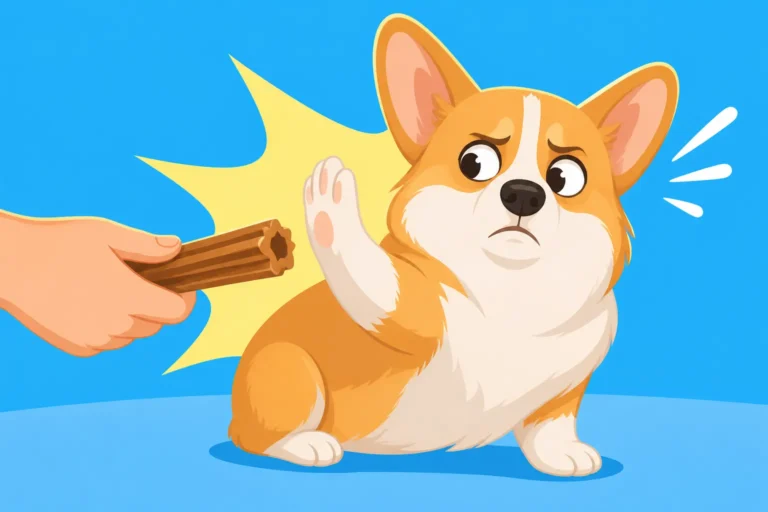
These foundational cues are invaluable for redirecting your Corgi's attention away from the stroller when the urge to circle strikes. A strong "leave it" command means your Corgi ignores the object of temptation, and a "watch me" cue means they make eye contact with you, breaking their focus on the stroller.
Start practicing these commands in low-distraction environments, gradually increasing the difficulty. Use irresistible treats to reward immediate compliance. Once your Corgi is reliable with these cues, introduce the stroller into the practice. Ask for a "watch me" as the stroller passes, or a "leave it" if they start to focus too intently on it. Consistency is key here; every time they obey, they get a reward, reinforcing that you are more interesting than the moving wheels. Training a Corgi That Makes Its Own Decisions can be challenging, but these commands give you a way to communicate effectively.
Management and Training Strategies During Outings
Once you’re actually out and about with the stroller, you need a solid plan. It's not just about stopping the circling; it's about making sure your Corgi feels secure, understands expectations, and doesn't resort to unwanted behaviors.
Leash Control and Equipment Choices
Having your Corgi on a secure, non-retractable leash is non-negotiable. A standard 6-foot leash gives you enough control without being too restrictive. If your Corgi is a strong puller or prone to lunging, consider a front-clip harness or a head halter. These tools provide better leverage and can help redirect their focus more effectively than a collar alone. Avoid retractable leashes, as they can encourage pulling and make it harder to maintain control if your Corgi suddenly darts to circle the stroller.
Think about how you're walking. Keep your Corgi on the side away from the stroller if possible, creating a physical barrier. If they start to circle, a gentle but firm leash correction paired with a "leave it" command can remind them of appropriate behavior. The goal isn’t punishment, but clear communication about boundaries.
Redirection and Positive Reinforcement
When you anticipate your Corgi might start circling, or if they're just starting, immediately redirect their attention to you. Use their favorite toy or a high-value treat to lure their gaze away. Ask for a "sit" or "heel" and reward them heavily for complying. The moment their focus shifts from the stroller to you, that’s your window to reward.
Carry a variety of treats that your Corgi absolutely loves. Small, soft, smelly treats work best, as they can be eaten quickly without breaking stride. Praise them enthusiastically for walking calmly beside the stroller. If you use positive reinforcement consistently, your Corgi will learn that calm behavior near the stroller earns them good things, making it a much more pleasant experience for everyone. If you’re looking for high-quality treats or training aids, Amazon has a wide selection of options for every Corgi palate.
Structured Walks and Designated Distraction Zones
Instead of aimlessly wandering, make your stroller walks more structured. Practice heel work with your Corgi before you even bring out the stroller. A Corgi that understands how to walk politely on a leash will be less likely to become overstimulated by the stroller.
If you know certain areas or times are particularly distracting (e.g., busy parks, during children's playtimes), try to avoid them initially. Gradually introduce your Corgi to more stimulating environments once they've mastered calm behavior in quieter settings. Consider incorporating mental enrichment activities into your walks to keep your Corgi engaged. Puzzle toys or scent work on walks can be great ways to divert their attention and provide a constructive outlet for their busy minds. For example, scattering some kibble in the grass and letting them "hunt" for it can be a wonderful distraction if they start getting fixated on the stroller.
Handling Persistent Circling and Advanced Training
Sometimes, despite your best efforts, the circling behavior persists or is very intense. This might require a more focused approach and potentially professional help.
Desensitization and Counter-Conditioning
For Corgis with a strong ingrained circling habit, you'll need to employ desensitization and counter-conditioning. This means gradually exposing your Corgi to the stroller (desensitization) while changing their emotional response to it from "must herd" to "calm and rewarded" (counter-conditioning).
Start with the stroller far away, where your Corgi notices it but doesn't react. Reward them for simply looking at it calmly. As they remain calm, slowly decrease the distance. If they start to react (even a slight twitch or intense stare), you've moved too quickly. Back up, make the exercise easier, and try again. This process takes patience and can be slow, but it's incredibly effective at changing their underlying emotional response. You want them to associate the stroller with good things, not with an uncontrollable urge to herd.
Seeking Professional Guidance
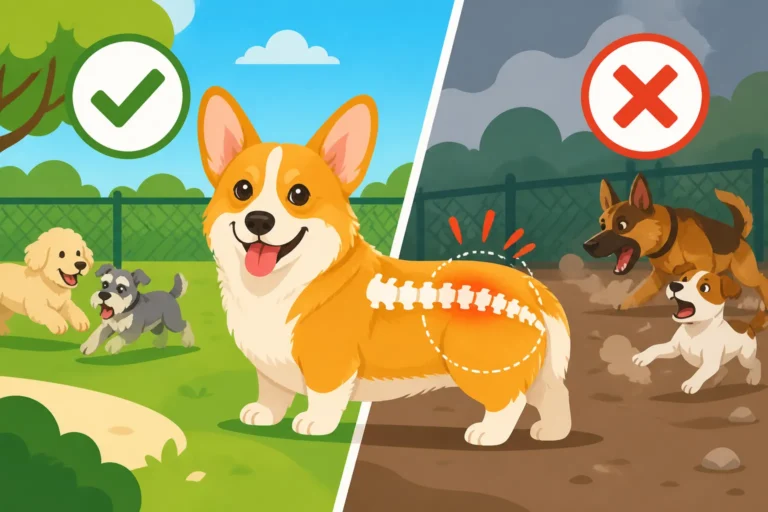
If you're finding it difficult to manage the behavior on your own, or if your Corgi's circling is accompanied by nipping, lunging, or aggression, it's time to call in a professional. A certified professional dog trainer or a veterinary behaviorist can assess your Corgi's specific situation, identify any underlying anxieties or triggers, and develop a tailored training plan. They can also help you understand if there's any pain or discomfort contributing to the behavior, which can happen as Corgis get older, especially in The Corgi Years When the Back End Gives Out.
Online training platforms can also be a valuable resource. For instance, BAXTER & Bella offers comprehensive online puppy and dog training programs that cover foundational obedience and behavior modification, which could be incredibly helpful for addressing herding instincts and managing reactivity. They often provide one-on-one coaching sessions as well, which can be invaluable for tackling specific challenges like stroller reactivity.
Consistency and Patience: The Corgi Mantra
Perhaps the most crucial aspect of training a Corgi is consistency and patience. Corgis are intelligent, but they can also be notoriously stubborn. They will test boundaries, and they will try to do what they want. If you are inconsistent with your training, sometimes allowing the circling and sometimes correcting it, your Corgi will become confused and the behavior will be harder to extinguish.
Every family member who interacts with the Corgi and the stroller needs to be on the same page. Use the same commands, the same redirection techniques, and the same rewards. Short, frequent training sessions (5-10 minutes) are often more effective for Corgis than long, drawn-out ones, especially since Short Bursts of Training a Corgi Will Take their attention more effectively. Remember, it’s a marathon, not a sprint. Celebrate small victories, and don't get discouraged by setbacks.
Creating a Harmonious Household with a Corgi and a Stroller
Ultimately, the goal is not just to stop the circling, but to foster a safe, comfortable, and harmonious environment for your Corgi and the little one in the stroller. This involves considering the Corgi’s overall needs and integrating them into family life.
Exercise and Mental Stimulation
A tired Corgi is a well-behaved Corgi. Ensure your Corgi is getting adequate physical exercise before walks with the stroller. A good romp in the yard, a game of fetch, or a brisk walk can help burn off excess energy that might otherwise manifest as herding behavior. But remember, for Corgis, physical exercise isn't enough; they also need mental stimulation.
Corgis are highly intelligent and need to use their brains. Incorporate puzzle toys, training sessions, and scent games into their daily routine. This gives their keen minds a "job" to do, fulfilling their innate desire to work and reducing the likelihood of them inventing their own "jobs," like herding the stroller. We have an article dedicated to The Job a Corgi Needs Instead of Herding You that offers many ideas for fulfilling their working dog nature.
Teaching Children Safe Interactions
If you have older children who might be pushing the stroller, or if the baby will eventually become a mobile toddler, it's essential to teach children how to interact safely and calmly with your Corgi. Running, screaming, or sudden movements can trigger a Corgi's herding instinct or even cause them anxiety, leading to nipping or circling. Our guide on Teaching Children Not to Run From a Corgi has some excellent tips for this.
Supervision is always key when Corgis and children are together. Teach children to be gentle, to respect the Corgi's space, and to avoid bothering the Corgi when it's resting or eating. This dual approach – training the Corgi and educating the children – creates a safer and more predictable environment for everyone. Understanding the dynamics of A Corgi in a House Full of Children and Animals is crucial for long-term success.
Setting Up a Calm Space
Even the most well-adjusted Corgi needs a personal retreat where they can escape the hustle and bustle, especially with a new baby and stroller around. Provide a comfortable crate or bed in a quiet area of the house where your Corgi can relax undisturbed. This is their safe haven, a place where they won't be bothered by children or the moving stroller.
Encourage them to use this space by feeding them treats or meals there. If your Corgi is becoming overwhelmed during a walk, or if the stroller is going to be parked in the living room for an extended period, guide them to their calm space. This helps them learn that they have control over their environment and a safe place to retreat to, which can significantly reduce anxiety-driven behaviors like frantic circling.
Summary Table of Stroller Circling Solutions
To help you visualize the different approaches, here's a quick table summarizing the proactive and reactive strategies for managing Corgi stroller circling.
| Strategy Type | Method | Key Action | Best For |
|---|---|---|---|
| Proactive | Early Socialization | Introduce empty stroller calmly, positive associations. | Puppies, new Corgis, preventing problem behavior. |
| Proactive | Foundation Cues | Teach "leave it," "watch me" with high rewards in low distraction. | Building communication, general obedience. |
| Management | Leash & Equipment Control | Use fixed leash, front-clip harness for better leverage. | Immediate safety, preventing physical access to stroller. |
| Management | Redirection & Positive Reinforcement | Lure attention away from stroller with treats/toys, reward calm behavior. | Interrupting nascent circling, reinforcing desired behavior. |
| Behavior Mod. | Desensitization & Counter-Conditioning | Gradual exposure to stroller, pairing with positive experiences. | Addressing established circling, changing emotional response. |
| Behavior Mod. | Professional Guidance | Consult certified trainer/behaviorist for tailored plan. | Persistent or aggressive circling, complex behavioral issues. |
| Holistic Care | Exercise & Mental Stimulation | Ensure physical and mental needs are met before walks. | Reducing overall arousal, preventing boredom-driven behaviors. |
| Holistic Care | Calm Retreat | Provide a designated, quiet safe space away from household bustle. | Reducing anxiety, offering an escape from stressors. |
Disclaimer
This article is for general informational purposes only and does not constitute professional advice. Laws, prices and regulations vary by location and change over time. Consult a qualified professional for guidance on your specific situation.