A Corgi That Will Not Let You Touch Its Feet
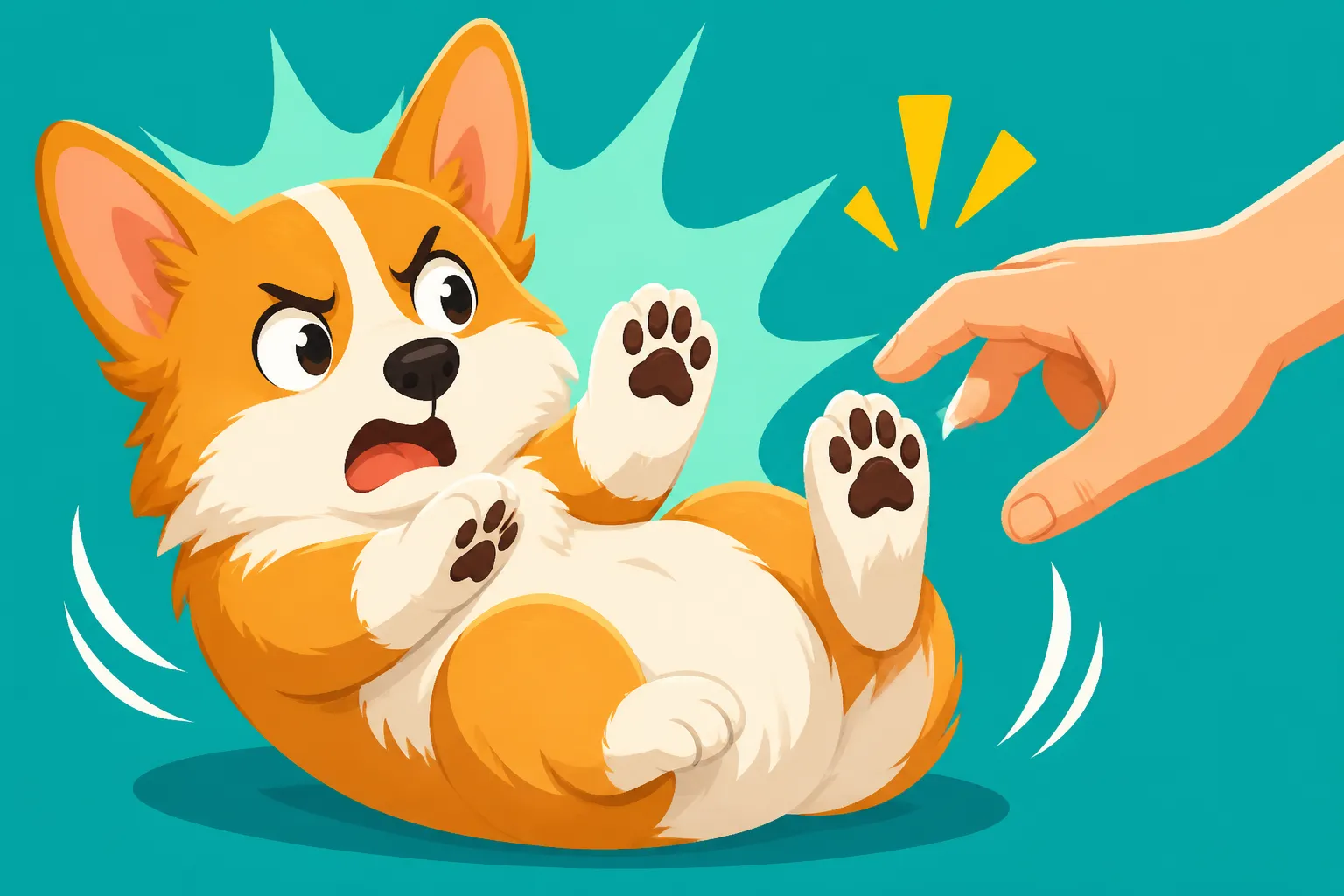
It’s incredibly disheartening when your beloved Corgi recoils or even snaps when you try to touch their paws. This isn't just a minor inconvenience; it creates a real barrier to essential care like nail trims, health checks, and even cleaning up after muddy adventures. This guide will walk you through understanding why your Corgi might be so sensitive about their feet and provide actionable, empathetic strategies to help them feel comfortable and safe with foot handling.
Why Your Corgi Might Be a Foot-Phobe
Corgis, for all their charm and fluffy appeal, can sometimes develop a strong aversion to having their feet touched. This isn't usually out of spite, but rather a combination of natural instincts, past experiences, or even underlying discomfort. Understanding the root cause is the first step toward building trust and easing their apprehension.
Natural Instincts and Early Experiences
Corgis are a herding breed, and while they may live a cushy life on your sofa now, those instincts run deep. They're often independent thinkers, and some can be quite particular about personal space, even with their favorite humans. Their low-rider stature also means their paws are often the first part of them to encounter rough terrain, puddles, or unpleasant sensations, making them naturally more aware of what's happening down there. If a Corgi puppy didn't have many positive experiences with gentle foot handling early on – perhaps a busy breeder couldn't dedicate the time, or a new owner didn't realize its importance – they might grow up associating foot touches with uncertainty or even perceived invasion of their space. This isn't a failure on anyone's part, just a missed opportunity for early positive conditioning.
Think about a Corgi puppy exploring the world: their little paws are constantly on the ground, feeling everything. If those sensations are always neutral or pleasant, they build a positive association. But if the first time someone firmly grabs their paw is for an uncomfortable nail trim without proper introduction, that can set the stage for a lifetime of avoidance. Puppies need consistent, gentle handling of all body parts, including paws, as part of their Getting a Corgi Puppy Used to the World. This foundational work can make a world of difference as they mature.
Moreover, the sheer novelty of being handled can be overwhelming for a young dog. A Corgi's independent nature means they often prefer to be in control, and having their paws restrained can feel like a loss of that control. It's not about being "stubborn" as much as it is about their innate need to assess and manage their environment. Building positive associations takes time, patience, and a recognition of their unique temperament.
Past Negative Associations
Sometimes, a Corgi's foot sensitivity stems directly from a past bad experience. Imagine your Corgi had an unfortunate encounter with a quicked nail during a trim – that sharp pain is instantly associated with someone holding their paw. Or maybe they had a thorn embedded that caused significant discomfort, and ever since, they've been wary of anyone inspecting their feet. Even an enthusiastic, but clumsy, attempt to dry muddy paws could inadvertently cause discomfort if done too roughly.
These single negative events can have a profound and lasting impact. Dogs learn quickly through association, and if touch led to pain or fear, they will understandably try to avoid similar situations in the future. It’s not that they don’t trust you, but rather that their brain has flagged foot handling as a potential threat. You might not even be aware of the specific incident, especially if you've adopted a Corgi who came with existing aversions.
Rebuilding trust after a negative association requires a systematic approach of counter-conditioning, where you change their emotional response from fear or apprehension to comfort and even anticipation. This means making every future interaction incredibly positive and predictable. It's a slow process, but an essential one for their long-term well-being and your ability to provide necessary care.
Underlying Pain or Discomfort
It's crucial not to dismiss foot sensitivity as merely behavioral without considering potential physical causes. Corgis are prone to certain health issues, particularly those affecting their back and joints, which can make any handling, especially of their hindquarters or paws, uncomfortable or painful. For instance, if your Corgi has early signs of Disc Disease in a Long-Backed Corgi or even Early Arthritis in a Corgi, being asked to balance on three legs, or having a sensitive paw manipulated, could cause them pain.
Conditions like Degenerative Myelopathy (DM), while often symptomless in early stages, can eventually manifest as weakness or instability in the hind legs, leading to changes in how a Corgi moves and feels about their feet being touched. Telling Disc Pain From DM in a Corgi is vital, as both can cause hind limb issues. A Corgi who suddenly develops foot aversion, or whose existing aversion worsens, warrants a veterinary check-up to rule out any underlying medical conditions. They might be trying to communicate pain the only way they know how.
Even less severe issues like a small cut on a paw pad, an ingrown nail, or irritation from an allergy between their toes can cause significant discomfort and lead to a strong reluctance to have their feet touched. Imagine walking around with a pebble in your shoe all day – you'd be pretty protective of your foot too! A thorough physical examination by a vet is always recommended to ensure there isn't a hidden medical reason for their behavior before proceeding with training protocols.
The Real Risks of Untouchable Paws
While a Corgi who won't let you touch their feet might seem like a manageable quirk, it poses significant challenges that can impact their health, hygiene, and overall quality of life. Ignoring the issue can lead to a cascade of problems that are far more difficult and stressful to address later.
Essential Grooming Becomes a Battle
Regular foot care is non-negotiable for a Corgi. Their nails need frequent trimming to prevent them from growing too long, which can cause pain, splayed toes, and even spinal problems. Overly long nails can alter their gait, putting unnecessary strain on their joints and back, an area where Corgis are already vulnerable. If you can't touch their feet, nail trims become a source of immense stress for both of you, often requiring sedatives or professional handling, which adds cost and anxiety. This is why addressing Clipping Nails on a Corgi That Objects is so important.
Beyond nails, Corgis, with their low stature and sometimes fluffy feet, are magnets for mud, debris, and burrs. Their paws can trap dirt and moisture between the pads and toes, leading to skin irritation, infections, or matting of the fur. Fur Between a Corgi's Toes needs regular checking and sometimes trimming. If you can't even get close enough to inspect or clean their paws, these minor issues can quickly escalate into painful infections requiring veterinary intervention. Imagine trying to clean a wound on your own foot if you couldn't even look at it properly – it’s frustrating and ineffective.
Furthermore, keeping their paws clean prevents tracking dirt and allergens into your home. A Corgi whose feet are perpetually dirty and unkempt due to an inability to handle them can lead to a less hygienic living environment for everyone. Simple tasks like wiping their paws after a walk become an impossible feat, highlighting just how fundamental foot handling is to their daily care routine.
Missing Critical Health Clues
Your Corgi's paws are a window into their overall health, and a reluctance to let you touch them means you could easily miss early warning signs of more serious conditions. Beyond the obvious cuts or thorns, their paw pads, nails, and the skin between their toes can indicate a variety of issues. Swelling, redness, unusual growths, or persistent licking might be the first indicators of allergies, infections, autoimmune diseases, or even tumors. If you can’t regularly inspect their feet, these subtle changes can go unnoticed until they become advanced and more difficult to treat.
For Corgis, given their predisposition to back issues like IVDD and conditions like Degenerative Myelopathy and the Corgi, changes in paw posture or gait can be crucial early indicators. For example, a Corgi who starts to scuff their nails or drag their paws might be showing early signs of neurological decline. The First Signs of DM in a Corgi often include changes in hind limb coordination. Being able to comfortably examine their feet allows you to spot these subtle but significant changes, prompting an earlier veterinary visit and potentially better outcomes.
During routine veterinary exams, the vet needs to be able to thoroughly check every part of your Corgi, including their paws and legs. If your dog becomes aggressive or extremely stressed during this part of the exam, it can hinder the vet's ability to properly assess them, possibly requiring sedation for a basic check-up. This not only adds to the cost but also to the stress on your Corgi. Early positive experiences with handling, even at the vet, are critical, as discussed in The Vet Visits a Corgi Puppy Needs First.
Gentle Steps to Desensitize Those Sensitive Paws
Helping your Corgi overcome their foot aversion is a marathon, not a sprint. It requires immense patience, consistency, and a commitment to positive reinforcement. The goal is to change their emotional response from fear or anxiety to calm acceptance, or even enjoyment.
Starting With Positive Reinforcement
The foundation of successful desensitization is positive reinforcement. This means making every interaction with their paws a positive one, associating touch with something wonderful – usually high-value treats. Begin in a calm, quiet environment where your Corgi feels safe and relaxed, away from distractions. Don't push them; the aim is to stay well below their threshold for discomfort.
Start by simply touching a non-sensitive part of their body, like their shoulder or side, and immediately follow with a high-value treat and verbal praise. Repeat this several times. Once they are comfortable, move your hand a little closer to their leg, perhaps just touching their upper leg or thigh, and immediately reward. Keep sessions very short – just a few minutes – and end on a positive note before your Corgi shows any signs of stress. The idea is to build a "bank account" of positive associations.
As your Corgi accepts these initial touches, gradually decrease the distance until you can briefly touch their paw or even just a toe, again immediately rewarding them. It’s crucial that the reward follows the touch instantly, so they clearly link the two. If they pull away or show any discomfort, you've gone too fast; simply go back to a step where they were comfortable and try again with even more gentle pressure or a shorter duration of touch. Think of it like a dance, one step forward, sometimes two steps back, but always with patience and understanding. Many online training programs, like those offered by BAXTER & Bella, emphasize these systematic positive reinforcement techniques that can be incredibly helpful.
Gradually Increasing Touch and Duration
Once your Corgi consistently tolerates a brief, gentle touch to their paw, you can slowly begin to increase the duration and intensity of the touch. Instead of a quick touch-and-treat, try holding their paw for one second, then two, always followed by the treat. If they remain relaxed, you can experiment with gently separating their toes or touching their paw pads. This is where you'll really be working on what's needed for things like Teaching a Corgi to Accept Brushing on their legs and feet.
It's vital to read your Corgi's body language closely. Are their ears back? Are they licking their lips, yawning, or turning their head away? Are they trying to pull their paw back? These are all signs of discomfort, and you need to stop and revert to an easier step. The goal is to keep them relaxed and happy throughout the process. Never force them or reprimand them for pulling away; this will only reinforce their fear.
You can also vary who touches their paws, once they are comfortable with you. Other trusted family members can go through the same gradual process, starting with simple touches and rewards. This helps generalize the positive experience, so they don't only tolerate foot handling from one person. Remember, consistency across all handlers is key to success, ensuring everyone uses the same gentle approach and high-value rewards.
Introducing Grooming Tools Mindfully
Once your Corgi is completely comfortable with you handling their bare paws, you can start to introduce grooming tools. This needs to be a separate desensitization process, as the sight or sound of clippers or grinders can be intimidating. Start by simply having the tool visible nearby while you give treats. Then, gradually move it closer.
For nail clippers, let your Corgi sniff them, give a treat. Tap the clippers on something inanimate so they hear the sound, then treat. Next, gently touch the clippers to their paw, without actually clipping, and immediately treat. Build up to briefly touching a clipper to a nail, then cutting just the very tip of one nail (if possible without resistance), and showering them with praise and treats. For many Corgi owners, Whether a Grinder Is Easier on Corgi Nails is a common question, and it's worth exploring if the sound and vibration are less alarming than the 'snip' of clippers for your particular dog.
If you're using a grinder, start by turning it on in another room, then bringing it closer, treating as you do. Let them investigate the off grinder, then the on grinder at a distance, always paired with rewards. Slowly move towards touching the off grinder to their paw, then the on grinder briefly to a non-sensitive part of their paw (like the hair, not the nail). The key is to break down the process into tiny, manageable steps, always ensuring a positive association. This might take weeks or even months, but the payoff of a calm Corgi during nail trims is absolutely worth the effort.
Practical Tools and Techniques for Success
Beyond the behavioral work, there are practical strategies and tools that can make the process of paw handling and grooming much easier for both you and your Corgi. Creating the right environment and using appropriate aids can significantly reduce stress.
Creating a Calm and Safe Environment
The environment in which you practice paw handling can make a huge difference. Choose a time when your Corgi is already relaxed, perhaps after a potty break or a gentle walk, but not over-tired or hyper. Avoid times when they might be anticipating food or play, as their excitement might make them less receptive to calm handling. A quiet room, free from sudden noises or other pets, is ideal.
Using non-slip surfaces can also help. Many Corgis feel insecure on slick floors, and this insecurity can heighten their anxiety about being handled, especially if it involves balancing. Placing a non-slip mat or a thick rug on the floor where you practice can provide them with a sense of stability and safety. You can easily find various sizes and materials on Amazon to suit your home. For some dogs, performing grooming tasks on a sturdy grooming table with a non-slip surface, often used by professional groomers, can provide a more contained and secure feeling than being on the floor.
Consider using calming aids if your Corgi is particularly anxious, but always consult your vet first. Pheromone diffusers, calming chews, or even a soft wrap (like a Thundershirt) can help some dogs feel more secure during training sessions. The goal is to make the experience as low-stress as possible, setting your Corgi up for success rather than reinforcing their anxiety. Remember, consistent positive experiences are the ultimate calming aid.
Choosing the Right Tools and Aids
Having the right tools can simplify the process immensely. For nail care, decide if clippers or a grinder will work best for your Corgi. Whether a Grinder Is Easier on Corgi Nails is a personal choice, but many owners find the Dremel-style rotary grinders, available on Amazon, to be less frightening than clippers, as they don't create the sudden pressure or "snip" sound. They also allow for more precise removal of small amounts of nail, reducing the risk of quicking.
Consider a lick mat or a puzzle toy smeared with peanut butter (xylitol-free!), cream cheese, or wet dog food. These can be incredibly distracting and rewarding during paw handling sessions. Your Corgi will be happily engaged in licking, diverting their attention from their paws while you gently work. This technique is often recommended in comprehensive training programs, such as those from BAXTER & Bella, to make unpleasant tasks more tolerable.
For cleaning muddy paws, instead of wrestling with them, try using a paw washer cup filled with a little warm water and dog-safe soap. Many Corgis find this less intrusive than having their feet scrubbed. Gently insert their paw, twist, and then dry. Similarly, soft, plush towels that absorb water well can make the drying process quicker and more comfortable. Remember, the ultimate goal of all these tools is to make paw handling a neutral or even pleasant experience for your Corgi, protecting their Long Nails and How a Corgi Places Its Feet from damage.
Comparison of Nail Trimming Tools
| Feature | Nail Clippers (Guillotine/Scissor Style) | Rotary Grinder (Dremel Style) |
|---|---|---|
| Method | Cuts off the tip of the nail with a sharp blade. | Sands down the nail gradually with a rotating abrasive drum. |
| Speed | Fast, quick "snip." | Slower, gradual removal. |
| Noise/Vibration | Sudden "snip" sound, little vibration. | Constant buzzing sound, noticeable vibration. |
| Risk of Quicking | Higher risk if cut too far back due to quick's location. | Lower risk as you remove small layers; can still quick. |
| Edge Finish | Can leave sharp edges; may need filing. | Smooths and rounds the nail edge. |
| Comfort for Dog | Some dogs dislike the sudden pressure or sound. | Some dogs dislike the sound/vibration; others prefer it. |
| Best For | Confident dogs, quick trims, very thick nails. | Sensitive dogs, puppies, precise shaping, reducing quick risk. |
| Learning Curve | Requires skill to avoid quick; practice on dry pasta. | Requires patience; slow introduction to sound/vibration. |
Remember, the best tool is the one your Corgi tolerates most comfortably. It might take some experimentation to find the right fit for your furry friend.
Disclaimer
This article is for general informational purposes only and does not constitute professional advice. Laws, prices and regulations vary by location and change over time. Consult a qualified professional for guidance on your specific situation.