Whether a Grown Corgi Unlearns Nipping
It's incredibly frustrating when you've put in the effort with your Corgi puppy, teaching them right from wrong, only to find that as they grow, some of those nipping habits just refuse to disappear. You might wonder if a grown Corgi ever truly "unlearns" nipping, or if it's just something you'll have to live with forever. This comprehensive guide will delve into why Corgis nip, why it can be so hard to break, and what consistent, empathetic strategies you can employ to redirect this deeply ingrained behavior, even in adulthood.
Understanding the Root of the Corgi Nip
The Corgi nip isn't typically born of malice; it's a deeply ingrained behavioral trait stemming from centuries of selective breeding. Understanding this origin is the first step toward effective management and redirection.
The Herding Instinct: It's Not Malice
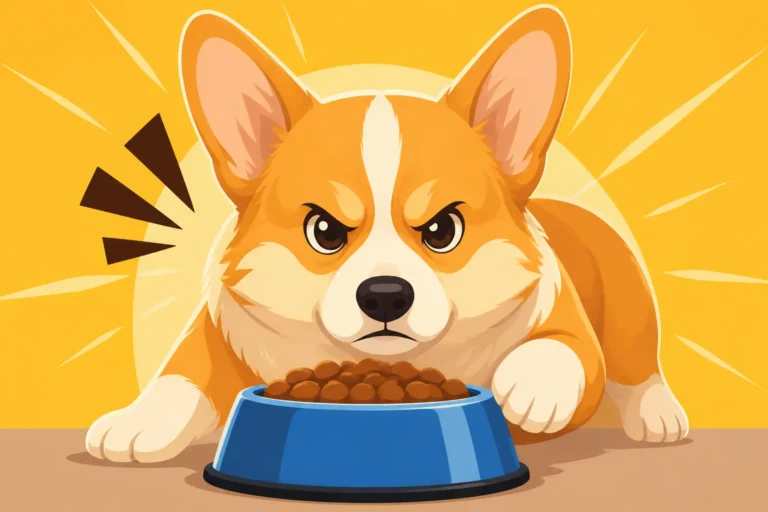
Let's be real: Corgis were bred to herd cattle, often much larger and less cooperative than themselves. How did a dog standing barely a foot tall manage this? By being low to the ground and agile enough to nip at the heels of stubborn livestock, ducking out of the way before they could be kicked. This "heel nip" was essential to their job, a survival mechanism and a primary tool for control. It's truly fascinating, but it also means that this behavior is hardwired into their DNA.
When your adult Corgi suddenly nips at your ankles as you walk across the kitchen, or goes for a child's heels during playtime, it's very rarely an act of aggression. Instead, it's often a manifestation of this ancient herding instinct kicking in. They see movement, they feel the urge to "gather" or "control" it, and their natural response is that quick, sharp nip. You might feel frustrated, even a little hurt, and that's totally valid. It can feel personal when your beloved dog nips you, but remember, it’s not about disrespect or anger; it’s about instinct. This is why addressing The Cattle-Driving Nip a Corgi Still Has is so crucial from puppyhood, but even grown Corgis can benefit from a clearer understanding of how to manage this innate urge.
Nipping Beyond Herding: Play, Attention, and Frustration
While the herding instinct is a major player, it's not the only reason a grown Corgi might nip. Just like toddlers exploring the world with their mouths, puppies learn a lot through mouthing and nipping. If those boundaries aren't consistently reinforced during puppyhood, or if other needs aren't met, nipping can become a default behavior for a variety of reasons:
- Over-excitement during play: A Corgi that gets overly excited during a game of fetch or tug might accidentally nip a hand in their enthusiasm. They might not be trying to hurt you, but their arousal levels are just too high.
- Seeking attention: If nipping gets a reaction – even a negative one like shouting or pushing them away – your Corgi might learn that it's a reliable way to get your focus. They might not care if it's "good" attention or "bad" attention, just that they got some.
- Frustration or anxiety: Sometimes, a nip can be a sign that your Corgi is stressed, anxious, or frustrated. Perhaps they're not getting enough mental stimulation, feel uncomfortable in a situation, or are simply overtired and grumpy. This is often the case when a Corgi nips when being groomed, handled, or confined.
- Pain or discomfort: Less common, but still possible, is that a nip could be a reaction to pain. If your Corgi suddenly starts nipping more than usual, especially when touched in a certain area, a vet check is definitely in order to rule out any underlying health issues. This is particularly important for a breed prone to back issues.
Understanding the specific trigger for your Corgi's nipping is critical. Is it always when someone runs? Is it when you reach for their collar? Is it when they're overstimulated? Pinpointing the "when" helps you address the "why," which then informs the "how" to redirect.
Why Nipping Persists in Adulthood (and What Doesn't Work)
You've probably tried various things to stop the nipping, and it's demoralizing when those efforts don't seem to stick. It's easy to feel like you're failing, but the truth is, you're up against some powerful forces.
The Challenge of Unlearning an Innate Behavior
Think about it: asking a Corgi to stop nipping entirely is a bit like asking a retriever not to fetch, or a border collie not to herd. It's asking them to suppress a behavior that's deeply embedded in their genetic makeup. While it's not impossible to manage, it takes more than just a quick fix or a harsh reprimand. The brain pathways for these instinctual behaviors are well-worn, like a deep groove in a record. Simply telling them "no" might momentarily interrupt the behavior, but it doesn't change the underlying impulse.
Many Corgi owners find that while they might successfully curb overt nipping, a subtle version, such as A Corgi That Grabs Trouser Legs, can persist. This isn't because your Corgi is being deliberately disobedient; it's because that instinct is still bubbling just under the surface, and they're always looking for an outlet. They're trying to communicate, and if nipping has worked in the past, even accidentally, they'll resort to it.
Common Mistakes That Accidentally Reinforce Nipping
It’s easy to fall into traps that, unbeknownst to us, actually make the nipping worse. We often react instinctively, which can unfortunately be exactly what a Corgi interprets as encouragement.
- Loud reactions or chasing: When your Corgi nips, your natural reaction might be to yelp, pull your hand away quickly, or even chase them. To a Corgi, especially a herding breed, these reactions can be perceived as part of the game. A high-pitched "ouch!" might sound like another dog yelping in play, and a quick retreat can look like you're playing chase. This inadvertently rewards the nipping by providing exactly the stimulation and interaction your Corgi was seeking.
- Inconsistent boundaries: Imagine one family member allows playful mouthing, another punishes it, and a third ignores it. This creates immense confusion for your Corgi. They don't understand the rules because the rules keep changing. Inconsistency is the enemy of effective training, especially when dealing with ingrained behaviors like nipping. Everyone in the household, and even regular visitors, needs to be on the same page about how to react to and prevent nipping.
- Lack of appropriate outlets: If your Corgi isn't getting enough mental and physical stimulation, they'll find their own "job." And for a Corgi, that job often involves controlling movement, which leads back to nipping. If they're bored or have pent-up energy, your ankles become a convenient substitute for a stubborn cow. This is why understanding Why a Corgi Nips Rather Than Bites is so important – it’s about control, not aggression, in most cases.
Strategies for Redirecting a Grown Corgi's Nipping
So, how do you address a behavior that's hardwired? It's all about consistent management, redirection, and teaching alternative behaviors. It's a marathon, not a sprint, but with patience, you can see significant improvement.
Consistent Management and Environment Setup
Prevention is often the best medicine, especially when you're trying to break an old habit. Your goal is to make it as difficult as possible for your Corgi to practice nipping, while simultaneously setting them up for success.
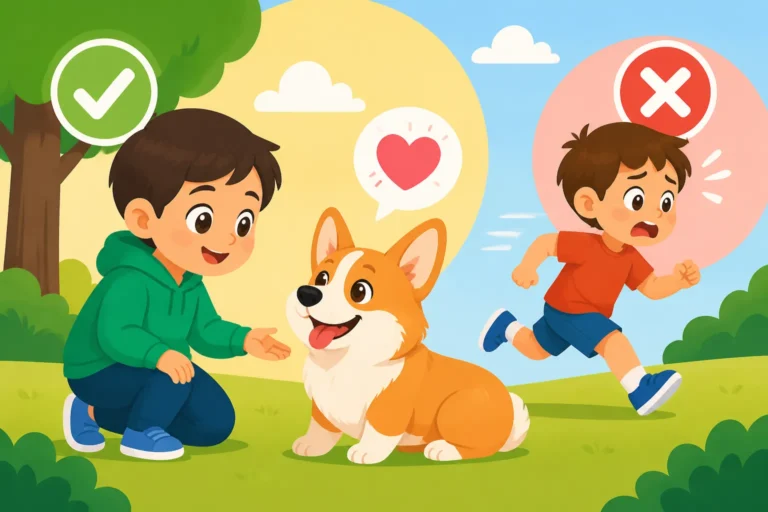
- Physical barriers: Baby gates are your best friend. If your Corgi tends to nip when you're moving between rooms, use gates to create "safe zones" where they can't access your ankles. This is especially helpful in homes with children where A Corgi That Nips Running Children is a concern. For instance, you might gate off the kitchen when you're cooking or the hallway during busy times. This isn't punishment; it's managing the environment to prevent the behavior.
- Leash management indoors: For particularly persistent nippers, keeping a lightweight leash on your Corgi when you're home can be a game-changer. It allows you to quickly and calmly redirect them without chasing or grabbing. If they start to go for your heels, you can step on the leash gently (not yank, just step) to stop their movement, then offer an appropriate chew toy. This teaches them that nipping doesn't get them what they want (your attention or control of movement), but engaging with a toy does.
- Pre-emptive exercise: A tired Corgi is often a good Corgi. Ensure your adult Corgi is getting adequate physical exercise before times when nipping is most likely to occur. This doesn't mean just letting them out in the yard; Corgis need structured walks, playtime, and mental challenges. If they're regularly getting their energy out, they'll be less likely to resort to nipping out of boredom or excess vigor.
Teaching Alternative, Acceptable Behaviors
The key to "unlearning" a behavior isn't just stopping it; it's replacing it with something else. What do you want your Corgi to do instead of nip?
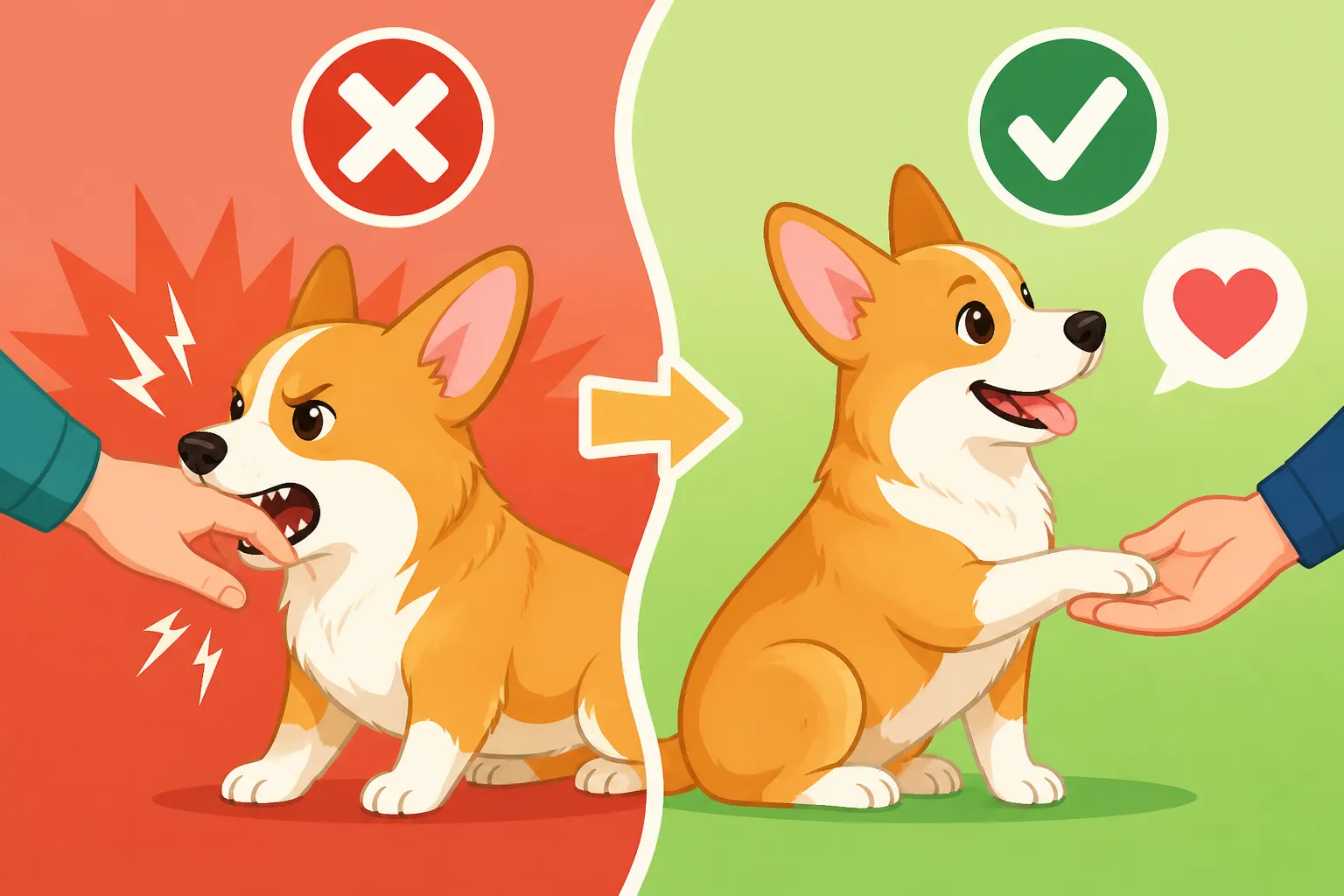
- Substitute with a toy: Always, always have a toy readily available. A soft frisbee, a tug toy, or even a sturdy chew toy. The moment your Corgi even thinks about nipping, or when you anticipate a nipping scenario, redirect them to the toy. Wiggle it, make it exciting, and engage them in appropriate play. If they start to mouth you, immediately stop interacting with them and re-engage with the toy. The goal is to teach them: "Mouth on human = fun stops. Mouth on toy = fun continues." This is a fantastic way to introduce Teaching a Corgi to Herd a Ball Instead.
- Reinforce calm greetings: Many Corgis nip during excited greetings. Teach a "four paws on the floor" rule for greetings. If they jump or nip, turn your back and walk away. Only re-engage when all four paws are on the ground. When they stay calm, reward them with praise and a calm pet. The same goes for any situation where you anticipate nipping; reward the absence of the nip and the presence of calm.
- Positive interrupters: Instead of a harsh "no," teach a positive interrupter sound – a specific kissy noise, a gentle clap, or a word like "cookies!" – that gets your Corgi's attention without sounding like a challenge or part of the game. When they hear the sound, they should look at you. Reward that eye contact, then redirect to a desirable behavior or toy. This breaks the nipping cycle and gives you a moment to intervene. This strategy is also useful for Redirecting a Corgi Off Ankles.
Structured Training and Mental Engagement
Corgis are intelligent dogs who thrive on having a job, even if that job is just learning new tricks. Mental stimulation is just as important as physical exercise for a grown Corgi to prevent boredom-induced nipping.
- Short, frequent training sessions: Corgis are smart, but they can be stubborn and have short attention spans for repetitive tasks. Keep training sessions brief (5-10 minutes), fun, and frequent throughout the day. Focus on impulse control exercises like "leave it," "stay," and "wait." These teach them self-control and that good things come to those who wait, which can translate into less reactive nipping. Whether a Corgi Works for Anything but Food is a question many owners ask, but using high-value treats can definitely keep their attention.
- Puzzle toys and scent work: Engage your Corgi's mind with interactive puzzle toys that dispense treats. Snuffle mats and KONGs filled with frozen goodies can keep them occupied and mentally stimulated, redirecting their energy away from undesirable behaviors. Scent work, where they use their powerful noses to find hidden treats or toys, is another fantastic, low-impact activity that tires them out mentally. Consider exploring Scentwork as a Sport That Spares a Corgi's Back as a regular activity.
- Obedience classes: Even if your Corgi is an adult, enrolling in an advanced obedience class or a specialized "manners" class can be incredibly beneficial. A good trainer can provide tailored advice and help you refine your techniques. Plus, the structured environment and exposure to other dogs (without direct interaction if nipping is an issue) can be great for their socialization and focus. Many Corgis actually enjoy formal obedience, and it helps them bond with you. Knowing Whether a Corgi Suits Group Classes is important for your Corgi’s individual temperament.
| Nipping Trigger Scenario | Common Owner Reaction (Ineffective) | Effective Redirection Strategy | Key Takeaway |
|---|---|---|---|
| Running Children/People | Shouting "No!" or chasing the Corgi | Create physical barriers (gates). Call Corgi to a "place" command. Engage with a designated herding toy (e.g., ball). | Redirection, not reaction. |
| Excited Greetings | Petting/talking while dog jumps/mouths | Turn back and walk away. Re-engage only when 4 paws on floor. Offer a chew toy calmly. | Reward calm, ignore over-excitement. |
| Seeking Attention | Pushing Corgi away, verbal reprimands | Teach an alternate behavior (e.g., "sit" for attention). Ignore unwanted behavior, reward desired. | Attention for calm behavior. |
| Boredom/Frustration | Leaving Corgi to self-entertain | Provide puzzle toys, short training sessions, scent work. Increase structured exercise. | Mental and physical enrichment. |
| Leash Grabbing | Pulling leash away, wrestling | Drop leash immediately. Redirect to a toy, then pick up the leash. | Make the leash less "fun" to mouth. |
Long-Term Success: Patience and Understanding
Changing an ingrained behavior in an adult dog requires immense patience and a commitment to consistency. There will be setbacks, but staying the course is vital.
The Importance of a United Household Front
This cannot be stressed enough: everyone who interacts with your Corgi needs to be on the same page. If one person allows nipping during play, even occasionally, it undermines all the hard work everyone else is doing. Imagine your Corgi finally learning that nipping at your partner's ankles doesn't work, but then your child yelps and runs when nipped, accidentally reinforcing the behavior. The Corgi will become confused and default back to what sometimes works.
Before you even start implementing new strategies, gather everyone in the household for a serious chat. Discuss the new rules, the new reactions, and the importance of consistency. Agree on specific phrases, redirection methods, and what toys to use. Even discuss with regular visitors how they should interact with your Corgi. This united front is crucial for your Corgi to truly understand what's expected of them. Without it, you’ll find it’s incredibly difficult for Whether a Grown Corgi Unlearns Nipping to ever happen fully.
When to Seek Professional Guidance
While many Corgi owners can manage and significantly reduce nipping with consistent effort, there are times when professional help isn't just beneficial, it's essential.
- Aggression or injury: If your Corgi's nipping is escalating to actual bites that break skin, causes fear in family members, or is accompanied by other aggressive behaviors like growling or snapping, it's time to call in the cavalry. This is beyond typical herding behavior and needs expert intervention.
- Lack of progress: If you've been consistently implementing the strategies outlined here for several weeks or months and are seeing little to no improvement, don't get discouraged – just get help. A certified professional dog trainer or a veterinary behaviorist can observe your Corgi's behavior, identify underlying triggers you might be missing, and develop a personalized training plan. They can assess if there are any medical reasons for the behavior or if it's related to anxiety or fear.
- Specific contexts: If the nipping only happens in very specific, challenging contexts (e.g., vet visits, grooming, meeting new people), a professional can help you desensitize your Corgi to those situations and build positive associations. Remember, Whether a Trainer Understands a Herding Corgi is key; seek out someone with experience in herding breeds and positive reinforcement methods.
While it’s rare for a Corgi to completely "unlearn" the instinct to nip, they can absolutely learn to suppress it and redirect it to appropriate outlets. With dedication, a clear plan, and perhaps some professional guidance, you can teach your grown Corgi to be a polite, well-mannered companion, leaving those nippy tendencies firmly in the past. It’s a journey, but a rewarding one for both you and your beloved furry friend.
Disclaimer
This article is for general informational purposes only and does not constitute professional advice. Laws, prices and regulations vary by location and change over time. Consult a qualified professional for guidance on your specific situation.