A Corgi That Leaps From the Car
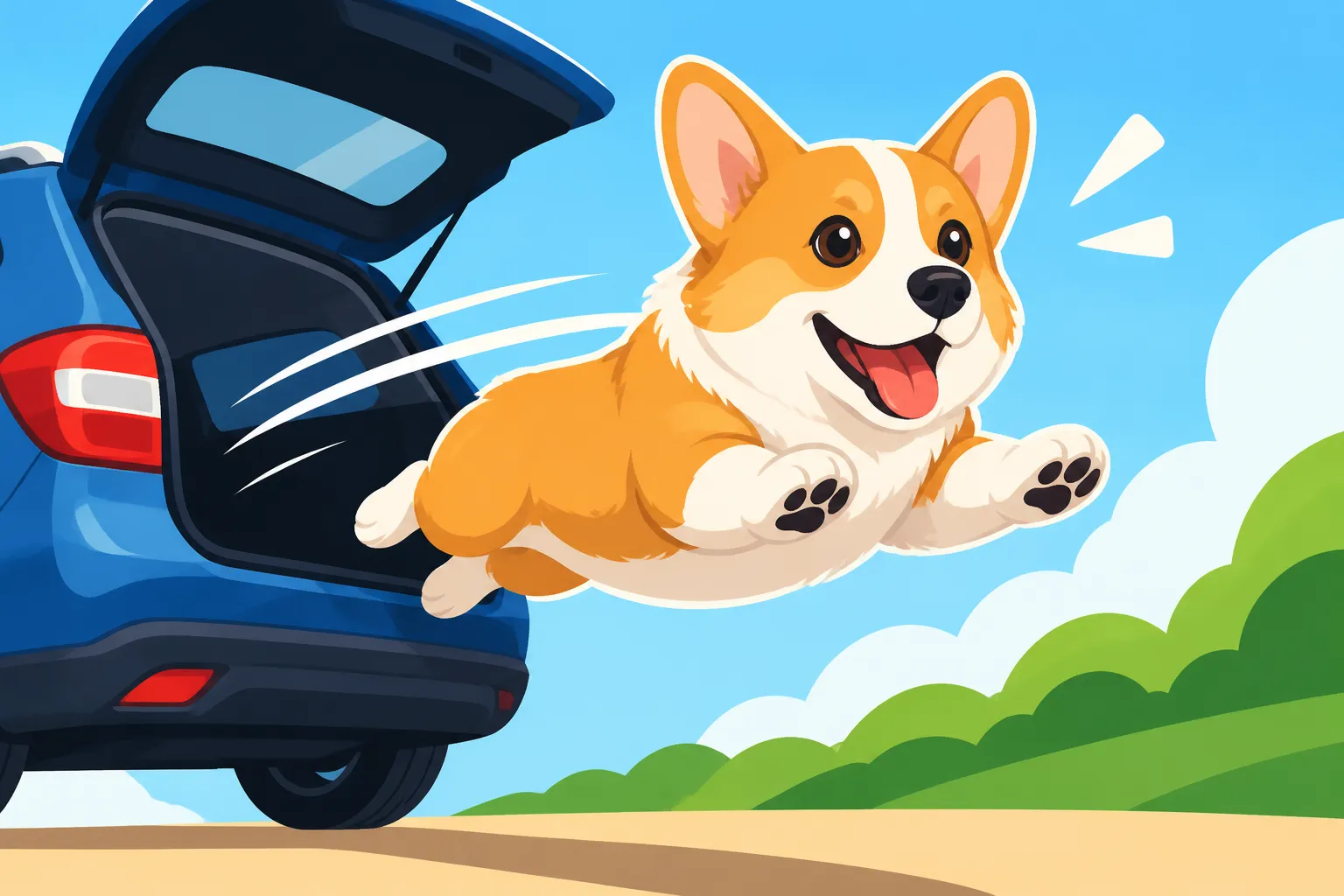
It's a scene many Corgi owners know all too well: you pull up to your destination, perhaps the dog park or even just home, and before you can even get your seatbelt off, your enthusiastic Corgi has already launched themselves out of the car. It's not just annoying; it's a genuine safety hazard that can lead to serious injury for your low-rider and incredible stress for you. This guide is all about understanding why your Corgi feels the need for speed when exiting the car and, more importantly, how you can put a stop to this risky behavior once and for all.
Why Your Corgi Jumps Out of the Car
It might seem like sheer disobedience, but there are usually very good reasons behind your Corgi's hasty exits. They aren't trying to frustrate you, they're simply acting on instinct, excitement, or a learned pattern. Understanding the root cause is the first step toward correcting the behavior.
The Excitement Factor
Corgis are bundles of joy and energy, and often, their exuberance just gets the better of them. For many dogs, a car ride means an adventure: a trip to the park, a walk in a new neighborhood, or a visit to their favorite human friend. The moment that car door opens, it's like a gate has swung open to a world of endless possibilities, and they just can't wait to get started.
This heightened state of excitement can make it incredibly difficult for your Corgi to control themselves. Their brain gets flooded with feel-good chemicals, and all the training you've done might just fly right out the window in that instant. It’s not about them being 'bad'; it’s about their emotional state overriding their impulse control. They're so focused on the fun ahead that they don't even process the potential dangers or your commands.
The Herding Dog Impatience
Let's not forget, Corgis are herding dogs at heart. That means they're intelligent, independent, and often quite opinionated. They were bred to make decisions on their own, to move livestock, and to be quick on their feet. This innate drive can translate into a "I know what I'm doing, let's go!" attitude when it comes to car exits. They might see the open door as their cue to take charge and get to where they need to be.
This strong drive for independence means they might not naturally defer to you for permission before exiting the vehicle. They're not waiting for a signal; they're creating their own. It’s part of that wonderful Corgi sass we often talk about, but in this context, it can be problematic. The Cattle-Driving Nip a Corgi Still Has is a testament to their ingrained working instincts, and that forward momentum can definitely show up in car exits too.
Lack of Understanding of Consequences
Most Corgis who leap from cars simply haven't learned that it's dangerous, or that there's a better way. They get away with it most of the time without immediate negative consequences, so why wouldn't they keep doing it? They don't grasp the concept of an oncoming car, a slippery patch of pavement, or the strain on their own back as they land awkwardly.
For them, the reward (being out of the car and starting the fun) far outweighs any perceived risk, because they often don't perceive the risk at all. It's our job as their guardians to teach them the consequences through consistent training and management, showing them that a calmer, controlled exit is not only safer but also ultimately leads to the same desired outcome.
The Dangers of Car Leaping for a Corgi
While your Corgi might see car leaping as an exciting shortcut to adventure, it carries significant risks that every owner needs to be aware of. Given their unique physical structure, these dangers are often magnified for our short-legged friends.
Spinal Injury Risk
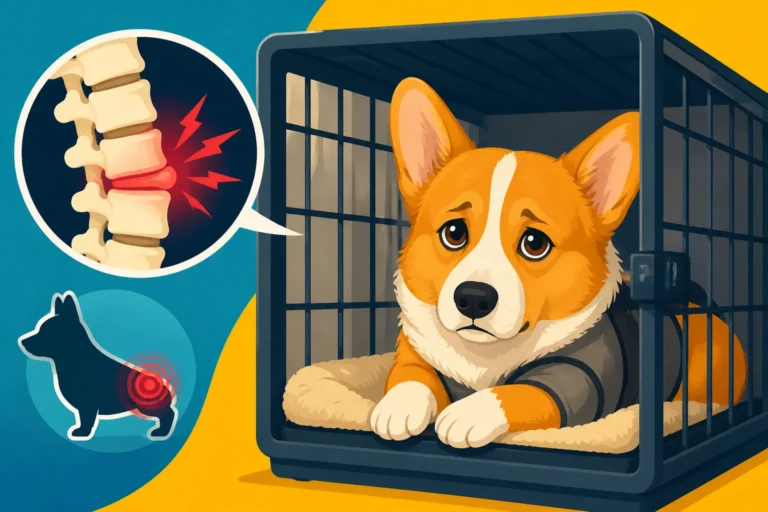
This is, hands down, the most critical concern for Corgi owners. Corgis are known for their long backs and short legs, a combination that makes them particularly susceptible to intervertebral disc disease (IVDD) and other spinal injuries. A sudden, uncontrolled leap from a car, especially if they land awkwardly or on a hard surface, can exert immense pressure on their spine. This isn't just a minor strain; it can lead to a slipped, ruptured, or herniated disc.
Imagine the force of a quick, uncontrolled jump. It's like a sudden jolt to their entire vertebral column. Even a jump from a relatively low car seat or trunk can be enough to cause damage over time, or a single traumatic event. A disc injury can range from mild pain and discomfort to complete paralysis, often requiring extensive medical intervention like surgery and lengthy Crate Rest for a Corgi With a Bad Back. Prevention is truly the best medicine when it comes to protecting that precious Corgi spine. Many owners find themselves asking Whether a Corgi Should Ever Jump Off a Sofa – the car presents an even higher risk.
Road Hazards and Other Dangers
Beyond spinal health, a Corgi leaping from a car can immediately face external hazards. Picture this: your Corgi bolts out, and there’s a cyclist whizzing by, or another dog on a leash, or even a child running past. In their excitement, they might not look both ways, putting them at risk of being hit by a car, getting into a fight with another animal, or even getting lost if they run off.
The environment around a parked car is rarely completely safe. There might be broken glass, sharp objects, or slippery patches of ice or oil. A Corgi, being so low to the ground, is particularly vulnerable to these dangers. They could injure their paws, eyes, or belly on unseen hazards. It's not just about what the jump does to their body, but what the world outside the car might do to them without proper supervision.
Stress on Joints and Ligaments
Even if a major spinal injury is avoided, repeated high-impact landings from car jumps can take a toll on your Corgi's joints and ligaments over time. Their short legs and stout build mean their joints, particularly in their front and hind legs, absorb a lot of shock. Each uncontrolled leap adds wear and tear, potentially contributing to conditions like arthritis or cruciate ligament tears later in life.
Think about it like this: an athlete who constantly lands badly will eventually develop joint problems. The same applies to our Corgis. While they are sturdy dogs, they are not impervious to the laws of physics. Protecting their joints and ligaments from unnecessary stress, especially from high-impact activities like jumping from a car, is crucial for their long-term mobility and comfort. This is especially true for Early Arthritis in a Corgi which can be exacerbated by such impacts.
Practical Solutions to Prevent Car Leaping
Stopping the car-leaping habit requires a multi-faceted approach, combining consistent training with smart use of equipment and careful management. It’s about setting your Corgi up for success and teaching them a safer, more polite way to exit.
Training for Calmness and Waiting
The cornerstone of preventing car leaping is teaching your Corgi to wait patiently for your release cue. This isn't just about preventing the jump; it's about building impulse control, which is valuable in many aspects of a Corgi's life. Start by practicing at home, without the car, opening doors and asking for a "wait" or "stay" command. Reward heavily for holding position until you give a release word like "free" or "okay."
Once they've got that down, move to the car. With the car parked in a safe, quiet area, open the door just a crack. If your Corgi even thinks about moving, close the door gently. Repeat until they stay put. Then, open it a little wider. Continue this process, gradually increasing the door opening, always closing it if they attempt to move, and always rewarding with a high-value treat when they remain still. Only when they are consistently waiting should you give your release cue. Patience is key here; it might take many sessions. Consider enrolling in a positive reinforcement training program, or looking into online courses from reputable trainers like BAXTER & Bella, which offer comprehensive guidance on impulse control and polite greetings.
Essential Car Safety Gear
Sometimes, training alone isn't enough, or you need an immediate solution while training is underway. This is where car safety gear becomes invaluable. A secure harness and car seatbelt attachment or a robust travel crate can physically prevent your Corgi from launching themselves out of the vehicle.
- Car Harness and Seatbelt: A crash-tested car harness (not just a walking harness) paired with a seatbelt attachment is a great option. This keeps your Corgi safely restrained in their seat, preventing them from moving into the front, distracting the driver, or jumping out the moment a door is opened. Look for brands that have undergone safety testing, as not all harnesses offer crash protection. You can find many options on Amazon that specify crash testing certifications.
- Travel Crate: For many Corgi owners, a sturdy travel crate secured in the back seat or cargo area is the safest bet. The crate should be appropriately sized – snug enough to prevent your dog from being tossed around but large enough for them to stand, turn, and lie down comfortably. A crate offers protection in case of an accident and prevents them from exiting the car until you're ready. Ensure the crate is secured so it doesn't become a projectile itself. Getting a Corgi There and Back Safely often involves these types of restraints.
Here’s a quick comparison of common car restraint options:
| Restraint Type | Pros | Cons | Best For |
|---|---|---|---|
| Crash-Tested Harness | Allows dog to sit/lie comfortably, restrained | Not all harnesses are crash-tested, can still move some | Dogs who dislike crates but need restraint |
| Secured Travel Crate | Excellent crash protection, prevents movement | Takes up space, some dogs resist crates, heavier | Owners prioritizing maximum safety and containment |
| Booster Seat | Elevates dog for view, some restraint | Minimal crash protection, only for small, calm dogs | Very small, calm Corgis who enjoy looking out |
| Car Barrier/Gate | Keeps dog in back, allows freedom of movement | No crash protection for dog, won't prevent leaping if door opened | Large cargo areas, used with other restraints |
Consistent Routine and Management
Beyond specific training techniques and equipment, establishing a consistent routine and managing the environment are crucial. Always be the one to open and close the car door. Before opening the door, clip your Corgi's leash on. This gives you immediate control if they try to bolt. Never let your Corgi jump out without the leash attached, even if you’re in a fenced area.
When you arrive at your destination, take a moment. Don't rush. Take a deep breath, and let your Corgi settle for a few seconds. Then, calmly give your "wait" command. Once they hold it, and only then, you can give your release cue and guide them out on the leash. Always get out of the car first, position yourself to block their exit if necessary, and then release them. This establishes you as the leader of the exit process and reinforces good habits. The Forty-Five Minutes a Corgi Needs Daily of exercise can be a great motivator for them to want to get out of the car, so making the exit calm is key to setting the tone for the adventure.
When to Seek Professional Help
Sometimes, despite your best efforts, the car-leaping behavior persists, or perhaps your Corgi exhibits other concerning behaviors that go beyond simple excitement. This is when bringing in a professional can make all the difference.
Stubborn Habits and Safety Concerns
If you've diligently worked on training, used appropriate safety gear, and maintained consistency, but your Corgi still insists on launching themselves from the car, it might be time for expert intervention. A professional dog trainer or a veterinary behaviorist can observe your Corgi's specific actions and help pinpoint why your methods aren't sticking. They can provide tailored advice and strategies that address your dog's individual personality and learning style.
Sometimes, what seems like a simple behavior problem can be rooted in deeper issues, or your technique might have subtle flaws you're not even aware of. A trainer can offer fresh eyes and introduce new approaches. They might suggest specific tools, like a particular type of no-pull harness or a different kind of tether system, or show you advanced impulse control exercises that might finally click for your Corgi. Don't feel like a failure if you need to call in reinforcements – a professional’s guidance can be invaluable for the safety and well-being of your beloved Corgi. They can even provide specific guidance on how to manage A Corgi That Shuts Down When Told Off if your current training methods are causing a negative reaction.
Addressing Underlying Anxiety or Over-Excitement
In some cases, the frantic car leaping isn't just about impatience; it could be a manifestation of underlying anxiety or extreme over-excitement that your Corgi struggles to manage. Dogs can experience anxiety in various situations, and for some, the anticipation of leaving the car or the sudden change in environment can trigger a less-than-ideal response. Similarly, an overly aroused Corgi might simply not be capable of self-regulation in that moment.
A veterinary behaviorist is particularly equipped to assess these deeper emotional states. They can help determine if there's an anxiety component, or if your Corgi's arousal levels are consistently too high. They might suggest behavior modification techniques, environmental enrichment strategies, or in some instances, even recommend short-term medication to help your Corgi learn to cope better with stressful or exciting situations. This kind of holistic approach ensures that you're not just treating the symptom (the jumping) but addressing the root cause of the behavior, leading to a happier, safer, and more well-adjusted Corgi both in and out of the car.
Ensuring your Corgi exits the car calmly and safely is a non-negotiable part of responsible ownership, especially with their unique susceptibility to back issues. It requires dedication, patience, and sometimes, a little help from a professional. But the peace of mind knowing your furry friend is protected from harm is absolutely worth every effort.
Disclaimer
This article is for general informational purposes only and does not constitute professional advice. Laws, prices and regulations vary by location and change over time. Consult a qualified professional for guidance on your specific situation.