Whether a Corgi Suits Group Classes
It's a common dilemma for Corgi owners: you want to socialize your furry low-rider and teach them good manners, but the thought of a bustling group class with a dozen other dogs and people feels… daunting. You worry your Corgi's independent streak, their notorious vocalizations, or their short attention span might make it an exercise in frustration. This guide will help you figure out if group classes are a good fit for your individual Corgi, what to look for, and how to set both of you up for success.
Understanding the Corgi Temperament in a Group Setting
Corgis are delightful, intelligent dogs, but let's be honest, they come with a few quirks that can make traditional group training a bit of a head-scratcher. Their heritage as cattle drovers means they're bred to think for themselves, and that can sometimes translate into a "my way or the highway" attitude in a classroom.
The Independent Thinker and Herding Instinct
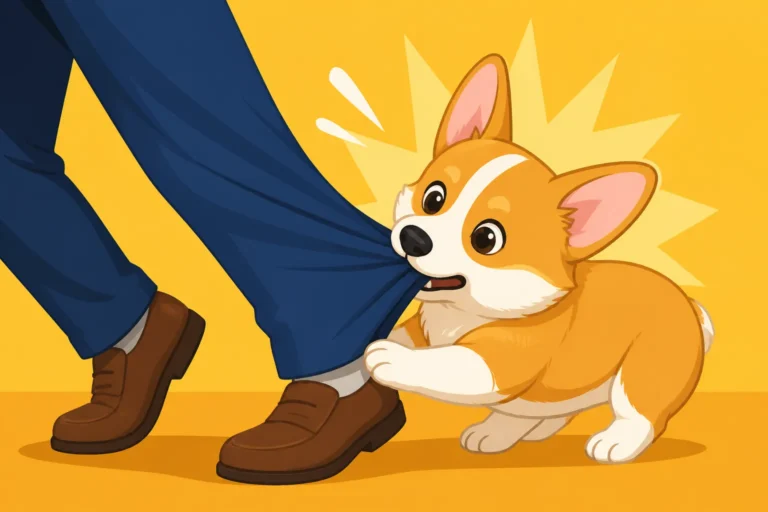
Corgis were originally bred to herd cattle by nipping at their heels, a job that required quick thinking, bravery, and a certain degree of independence. They weren't just following commands; they were making strategic decisions in the field. This deeply ingrained trait means your Corgi is probably incredibly smart, but they might also prefer to be the boss of their own operations, even in a training class. They'll assess the situation, they'll weigh their options, and then they'll decide if your cue is worth their effort at that exact moment. You might find your Corgi more interested in "managing" the other dogs in the class, or even the people, rather than focusing on the cone you're asking them to weave around. Their herding instinct can manifest as circling other dogs, or even trying to "collect" the scattered students. It’s not disobedience in their minds; it’s just them doing what they’re wired to do! Understanding this inherent drive is crucial when you're trying to communicate with them, especially in a distracting environment. If you've ever felt like your Corgi is ignoring you entirely, it might just be Why an Independent Corgi Ignores You. They're not being stubborn for the sake of it, they're simply operating on their own agenda.
Short Attention Spans and High Distractibility
Let's face it, Corgis aren't typically known for their marathon training sessions. They're bright, they catch on quickly, but their focus can be fleeting, especially when there's a whole world of exciting smells, sounds, and other dogs vying for their attention. A group class environment, with its new location, other dogs sniffing and whining, and people moving around, can be an absolute sensory overload for a Corgi. What might be a perfectly reasonable ten-minute exercise for a different breed can feel like an eternity to your Corgi, who has already processed the entire room, assessed the treat potential of every other participant, and decided a nap might be a better use of their time. You might start a "stay" exercise with your Corgi doing beautifully, only for them to suddenly break position because a crumb dropped three tables over, or another dog let out a small sigh. This isn't a failure on your part; it's simply a testament to their innate curiosity and the intensity of new stimuli. This is why many Corgi owners find more success with Short Bursts of Training a Corgi Will Take, rather than trying to force a longer session.
Vocalizations and Alert Barking
Ah, the Corgi bark! It's legendary, isn't it? They might be small, but they have lungs of steel and a very strong opinion about… well, everything. Corgis were bred to alert their farmers to intruders or anything amiss, and that instinct is still very much alive. In a group class, this means they're likely to vocalize their thoughts on every new dog that walks in, every unusual sound, or even just because they're excited. One little whine from another dog can set off a chain reaction of Corgi commentary. This can be disruptive to the class, and honestly, a bit embarrassing for the owner, even though it's perfectly natural Corgi behavior. You're not alone if you've wondered How Loud a Corgi Actually Is, because it often feels like their bark is bigger than they are! While some vocalization is normal, excessive barking can make it incredibly difficult for your Corgi to learn, and for you to hear the instructor. It can also create stress for your Corgi if they're constantly feeling the need to "announce" every little thing.
Potential Benefits of Group Classes for Corgis
Despite their unique personalities, group classes aren't entirely off-limits for Corgis. In fact, for the right Corgi and with the right approach, they can offer some incredible advantages that are hard to replicate otherwise.
Socialization Opportunities
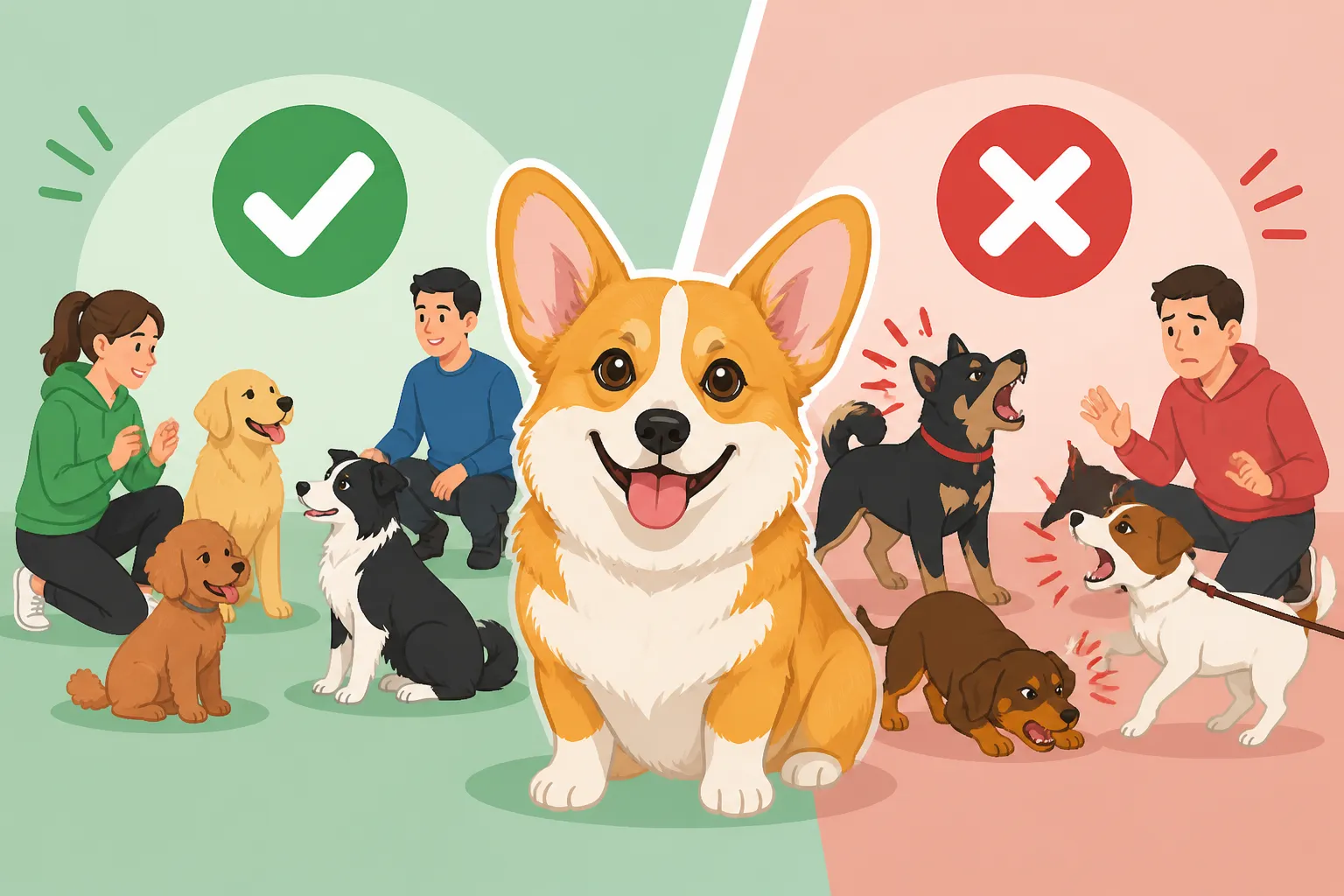
This is perhaps one of the biggest draws of a group class. Controlled, positive exposure to other dogs and people in a structured environment is invaluable, especially for Corgi puppies or adolescents. Corgis, with their herding tendencies, sometimes need a little guidance on appropriate social etiquette with their canine peers. They can be prone to bossiness or, conversely, a bit of shyness in new situations. A well-run class provides a safe space for them to observe, interact (if appropriate), and learn how to exist politely alongside other dogs without feeling the need to herd them or become overwhelmed. You might see a shy Corgi slowly gain confidence, or an overly boisterous one learn that not every dog appreciates a face-first greeting. It’s an essential part of shaping a well-adjusted adult Corgi. Getting a Corgi Puppy Used to the World includes early socialization as a cornerstone for a confident adult dog, and group classes can be a fantastic part of that journey.
Exposure to Novel Environments
Beyond just other dogs, group classes usually take place in a new building or space – often a community hall, a specialized training facility, or even an outdoor park. This exposes your Corgi to different surfaces, new smells, and a variety of ambient sounds they wouldn't encounter at home or on a regular walk. This exposure is critical for helping your Corgi generalize their good manners. It's one thing for your Corgi to "sit" perfectly in your quiet living room, but can they do it with the smell of a dozen other dogs, the sound of traffic outside, and the rustle of treat bags? Learning in these varied environments helps them understand that "sit" means "sit" no matter where they are, building resilience and focus in potentially distracting situations. This broadens their world and makes them more confident companions in all sorts of settings, whether it's a vet visit or a family picnic.
Structure and Consistency for Owners
Let's be honest, it's easy to let training slide when you're just at home. Life gets busy, and sometimes those daily practice sessions become less frequent. Group classes offer a built-in structure and a dedicated time slot that can be incredibly motivating for us humans. Having a set schedule, an instructor to guide you, and other owners observing (and sharing their own struggles!) can provide the accountability needed to stay consistent. You'll learn new techniques, get real-time feedback on your handling, and often see different ways to approach common Corgi challenges. Sometimes, just watching another person successfully get their dog to perform a certain behavior can spark an idea for your own training. It’s a chance for you to grow as a trainer alongside your Corgi, building a stronger bond and more effective communication.
Challenges and How to Make Group Classes Work for Your Corgi
While group classes offer benefits, navigating them with a Corgi requires a proactive approach and some realistic expectations. It's not always a smooth ride, but with the right preparation and mindset, it can absolutely be a worthwhile endeavor.
Finding the Right Class and Instructor
This is probably the most critical factor for Corgi success in a group setting. Not all dog trainers are created equal, and not all classes are designed for the unique temperament of a Corgi. Look for classes with smaller student-to-instructor ratios, ideally no more than 6-8 dogs. This allows for more personalized attention and less chaotic energy. The instructor should emphasize positive reinforcement methods, using treats, praise, and toys to motivate, rather than harsh corrections. Critically, seek out a trainer who genuinely understands herding breeds and their independent nature – someone who won't just label your Corgi as "stubborn" but can offer creative strategies for engaging them. Don't be afraid to ask to observe a class without your dog first, or to call and chat with the instructor about their philosophy. You want someone who can appreciate your Corgi's intelligence and work with their instincts. Sometimes, if local options are limited, or your Corgi is simply too stressed by in-person groups, online programs like those offered by BAXTER & Bella can be an excellent alternative, allowing you to work at your own pace in a familiar environment. It’s really important to ensure Whether a Trainer Understands a Herding Corgi before committing to a class.
Preparation is Key
You wouldn't send a child to school without breakfast, right? The same goes for your Corgi! Before stepping into a group class, some groundwork at home can make all the difference. If your Corgi is prone to being reactive or shy, work on positive pre-socialization. This means controlled, positive experiences with other dogs one-on-one, or observing from a distance, long before diving into a classroom. Practice basic obedience cues like "sit," "stay," "come," and "look at me" in increasingly distracting environments outside of the classroom. Start in your quiet living room, then move to your backyard, then a quiet park. This builds a foundation of reliability. Always bring high-value treats – think cooked chicken, cheese, or hot dogs – not just dry kibble. For many Corgis, food is a powerful motivator. Ensure your Corgi is wearing appropriate, comfortable equipment, like a well-fitting harness that doesn't put pressure on their throat or back. A front-clip harness, easily found on Amazon, can be a game-changer for Corgis who pull, providing better control without discomfort, which is important given their delicate spines. Whether a Corgi Should Wear a Front-Clip Harness is a question many owners consider for safety and comfort.
Managing Expectations and Adjusting Approach
It’s vital to adjust your expectations. Your Corgi might not be the star pupil who perfectly executes every command on the first try. And that's okay! Corgis often thrive on thinking for themselves, and they sometimes need a moment to process information before complying. Patience is your best friend. Celebrate small victories – if your Corgi maintained focus for 30 seconds longer than last week, that's huge! Don't compare your Corgi to the Golden Retriever or Border Collie in class; they're different breeds with different innate drives. If your Corgi is becoming overwhelmed, distracted, or overly vocal, don't be afraid to step back from the group, move to the edge of the room, or even take a short break outside. Sometimes, less is more. Forcing them to stay engaged when they're past their threshold can lead to negative associations with training. Remember, a Corgi might do something perfectly once and then refuse to do it again, simply because they "decided" not to – you'll often wonder whether a Corgi does it once and then refuses. This isn't defiance, it's just their independent streak shining through, and a good trainer will help you work with that, rather than against it.
Alternatives and Supplementary Training Methods
If group classes prove too challenging, or you simply want to supplement your Corgi's learning, there are many other excellent paths to a well-behaved and happy Corgi. No single method works for every dog, and flexibility is key!
One-on-One Private Training
For Corgis who find group settings too stimulating, or for owners who need very specific help, private training sessions can be a lifesaver. A private trainer comes to your home or meets you in a controlled environment, offering undivided attention to you and your Corgi. This allows for tailored exercises that address your Corgi's specific needs and challenges without the distraction of other dogs. It's particularly beneficial for Corgis with reactivity issues (barking or lunging at other dogs or people) or severe shyness, where a group setting would be counterproductive and stressful. The trainer can observe your Corgi in their natural environment, identify triggers, and develop a personalized plan that builds confidence and improves behavior step-by-step. This focused attention can lead to faster progress for certain behaviors and create a much more comfortable learning experience for your Corgi.
Online Training Programs and Resources
The digital age has brought a wealth of amazing training resources right into our homes. Online training programs, often featuring video tutorials, live virtual classes, and access to trainers via forums or calls, offer incredible flexibility. Services like BAXTER & Bella provide comprehensive online training platforms that allow you to work at your Corgi's pace, in the comfort and familiarity of your own home. This is perfect for Corgis who are easily overstimulated, or for owners whose schedules make attending fixed group classes difficult. You can pause, rewind, and repeat exercises as many times as needed, ensuring both you and your Corgi fully grasp the concepts before moving on. It also helps in managing those Short Bursts of Training a Corgi Will Take, as you can easily fit in a few minutes of practice throughout the day without the pressure of a class schedule. Plus, many online programs teach you to use tools like a clicker, which can dramatically improve communication with your Corgi and keep them engaged. Finding Whether a Clicker Holds a Corgi's Attention can be a game-changer for focus.
Home-Based Training with Controlled Exposures
Even without formal classes, a strong foundation can be built through consistent home-based training. Start with simple commands in a quiet room, and once your Corgi is reliable, gradually introduce distractions. This could mean moving your training sessions to the backyard, then a quiet park during off-peak hours, then perhaps a slightly busier public space. The key is to keep the distractions low enough that your Corgi can still succeed, slowly increasing the challenge as they gain confidence. Incorporate mental stimulation through puzzle toys (many available on Amazon) and scent games, which can be just as tiring and rewarding as physical exercise for a Corgi. Remember that Corgis are intelligent and need mental challenges to prevent boredom. By breaking down complex behaviors into small, manageable steps and practicing regularly, you can achieve remarkable results without ever stepping foot in a group class. This controlled approach respects your Corgi's individual needs and temperament, allowing them to learn without being overwhelmed.
| Training Method | Pros for Corgis | Cons for Corgis | Best For Corgi Type |
|---|---|---|---|
| Group Classes | Socialization, exposure to new environments, owner accountability | High distraction, potential for overstimulation/vocalization, less individualized attention | Socially confident, moderately distractible Corgis, or puppies needing varied exposure |
| Private Training | Tailored attention, low distraction, specific behavior modification, flexibility | Higher cost, less direct dog-to-dog socialization (can be supplemented) | Reactive, shy, easily overwhelmed Corgis, or those with specific behavioral issues |
| Online Programs | Work at own pace, in familiar environment, cost-effective, flexibility | Requires owner self-discipline, no in-person feedback on handling | Easily distractible Corgis, owners with limited time, those in remote areas |
Ultimately, whether a group class suits your Corgi really boils down to your individual dog’s personality, your patience as an owner, and the quality of the class itself. While their independent minds and vocal nature can present challenges, many Corgis thrive with the right blend of structure, socialization, and understanding. Don't be afraid to try it, but also don't feel locked into it if it's not working. There are plenty of fantastic ways to raise a well-adjusted Corgi, and the most important thing is finding the approach that makes both of you happy and successful.
Disclaimer
This article is for general informational purposes only and does not constitute professional advice. Laws, prices and regulations vary by location and change over time. Consult a qualified professional for guidance on your specific situation.