Short Bursts of Training a Corgi Will Take
Many Corgi owners find themselves scratching their heads when their adorable, intelligent, but often stubborn little herders seem to lose interest halfway through a training session. It’s a common frustration when you're trying to teach them basic manners or fun tricks, and they just switch off. This guide is all about embracing the unique Corgi attention span and showing you how to harness the power of short, focused training bursts to get the best results from your beloved four-legged friend.
Why Corgis Thrive on Short Training Bursts
Let's face it, Corgis are not known for their endless patience, especially when something more exciting, like a stray leaf blowing by, captures their attention. Understanding their innate characteristics is the first step to truly effective training.
Understanding the Corgi Mindset
Corgis, whether Pembrokes or Cardigans, are brilliant dogs. They were bred to herd cattle, which meant they needed to be smart, quick-thinking, and independent. They had to make decisions on their own in the field, sometimes without direct instruction from their human partners. This strong-willed, intelligent nature is one of their most charming traits, but it also means they aren't always keen on repetitive tasks or long, drawn-out lessons. They can process information quickly, but they also get bored just as fast. If you've ever felt like your Corgi gives you a look that says, "Are we done yet?", you're not alone. This is particularly true when they are puppies; trying to force a long session on a wiggly Corgi puppy is often a recipe for frustration for both of you.
Their history as independent problem-solvers means they prefer to engage on their own terms, to a degree. They're not robots waiting for commands; they're thinkers. This is why a short, sharp burst of training, where they're fully engaged and challenged, is far more productive than a twenty-minute slog. It taps into their natural intelligence without overwhelming their desire for novelty and variety. You might find that your Corgi truly shines when given a specific, quick task, rather than a sequence of endless repetitions. If you've ever wondered Why an Independent Corgi Ignores You, it's often because they perceive the training as tedious rather than engaging.
Maximizing Engagement and Preventing Boredom
The secret to training any dog, especially a Corgi, is to make it feel less like work and more like a game. Short training bursts are fantastic for this because they keep the energy high and the lessons fresh. Imagine trying to learn something new when you're already restless – it's impossible to retain information! The same goes for our Corgis. By keeping sessions brief, typically 2-5 minutes, you ensure your Corgi remains enthusiastic and focused. You want to end the session before they lose interest, leaving them wanting more. This builds a positive association with training, making them eager for the next session.
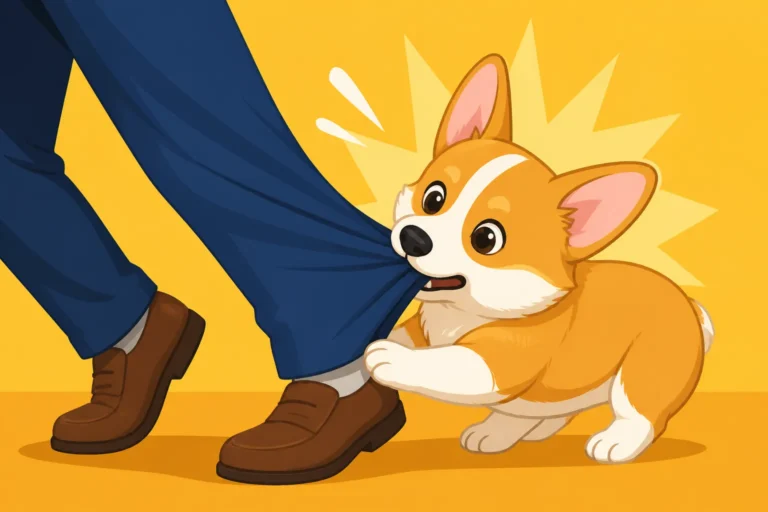
When a Corgi gets bored, they'll often disengage, start sniffing the floor, or even try to herd your feet, a common trait stemming from The Cattle-Driving Nip a Corgi Still Has. They might also resort to barking or finding other ways to entertain themselves, which isn't conducive to learning. Short bursts prevent this by demanding their full attention for a limited time, offering a quick reward, and then releasing them to do something else. This approach respects their inherent drive and prevents them from becoming frustrated or burnt out. It’s like a mini puzzle game for their brains, rather than a lecture.
Structuring Your Corgi's Training Sessions
Once you understand why short bursts work, it’s time to learn how to implement them effectively into your daily routine. It's not just about making them short, but about making them impactful.
The Ideal Length and Frequency
For a Corgi, an ideal training burst lasts anywhere from 2 to 5 minutes, occasionally stretching to 7 if they are exceptionally focused and enjoying themselves. The key is to stop when they are still engaged and haven't hit their cognitive limit. Think of it as leaving them on a high note, excited for the next time.
Instead of one long daily session, aim for multiple short bursts scattered throughout the day. For a puppy, this might mean 5-8 mini-sessions. For an adult Corgi, 3-5 focused bursts are often plenty. This frequent, low-duration approach builds muscle memory for commands and reinforces good behavior without feeling like a chore. For example, you could do a quick "sit" and "stay" before their meal, a "come" recall practice in the yard, and a "down" while you're watching TV. This flexibility means training isn't a dedicated block of time you have to schedule but rather woven seamlessly into your day. This continuous, positive reinforcement is far more effective than trying to squeeze an hour of training into one go, which is often when a Corgi Switches Off After Ten Minutes.
Here’s a sample schedule for integrating short bursts:
| Time Slot | Duration | Focus Area | Notes |
|---|---|---|---|
| Morning Walk | 2-3 mins | Leash manners, "Heel" | Practice loose-leash walking for a few minutes before letting them sniff. |
| Pre-Breakfast | 1-2 mins | "Sit," "Stay" | Essential before their meal. |
| Mid-day Play | 3-5 mins | Recall, "Fetch" | Incorporate "Come" during fetch or tug games. |
| Pre-Dinner | 1-2 mins | "Down," "Wait" | Great for impulse control around food. |
| Evening Calm | 2-3 mins | "Place," "Settle" | Practice settling on their bed while you relax. |
| Before Bed | 1-2 mins | "Go Potty," "Crate" | Reinforce routine commands. |
Incorporating Play and Variety
Corgis are playful dogs, and integrating play into training bursts makes learning even more exciting for them. Use toys, praise, and enthusiastic encouragement to keep them motivated. A quick game of tug-of-war after a successful 'stay' or a short chase game after a perfect recall can be a powerful reward. This is especially important for Corgis, who might need more than just food rewards. Whether a Corgi Works for Anything but Food is a question many owners ponder, and the answer is often found in incorporating play.
Variety is also crucial to prevent boredom. Don't just drill the same command over and over. Mix it up! One session might focus on "sit" and "down," while the next might be about "come" and walking on a loose leash. Introduce new environments too – practicing commands in the living room, then the backyard, then a quiet park. This helps them generalize their learning, meaning they understand the command applies everywhere, not just in one specific spot. Consider puzzle toys from places like Amazon to provide mental stimulation between structured training bursts. These can keep their clever minds engaged and reinforce positive associations with problem-solving.
Practical Tips for Effective Short Bursts
Making these short bursts truly effective requires a few key strategies that go beyond just timing. It's about how you approach each mini-session.
Choosing the Right Environment and Tools
The environment plays a huge role in your Corgi's ability to focus. Start in a quiet, distraction-free area, like your living room, especially if you're introducing new commands. As they become more proficient, gradually introduce more distractions, but always keep the environment manageable for a short burst. You want them to succeed, not get overwhelmed.
When it comes to tools, a clicker can be incredibly effective for Corgis. It marks the exact moment they perform the desired behavior, which helps them understand what they're being rewarded for. Many owners wonder Whether a Clicker Holds a Corgi's Attention, and for many, it's a game-changer because of its precision and novelty. High-value treats are also essential. Think small, soft, and super tasty – tiny pieces of cooked chicken, cheese, or high-quality training treats work wonders. Companies like BAXTER & Bella often recommend positive reinforcement techniques, including clicker training, in their comprehensive online puppy programs, which can be an excellent resource for new Corgi parents.
Other useful tools include a comfortable harness that doesn't put pressure on their spine (especially important for long-backed breeds like Corgis), and a good leash. For higher distraction environments, a long line can be great for practicing recall safely. Always ensure your tools are safe and comfortable for your Corgi.
Keeping it Positive and Rewarding
Positive reinforcement is the only way to go with a Corgi. They are sensitive souls beneath their sassy exterior, and harsh corrections can make A Corgi That Shuts Down When Told Off rather than learn. Every interaction should be positive and encouraging. When your Corgi gets it right, praise them enthusiastically, offer a high-value treat, and perhaps a quick pet or game. Remember, you're building a relationship based on trust and mutual respect.
If they make a mistake, don't get frustrated. Simply redirect them or make the task easier. For example, if they're struggling with "down," guide them gently into position with a lure, then reward. Or, take a step back and practice a command they know well to end the session on a positive note. The goal is for them to associate training with fun and rewards, not stress or punishment. This positive approach encourages them to offer behaviors willingly, which is much more effective than trying to force compliance from an independent breed. Keeping Treats Priced Into a Corgi's Daily Ration can help manage their weight while providing ample rewards.
Handling Distractions and Setbacks
Life with a Corgi is never perfectly sterile, and distractions are part of the learning process. Once your Corgi is consistent with a command in a quiet environment, gradually introduce minor distractions. For example, have someone walk quietly by, or practice near a window with mild outdoor activity. Start small, increase slowly, and always set your Corgi up for success. If a distraction is too much, simply move to a quieter spot and try again.
Setbacks are also normal. There will be days when your Corgi just isn't "feeling it," or when they seem to have forgotten a command they knew perfectly yesterday. Don't take it personally! Just shorten the session, focus on something they can do, and try again later. Sometimes, a "bad" training day is a sign your Corgi needs more rest, more exercise, or just a change of scenery. Remember to keep a sense of humor and celebrate every little success. Training is a journey, not a destination, especially with these charming, sometimes exasperating, little dogs.
Integrating Training Throughout the Day
The real magic of short burst training is how effortlessly it can blend into your daily life, making training a continuous, enjoyable process rather than a scheduled chore.
Turning Everyday Moments into Learning Opportunities
Think about all the mini-moments throughout your day where you can slip in a quick training burst. Before you put their food bowl down, ask for a "sit" and "wait." When you're heading out the door, practice a "stay" while you open it. Every time you throw a toy, ask for a "drop it" or "bring it." These informal training opportunities reinforce commands in real-world scenarios, making them second nature for your Corgi.
For instance, teaching your Corgi Teaching a Corgi Not to Jump Off Furniture can be done with quick 'off' commands whenever they attempt to leap. Reward them for keeping four paws on the floor. Similarly, when picking up your Corgi (always supporting their long back!), you can incorporate a "wait" command before lifting them, associating the action with a cue. Even simple things like getting them to settle on their bed while you're busy in the kitchen can be a mini-training session for "place" or "settle." The more consistently you integrate these moments, the less your Corgi will even realize they're being "trained," and the more they'll simply respond to your cues.
Maintaining Consistency for Long-Term Success
Consistency is the bedrock of successful training, regardless of whether your sessions are long or short. Everyone in the household needs to use the same commands and expectations. If one person allows jumping on the sofa and another corrects it, your Corgi will become confused and training will falter. Communication with family members about training cues and rules is essential.
Think of it as building a language with your Corgi. If everyone speaks a slightly different dialect, understanding breaks down. This continuous, consistent reinforcement, even in short bursts, cements the learning. BAXTER & Bella, for example, emphasizes consistency in their programs, providing a structured approach that can be followed by all family members. Even when your Corgi seems to have mastered a command, continue to practice it occasionally. This keeps their skills sharp and reinforces their understanding, ensuring that your well-trained Corgi remains a joy to live with for years to come. Remember, the goal is not just to teach commands, but to foster a well-behaved, confident, and happy Corgi who understands their role in your family.
Disclaimer
This article is for general informational purposes only and does not constitute professional advice. Laws, prices and regulations vary by location and change over time. Consult a qualified professional for guidance on your specific situation.