Stopping a Corgi Launching Off the Sofa
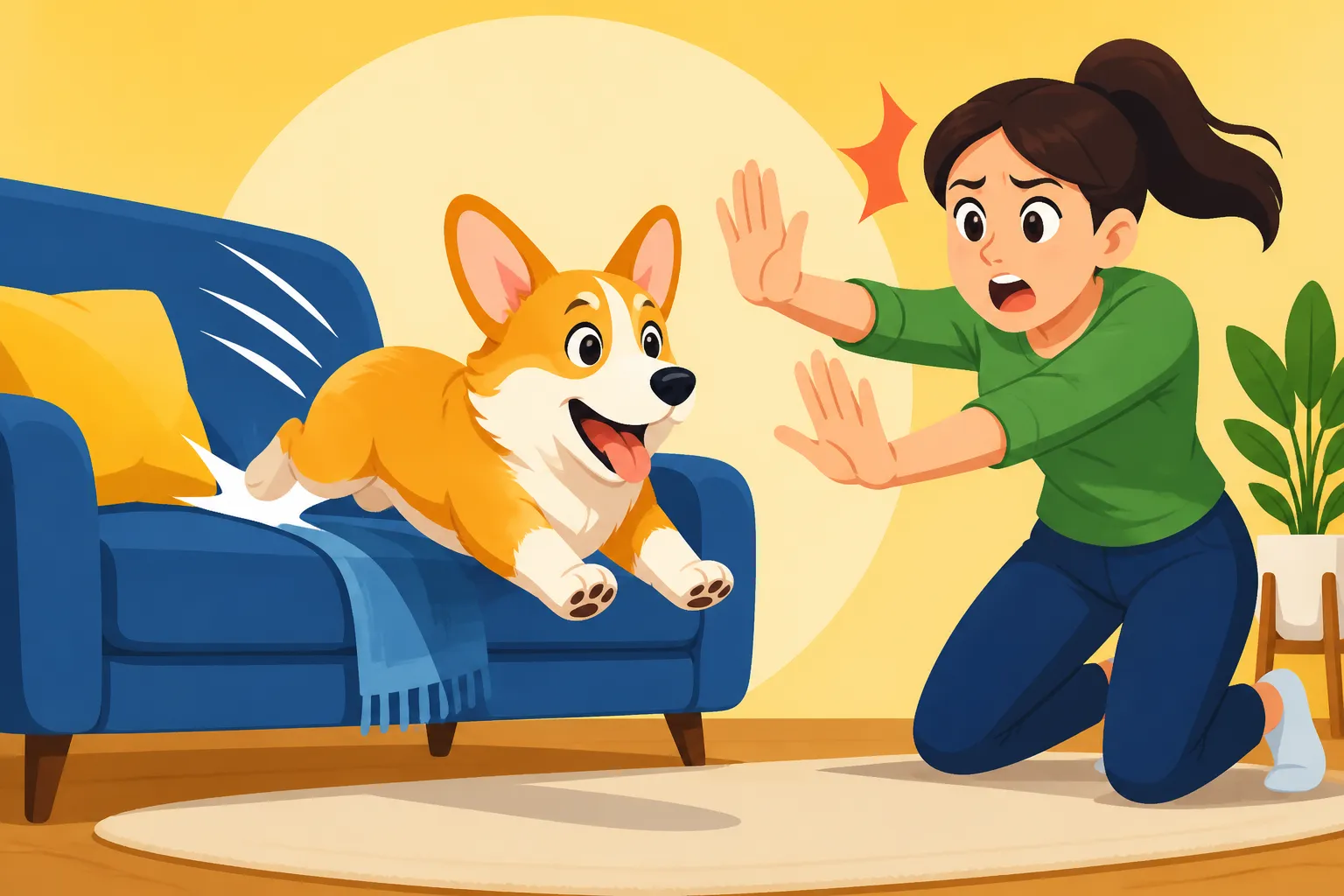
It's a familiar scene in many Corgi households: your adorable, short-legged companion, full of boundless energy, suddenly transforms into a furry projectile, launching itself off the sofa with a joyful (or sometimes frantic) abandon. While it might look cute or even impressive, this seemingly innocent habit is fraught with peril for our long-backed friends. This guide is here to help you understand why Corgis launch themselves and, more importantly, equip you with the strategies to protect their delicate spines from the lifelong consequences.
The Hidden Dangers of Sofa Diving for a Corgi
It’s easy to dismiss a Corgi’s aerial antics as just part of their quirky charm, but for us Corgi parents, every leap from a height carries a silent, significant worry. Their unique body structure, while undeniably endearing, is also their Achilles' heel when it comes to high-impact activities like sofa jumping.
Why Their Unique Anatomy Makes It a Risk
Our Corgis are built low to the ground, with those short, sturdy legs and surprisingly long backs. This particular physique is a direct result of their heritage as cattle-driving dogs, designed to nip at the heels of livestock while staying clear of hooves. Unfortunately, this very trait, known as chondrodystrophy – a genetic condition causing abnormal cartilage and bone development leading to shortened limbs – also predisposes them to serious spinal issues. Their spinal discs, which act as shock absorbers between the vertebrae, are more susceptible to degeneration and herniation than in breeds with more proportioned bodies. Each time your Corgi launches itself off the sofa, especially landing with a jarring thud, it puts immense, unnatural strain on these vulnerable discs. Imagine a spring being compressed and released with excessive force, repeatedly, until it eventually gives out. That's essentially what happens to a Corgi's spine with frequent jumping. Over time, these repeated impacts can weaken the disc material, making it prone to bulging or rupturing, even from a seemingly minor movement. It's not just the big jumps; even smaller, frequent descents can contribute to cumulative wear and tear that can lead to a sudden, painful crisis. You might even hear about Why a Corgi's Back Is Built the Way It Is to understand this predisposition better.
A real-life scenario might involve a Corgi named Widget, who loved to nap on the armchair. Every time someone came to the door, Widget would spring off the armrest, eager to greet them. His owners thought nothing of it until, one day, after a particularly enthusiastic leap, he yelped and couldn't put weight on one of his back legs. This was a classic example of how repetitive strain, exacerbated by a sudden impact, could lead to a severe disc injury. The force of hitting the floor disproportionately affected his lumbar spine, an area already under stress due to his long body.
Disc Injuries vs. Degenerative Myelopathy
When we talk about back problems in Corgis, two conditions often come to mind: Intervertebral Disc Disease (IVDD), often called a "slipped disc," and Degenerative Myelopathy (DM). While both affect the spine and can cause similar symptoms in their later stages, their origins and progression are quite different. IVDD is often a sudden, acute event, a mechanical failure where a disc ruptures or bulges, putting pressure on the spinal cord. This can happen from a jump, a twist, or even just stepping awkwardly. The pain is usually immediate and severe, leading to limping, yelping, or even paralysis. The Jump That Ruptures a Corgi Disc is a stark reminder of how quickly this can occur.
DM, on the other hand, is a progressive neurological disease that slowly attacks the spinal cord, leading to weakness and eventual paralysis in the hindquarters. While DM is genetic and not caused by jumping, the stress and impact from such activities can certainly exacerbate underlying spinal issues or make it harder for a Corgi with early-stage DM to cope. A Corgi with DM might already have subtle weaknesses in its hind legs, and a sudden jolt from a jump could cause them to stumble badly, potentially leading to further injury or simply making their condition more evident. For a deeper dive into this, you might read about Degenerative Myelopathy and the Corgi.
The crucial distinction lies in the suddenness of IVDD versus the gradual onset of DM. A Corgi with a ruptured disc from a jump will likely be in excruciating pain, often crying out or refusing to move, with immediate neurological deficits. In contrast, a Corgi developing DM might show subtle signs like scuffing their nails or a slight wobble when running, often months or even years before more severe symptoms appear. While jumping doesn't cause DM, it undeniably puts an already compromised spine at greater risk for an acute event or simply accelerates the visible decline. It’s why stopping the jumping is a preventative measure across the board, protecting against both sudden trauma and making life easier for a dog potentially facing a degenerative condition down the line.
Understanding Your Corgi's Motivation to Jump
Before we can effectively curb the sofa-launching behavior, it helps to put ourselves in our Corgi's little paws and understand why they do it. It's rarely out of defiance, but rather a mix of deeply ingrained instincts and their desire to be an integral part of your family.
The Herding Instinct and "Zoomies"
Corgis, whether Pembroke or Cardigan, were bred for generations to herd cattle. This isn't just a fun fact; it's a fundamental aspect of their personality and behavior. That intense drive to gather, chase, and direct translates into many behaviors we see in our homes, even without a herd of cows around. When your Corgi gets a sudden burst of energy – often called "zoomies" – that herding instinct kicks into high gear. They might race around the house, nip playfully at your heels, or suddenly decide that the sofa is the perfect launching pad to "herd" a passing family member, a toy, or even the cat. This isn't malicious; it's just their innate wiring expressing itself in a domestic setting.
Imagine a busy afternoon at home. Your Corgi, Letty, has been napping peacefully on the floor. Suddenly, the kids burst in from school, full of boisterous energy. Letty wakes up, sees the "herd" scattering, and her herding instincts ignite. She leaps onto the sofa, then off again, trying to get in the middle of the action, to control the movement, to be part of the excitement. This sudden surge of energy, combined with her desire to participate, often overrides any learned caution. It’s why The Cattle-Driving Nip a Corgi Still Has can manifest in other behaviors, like trying to control human movement.
The "zoomies" are a natural and often hilarious part of Corgi ownership, but they are also moments of high risk. In their excited state, Corgis are not thinking about spinal health. They're thinking about chasing, playing, and expending that pent-up energy. A slick floor, a misjudged leap, or a sudden change in direction mid-air can lead to a disastrous landing. It's our job as responsible owners to anticipate these bursts of energy and provide safe outlets for them, rather than allowing potentially dangerous behaviors like sofa launching to continue.
Seeking Attention or a Prime Vantage Point
Beyond instinctual drives, Corgis are highly intelligent and often quite cunning. They quickly learn what gets them attention, both positive and negative. If launching off the sofa reliably gets a reaction from you – even a stern "No!" – it can, paradoxically, reinforce the behavior. They might jump down just to greet you more enthusiastically at eye level, or to join in on whatever activity is happening on the floor. For a breed that thrives on being included, being on the sofa often means being right in the heart of the family's activities, making it a desirable spot.
Consider a Corgi named Barnaby who loved to be the center of attention. Whenever his family would gather on the sofa for a movie, Barnaby would wait until the perfect dramatic moment, then leap off, often landing with a theatrical flop. His owners would laugh, or coo, or give him a quick pet, unknowingly reinforcing his belief that "sofa launching equals attention." He wasn't trying to be naughty; he was simply engaging in a behavior that had a high reward value for him.
Furthermore, Corgis, despite their short stature, possess a commanding presence and often want to survey their domain. Being on the sofa gives them a prime vantage point to observe household goings-on, watch out the window, or simply feel "above it all." It's their version of being the top dog, albeit literally. This desire for a higher perspective, combined with their strong bond with their human family, often makes the sofa an irresistible magnet. Understanding these motivations is key to retraining. We're not just stopping a jump; we're redirecting a deeply ingrained desire for engagement and environmental control into safer avenues.
Practical Strategies to Prevent Sofa Launching
Now that we understand the risks and the motivations, it's time to get practical. Preventing sofa launching isn't about punishment; it's about prevention, clear communication, and providing safe alternatives for your Corgi.
Introducing Ramps and Steps as Safe Alternatives
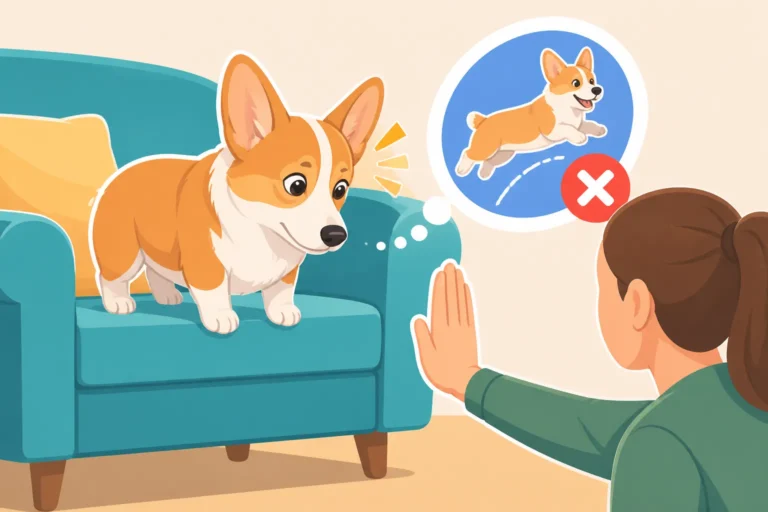
One of the most effective ways to protect your Corgi's back is to eliminate the need for them to jump altogether. This is where ramps and steps become your best friends. For Corgis, especially due to their long backs, ramps are generally preferred over steps. Steps, even low ones, can still create a small jarring motion as they navigate each step, which over time can still stress the spine. A ramp provides a smooth, gradual incline, minimizing impact and offering a much safer ascent and descent. You might want to consider Ramps and Steps That Save a Corgi's Back for more detailed information.
To introduce a ramp, start by placing it against the sofa or bed. Don't force your Corgi onto it. Instead, make it an inviting and positive experience. Lure them with high-value treats, placing them strategically along the ramp so they have to walk up to get them. Praise them lavishly when they take even one step. You can also try holding them and gently placing them on the ramp, then releasing them to walk down, or vice-versa. Repeat this many times a day in short, fun sessions. Consistency is key. Many excellent ramps are available on platforms like Amazon, designed with non-slip surfaces and appropriate angles for smaller breeds. Look for ramps with a gentle slope and a good grip to prevent slips.
It's not enough to just buy a ramp; your Corgi needs to learn to use it willingly. Some Corgis are naturally wary of new objects, so patience is paramount. If your Corgi is hesitant, try placing their favorite toys or a cozy blanket at the top of the ramp on the sofa, making the destination even more appealing. Never scold them for not using it; this will only create a negative association. The goal is for them to see the ramp as the natural, easy, and rewarding way to get to their favorite spot. Over time, as they associate the ramp with treats and comfort, they'll adopt it as their primary method of getting on and off furniture.
Setting Clear Boundaries and Consistent Training
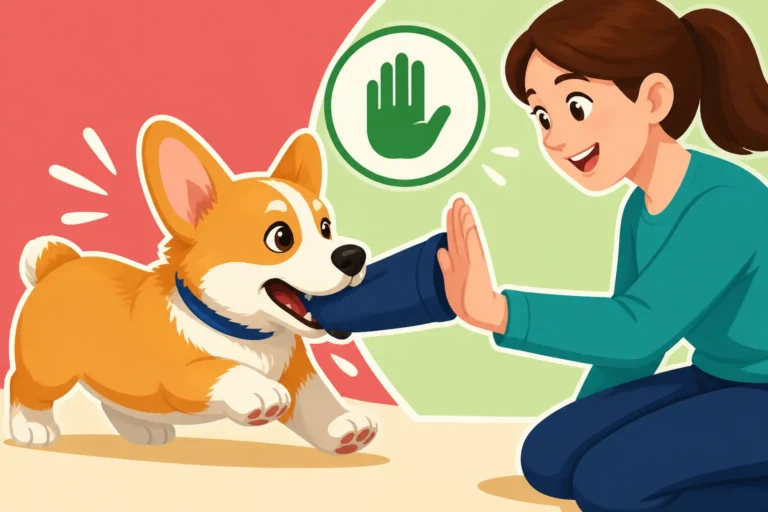
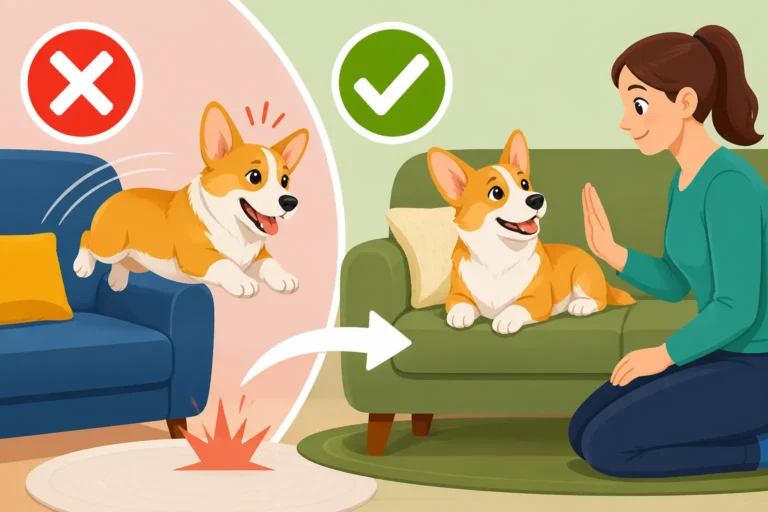
While ramps are fantastic, you'll also need to implement clear boundaries and consistent training to address the underlying behavior. This means teaching your Corgi an "off" command and perhaps a "place" command. The "off" command means all four paws on the floor. When your Corgi is on the sofa and you want them down, say "Off" in a calm, firm voice and lure them with a treat, or gently guide them off. As soon as their paws are on the floor, reward them immediately. The goal is to make "off" a positive action. For additional training support, many owners find programs like those offered by BAXTER & Bella helpful for structured guidance in positive reinforcement.
A "place" command is another powerful tool. This involves teaching your Corgi to go to a designated spot – a specific mat, dog bed, or crate – and stay there until released. This gives them an alternative, safe place to relax near the family without being on the furniture. Start by luring them to their "place" with a treat, saying "Place." Reward them when they settle. Gradually increase the duration they stay there before receiving a reward and release cue. This not only keeps them off the dangerous furniture but also provides mental stimulation and teaches them impulse control.
The most important aspect of training is consistency. Every member of the household must be on board with the rules. If one person allows jumping and another doesn't, your Corgi will become confused and the training will be ineffective. Discuss a family strategy: "Are Corgis allowed on furniture at all? If so, only by ramp. If not, they have designated floor beds." Make sure everyone knows the commands and the associated rewards. This unified front helps your clever Corgi understand exactly what's expected of them, greatly increasing your success rate.
Managing the Environment to Reduce Temptation
Sometimes, the best training is simply managing the environment so that your Corgi doesn't have the opportunity to make a bad choice. This is particularly crucial when you can't actively supervise them, which is often when those spontaneous leaps occur.
One simple solution is using baby gates or pet gates to block access to certain rooms or areas when you're not home or actively supervising. If your Corgi can't get to the sofa, they can't jump off it. This is especially useful in the early stages of training or if you have a particularly persistent jumper. Ensure the gates are sturdy and tall enough to prevent your Corgi from finding a way around or over them. You might also read Crate Rest for a Corgi With a Bad Back for ideas on managing confinement in general.
Another strategy is to make the sofa less appealing for jumping. Remove any cushions or throws that might make it easier to launch from, or rearrange furniture so that there are no clear "runways" for a Corgi to build up speed. Additionally, ensure your Corgi has plenty of comfortable, low-to-the-ground beds strategically placed around the house, especially in rooms where the family gathers. If their own bed is just as cozy and close to the action as the sofa, they'll be less inclined to seek out the higher, riskier option.
| Feature | Ramps for Corgis | Steps for Corgis |
|---|---|---|
| Spinal Impact | Minimal, smooth, gradual incline. Ideal for long backs. | Moderate, repeated small impacts on each step. |
| Ease of Use | Generally easier for Corgis with mobility issues. | Can be challenging for stiff or arthritic Corgis. |
| Learning Curve | May take time to learn; some Corgis are wary. | Often more intuitive, but can still require training. |
| Stability | Needs good grip and gentle slope to prevent slips. | Ensure wide, deep steps and non-slip surfaces. |
| Best For | Any Corgi, especially those prone to back issues. | Younger, more agile Corgis; still use caution. |
Enriching Your Corgi's Life Without High Jumps
Preventing sofa jumping isn't just about saying "no"; it's about providing enriching alternatives that fulfill your Corgi's physical and mental needs in a safe way. A bored Corgi is a destructive Corgi, and often, a jumping Corgi.
Engaging Their Minds and Bodies Safely
Corgis are highly intelligent and active dogs, despite their short legs. They need mental stimulation just as much as physical exercise. If they're not getting enough appropriate outlets for their energy and brains, they'll invent their own entertainment, which often includes less-than-ideal activities like furniture launching. Introduce engaging, low-impact activities that challenge their minds and bodies safely. Scent work, for example, is fantastic. Hide treats around the house and let them sniff them out, or try dedicated scent work kits. This taps into their natural instincts and is incredibly tiring for their brains without stressing their spines. Puzzle toys that require manipulation to dispense kibble are another excellent option, keeping them occupied and thinking.
Trick training is also wonderful for Corgis. Teaching them new tricks like "shake a paw," "spin," or "bow" uses their intelligence and strengthens your bond. It's rewarding for both of you and keeps their minds sharp. When it comes to physical exercise, focus on structured walks on varied terrain (grass, trails, not just pavement) and controlled play sessions. Instead of encouraging wild, high-speed chases that could lead to sudden stops or twists, try fetch games where they retrieve and return at a calmer pace. Swimming, if accessible and enjoyable for your Corgi, is another superb low-impact exercise that builds muscle without putting stress on their joints. You could even explore Scentwork as a Sport That Spares a Corgi's Back for specific ideas.
Remember, a tired Corgi is a happy Corgi, and a mentally tired Corgi is often even happier. Don't underestimate the power of brain games and thoughtful engagement. It helps channel their energy constructively, reducing the likelihood of them seeking out risky behaviors like sofa launching for entertainment or attention. These activities also contribute to their overall well-being, keeping them fit and mentally robust for many years to come.
Regular Vet Check-ups and Weight Management
One of the most profound impacts you can have on your Corgi's spinal health, beyond preventing jumps, is ensuring they maintain an ideal weight and receive regular veterinary care. Excess weight is a silent killer for a Corgi's spine. Every extra pound your Corgi carries puts additional strain on those already vulnerable intervertebral discs. It's like carrying a heavy backpack all day, every day – eventually, something's going to give. Maintaining a lean body condition isn't just about aesthetics; it's a critical preventative measure against Disc Disease in a Long-Backed Corgi and other joint issues.
During your regular vet check-ups, discuss your Corgi's body condition score with your veterinarian. They can help you assess whether your Corgi is at a healthy weight and provide guidance on diet and exercise if adjustments are needed. They'll feel for ribs and observe their waistline, often a better indicator than just stepping on a scale. You can also educate yourself on The Body Condition Score a Corgi Should Hold. These visits are also an opportunity for your vet to perform a thorough physical examination, assessing their gait, muscle tone, and checking for any early signs of spinal discomfort or neurological changes. Catching potential issues early can make a huge difference in long-term management and prognosis.
Working with your vet to manage your Corgi's weight means a precisely measured diet (not free-feeding!), appropriate treats, and consistent, safe exercise. It’s a partnership where you and your vet ensure your Corgi's physical health is optimized. A lean, strong Corgi with well-maintained muscles around their spine is better equipped to handle the stresses of daily life, even if they accidentally take a small hop. This proactive approach to their physical well-being, combined with diligent management of their environment and training, forms a comprehensive strategy to protect their precious backs.
Disclaimer
This article is for general informational purposes only and does not constitute professional advice. Laws, prices and regulations vary by location and change over time. Consult a qualified professional for guidance on your specific situation.