Herding Class Costs for a Corgi
If you've ever watched your Corgi meticulously herd your children, the vacuum cleaner, or even just stray dust bunnies across the living room, you know their herding instinct is alive and well. It's a drive that, if left unchanneled, can lead to frustrated Corgis and even more frustrated owners dealing with nipping heels or excessive barking. This guide will explore the world of herding classes for Corgis, helping you understand why they're so beneficial and what to expect when it comes to the costs involved.
Understanding Why Herding Classes Are So Appealing for Corgis
Corgis, both Pembrokes and Cardigans, were originally bred for a very specific and demanding job: herding cattle. They weren't just pretty faces; they were intelligent, agile, and tenacious working dogs. That history isn't just a fun fact; it's hardwired into their DNA, making herding classes a natural fit for these compact powerhouses.
The Innate Drive and What It Means for Your Corgi
Imagine being born with an overwhelming urge to do something, but never getting the chance. That's often what it's like for a Corgi without an outlet for its herding instinct. These dogs were designed to manage livestock, weaving in and out, nipping at heels, and directing movement. They possess an incredible intelligence and problem-solving ability, coupled with a surprising amount of stamina for their size.
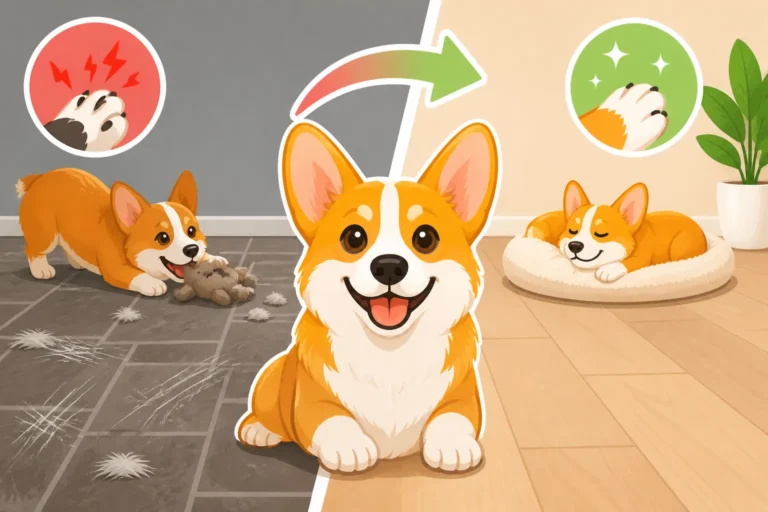
When a Corgi is deprived of this mental and physical stimulation, it doesn't just sit quietly. Instead, that energy and instinct often get redirected into behaviors we find less desirable. You might notice your Corgi trying to "herd" your family members, especially children, by circling and nipping at their ankles. This isn't malice; it's simply The Cattle-Driving Nip a Corgi Still Has finding an inappropriate outlet. They might also become incessant barkers, using their vocalizations to try and control their environment, much like they would use barks to move stubborn livestock. Providing a constructive outlet like herding classes allows them to engage with their true nature in a safe, controlled, and fulfilling way.
Beyond Entertainment: The Benefits for a Corgi's Well-being
Herding classes offer far more than just a fun day out. For a Corgi, they are a powerful form of enrichment that taps into their deepest instincts. This kind of work provides unparalleled mental stimulation, challenging their minds to strategize, anticipate, and respond to the movement of animals. It's like a complex puzzle that keeps them engaged and thinking.
Physically, herding is a fantastic full-body workout. Corgis are low to the ground, but they are incredibly athletic. They use their short legs for bursts of speed, quick turns, and steady pacing, all while maintaining balance and focus. This controlled exercise builds muscle, improves coordination, and helps maintain a healthy weight, which is crucial for a breed prone to back issues. An active Corgi is a happy Corgi, and one that is mentally and physically satisfied is far less likely to develop behavioral problems at home. It truly provides The Job a Corgi Needs Instead of Herding You. Plus, the bond you build with your Corgi as you work together to manage the flock is truly special, strengthening your relationship and mutual understanding.
The Different Structures and Formats of Herding Classes
Just like with any specialized training, herding classes come in various shapes and sizes, each designed to meet different needs and skill levels. Understanding these options will help you determine the best fit for your Corgi and your budget.
Introductory Workshops and Clinics
Many herding facilities offer introductory workshops or one-day clinics. These are fantastic for giving your Corgi a "taste" of herding without a long-term commitment. They're typically designed for dogs with no prior experience and focus on assessing natural instinct and teaching basic commands like "walk up" and "lie down" in the context of sheep or ducks.
These workshops are often led by experienced handlers who can quickly identify if your Corgi has the drive and focus for herding. You'll learn about reading livestock, proper handling techniques, and how to encourage your dog's natural instincts. This format is ideal if you're unsure whether herding is for you or your Corgi, or if you simply want a unique enrichment experience. The cost for these is usually a single fee for the session, which might run for a few hours or a full day. It's a great way to dip your toes in without a huge investment, allowing you to gauge your Corgi's enthusiasm and aptitude for the work.
Weekly Group Classes and Progressive Training
If your Corgi shows a strong aptitude and enjoys the introductory experience, weekly group classes are the next natural step. These classes are structured like traditional dog training courses, meeting once a week for several weeks (e.g., 6-8 sessions). They allow for progressive learning, building on fundamental skills with increasing complexity. You'll work on more advanced commands, learn how to "read" the livestock and your dog, and develop a deeper understanding of partnership in herding.
Group classes are great for socialization, as your Corgi will be around other dogs and people in a controlled environment, though usually, only one dog works the sheep at a time. The consistent practice helps solidify the skills and provides a regular mental and physical challenge for your Corgi. These often involve a set fee for the entire course, offering a more structured and often more cost-effective way to train over time compared to individual sessions. This is where your Corgi truly starts to develop its skills and you can see that ingrained intelligence really shine.
Private Lessons and Advanced Opportunities
For Corgis and handlers who are serious about herding, private lessons become invaluable. These one-on-one sessions allow the instructor to tailor the training specifically to your Corgi's strengths and weaknesses, addressing individual challenges and accelerating progress. They're perfect for fine-tuning skills, working through specific issues, or preparing for Herding Trials and Instinct Tests for a Corgi. Private lessons tend to be more expensive per session but can be incredibly efficient for targeted training.
Once you and your Corgi have mastered the basics, there are often advanced opportunities available, such as advanced group classes, specific clinics focusing on trial preparation, or even joining a local herding club. These clubs often provide access to fields and sheep for practice, sometimes at a membership fee, and host informal gatherings or sanctioned trials. For those truly dedicated, herding can become a competitive sport, requiring significant time and financial commitment, but offering immense satisfaction as you watch your Corgi perform the job it was born to do.
Breaking Down the Typical Cost Factors for Corgi Herding Classes
Understanding the general cost of herding classes involves looking at several key variables. Since specific prices fluctuate based on location, facility, and instructor, we'll talk about the factors that influence the overall investment.
Session Length, Location, and Instructor Experience
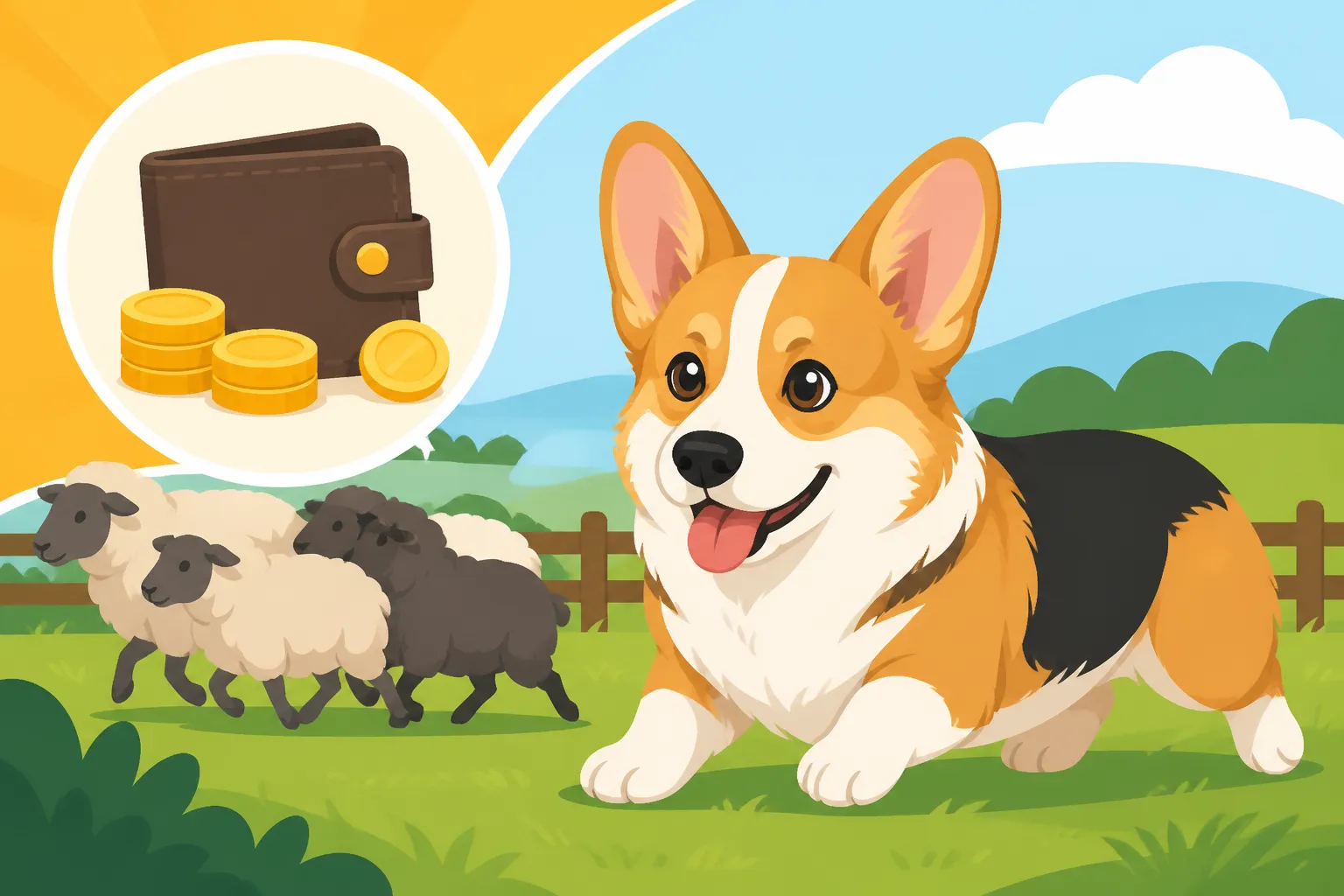
One of the biggest factors in pricing is the session length and frequency. A short, one-time "instinct test" or introductory workshop will naturally cost less than a full six-week course. Private lessons, while more expensive per hour, offer concentrated learning.
| Class Format | Typical Duration | General Cost Shape (per session/course) |
|---|---|---|
| Instinct Test/Intro Clinic | 1-3 hours | Lower, one-time fee |
| Group Classes (weekly) | 6-8 weeks | Medium, course-based fee |
| Private Lessons | 30-60 minutes | Higher, per-session fee |
| Advanced Workshops | 1-2 days | Medium-to-High, event-based fee |
| Herding Club Membership | Annually | Annual fee + potential per-practice fees |
The geographical location of the herding facility plays a significant role as well. Facilities located closer to major metropolitan areas with higher operating costs or in regions with a strong demand for dog sports might have higher fees. Conversely, facilities in more rural areas might offer more budget-friendly options.
Finally, the experience and reputation of the instructor can greatly impact costs. Highly sought-after trainers with years of experience, titles on their own dogs, and a proven track record of success will often command higher rates. They bring a wealth of knowledge and expertise that can be invaluable in guiding both you and your Corgi, especially when it comes to understanding What a Welsh Corgi Did on a Farm All Day and how to translate that into modern training.
Additional Expenses: Equipment, Travel, and Trials
While the class fee itself is the primary cost, it's important to consider other potential expenses that can add up.
- Equipment: For basic classes, you might not need much beyond a sturdy leash and collar. However, as you progress, you might invest in a specific herding stick (though many facilities provide these initially), long lines, or comfortable, weather-appropriate attire for yourself. The good news is that these are often one-time purchases. When you're looking for sturdy, reliable leashes or specialized training gear, sites like Chewy offer a wide selection that can withstand the rigors of the field.
- Travel: Herding facilities are often located outside of urban centers, requiring travel. Factor in the cost of fuel for regular trips, especially if your classes are weekly or if you attend workshops some distance away. Time is also a commodity; dedicating travel time is part of the overall commitment.
- Trials: If you get serious and decide to compete, trial entry fees are an additional expense. These fees cover the cost of hosting the event, judges, and livestock. Beyond entry fees, you might incur costs for lodging if the trial is far from home, further adding to the investment in your Corgi's herding career.
How Membership and Packages Can Influence Pricing
Many herding centers and clubs offer various membership tiers or package deals that can make participation more economical in the long run.
- Package Deals: Instead of paying for individual lessons or workshops, you might be able to purchase a package of multiple sessions upfront at a reduced rate. This is especially common for group classes or for buying a block of private lessons. If you're committed to ongoing training, these packages can offer significant savings compared to paying piecemeal.
- Club Memberships: Joining a local herding club can be a fantastic way to reduce costs, especially for those who want regular practice. Membership fees often grant you access to practice fields, discounted rates on clinics, and opportunities to work with experienced members. Some clubs might even offer "work-to-play" options where you can help with chores around the facility in exchange for practice time. These clubs are invaluable for consistent exposure to livestock and for connecting with a community of like-minded Corgi owners who share your passion for the breed's working heritage. This can be a game-changer for someone who truly wants their Corgi to Whether Corgis Still Work Cattle.
Making Herding Classes Affordable for Your Corgi
While the costs associated with herding classes can seem daunting, there are many ways to manage these expenses and ensure your Corgi gets the opportunity to embrace its heritage.
Exploring Options: Local Clubs, Rescues, and Online Resources
One of the best ways to keep costs down is to actively seek out different providers. Don't just settle for the first facility you find.
- Local Herding Clubs: As mentioned, local clubs often have lower fees than commercial training centers because they are frequently run by volunteers and focus on community access. They might also offer mentorship programs where experienced members guide newcomers, reducing the need for costly private lessons early on. Search for clubs affiliated with national herding organizations; they often have directories of local groups.
- Rescue Organizations: Some Corgi-specific or all-breed rescue organizations occasionally offer discounted training opportunities or can point you toward affordable resources in your area. They often have connections within the dog community and understand the importance of mental stimulation for active breeds.
- Online Resources: While herding ultimately requires hands-on practice with livestock, online resources can help you build foundational skills with your Corgi before you even step onto a field. Many experienced trainers offer webinars, video tutorials, or online courses on basic obedience, leash handling, and developing focus—all crucial for herding work. You can also find forums and communities where owners share tips on affordable training. For instance, reputable online pet supply retailers like Chewy might feature educational content or partner with trainers to offer introductory advice.
- Dog Food Subscriptions: Keeping your Corgi healthy and energetic for herding classes also means feeding them well. Consider subscription services like Ollie, which deliver high-quality, portion-controlled meals tailored to your dog's needs. While an upfront cost, knowing your Corgi is fueled for optimal performance can prevent health issues down the line, ultimately saving vet bills.
Budgeting for the Long Haul: It's a Journey, Not a Sprint
Herding is rarely a "one and done" activity; it's a journey of continuous learning and bonding with your Corgi. Approaching the costs with a long-term perspective can help make it more manageable.
- Prioritize Spending: Decide what's most important for your Corgi's training goals. Is it getting a solid foundation in group classes, or does your Corgi need individualized attention through private lessons? If money is tight, you might start with an instinct test, then focus on Training a Corgi That Makes Its Own Decisions at home using those basic principles, before rejoining more formal classes when your budget allows.
- Emergency Fund & Insurance: Even in a controlled environment like a herding class, accidents can happen. A Corgi moving quickly around livestock could potentially sustain an injury. Having an emergency fund or pet insurance from providers like Healthy Paws can provide immense peace of mind. While insurance won't cover the cost of the classes themselves, it can buffer unexpected veterinary expenses, which can be substantial for injuries like sprains or even more serious issues if your Corgi has a genetic predisposition to certain health concerns. Remember, a Corgi has a long back that needs protection, and knowing you can cover unexpected medical costs is a huge relief.
- DIY Skills: Learn as much as you can from your instructor and practice consistently at home. The more you reinforce the lessons, the faster your Corgi will learn, potentially reducing the number of paid sessions you need. There's a lot you can do to build focus and responsiveness even without sheep, such as The Forty-Five Minutes a Corgi Needs Daily of structured activity, which can set your Corgi up for success in formal herding training.
- The Lifetime Value: Consider the return on investment. A Corgi engaged in its natural instincts is a happier, healthier, and better-behaved companion. The prevention of destructive behaviors, the physical conditioning, and the joy you both derive from the activity often far outweigh the monetary costs. It's an investment in your Corgi's overall quality of life and your shared bond.
Disclaimer
This article is for general informational purposes only and does not constitute professional advice. Laws, prices and regulations vary by location and change over time. Consult a qualified professional for guidance on your specific situation.