What Comes With a Corgi Adoption Fee
Bringing a Corgi into your home is a truly exciting prospect, but when you look at that adoption fee, it’s completely natural to wonder what exactly it covers. It can feel like a significant upfront cost, and it's easy to worry if you're getting value for money or if it's just the tip of the iceberg. This comprehensive guide is here to demystify what’s typically included in a Corgi adoption fee, highlighting the incredible care and effort that goes into preparing a rescue dog for its forever home, and also what expenses you'll still need to plan for.
What the Corgi Adoption Fee Actually Covers
When you adopt a Corgi from a reputable rescue or shelter, the adoption fee is rarely just a "selling price." Instead, it's a vital contribution that helps the organization recoup some of the considerable costs they incur while caring for and rehabilitating the dog. These organizations pour immense resources into ensuring each Corgi is healthy, socialized, and ready for a new life. Understanding these inclusions can help you see the true value of your adoption fee.
Initial Veterinary Health Checks
Every Corgi that enters a rescue or shelter system undergoes a thorough veterinary examination. This isn't just a quick glance; it's a comprehensive check-up designed to identify any immediate health concerns, potential underlying issues, or chronic conditions that might need attention. Think about it: many of these dogs come from unknown backgrounds, sometimes neglected or abandoned, and their health status can be a complete mystery.
During this initial assessment, a veterinarian will perform a full physical exam, checking everything from their teeth and ears to their heart and lungs. They'll look for signs of fleas, ticks, ear mites, or other parasites. If the Corgi shows any concerning symptoms, such as limping or coughing, further diagnostics like X-rays or blood tests might be ordered. This extensive screening ensures that when you bring your Corgi home, you're not immediately facing an unexpected, expensive trip to the vet for an undiagnosed issue. This critical early intervention helps set your Corgi up for long-term health, directly contributing to why the adoption fee is structured the way it is.
Spay/Neuter and Vaccinations
One of the biggest components of almost any Corgi adoption fee is the cost associated with spaying or neutering the dog, as well as providing all necessary vaccinations. Responsible rescues have a firm policy on spaying and neutering to help control pet overpopulation, which is a massive challenge in the animal welfare world. This surgical procedure, especially for a female Corgi, is not inexpensive when performed at a private veterinary clinic, often costing several hundred dollars on its own.
Beyond the surgery, your adopted Corgi will come with an up-to-date vaccination record. This typically includes core vaccines like Distemper, Adenovirus (Hepatitis), Parvovirus, and Rabies. Depending on the Corgi's age and previous history, they might also receive non-core vaccines like Bordetella (kennel cough) or Leptospirosis. In addition, almost all rescues deworm and deflea their animals. All these preventative health measures are crucial for your Corgi’s well-being and are a significant part of the adoption fee, saving you hundreds of dollars in initial veterinary expenses that you would certainly incur if you acquired a Corgi from another source without these services. You might also find that some rescues have already conducted essential genetic health screenings, which can save you from potential future heartbreak and costs, such as identifying if the Corgi carries the gene for Degenerative Myelopathy and the Corgi.
Microchipping and Identification
Another essential service universally included in Corgi adoption fees is microchipping. A microchip is a tiny, passive radio-frequency identification (RFID) transponder, about the size of a grain of rice, that is implanted just under your Corgi's skin, usually between the shoulder blades. This chip contains a unique identification number that is registered in a national pet recovery database.
Should your Corgi ever get lost, a scanner at a vet's office or animal shelter can read this chip, revealing your contact information and dramatically increasing the chances of a happy reunion. Without a microchip, finding a lost pet can be a heartbreaking and often fruitless endeavor. The cost of a microchip and its registration might seem small on its own, but it's an invaluable safety net. Think of it as peace of mind, built right into the adoption process. This commitment to permanent identification is a hallmark of a responsible rescue, ensuring that every Corgi they place has the best possible chance of being returned home if they ever wander off.
Beyond the Basics: What a Good Rescue Provides
While initial vet care, spay/neuter, and microchipping are standard, many reputable Corgi rescues go above and beyond, offering additional services and support that add immense value to the adoption fee. These extras often represent countless hours of volunteer work and further financial investment into each dog's well-being.
Behavioral Assessments and Training Support
One of the biggest unknowns when adopting any dog, and especially a rescue Corgi, can be their temperament and past experiences. Good rescues understand this and dedicate significant time to behavioral assessments. Trained staff or experienced volunteers will observe the Corgi's interactions with people, other dogs, and various stimuli. They'll try to identify any existing behavioral issues like fear, anxiety, resource guarding, or reactivity. For example, some Corgis, given their herding background, might have tendencies like nipping at heels or excessive barking, and a good assessment can flag these behaviors.
Beyond just identifying issues, many rescues also provide initial training and socialization. This could involve basic leash manners, house-training, or even just getting the Corgi comfortable in a home environment. Some rescues even offer post-adoption support, connecting you with trainers who understand the breed's unique quirks or providing resources to help address specific challenges. This level of insight and support is incredibly valuable, especially if you’re new to Corgis or have specific living arrangements, like children or other pets, that need careful introductions. It helps ensure a smoother transition for both you and your new furry family member.
Food, Supplies, and Transition Aids
It’s not uncommon for Corgi rescues to send their adopted dogs home with a starter kit of sorts, making the first few days and weeks of transition a little easier on everyone. This often includes a small bag of the food the Corgi has been eating, helping you transition them slowly to your chosen brand without upsetting their stomach. Many rescues have partnerships with pet supply companies or receive donations, so they might be able to provide a starter bag of kibble from brands like Purina Pro Plan or Royal Canin, or even point you towards healthier options like those offered by Ollie, the fresh pet food company.
Beyond food, a rescue might also provide a favorite toy, a comfort blanket with the scent of their previous environment, or even a slip lead or collar. Some even go so far as to include information about what kind of Orthopedic Beds for a Corgi would be best to support their long backs, or suggestions for appropriate enrichment toys. While these items individually don't account for a huge portion of the adoption fee, they represent thoughtful consideration for the Corgi’s comfort and your initial needs, reducing stress during an already exciting time. It’s these little touches that reflect a rescue’s dedication to a successful adoption.
Ongoing Post-Adoption Support
A truly exceptional Corgi rescue doesn't just hand over the leash and wish you luck; they view adoption as the start of a lifelong relationship. Many offer ongoing post-adoption support, recognizing that questions and challenges can arise long after the initial excitement. This support can take many forms, such as dedicated phone lines or email contacts for adopters, private online communities where you can connect with other Corgi owners, or even follow-up check-ins to see how things are going.
This commitment means you have a valuable resource to turn to if you encounter unexpected behavioral issues, have health questions, or simply need advice on things like grooming or exercise. For example, if your Corgi starts exhibiting signs of anxiety or develops a sudden aversion to car rides, the rescue might be able to offer guidance or refer you to appropriate resources. This kind of safety net is invaluable, particularly for first-time Corgi owners or those dealing with a dog that has a complex history. Knowing you’re not alone and that there’s a compassionate team ready to help can make all the difference in navigating the journey of Corgi ownership.
Understanding the Value: Why Rescue Fees Vary
It’s a common frustration to see Corgi adoption fees differ wildly between organizations or even for dogs within the same rescue. One Corgi might be $250, while another is $600. These variations aren't arbitrary; they’re typically influenced by a range of factors that reflect the operational costs, the individual dog's needs, and the rescue's financial model.
Factors Influencing the Price Tag
Several key factors contribute to the specific amount of a Corgi adoption fee. Firstly, the age of the Corgi often plays a significant role. Puppies and young adult Corgis, generally under two years old, often have higher fees. This is partly due to their higher demand and partly because they typically require a full series of puppy vaccinations and perhaps more intensive initial veterinary care. On the other end, senior Corgis, or those with known health issues, may have lower or waived fees to encourage their adoption, as they often face a harder time finding homes.
The health status of the individual Corgi also heavily influences the fee. A Corgi that required extensive medical treatment – perhaps surgery for an injury, specialized dental work, or ongoing medication for a chronic condition – will often be adopted out with a higher fee to help offset these considerable costs. Rescues operate on donations and these fees, so a dog with a $1,500 vet bill will naturally need a higher adoption contribution to help the rescue continue its work for other animals. Additionally, breed popularity can sometimes impact fees, as highly sought-after breeds like Corgis may command slightly higher fees, which can then be used to subsidize the care of less popular or more challenging dogs.
The Difference Between Shelters and Breed-Specific Rescues
The type of organization you adopt from can also impact the adoption fee. Generally, municipal animal shelters or larger, general-purpose humane societies (like your local ASPCA or Humane Society) may have lower adoption fees compared to smaller, breed-specific Corgi rescues. This is often because larger shelters receive some form of government funding, grants, or have massive donor bases that help cover operational costs, allowing them to keep fees lower for all animals.
Breed-specific Corgi rescues, on the other hand, are typically volunteer-run and rely almost entirely on adoption fees, fundraisers, and private donations. They often specialize in one breed and have deep knowledge of Corgi health issues like Disc Disease in a Long-Backed Corgi or behavioral traits, providing more tailored care and assessment. This specialization can mean higher overheads for specific medical treatments or extensive behavioral modification programs unique to Corgis. Therefore, while their fees might be higher, you're often paying for a highly specialized level of care, breed-specific expertise, and dedicated support that generic shelters might not be able to provide. For example, if you find yourself needing to rehome a Corgi, contacting a breed-specific rescue is often recommended as they are better equipped to handle the nuances of the breed.
Location and Market Demand
Where you live and the current demand for Corgis in that area can also play a role in adoption fee variations. In regions where the cost of living is higher, veterinary services, facility rentals, and general operational expenses for rescues are also typically higher. Consequently, adoption fees may be adjusted upwards to reflect these increased costs. For example, a Corgi adoption fee in a major metropolitan area like Los Angeles or New York City might be notably higher than in a rural part of the Midwest, simply due to the economic realities of operating a non-profit in those different environments.
Furthermore, the popularity of Corgis can fluctuate. Thanks to their adorable internet presence and historical association with royalty, Corgis have periods of incredibly high demand. When demand is high, and supply (of rescue Corgis) is limited, fees might edge up slightly, not to profit, but to sustain the rescue's ability to help more dogs. It’s also worth noting that reputable rescues do not engage in "price gouging." Instead, they carefully calculate their fees to cover the average cost of care, ensuring they can continue their life-saving work. This means that while a fee might seem substantial, it’s usually a reflection of the true investment made into that Corgi’s health and future. This is a very different model to simply looking at Corgi Puppy Prices From a Tested Breeder, which reflect the breeder's investment in bloodlines and specific breeding practices.
Preparing for Your Corgi: What's Not Included in the Fee
While the adoption fee covers a lot of essential services, it’s crucial to understand that it’s just the beginning of your financial journey with a Corgi. There are many ongoing and initial costs that you'll need to budget for separately, ensuring your new companion has everything they need for a happy and healthy life. Overlooking these expenses can lead to unexpected financial strain down the road.
Essential Supplies and Home Setup
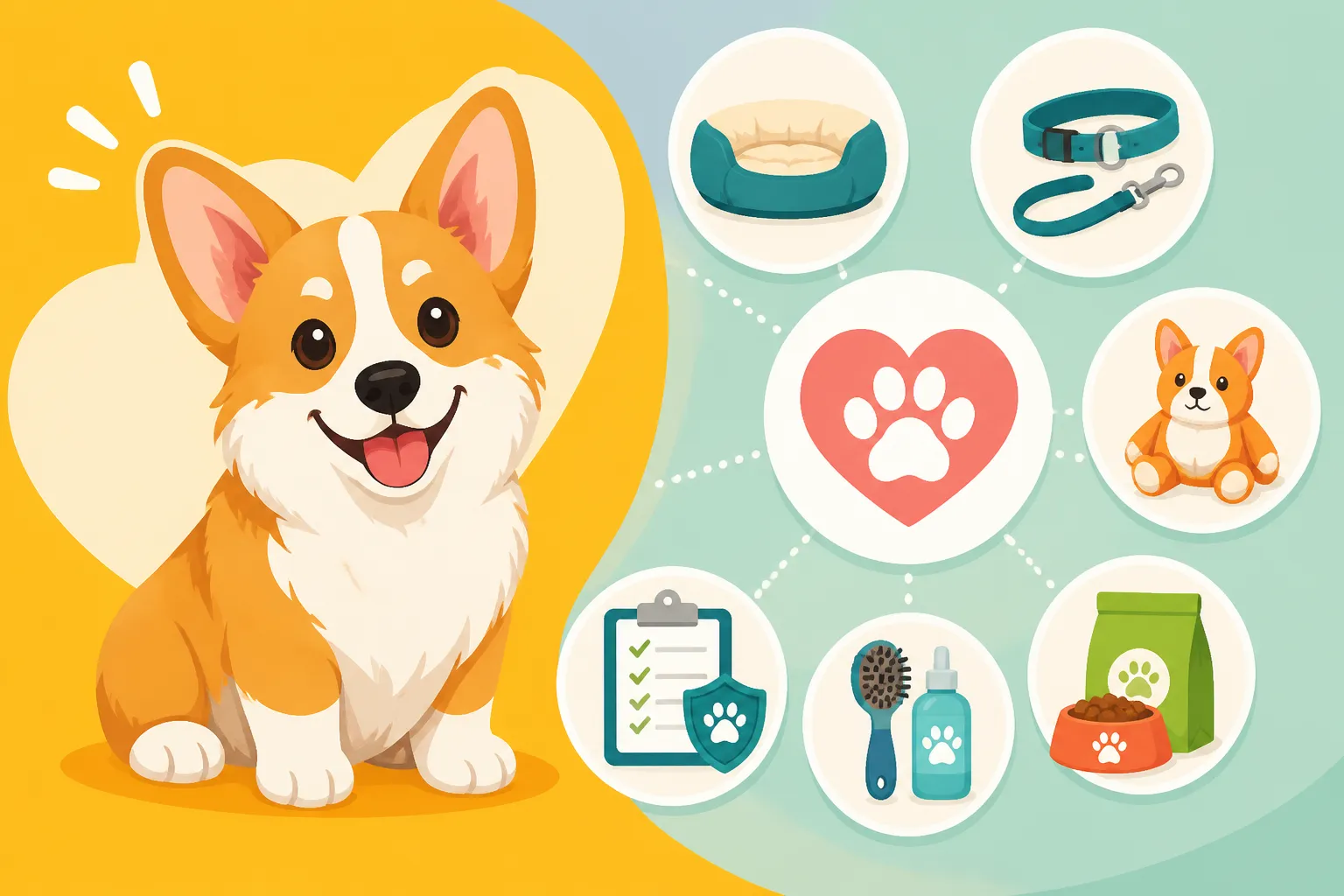
Before your Corgi even walks through your door, you’ll need to invest in a range of essential supplies to make your home comfortable and safe for them. This includes basics like food and water bowls – stainless steel is often recommended for hygiene. You'll need a good quality collar or a comfortable harness that doesn't put pressure on their spine, like those discussed in Whether a Corgi Should Wear a Harness Not a Collar, along with a sturdy leash. ID tags with your contact information are also a must, even with a microchip.
Beyond the immediate necessities, you'll want to consider a comfortable dog bed (or a few!), a crate if you plan on crate training, and a selection of appropriate toys to keep your Corgi mentally stimulated and physically active. Given a Corgi's propensity for back issues, many owners also invest in ramps or steps for furniture and vehicles to prevent jumping injuries, as outlined in Ramps and Steps That Save a Corgi's Back. Don't forget grooming tools like brushes and nail clippers, as Corgis are prodigious shedders. Setting up your home properly requires a significant upfront investment, entirely separate from the adoption fee, and is critical for your Corgi's safety and well-being. Companies like Chewy can be excellent resources for finding all these supplies, often with competitive pricing and convenient delivery.
Ongoing Veterinary Care and Preventative Measures
The adoption fee covers initial vaccinations and health checks, but ongoing veterinary care is a lifelong commitment. Your Corgi will need annual wellness exams, booster vaccinations, and regular parasite prevention (flea, tick, and heartworm medications). These routine costs can add up to several hundred dollars each year. As Corgis age, they often require more frequent vet visits, blood work, or specialized care for common breed-specific issues.
Beyond routine care, you must budget for potential emergencies or unexpected illnesses. Corgis are unfortunately predisposed to certain health conditions, including dental disease and orthopedic issues. For example, understanding The Annual Exam Where a Corgi's Back Gets Checked is crucial, as early detection of issues can save money and improve quality of life. This is where pet insurance can be a literal lifesaver, offering financial protection against costly treatments for accidents or illnesses. Companies like Healthy Paws are popular choices, and it's always wise to get a policy in place before any health issues arise, as they might then be considered pre-existing conditions. Neglecting these ongoing vet costs is not an option for a responsible Corgi owner.
Training and Enrichment Activities
While some rescues provide basic behavioral assessments, formal training and ongoing enrichment are often expenses you'll need to cover. Corgis are intelligent dogs, but they can also be strong-willed and independent, a trait that makes Training a Corgi That Makes Its Own Decisions both rewarding and challenging. Puppy classes, obedience training, or specialized behavioral consultations can range from hundreds to thousands of dollars, depending on the intensity and duration.
Beyond formal classes, you'll need to provide consistent mental and physical enrichment. This includes daily walks, puzzle toys, interactive games, and potentially enrolling in dog sports like obedience, agility, or scent work (being mindful of their back health, of course). These activities prevent boredom, reduce destructive behaviors, and strengthen your bond. Even if you don't opt for professional training, investing time in consistent training at home and purchasing stimulating toys is essential for a well-adjusted Corgi. These ongoing investments in their mental and physical well-being are just as important as their physical health.
The Financial Reality of a Rescue Corgi
Adopting a Corgi is more than just paying an initial fee; it’s making a long-term financial commitment. The actual cost of owning a Corgi extends far beyond that adoption day, encompassing years of care, food, vet visits, and unexpected expenses. Being realistic about these financial demands is vital for ensuring you can provide a stable and loving home for your rescue Corgi for their entire lifespan.
Budgeting for a Corgi's Lifetime
The initial adoption fee, while significant, pales in comparison to the total lifetime cost of owning a Corgi. On average, a Corgi can live for 12 to 15 years, and during that time, you'll be responsible for regular expenses such as high-quality food (which can be a substantial cost, especially for a Feeding a Twenty-Eight Pound Corgi to maintain a healthy weight), routine vet care, preventative medications, grooming supplies, and replacement toys. Many owners underestimate the impact of these recurring costs.
It’s prudent to create a detailed budget that accounts for these monthly and annual expenses. Consider setting aside an emergency fund specifically for your Corgi, or investing in pet insurance, as discussed in Whether a Corgi Owner Can Skip Insurance. This foresight helps avoid financial stress if an unexpected illness or injury arises. Understanding What a Corgi Costs a Year Before Any Back Trouble is a good starting point, but remember these costs escalate with age and potential health issues. A responsible owner plans not just for the adoption day, but for the entire happy, healthy life of their beloved Corgi.
Navigating Potential Health Challenges
One of the most significant potential financial aspects of Corgi ownership, especially with rescues where the full genetic history might be unknown, is the cost associated with breed-specific health challenges. Corgis, with their distinctive long backs and short legs, are prone to intervertebral disc disease (IVDD), which can lead to incredibly expensive vet bills if surgery or extensive rehabilitation is needed. The "Corgi Bills That Come With a Long Back" are a very real concern for many owners. Other common issues include hip and elbow dysplasia, progressive retinal atrophy (PRA), and even certain cancers as they age.
These conditions can require specialized diagnostics like MRIs, expensive surgeries, long-term medications, and physical therapy or even mobility aids like wheelchairs. While some rescues might have done initial The DNA Tests a Corgi Breeder Should Run, it’s impossible to guarantee a dog will never develop an illness. This is where pet insurance, particularly with a strong orthopedic component, becomes invaluable. Policies from providers like Healthy Paws or Trupanion can cover a significant portion of these costs, easing the financial burden and allowing you to focus on your Corgi's recovery. Being prepared for these possibilities isn’t pessimistic; it’s a realistic and responsible approach to Corgi ownership.
The Intangible Returns on Investment
While it's important to discuss the financial aspects, it's equally important to acknowledge the immeasurable benefits of adopting a Corgi. The love, companionship, and joy a Corgi brings into your home are truly priceless. Rescue Corgis often come with a special appreciation for their new lives, exhibiting immense loyalty and affection to their saviors. Many adopters speak of a unique bond formed with a rescue dog, a sense of having given a second chance that is incredibly rewarding.
You're not just bringing home a pet; you're often getting a dog that has already been socialized, house-trained (or well on their way), and had their basic health needs addressed. This can save you countless hours and frustrations that might come with a puppy. The satisfaction of knowing you’ve provided a loving forever home to an animal in need, and supported the vital work of a rescue organization, is an emotional return on investment that far outweighs any monetary cost. The laughter, comfort, and unconditional love your Corgi provides will enrich your life in ways you never imagined, making every penny and every moment spent an incredible value.
Adoption Fee Comparison Table
To help visualize what is typically included versus what you'll need to budget for separately when adopting a Corgi, here's a helpful comparison table:
| Item/Service | Typically Included in Adoption Fee | Usually an Additional Expense for Owner |
|---|---|---|
| Initial Vet Exam | ✓ | |
| Spay/Neuter Surgery | ✓ | |
| Core Vaccinations | ✓ | |
| Deworming/Defleaing | ✓ | |
| Microchipping & Registration | ✓ | |
| Basic Behavioral Assessment | ✓ (often) | |
| Starter Food Sample | ✓ (often) | |
| Collar/Leash (basic) | ✓ (sometimes) | |
| High-Quality Ongoing Food | ✓ | |
| Ongoing Annual Vet Checks | ✓ | |
| Heartworm/Flea/Tick Prevent. | ✓ | |
| Pet Insurance | ✓ | |
| Specialty Dog Beds | ✓ | |
| Ramps/Steps for Furniture | ✓ | |
| Professional Training Classes | ✓ | |
| Grooming Supplies | ✓ | |
| Chew Toys & Enrichment | ✓ | |
| Emergency Vet Bills | ✓ |
Disclaimer
This guide offers general information regarding Corgi adoption fees and associated costs. Specific inclusions and exclusions may vary significantly between individual rescue organizations, shelters, and geographical locations. It is crucial to directly contact the rescue you are working with to understand precisely what their adoption fee covers and what additional expenses you should anticipate. Health and veterinary costs are estimates and can vary widely based on the individual Corgi's needs, veterinary clinic pricing, and unforeseen circumstances.