Acupuncture for a Corgi With Back Pain
It’s absolutely heartbreaking to watch your lively Corgi, usually a blur of stubby legs and wagging nub, slow down or even cry out because of back pain. As Corgi owners, we know all too well the unique challenges that come with their long backs and short legs, and when a beloved companion starts showing signs of discomfort, our first instinct is to find any relief we can. This comprehensive guide aims to shed light on acupuncture as a potential, often gentle, therapeutic option for Corgis struggling with various forms of back pain, offering a realistic look at how it works, what to expect, and whether it might be the right path for your furry friend.
Understanding Back Pain in Corgis
Corgis, both Pembroke and Cardigan Welsh, are undeniably charming, but their distinctive physique – that long body coupled with short legs – unfortunately predisposes them to a range of spinal issues. It’s not just a genetic lottery; it's a structural reality that many owners grapple with. From the everyday wear and tear of enthusiastic zoomies to more severe conditions, back pain is a very real concern for these wonderful dogs.
Common Spinal Problems in Our Low Riders
One of the most prevalent and concerning issues for Corgis is intervertebral disc disease (IVDD). This condition is essentially a herniated, bulging, or slipped disc in the spine. Imagine the discs between the vertebrae as tiny jelly donuts, cushioning the bones. With IVDD, the "jelly" part can either slowly bulge out or rupture entirely, pressing on the spinal cord. This can cause immense pain, nerve damage, and in severe cases, paralysis. It’s a terrifying prospect for any Corgi parent. We often find ourselves looking for subtle clues, like when a Corgi that cries when lifted under the chest, or a sudden reluctance to jump. Understanding Disc Disease in a Long-Backed Corgi is crucial for early intervention.
Beyond IVDD, Corgis can also suffer from other age-related conditions that contribute to back pain. Degenerative myelopathy (DM) is another serious neurological condition that can mimic back pain symptoms, often causing weakness and unsteadiness in the hind legs, though it's not a painful condition itself. However, distinguishing between a pinched nerve from a disc issue and the onset of DM can be incredibly challenging for owners, and even for vets initially. Knowing the difference between Telling a Corgi's Slipped Disc From Myelopathy is key to ensuring the correct treatment path. Arthritis in the spine (spondylosis) or hips can also lead to compensatory back pain, making everyday movements a chore for our aging friends.
The Impact of Pain on a Corgi's Quality of Life
When a Corgi is in pain, their entire world shrinks. The joy of a tail wag, the zest for a walk, the playful nips – they can all diminish or disappear. They might become withdrawn, aggressive, or simply refuse to move. Activities that once brought them immense pleasure, like running to greet you at the door or chasing a favorite toy, become arduous tasks. A Corgi dragging one back foot, for instance, is a clear sign that something is amiss and needs immediate veterinary attention. Their appetite might decrease, their sleep patterns can be disrupted, and their personality can change dramatically. It’s not just about physical discomfort; it’s about a decline in their overall mental and emotional well-being, leaving us, their devoted companions, feeling helpless and desperate for solutions. We want them to enjoy their golden years, and knowing The Corgi Years When the Back End Gives Out can help us prepare and seek appropriate care.
What is Veterinary Acupuncture and How Can It Help?
When conventional veterinary medicine hits a wall, or when we’re looking for complementary therapies to support our Corgi's well-being, acupuncture often comes up in conversation. It’s an ancient practice that, while steeped in tradition, is increasingly supported by modern scientific understanding and integrated into Western veterinary care.
The Principles Behind Acupuncture for Dogs
At its core, acupuncture, derived from Traditional Chinese Veterinary Medicine (TCVM), involves inserting very fine needles into specific points on the body, known as acupoints. These points are believed to lie along pathways called meridians, through which "Qi" (pronounced "chee"), or life energy, flows. When a Corgi experiences pain or illness, TCVM theory suggests there's an imbalance or blockage in the flow of Qi. By stimulating these acupoints, the goal is to restore balance, alleviate pain, and promote natural healing.
From a Western perspective, the mechanism is understood differently but still validates its effectiveness. When an acupoint is stimulated, it triggers a cascade of physiological responses. It can:
- Release natural pain-relieving substances: Endorphins, serotonin, and other neurotransmitters are released, acting as the body's natural painkillers.
- Improve blood circulation: Increased blood flow to the affected area can help reduce inflammation and deliver healing nutrients.
- Relax muscles: Acupuncture can alleviate muscle spasms and tension, which often accompany back pain.
- Stimulate nerves: It can modulate nerve function, reducing pain signals sent to the brain.
- Reduce inflammation: By influencing the immune system, acupuncture can help calm inflammatory responses.
These combined effects can offer significant relief, particularly for chronic pain, and can be a fantastic adjunct to other treatments for a Corgi with back pain.
Types of Acupuncture Used in Veterinary Practice
It's not just "needles in skin"; there are several variations of acupuncture, and a certified veterinary acupuncturist will choose the most appropriate method for your Corgi's specific condition and temperament.
- Dry Needling: This is the most common form, where sterile, thin needles are inserted into acupoints and left in place for a certain duration, typically 15-30 minutes. It's usually very well-tolerated by Corgis, with many dogs becoming quite relaxed, even falling asleep during sessions.
- Electroacupuncture: This method involves attaching a very low electrical current to the needles after they are inserted. The gentle current further stimulates the acupoints, which can enhance the pain-relieving effects, particularly for severe or chronic pain. It's often used for conditions like IVDD or significant muscle atrophy.
- Aquapuncture: Instead of dry needles, a liquid substance (like Vitamin B12, saline, or a homeopathic solution) is injected into the acupoints. This provides a longer-lasting stimulation of the point as the body slowly absorbs the liquid. It's a good option for Corgis who might be too squirmy for sustained dry needling.
- Hemoacupuncture: This involves pricking specific points to release a small amount of blood. It’s less common and typically used for specific conditions in TCVM theory.
- Laser Acupuncture: For Corgis who are needle-shy or for particularly sensitive areas, a low-level laser can be used to stimulate acupoints without penetrating the skin. While often less potent than traditional needling, it offers a gentle, non-invasive alternative.
A good veterinary acupuncturist will assess your Corgi's comfort level and condition to determine the best approach. It’s not a one-size-fits-all treatment, and the customization is part of what makes it so effective.
When to Consider Acupuncture for Your Corgi
Deciding to pursue acupuncture for your Corgi is a thoughtful process, usually undertaken in consultation with your primary veterinarian and a certified veterinary acupuncturist. It’s not typically a first-line treatment for acute emergencies, but rather a powerful tool in managing ongoing pain and supporting recovery.
Conditions That May Benefit From Acupuncture
Acupuncture can be highly beneficial for a variety of conditions that cause back pain or impact mobility in Corgis. It’s most commonly considered for:
- Intervertebral Disc Disease (IVDD): Whether your Corgi is recovering from a disc rupture, managing chronic disc degeneration, or undergoing conservative treatment, acupuncture can help reduce pain, inflammation, and muscle spasms. It can often improve nerve function and accelerate healing alongside crate rest for a Corgi with a bad back.
- Arthritis and Joint Pain: As Corgis age, arthritis in the spine, hips (like in Corgi Hips and Front-End Structure issues), or other joints can become a source of significant discomfort. Acupuncture can help manage this chronic pain, improving mobility and overall comfort.
- Degenerative Myelopathy (DM): While acupuncture cannot cure DM, it can certainly help manage secondary pain and improve quality of life. Many Corgis with DM develop compensatory pain in other parts of their body due to altered gait and muscle weakness. Acupuncture can help address this, alongside physiotherapy for a Corgi losing its legs, and maintaining some muscle tone and comfort.
- Muscle Spasms and Soft Tissue Injuries: Sometimes back pain stems from muscle strains or spasms, perhaps from an enthusiastic jump or an awkward movement. Acupuncture can effectively relax these muscles and promote healing.
- Post-Surgical Rehabilitation: After spinal surgery, acupuncture can be a valuable part of the rehabilitation process, helping to manage pain, reduce swelling, and encourage nerve regeneration.
It's vital to remember that acupuncture is often most effective as part of an integrated treatment plan. It complements conventional medicine, rather than replacing it, especially when dealing with complex conditions.
When Acupuncture Might Not Be the Best Choice
While generally safe, there are situations where acupuncture may not be appropriate or should be approached with caution.
- Acute Emergencies: For a sudden, severe spinal injury or complete paralysis, immediate veterinary attention, often involving emergency diagnostics and potential surgery, is paramount. Acupuncture can be introduced after stabilization, but not as the initial emergency treatment.
- Infections or Tumors: If the back pain is caused by an underlying infection, tumor, or fracture, acupuncture should not delay or replace specific medical or surgical interventions targeting these primary issues. It might be used as supportive care once the primary cause is addressed.
- Coagulopathy (Bleeding Disorders): While rare with proper technique, there's a slight risk of bleeding or bruising, so Corgis with known bleeding disorders, such as The Bleeding Disorder Pembrokes Carry, would require a careful assessment and potentially different acupuncture techniques like laser acupuncture.
- Extreme Fear or Aggression: A Corgi who is extremely fearful or aggressive, making safe handling for needle insertion impossible, might not be a good candidate for traditional acupuncture. Sedation can sometimes be used, or laser acupuncture might be a gentle alternative.
Always ensure your Corgi has a proper diagnosis from a veterinarian before starting any alternative therapies. A neurologist, for instance, can provide a comprehensive assessment and help in Confirming Corgi Myelopathy Without a Post-Mortem or pinpointing disc issues.
What to Expect During Your Corgi's Acupuncture Sessions
Embarking on acupuncture treatment for your Corgi can feel a little daunting if you’ve never experienced it before. But rest assured, most Corgis tolerate it exceptionally well, often finding it to be a calming and positive experience.
Finding a Qualified Veterinary Acupuncturist
This is perhaps the most crucial first step. You wouldn't let just anyone treat your Corgi's back; the same goes for acupuncture. Look for a veterinarian who is certified in veterinary acupuncture. Organizations like the International Veterinary Acupuncture Society (IVAS) or the American Academy of Veterinary Acupuncturists (AAVA) provide rigorous training and certification. These vets have a deep understanding of animal anatomy, physiology, and pathology, ensuring that the treatment is both safe and effective. Your primary vet might be able to offer a referral, or you can search online directories for certified professionals in your area. Don't hesitate to ask about their training and experience specifically with Corgis or similar breeds.
The Initial Consultation and Treatment Plan
Your first visit will likely be a comprehensive consultation. The acupuncturist will review your Corgi's full medical history, including any previous diagnoses, medications, and treatments. They’ll perform a thorough physical exam, often with a particular focus on musculoskeletal and neurological assessments. They might also observe your Corgi's gait, posture, and temperament. This initial assessment is crucial for them to formulate a TCVM diagnosis, which, while different from a Western diagnosis, guides their acupuncture point selection.
Based on this, they’ll discuss a personalized treatment plan. This plan will outline the frequency of sessions, the estimated number of treatments needed, and what other therapies might be integrated. For acute conditions, sessions might be more frequent initially (e.g., 1-3 times a week), tapering off as your Corgi improves. For chronic pain, maintenance sessions might be recommended every few weeks or months. This is also a good time to discuss the costs, and how your pet insurance, like Healthy Paws, might cover alternative therapies; many plans do, but it’s always best to check beforehand. You'll want to understand the full picture, including Conservative Treatment Costs for a Corgi Back.
What Happens During an Acupuncture Session
A typical acupuncture session for a Corgi is surprisingly calm. Here’s a general rundown of what you can expect:
- Preparation: Your Corgi will usually be placed on a comfortable mat or bed, either on the floor or on a raised table, depending on their mobility and comfort. The environment is usually quiet and relaxing.
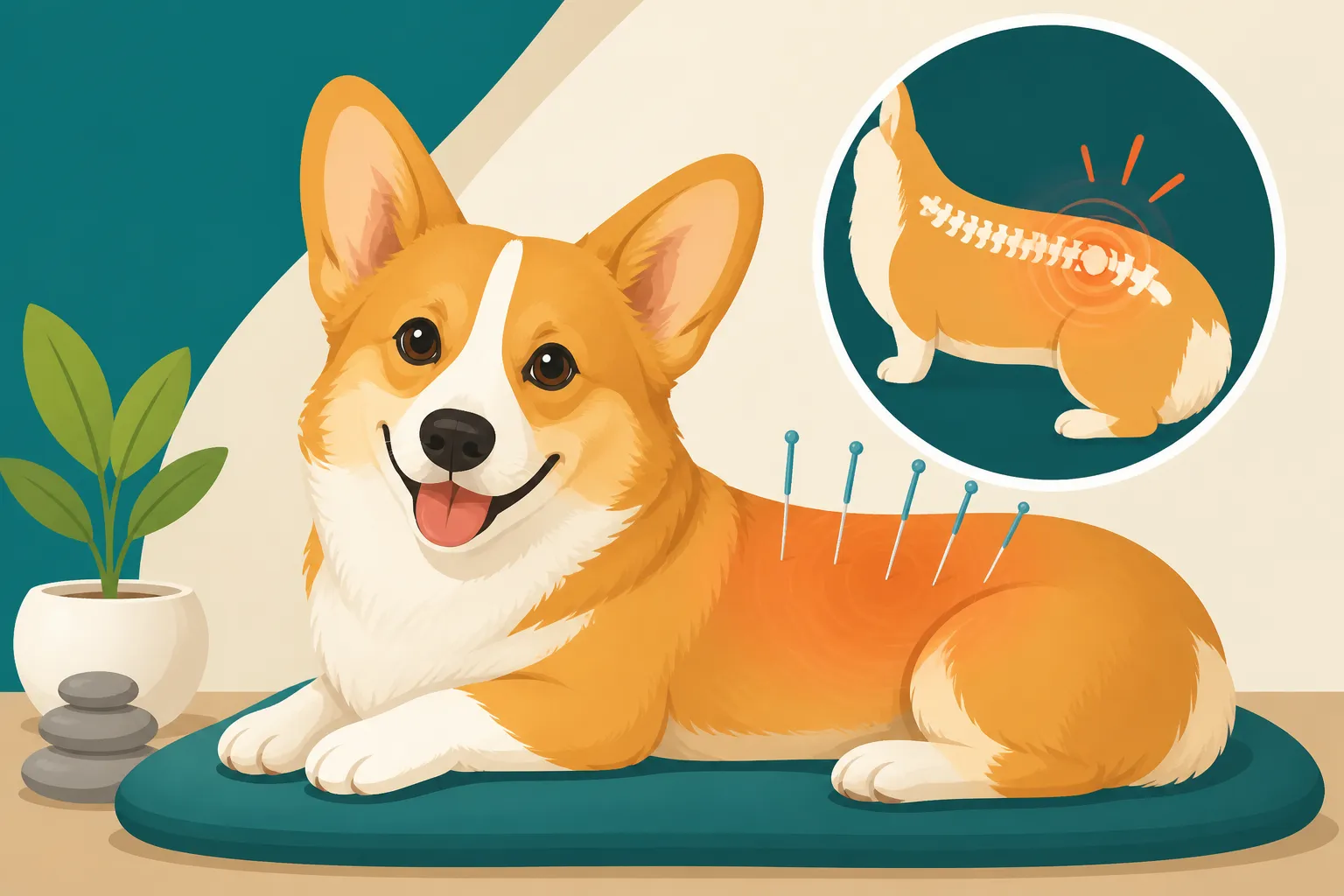
- Needle Insertion: The acupuncturist will gently insert very fine, sterile needles into the predetermined acupoints. Most Corgis barely notice the insertion, feeling only a brief sensation, if anything. The needles are much thinner than those used for injections.
- Treatment Duration: The needles are typically left in place for 15 to 30 minutes. During this time, your Corgi is encouraged to relax. Many dogs lie down, some even fall asleep! You'll be present throughout the session, offering reassurance and comfort. The acupuncturist may gently manipulate the needles or apply heat or electroacupuncture if that's part of the plan.
- Needle Removal: After the allotted time, the needles are removed quickly and painlessly.
You might notice your Corgi seems particularly relaxed or even a little sleepy right after the session. Over the next 24-48 hours, you might see subtle improvements in their mobility or a reduction in pain. It's often not a dramatic overnight change, but a gradual improvement over several sessions.
Benefits and Realistic Expectations of Acupuncture
Acupuncture is not a magic bullet, but it can be a profoundly effective tool in managing your Corgi's back pain and improving their overall quality of life. It’s important to approach it with realistic expectations, understanding its strengths and limitations.
The Advantages of This Holistic Approach
There are numerous benefits to incorporating acupuncture into your Corgi's pain management plan:
- Pain Relief Without Medication: For Corgis who can't tolerate traditional pain medications or for owners looking to reduce reliance on pharmaceuticals, acupuncture offers a drug-free way to alleviate discomfort. This is especially valuable for long-term chronic conditions.
- Reduced Inflammation: Acupuncture helps to calm the body's inflammatory response, which is a major contributor to pain and tissue damage in conditions like IVDD and arthritis.
- Improved Mobility: By reducing pain and muscle spasms, acupuncture often leads to a noticeable improvement in a Corgi's ability to move, walk, and navigate their environment. This can translate to more confident steps and a willingness to engage in light activity.
- Enhanced Healing: By increasing blood flow and stimulating nerve function, acupuncture can create a more optimal environment for tissue repair and nerve regeneration, especially after injury or surgery.
- Minimal Side Effects: When performed by a qualified professional, acupuncture has very few side effects, typically limited to mild soreness at the needle sites or temporary lethargy. It’s generally a very safe procedure.
- Stress Reduction: Many Corgis find acupuncture sessions incredibly relaxing. The calming environment and the physiological effects of needle stimulation can help reduce stress and anxiety, which are often heightened in dogs experiencing chronic pain. This holistic benefit extends beyond just physical pain.
It's a wonderful addition to a comprehensive care strategy, providing a gentle yet powerful form of therapy.
Setting Realistic Expectations for Your Corgi's Recovery
While acupuncture can be wonderfully effective, it's crucial to have a clear understanding of what it can and cannot achieve.
- Not a Cure-All: Acupuncture is rarely a "cure" for structural problems like severe IVDD or degenerative conditions. Instead, it’s a management tool. It helps alleviate symptoms, slows progression in some cases, and improves comfort, but it won't fix a ruptured disc or reverse nerve degeneration entirely.
- Requires Consistency: Just like physical therapy for humans, acupuncture often requires a series of consistent sessions to see optimal results. Don't expect a complete turnaround after just one treatment, especially for chronic issues. The initial phase might involve weekly sessions, gradually moving to less frequent maintenance visits.
- Individual Response Varies: Every Corgi is an individual. Some dogs respond dramatically to acupuncture, showing significant improvement within a few sessions. Others might show subtle changes over a longer period, and a small percentage may not respond at all. The acupuncturist will monitor your Corgi's progress and adjust the plan accordingly.
- Best as Part of an Integrated Plan: Acupuncture typically works best when combined with other appropriate therapies. This might include conventional medications, physical therapy, weight management (as Corgi Weight Is a Spinal Problem), environmental modifications (like ramps instead of stairs), and specific exercises. This integrated approach often yields the best outcomes for complex conditions. For instance, Physiotherapy for a Corgi Losing Its Legs can be significantly enhanced by concurrent acupuncture.
- Open Communication with Your Vet: Maintain open and honest communication with both your primary veterinarian and your veterinary acupuncturist. Share observations about your Corgi’s pain levels, mobility, and overall demeanor. This collaborative approach ensures your Corgi receives the most comprehensive and effective care.
By managing expectations and committing to the process, you give your Corgi the best chance to find relief and regain some of their lost sparkle. When weighing options like Whether a Corgi Needs Surgery or Rest, acupuncture can play a supportive role regardless of the primary decision.
Complementary Therapies and Long-Term Management
Acupuncture is a fantastic piece of the puzzle, but for comprehensive long-term management of Corgi back pain, especially with their predisposition to spinal issues, it’s often best integrated with other supportive therapies and proactive lifestyle adjustments.
Integrating Acupuncture with Other Treatments
Think of treating your Corgi's back pain as building a strong foundation with several supportive pillars. Acupuncture can be one of those crucial pillars, working synergistically with other modalities.
- Pharmaceuticals: For acute flare-ups or severe pain, anti-inflammatory medications and pain relievers prescribed by your vet are often necessary. Acupuncture can help reduce the dosage or frequency needed over time, minimizing potential side effects.
- Physical Therapy/Rehabilitation: This is a huge component of spinal care. Hydrotherapy for a Corgi recovering from surgery, therapeutic exercises, and massage can strengthen core muscles, improve flexibility, and enhance proprioception (awareness of body position), all of which support spinal health and complement the pain relief offered by acupuncture. A veterinary rehabilitation specialist can tailor a program for your Corgi.
- Laser Therapy (Photobiomodulation): Often used in conjunction with acupuncture, therapeutic laser can reduce inflammation, accelerate tissue healing, and provide additional pain relief at a cellular level. It's non-invasive and often very calming for dogs.
- Chiropractic Care (Veterinary Spinal Manipulative Therapy): A certified veterinary chiropractor can identify and correct spinal misalignments, which often contribute to pain and improper movement. This can enhance the effects of acupuncture by ensuring proper structural mechanics.
- Supplements: Joint supplements containing glucosamine, chondroitin, MSM, and omega-3 fatty acids can support cartilage health and reduce inflammation, offering long-term preventative and supportive care. Always discuss supplements with your vet to ensure they are appropriate and won't interact with other medications.
This multi-modal approach creates a robust strategy for managing pain and promoting overall well-being, helping your Corgi stay comfortable and active for as long as possible. Many pet insurance providers, like Healthy Paws, recognize the value of these integrated approaches and offer coverage for a range of alternative and rehabilitative therapies, which can significantly ease the financial burden over time.
Lifestyle Adjustments for a Healthy Corgi Back
Beyond active treatments, everyday choices play a massive role in protecting your Corgi's spine and preventing pain.
- Weight Management: This cannot be stressed enough. Even a few extra pounds put immense strain on a Corgi's long back. Maintaining an ideal body condition score is critical. Discussing your Corgi's diet and exercise with your vet to achieve and maintain a healthy weight is paramount.
- Environmental Modifications: Make your home Corgi-friendly. Install ramps and steps that save a Corgi's back to access furniture, beds, and vehicles. Block off stairs or use baby gates if your Corgi is prone to jumping or has an existing back issue, as Whether a Corgi Should Ever Jump Off a Sofa is a major concern. Provide orthopedic beds to support their spine during rest.
- Safe Handling: Always support your Corgi's front and rear ends when lifting them, keeping their back straight. Avoid twisting or allowing them to dangle, which can place undue stress on their spine. Learning Picking a Corgi Up Without Hurting It is a skill every Corgi owner should master.
- Appropriate Exercise: While exercise is vital for muscle tone and weight management, it needs to be appropriate for a Corgi's body. Avoid high-impact activities like excessive jumping, agility with high jumps, or intense rough play that involves twisting and turning. Short, frequent walks on a leash and low-impact activities like swimming are generally excellent choices.
- Harness Over Collar: Using a harness that distributes pressure across the chest rather than pulling on the neck is always recommended, especially for Corgis. This prevents undue strain on the cervical spine.
By being diligent with these lifestyle adjustments and exploring therapies like acupuncture, you’re not just treating pain; you’re investing in your Corgi’s long-term health, mobility, and happiness. We want our Corgis to enjoy their lives to the fullest, and proactive care for their unique spinal needs is the best way to ensure they do.
| Condition | How Acupuncture May Help | Typical Treatment Frequency | Complementary Therapies |
|---|---|---|---|
| Intervertebral Disc Disease (IVDD) | Reduces pain, inflammation, muscle spasms; improves nerve function; aids recovery. | 1-3 times/week initially; then bi-weekly. | Crate rest, anti-inflammatories, PT, laser therapy. |
| Osteoarthritis (Spine/Joints) | Alleviates chronic pain, improves mobility, reduces stiffness. | Weekly-bi-weekly initially; then monthly maintenance. | Joint supplements, NSAIDs, PT, chiropractic care. |
| Degenerative Myelopathy (DM) | Manages secondary pain, maintains muscle tone, supports neurological function. | 1-2 times/week initially; then bi-weekly-monthly. | PT, mobility aids, nutritional support. |
| Muscle Spasms/Strains | Relaxes muscles, reduces pain, promotes local healing. | 1-2 sessions, or as needed. | Rest, massage, warm compresses. |
| Post-Surgical Pain/Rehab | Controls pain, reduces swelling, accelerates nerve healing and recovery. | 2-3 times/week post-op; then tapering. | PT, pain meds, laser therapy. |
Disclaimer
The information provided in this article is for educational and informational purposes only and does not constitute medical advice. Always consult with a qualified veterinarian or veterinary specialist for any health concerns or before making any decisions about your Corgi's care or treatment plan.