Whether a Corgi’s Coat Helps in Summer
It’s a common sight during the warmer months: your beloved Corgi, looking absolutely sweltering with that thick, luxurious coat, and you can’t help but wonder if their fur is actually making things worse. Many Corgi parents mistakenly believe that shaving their dog down for summer will bring relief, but this couldn't be further from the truth. This comprehensive guide will explain the intricate science behind your Corgi's unique double coat and provide actionable strategies to keep them comfortable and safe when the temperatures rise, without resorting to damaging grooming practices.
Understanding the Corgi's Double Coat
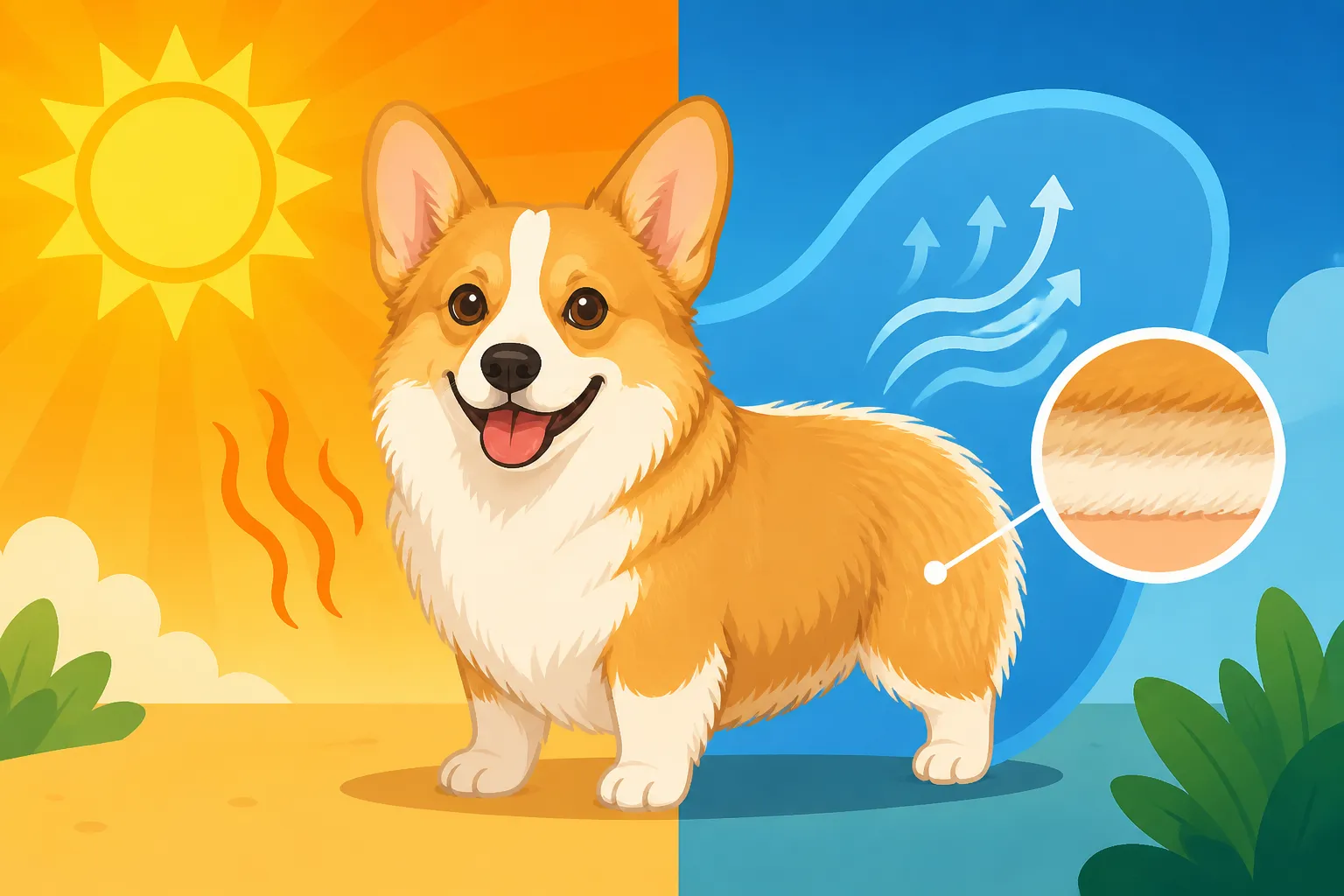
Your Corgi’s coat isn’t just for looks; it's a marvel of natural engineering, perfectly designed to regulate their body temperature in a variety of conditions. Unlike single-coated breeds, Corgis possess a double coat, which plays a crucial role in their ability to cope with both cold winters and hot summers. Understanding how these layers work together is the first step in knowing how to care for them properly, especially when you're worried about Heat Sensitivity Under a Corgi's Double Coat.
The Insulating Power of the Undercoat
Beneath that visible outer layer of fur lies a dense, soft undercoat. This isn't just fluffy stuff; it's the primary insulator for your Corgi. In cold weather, this undercoat traps warm air close to the body, keeping them cozy. But here's the kicker: in hot weather, it works in much the same way to prevent external heat from reaching their skin. Think of it like the insulation in your house – it keeps the heat out in summer and in during winter.
Many people think removing this layer will make their dog cooler, but it actually compromises their natural defense system. When the undercoat is healthy and properly shed, it creates an airy barrier that allows air to circulate, keeping the skin cooler than if it were exposed directly to the sun. This natural system is far more efficient than any human intervention trying to mimic it by removing the hair. A healthy undercoat allows for crucial air flow, which is how your Corgi manages its core temperature.
The Protective Role of Guard Hairs
The outer layer of your Corgi's coat consists of tougher, coarser hairs known as guard hairs. These are the hairs you see and feel predominantly. Their main purpose is to protect the delicate undercoat and the skin beneath from external elements. This includes physical injuries, dirt, moisture, and, crucially, harmful UV rays from the sun.
These guard hairs form a protective shield. They are designed to repel water and grime, keeping your Corgi's skin clean and dry. More importantly for summer, they act as a natural sunblock. Just imagine walking around without any hair on your head in direct sunlight – you’d get a sunburn very quickly! The guard hairs provide shade for your Corgi's skin, preventing sunburn and reducing the direct absorption of solar radiation. Removing these hairs leaves your Corgi's skin vulnerable to painful burns, which can lead to skin irritation, discomfort, and even increase the risk of skin cancer over time. This protective layer is vital for your Corgi's overall well-being and health in summer.
Debunking the "Shave Your Corgi" Myth
The idea of shaving a Corgi for summer relief is deeply ingrained in some pet owner communities, often fueled by good intentions but severely lacking in understanding of canine physiology. This practice, while seemingly logical on the surface, can actually cause more harm than good and undermine your Corgi's natural cooling mechanisms.
Why Shaving Harms, Not Helps
When you shave a Corgi, you strip away both layers of their protective coat – the insulating undercoat and the shielding guard hairs. This leaves their skin completely exposed. What happens next?
First, you eliminate the natural insulation that helps keep them cool. Without the undercoat, external heat penetrates directly to their skin, making them feel hotter, not cooler. It's like removing the insulation from your house's walls in the summer; the heat just pours in.
Second, the guard hairs, which provide UV protection, are gone. This means their delicate skin is now highly susceptible to sunburn, which can be painful, lead to infections, and contribute to long-term skin problems. Imagine a severe sunburn all over your Corgi's body; it's truly uncomfortable and dangerous.
Third, shaving can permanently damage the coat. Why a Clipped Corgi Loses Its Weather Protection is a critical read. When the coat grows back, it often comes in patchy, uneven, and with a different texture. The undercoat might grow faster and thicker, choking out the guard hairs, leading to a "woolier" coat that mats more easily and is even less effective at thermoregulation than before. This improper regrowth can then hinder their natural cooling process year-round, creating a cycle of frustration for both you and your pup.
| Aspect | Intended Benefit of Shaving (Myth) | Actual Consequence of Shaving |
|---|---|---|
| Temperature Control | "Cools the dog down" | Removes insulation, increases heat absorption |
| Sun Protection | "Exposes skin to air" | Causes sunburn, increases skin cancer risk |
| Coat Health | "Freshens the coat" | Damages coat texture, patchy regrowth |
| Grooming Effort | "Reduces shedding/grooming" | Can lead to worse matting, more difficult grooming |
The Risks of Sunburn and Improper Regrowth
The risks associated with shaving a Corgi extend beyond just immediate discomfort. Sunburn is a serious concern. A Corgi's skin, especially the pinker areas, is not designed to be exposed to direct sunlight for prolonged periods. Just like with humans, severe sunburn can cause pain, blistering, and significantly increase the risk of skin cancer later in life. Imagine the discomfort for a low-riding Corgi whose belly and sides are suddenly exposed to intense UV.
Then there's the issue of coat regrowth. Often, the undercoat grows back softer and thicker, while the coarser guard hairs struggle to return to their original state. This can result in a coat that is prone to matting, collects debris more easily, and ironically, traps heat even more effectively than a healthy, unshaved coat. You might notice The Patchy Regrowth on a Clipped Corgi, which isn't just an aesthetic problem; it’s a functional one that compromises the coat's ability to protect and regulate temperature. This damaged coat might require even more specialized grooming down the line, adding to your work and your Corgi's potential discomfort.
Practical Ways to Keep Your Corgi Cool in Summer
Instead of shaving, which ultimately does more harm than good, focus on methods that support your Corgi’s natural cooling system and create a comfortable environment for them. There are plenty of effective and safe ways to ensure your furry friend stays cool and happy through the hottest months. Learning How a Corgi Handles Hot Weather involves a combination of smart grooming and environmental management.
Strategic Grooming for Optimal Coat Health
Proper grooming is absolutely essential for a double-coated breed like a Corgi, especially during shedding seasons and in hot weather. The goal isn't to remove all the hair, but to remove dead hair, which can prevent proper air circulation.
- Regular Brushing: Invest in high-quality grooming tools like a slicker brush and an undercoat rake. Regular brushing, ideally daily or every other day during heavy shedding periods in spring and fall, helps remove loose undercoat. This removal of dead hair allows for better airflow close to the skin, which is crucial for cooling. A good undercoat rake can gently pull out shed undercoat without damaging the guard hairs. The Rake and Comb a Corgi Coat Actually Needs outlines the best tools for the job.
- Deshedding Services: Consider professional deshedding treatments at a reputable groomer. They use specialized tools and high-velocity dryers to loosen and blow out dead undercoat efficiently. This process can significantly reduce the amount of trapped hair, allowing the coat to function optimally as an insulator and ventilator. This is far different from shaving and focuses on removing only the hair that has already shed or is ready to shed.
- Baths and Drying: During summer, occasional baths can help remove dirt, allergens, and loose hair. However, it's vital to ensure your Corgi is completely dry, right down to the skin, especially the undercoat. A damp undercoat can become a breeding ground for bacteria and yeast, leading to skin issues. Using a high-velocity pet dryer can help reach the undercoat and ensure thorough drying, as discussed in Blowing a Corgi Coat Out With a Dryer.
Environmental Adjustments and Hydration
Beyond grooming, creating a cool environment and ensuring adequate hydration are paramount for your Corgi's summer safety.
- Cool Spaces: Always provide access to shade when outdoors, whether it's under a tree, an umbrella, or a covered patio. Indoors, ensure they have a cool, well-ventilated space, ideally with air conditioning. Fans can also help circulate air and provide evaporative cooling. Many Corgis enjoy lying on cool tile or linoleum floors. Cooling mats (gel-filled or water-activated) can also offer a spot to chill.
- Timing Walks: Adjust your exercise schedule to avoid the hottest parts of the day. Early morning and late evening walks are best. Remember that asphalt and pavement can get incredibly hot and burn paw pads quickly. Always check the pavement temperature with your hand before walking your Corgi; if it's too hot for your hand, it's too hot for their paws. This is crucial for Whether a Corgi Should Walk on Hot Pavement.
- Hydration: Always provide fresh, cool water. Consider adding ice cubes to their water bowl or using a pet fountain to encourage drinking. On walks, carry a portable water bottle and a collapsible bowl. If your Corgi enjoys it, a shallow kiddie pool can be a fun way to Cooling a Corgi Down in Hot Weather, but supervise them closely to ensure they don’t ingest too much water.
- Car Safety: Never leave your Corgi in a parked car, even for a few minutes with the windows cracked. The temperature inside a car can rise rapidly to dangerous levels, leading to heatstroke, which can be fatal.
Recognizing Heat Stress
Even with the best preventative measures, it's vital to know the signs of heat stress and heatstroke in Corgis. Because of their dense double coats and short legs, Corgis can be particularly susceptible to overheating.
- Early Signs: Excessive panting (more than usual, even at rest), increased drooling, lethargy, bright red gums, and seeking out cool spots are all early indicators.
- Advanced Signs: Vomiting, diarrhea, stumbling or disorientation, dark red or purple gums, rapid heart rate, and collapse are signs of severe heatstroke, which is a medical emergency. If you notice these, seek veterinary care immediately.
- Immediate Action: If you suspect your Corgi is overheating, move them to a cooler environment, offer small sips of water, and apply cool (not ice-cold) water or wet towels to their paw pads, groin, and armpits. Do not submerge them in ice water, as this can cause shock. Get them to an emergency vet clinic as quickly as possible. Having pet insurance, like a plan from Healthy Paws, can provide immense peace of mind during such unexpected critical events, covering a significant portion of emergency veterinary bills. They can help ensure your focus remains on your Corgi's recovery rather than the financial strain. For more detailed information, see Heat Stroke Signs in a Corgi.
Long-Term Coat Care for Corgis
Maintaining a healthy coat year-round is the best defense against summer heat and ensures your Corgi’s natural thermoregulation system works efficiently. This isn't just a seasonal task but an ongoing commitment.
Year-Round Brushing Routines
A consistent brushing schedule is the cornerstone of Corgi coat health. It's not just about managing shedding; it's about maintaining the functionality of their double coat.
- Weekly Maintenance: Even outside of heavy shedding seasons, aim for at least two to three thorough brushing sessions a week. This helps prevent mats and tangles, especially in the feathering on their legs and hindquarters, and removes any loose hairs before they can accumulate and impede airflow.
- Shedding Season Intensity: When your Corgi "blows" their coat (typically in spring and fall), daily brushing becomes a necessity. During these weeks, you'll be amazed at the sheer volume of fur that comes off. This heavy shedding is natural and helps them adjust their coat density for the upcoming season. Consistent brushing during this time ensures that the new coat can grow in properly and that the old, dead undercoat is fully removed. Neglecting brushing during these periods will lead to compacted undercoat, which traps heat and moisture, negating the coat's natural benefits and potentially leading to skin issues.
- Checking for Skin Issues: Brushing isn't just about the fur; it's also an opportunity to regularly inspect your Corgi's skin for any abnormalities. Look for rashes, bumps, dry patches, or parasites. Early detection of skin problems can prevent them from becoming more serious. Any persistent itching or redness should warrant a visit to your veterinarian. If unexpected skin issues arise, knowing you have a reliable pet insurance provider like Healthy Paws can alleviate some of the financial worry associated with diagnostics and treatment.
Nutrition and Coat Health
The adage "you are what you eat" applies to your Corgi's coat health too. A high-quality diet provides the building blocks for healthy skin and a lustrous coat.
- Balanced Diet: Feed your Corgi a complete and balanced dog food appropriate for their life stage (puppy, adult, senior) and activity level. Look for foods with real meat as the first ingredient and avoid excessive fillers.
- Essential Fatty Acids: Ingredients rich in omega-3 and omega-6 fatty acids, such as fish oil or flaxseed, are particularly beneficial for skin and coat health. These fatty acids help maintain the skin's barrier function, reduce inflammation, and promote a shiny, healthy coat that is less prone to dryness and shedding. Many premium dog foods include these, or you can add supplements under veterinary guidance.
- Hydration from Within: Just as external hydration is important, so is internal hydration. A well-hydrated Corgi will have healthier skin and a better-looking coat. Ensure they always have access to fresh water.
- Managing Weight: Proper nutrition also involves managing your Corgi's weight. An overweight Corgi will struggle more with heat, and the excess fat can make their natural cooling mechanisms less effective. Plus, extra weight puts strain on their already sensitive backs. You can learn more about managing their weight by reading The Body Condition Score a Corgi Should Hold. If your Corgi has a chronic health condition that impacts their coat or skin, having pet insurance from Healthy Paws could be a major financial help for ongoing nutritional advice and vet-prescribed dietary needs.
By understanding your Corgi's incredible coat, respecting its natural function, and implementing these practical care strategies, you can confidently keep your short-legged companion cool, comfortable, and healthy through even the warmest summer days, without ever reaching for the clippers.
Disclaimer
The information provided in this article is for general informational purposes only and is not a substitute for professional veterinary advice. Always consult with a qualified veterinarian for any health concerns or before making any decisions about your Corgi's care, diet, or treatment.