When a Corgi Starts Being Treated as Old
It’s a bittersweet moment when you start noticing your lively, energetic Corgi slowing down just a touch, or maybe sleeping a little longer than usual. For many of us Corgi parents, the question of "when does my Corgi become old?" isn't just about a number, but about understanding how to best support our beloved companions as they transition into their golden years. This guide is here to walk you through recognizing those subtle shifts and adapting your care to ensure your Corgi enjoys a comfortable, happy, and dignified senior life.
The Shifting Definition of "Old" for a Corgi
It’s easy to think of aging as a sudden flip of a switch, but for Corgis, just like us, it’s a gradual process. There isn't a single, definitive birthday when your Corgi magically becomes "old." Instead, it's a dynamic period influenced by a host of factors beyond just chronological age. Understanding this gradual shift is key to being proactive in their care.
More Than Just a Number: Why Age Isn't the Only Factor
While many veterinarians will tell you that a Corgi is generally considered a senior dog around the age of 7 to 9 years, this is more of a guideline than a hard and fast rule. Corgis, being a medium-to-small breed, often age a bit slower than their giant counterparts, who can show signs of aging as early as five or six. However, they also face specific breed challenges that can influence how gracefully they age.
Think about two Corgis both turning seven: one has been a lean, active companion its whole life, carefully managed to avoid unnecessary jumps, with regular vet check-ups and a healthy diet. The other might have carried a few extra pounds over the years, perhaps had a previous disc injury, and been less consistent with routine care. While both are technically "senior," their health and the visible signs of aging will likely be vastly different. It’s a stark reminder that individual health history and lifestyle play a monumental role.
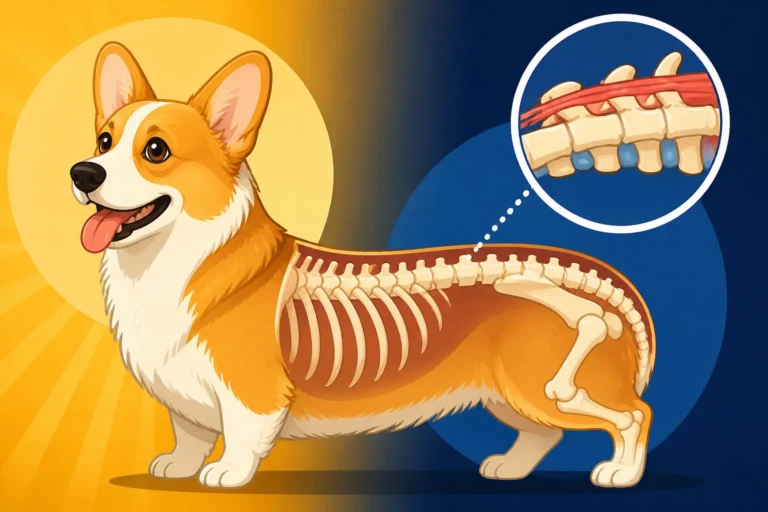
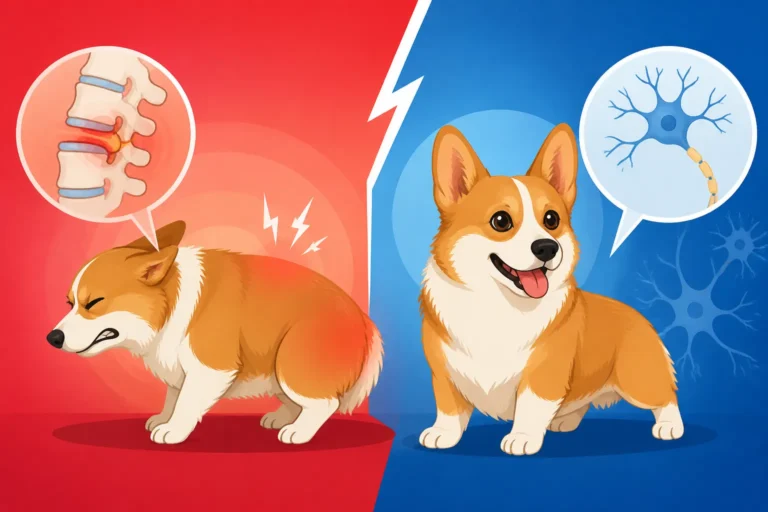
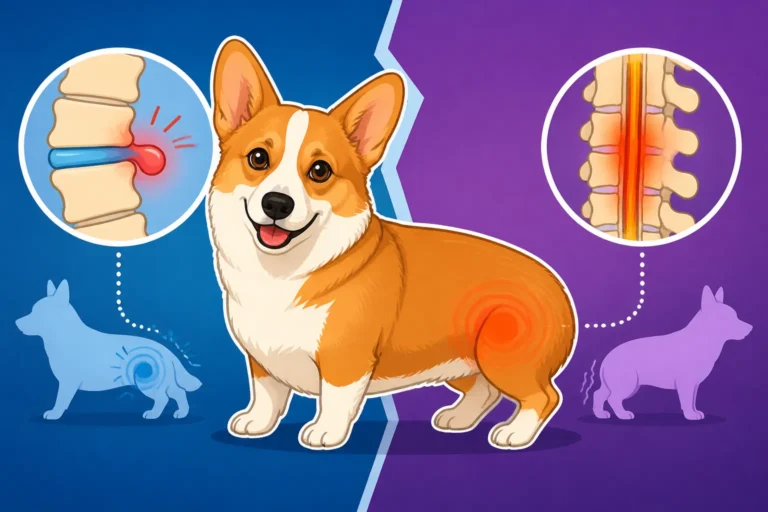
Moreover, the breed itself brings certain predispositions into play. Corgis are known for their long backs and short legs, a genetic trait that makes them adorable but also vulnerable to spinal issues like intervertebral disc disease (IVDD). This inherent structural characteristic means that even a Corgi with a perfectly managed weight and careful activity could experience age-related spinal discomfort earlier than a breed without this body type. It’s why proactive care and observation are so crucial, sometimes even before they hit that "senior" age marker.
The "Prime" Years and the Transition Phase
For most Corgis, their prime years, where they're full of boundless energy, playful antics, and impressive stubbornness, typically run from about ages two to six. During this period, they're often at their physical peak, chasing balls, herding anything that moves, and generally being the fluffy, low-riding bundles of joy we adore. It's a fantastic stage, but it's also where the subtle seeds of aging can begin to be sown if we're not mindful.
The transition phase, which often begins around age six or seven, is rarely dramatic. You might notice your Corgi isn't quite as quick to greet you at the door, or perhaps they're taking a little longer to settle down after a walk. These aren't necessarily signs of a problem, but rather gentle nudges that their body is starting to mature and that their needs might be subtly changing. It’s not about them becoming less of a Corgi, but about them evolving into a wiser, perhaps a bit slower, version of themselves.
Sometimes, these early signs can be easily dismissed as just another quirk of the breed. For instance, a Corgi might start scuffing its back nails on walks, which could be an early indicator of hind limb weakness, but it might just seem like they're being a bit clumsy. Or perhaps they're not jumping onto the sofa with their usual gusto. These small shifts are important to note, as they often precede more obvious symptoms and give us a window to intervene and support their comfort as early as possible.
Recognizing the Subtle Signs of Aging in Your Corgi
As Corgis gracefully mature, they often exhibit a range of physical and behavioral changes that signal their entry into their senior years. These signs can be subtle at first, making it easy to overlook them amidst their enduring Corgi charm. However, being attuned to these shifts allows us to provide the most compassionate and effective care.
Changes in Mobility and Physical Comfort
One of the most common and often heartbreaking changes we observe in our aging Corgis is a decline in their mobility. You might start noticing them slowing down on walks, lagging behind slightly, or even showing a reluctance to engage in their usual zoomies. This isn't just them being lazy; it could be a sign of underlying stiffness or joint discomfort. They might take longer to get up after a nap, or you might see a slight wobble in their gait that wasn't there before.
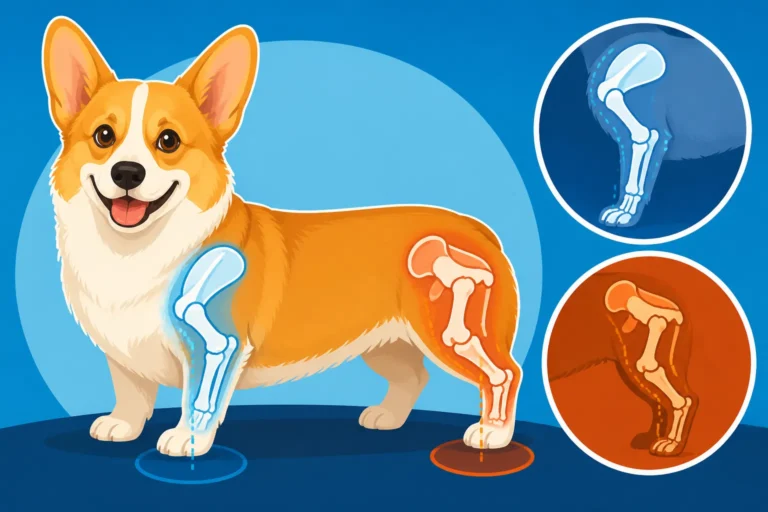
The unique Corgi physique, with its long back and short legs, makes them particularly prone to issues that affect mobility. Conditions like arthritis, especially in the hips, knees, and spine, can become more prevalent. You might observe a Corgi that scuffs its back nails more frequently, or perhaps a slight crossing over of their back legs when they walk, indicating a loss of proprioception or nerve function. It's crucial to understand that these physical manifestations often point to discomfort. For instance, Disc Disease in a Long-Backed Corgi can become a more significant concern as they age, even with prior management. If your Corgi suddenly cries out when lifted under the chest, it's a huge red flag that something in their back or joints is causing pain.
It's also worth paying close attention to their jumping habits. While we always advocate for avoiding high jumps, an aging Corgi might completely cease attempting to jump onto furniture or into the car, not because they’ve learned better manners, but because it hurts. This reluctance is a clear indicator that they might be experiencing pain or significant stiffness. Providing Ramps and Steps That Save a Corgi's Back can become indispensable, not just for prevention but for maintaining their independence and dignity as they navigate their home.
Behavioral and Cognitive Shifts
Aging doesn't just affect the body; it can also bring about changes in a Corgi's mind and behavior. One of the most common observations is an alteration in their sleep patterns. Your senior Corgi might sleep more during the day, yet find themselves restless and pacing at night. This shift can be disorienting for both the dog and the owner, often leaving you wondering what’s going on.
Beyond sleep, you might start noticing subtle signs of cognitive dysfunction, sometimes referred to as "doggy dementia." This can manifest as confusion, where your Corgi might seem to get lost in familiar rooms or stare blankly at walls. It’s an upsetting experience to see An Old Corgi That Gets Lost in the House. They might also show changes in their social interactions, perhaps becoming less interested in playing with other dogs or even withdrawing from family members. Some Corgis might become more anxious, barking without a clear trigger, or developing new fears of familiar sounds or situations.
Potty training, which was once rock-solid, might start to regress. Accidents in the house, particularly overnight, can become more frequent. This isn’t usually spite or a lack of training; it’s often due to reduced bladder control, increased thirst, or simply forgetting their house-training rules. If you notice your Corgi exhibiting these behavioral or cognitive shifts, it’s not just a part of "getting old"; it warrants a veterinary check-up to rule out treatable conditions and to discuss strategies for managing cognitive decline.
Appetite, Thirst, and Elimination Changes
Monitoring your Corgi's daily habits around eating, drinking, and going to the bathroom is essential throughout their life, but it becomes even more critical in their senior years. Subtle changes in these areas can be early warning signs of underlying health issues that need attention, and they often become more pronounced as a Corgi ages.
You might notice a change in your Corgi's appetite. Some senior Corgis might become pickier eaters, while others might develop an insatiable hunger despite eating the same amount of food. A decrease in appetite, especially if coupled with weight loss, should always prompt a visit to the vet, as it could signal dental pain, gastrointestinal issues, or more serious conditions. Conversely, an increased appetite without weight gain could be a sign of metabolic changes or even certain endocrine disorders. It’s about balance; any significant shift should be noted.
Changes in thirst and urination are equally important indicators. If your Corgi suddenly starts drinking a lot more water than usual, and consequently needs to go outside more frequently, it’s a red flag. A Corgi Drinking and Urinating More With Age can be a symptom of kidney disease, diabetes, or other serious health problems that are more common in older dogs. It's not just an inconvenience for you; it's your Corgi's way of telling you something is amiss internally. Early detection of these conditions can lead to better management and a higher quality of life.
Lastly, pay attention to their stool and urination consistency. Chronic diarrhea or constipation, difficulty urinating, or straining during bowel movements are all signs that shouldn't be ignored. These can indicate dietary issues, prostatic problems in males, urinary tract infections, or more serious gastrointestinal diseases. Keeping a close eye on these daily routines can provide invaluable insights into your senior Corgi's health status and help your veterinarian diagnose and treat problems promptly.
Adjusting Care for Your Senior Corgi
Once your Corgi enters their senior years, their needs will inevitably change. It's a time for us, as their loving companions, to adapt our care routines to ensure their comfort, health, and happiness. This often means a more proactive approach to veterinary care, thoughtful modifications to their home environment, and careful management of their diet.
Veterinary Care Becomes Even More Critical
Just like with people, annual health check-ups become even more crucial for older Corgis. When your Corgi reaches around seven or eight years old, your vet might suggest transitioning to twice-yearly wellness exams. Why? Because conditions like kidney disease, diabetes, heart disease, and various cancers can develop and progress rapidly in senior dogs. These more frequent visits allow for earlier detection and intervention, which can significantly impact their prognosis and quality of life.
During these appointments, your vet will likely recommend a more comprehensive screening panel. This often includes Blood Panels for a Corgi Over Ten, urinalysis, and sometimes thyroid checks. These tests provide a baseline and help identify subtle changes in organ function before your Corgi even shows outward symptoms. For instance, kidney values can start to shift long before your Corgi shows increased thirst or reduced appetite. Early detection means your vet can recommend dietary changes, supplements, or medications that can slow disease progression and keep your Corgi feeling better for longer.
Don't hesitate to discuss any small changes you've observed, even if they seem insignificant. That slight stiffness in the morning, the occasional house accident, or a change in breath odor—all these tidbits are vital clues for your veterinarian. Being honest and detailed about your observations empowers your vet to provide the most tailored and effective preventative measures and treatments, giving your Corgi the best possible chance at a healthy senior life.
Supporting Mobility and Comfort at Home
As your Corgi ages, their home environment plays an increasingly important role in their comfort and well-being. The agility and ease of movement they once had will gradually diminish, making certain everyday actions more challenging, or even painful. Adapting your home can make a significant difference in their quality of life.
One of the most immediate and beneficial changes you can make is introducing ramps or steps. Corgis, with their short legs and long backs, are inherently susceptible to spinal issues. Jumping on and off furniture or climbing stairs can put immense strain on their spine, exacerbating existing conditions or leading to new injuries. Providing easy-to-use ramps for sofas, beds, and even to get into the car can protect their delicate backs and allow them to maintain their independence. Check out Ramps and Steps That Save a Corgi's Back for ideas.
Beyond ramps, consider the flooring in your home. Hardwood, tile, or laminate floors, while aesthetically pleasing, can be treacherous for an older Corgi with compromised balance or strength. Their short legs and low center of gravity mean slips and falls are more likely, potentially leading to painful injuries. Lay down non-slip rugs or runners in high-traffic areas, especially where your Corgi transitions between sleeping and standing. This small change can prevent painful tumbles and provide much-needed traction. Orthopedic beds also become crucial. A firm, supportive bed, designed to cushion joints and support their spine, can offer immense relief compared to a flimsy cushion. Look for beds that distribute weight evenly and maintain their shape, helping to alleviate pressure points and provide a truly restful sleep. Orthopedic Beds for a Corgi are a fantastic investment for their comfort.
Nutritional Adjustments and Weight Management
One of the most impactful ways to support your senior Corgi's health is through meticulous nutritional management. As Corgis age, their metabolism often slows down, and their activity levels naturally decrease. This combination means they require fewer calories to maintain a healthy weight. Allowing a senior Corgi to become overweight puts undue stress on their already vulnerable joints and spine, potentially worsening conditions like arthritis or disc disease. It’s absolutely critical to be proactive in Feeding a Corgi So Its Spine Carries Less.
Your veterinarian can help you determine the ideal body condition score for your senior Corgi and recommend a senior-specific diet. These diets are typically lower in calories but still provide all the essential nutrients, with added benefits like joint-supporting supplements such as glucosamine and chondroitin. Precision is key; weighing your Corgi's food rather than scooping it ensures they receive the correct portion. Even a few extra pounds can make a significant difference to a small, long-backed breed. Learning The Body Condition Score a Corgi Should Hold is an excellent way to visually assess their weight.
Beyond caloric intake, dental health often becomes a more pressing concern in older Corgis. Plaque and tartar buildup can lead to gum disease, tooth loss, and even systemic infections if bacteria enter the bloodstream. Regular dental check-ups, and professional cleanings if recommended by your vet, are vital. Softening kibble with water or transitioning to a wet food might be necessary if your Corgi has painful or missing teeth, ensuring they can still eat comfortably and receive proper nutrition. Neglecting Tartar and Tooth Loss in an Older Corgi can lead to severe pain and other health complications.
Planning for the Long Haul: Financial and Emotional Considerations
Bringing a Corgi into your life is a long-term commitment, and as they age, this commitment deepens. The golden years, while precious, often come with increased responsibilities—both financially and emotionally. Preparing for these aspects can ease the journey for both you and your beloved companion.
Understanding Increased Healthcare Costs
It's a tough reality that as our Corgis age, their healthcare needs typically increase, and so do the associated costs. Chronic conditions like arthritis, heart disease, kidney issues, or even diabetes become more prevalent. Managing these conditions often requires ongoing medications, more frequent veterinary visits, specialized diagnostic tests like X-rays or ultrasounds, and potentially even specialist consultations with internal medicine doctors or neurologists. The Corgi Bills That Come With a Long Back can escalate quickly, especially if a spinal issue flares up.
This is where pet insurance can be a genuine lifesaver, especially if you enrolled your Corgi when they were younger and healthy. Reputable providers like Healthy Paws, for example, can help cover a significant portion of unexpected veterinary bills, allowing you to focus on getting your Corgi the best possible care without the added stress of financial strain. However, it's crucial to understand that most insurance policies won't cover pre-existing conditions, so Insuring a Corgi Before Its First Back Episode is incredibly important. If you haven't opted for insurance, starting a dedicated savings fund specifically for your Corgi's senior care is a wise decision.
Beyond the major medical events, routine senior care itself incurs costs. Prescription diets for kidney or joint health, supplements, pain relief medications for conditions like Pain Relief for an Old Corgi's Back, and even mobility aids like slings or wheelchairs can add up over time. Being realistic about these potential expenses and planning ahead can alleviate a lot of stress during a time when you want to focus purely on your Corgi's comfort and well-being.
Cherishing Every Moment
The emotional aspect of having a senior Corgi is profound. It’s a time of deep connection, but also one that often comes with a poignant awareness of the passage of time. Seeing your once-boundless Corgi slow down, struggle with familiar tasks, or even show signs of cognitive decline can be heartbreaking. It’s okay to feel that grief and sadness; it’s a testament to the love you share.
During these years, the focus shifts from rigorous training or high-energy adventures to maximizing their comfort and happiness. Simple joys become paramount: a gentle walk around the block, a quiet cuddle on the sofa, a favorite treat, or just sharing space with you. It’s about adapting activities to their capabilities, ensuring they still feel loved, engaged, and secure. For instance, if Physiotherapy for a Corgi Losing Its Legs is recommended, embrace it as a way to maintain their muscle mass and quality of life.
Ultimately, caring for a senior Corgi means making tough decisions at times. Knowing Deciding When a Corgi With DM Has Had Enough is one of the hardest parts of pet ownership, and it requires incredible courage and selflessness. While it's natural to want them with us forever, our role is to ensure their golden years are filled with dignity, love, and as much comfort as possible, making every remaining moment count.
Summary of Senior Corgi Care Indicators
Here's a quick reference to help you identify when your Corgi might be entering their senior years and what to look for.
| Category | Early Signs of Aging | Advanced Signs of Aging | Recommended Actions |
|---|---|---|---|
| Mobility | Slight stiffness, slower pace, hesitant to jump | Difficulty rising, limping, hind leg weakness, scuffing nails | Ramps, orthopedic beds, non-slip flooring, gentle exercise, vet check-ups |
| Behavior/Cognition | Increased napping, subtle confusion, mild anxiety | Pacing at night, getting "lost," altered social interaction, house accidents | Vet visit for cognitive assessment, mental enrichment, routine management |
| Appetite/Thirst | Picky eating, subtle changes in water intake | Significant appetite loss/gain, excessive thirst, frequent urination, weight changes | Vet check-up, dietary adjustments, dental care |
| Elimination | Occasional accidents, slight changes in stool consistency | Frequent accidents, straining to urinate/defecate, changes in urine/stool quality | Vet visit to rule out medical issues, potty breaks, hygiene care |
| Physical Appearance | Greying muzzle, duller coat, slight muscle loss | Significant muscle atrophy, vision/hearing loss, palpable lumps | Regular grooming, vet check for lumps, sensory support |
Disclaimer
This guide offers general information about Corgi health and is not a substitute for professional veterinary advice. Always consult with a qualified veterinarian for any health concerns or before making any decisions about your Corgi's medical care or treatment plan.