Why a Cardigan Always Keeps Its Tail
It's a common sight for Corgi lovers – you see a fluffy little low-rider trotting along, and sometimes they have a tail, sometimes they don't. This can be genuinely confusing, especially when you adore the breed but aren't quite sure why there's such a difference in appearance. This comprehensive guide will clear up that mystery, focusing on the Cardigan Welsh Corgi and the deeply rooted reasons why this particular Corgi breed consistently sports a beautiful, full tail.
A Tale of Two Corgis: Understanding Breed Distinctions
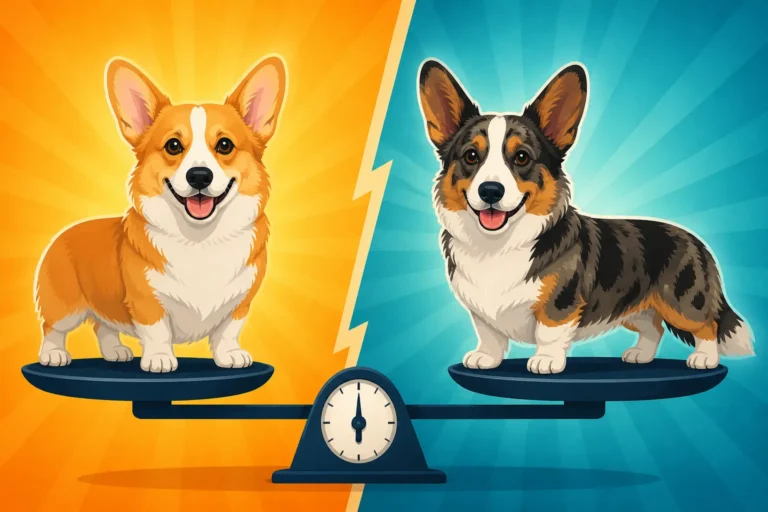
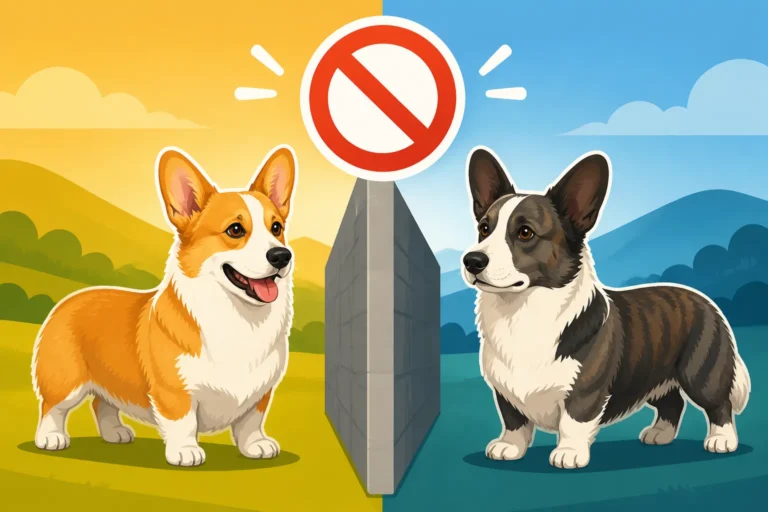
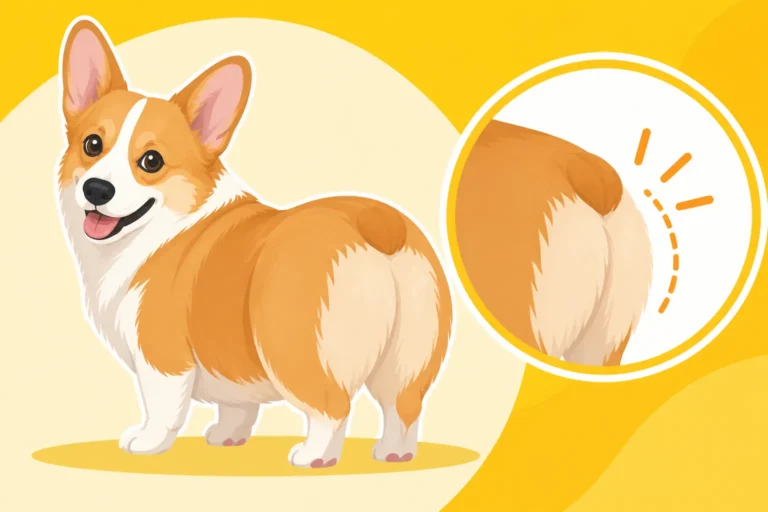
Many people don't realize that there are actually two distinct Corgi breeds: the Pembroke Welsh Corgi and the Cardigan Welsh Corgi. While both share that iconic low-slung, sturdy silhouette, they have separate histories, different origins, and, most notably for our discussion today, distinct breed standards when it comes to their tails. The tail isn't just a quirky feature; it's a fundamental part of their breed identity.
Cardigan Welsh Corgi: The Ancient, Long-Tailed Herder
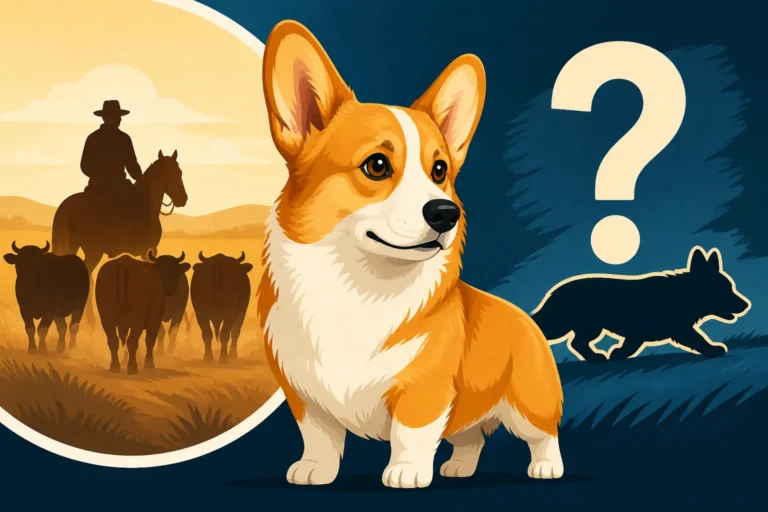
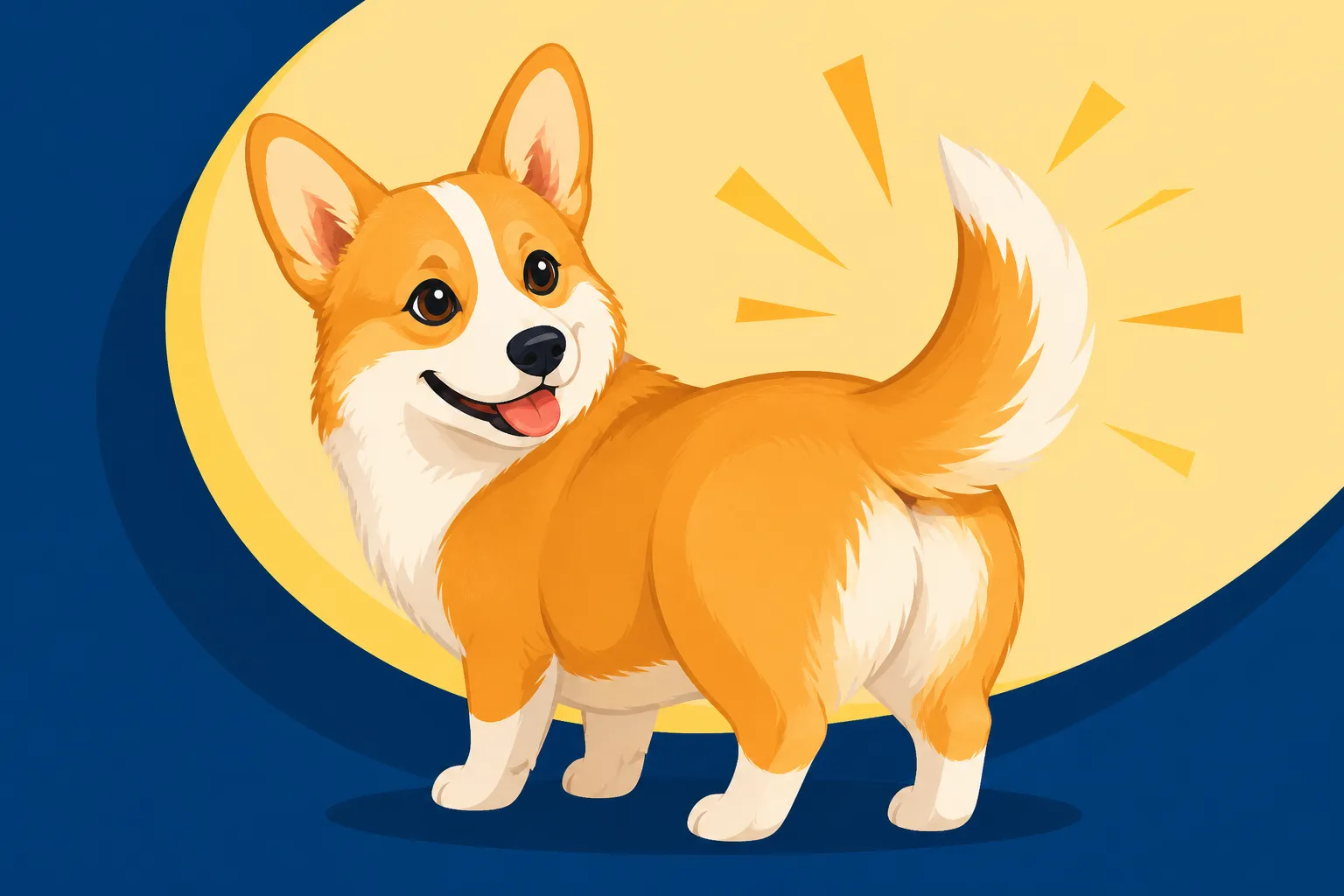
Let's start with the Cardigan, often called the "original" Corgi due to its much older lineage. These dogs have a history that stretches back potentially over a thousand years, deep into the Celtic past of Wales. They were bred as versatile farm dogs, adept at herding cattle and guarding the homestead. Their full, fox-like tail was an integral part of their working anatomy. It served as a counterbalance when making sharp turns while maneuvering around livestock, helping them maintain agility and stability on uneven terrain.
The Cardigan's tail is more than just a genetic trait; it’s a living link to their working past. Imagine a nimble dog darting through a field, avoiding the kicks of cattle—that tail acts like a rudder, giving them precision and control. It's a testament to their ancient heritage that their physical form, including their tail, has been preserved through centuries of careful breeding. This deep history is what makes discussing The Cardigan's Twelve Hundred BC Origins so fascinating; they are truly a breed steeped in tradition and purpose, with every feature contributing to their original role. When you look at a Cardigan with its flowing tail, you're seeing a direct echo of its ancestors working the Welsh countryside. Their tails also contribute to their expressive nature, allowing them a full range of motion to communicate their moods, from a gentle wag to a full-body happy wiggle.
Pembroke Welsh Corgi: The Historically Docked or Naturally Bobtailed Cousin
In contrast to the Cardigan, the Pembroke Welsh Corgi has a different, albeit still rich, history. Pembrokes were also bred as herding dogs, particularly for cattle, but their lineage is thought to be more recent, potentially involving Spitz-type dogs brought by Flemish weavers to Wales. Traditionally, many Pembrokes had their tails docked, or shortened, shortly after birth. This practice originated from the belief that a docked tail reduced the risk of injury when working with livestock, preventing it from being stepped on or caught.
Beyond historical docking, Pembrokes also have the fascinating trait of sometimes being born with naturally short tails, or "natural bobtails." This is due to a specific gene, and it's something breeders test for. It's a completely natural variation within the Pembroke breed, distinguishing them further from their Cardigan relatives. So, when you see a Pembroke with a short tail, it might be due to traditional docking (which is now restricted in many places) or because it was born with a The Natural Bobtail Gene in Corgis. This inherent difference highlights why it’s so important to understand that Pembroke and Cardigan Are Two Different Breeds with their own unique traits and historical practices. The distinction between these two beloved breeds is profound, extending far beyond just the length of their tails, influencing their overall appearance, temperament, and even some health considerations. The journey of how these two distinct breeds, once shown together, eventually separated into their own recognized categories is detailed in The 1934 Split Into Pembroke and Cardigan.
The Breed Standard: A Clear Mandate for the Cardigan Tail
For any purebred dog, the breed standard is the blueprint – a detailed description of the ideal specimen. It covers everything from head shape and ear set to coat texture and, yes, tail carriage. For the Cardigan Welsh Corgi, this standard is unequivocal: a long, full tail is not just preferred, it's mandatory.
The Cardigan's Tail in Detail: Form and Function
The Cardigan Welsh Corgi breed standard describes the tail as "long, set rather low and well carried, but not curled over the back." It should be "brushy" and resemble a fox's brush. This isn't just about aesthetics; it speaks to the tail's functional importance. A Cardigan's tail is a vital part of its balance system. Picture a Cardigan quickly changing direction while moving livestock or navigating rough terrain – that tail acts as a counterweight, aiding in stability and agility. Without it, their iconic low-slung, long body would be less efficient in its original working capacity.
Moreover, the tail is a crucial tool for canine communication. A wagging Cardigan tail tells a story: happiness, excitement, curiosity, or even apprehension. The nuanced movements of a full tail provide a clear visual signal to other dogs and to humans about their emotional state. It's an expressive part of their body that contributes significantly to their overall presence and demeanor. The detail in their official description showcases how every part of their body, including the tail, plays a role in creating The Corgi Body the Standard Describes, a complete and purposeful animal.
The Legal and Ethical Landscape of Tail Docking
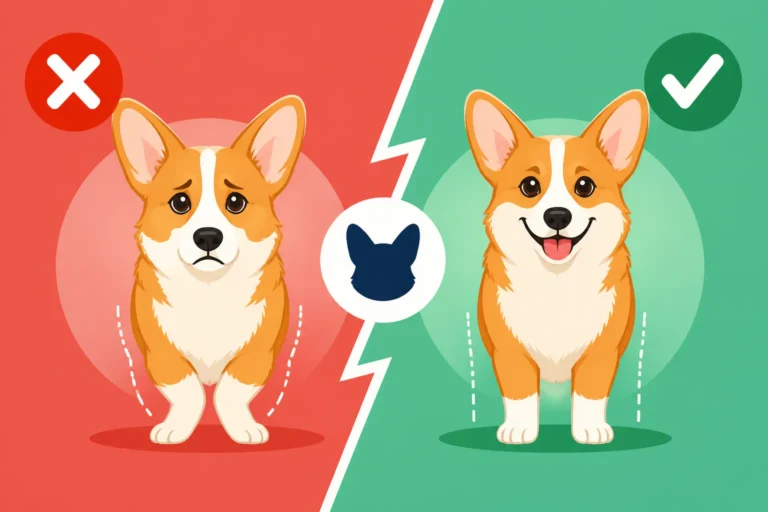
In many parts of the world today, elective tail docking has been banned or severely restricted due to animal welfare concerns. This means that even if a Pembroke historically might have had its tail docked, the practice is now much less common and often illegal unless medically necessary. For Cardigans, however, this shift in legislation has had little direct impact on their appearance because their tails were never traditionally docked to begin with. The breed standard, which dictates a long tail, has always been in line with modern ethical considerations surrounding animal welfare.
Therefore, when you see a Cardigan with its beautiful, flowing tail, you are not just seeing a dog that meets its breed standard; you are seeing a dog whose natural form has been preserved and respected throughout its history and continues to be protected by contemporary animal welfare laws. The legal ramifications of these procedures are complex and vary greatly, a topic thoroughly explored in Whether Corgi Tail Docking Is Still Legal Here. This means that breeders and owners committed to ethical practices are simply upholding the inherent characteristics of the Cardigan breed.
More Than Just an Appendage: The Tail's Role in a Cardigan's Life
It's easy to view a tail as just… a tail. But for a dog, especially one as communicative and active as a Cardigan Welsh Corgi, it's so much more. It's a core component of their physical being and their daily interactions with the world.
Communication and Balance: Why Tails Matter
Imagine trying to communicate your emotions without hand gestures or facial expressions; that's what a tail-less dog might feel like in some situations. A Cardigan's long, expressive tail is a primary means of communication. A high, rapidly wagging tail signals joy and excitement, while a tucked tail usually indicates fear or submission. A gentle, slow sweep might show curiosity or a relaxed state. For owners, learning to "read the tail" is an important part of understanding their dog's mood and needs.
Beyond communication, the tail is critical for a dog's balance. When a Cardigan runs at speed, jumps, or navigates tricky terrain, its tail acts as a counterbalance, helping it to stabilize and make quick directional changes. This is particularly important for a dog with a long body and short legs, as it helps prevent falls and potential injuries. The agility and grace that a Cardigan displays, whether chasing a squirrel or participating in canine sports, are often subtly supported by the actions of its tail. This function is a key part of why Cardigan Tails Against Pembroke Tails differ so much in their historical significance and utility.
Care and Management of a Full Cardigan Tail
While a full tail is beautiful and functional, it does come with its own set of care considerations. A Cardigan's tail, especially with its brushy coat, can sometimes pick up burrs, mud, or debris, particularly since they are so low to the ground. Regular grooming is essential to keep the tail clean, free of mats, and healthy. This might involve daily brushing during shedding seasons or after outdoor adventures, ensuring no tangles develop that could pull on the skin.
Owners often find specific grooming tools helpful, such as a sturdy comb or a deshedding brush, to manage the dense undercoat and longer guard hairs on the tail. Sometimes, a quick rinse of the tail and hindquarters might be necessary after a particularly muddy outing. You can find a fantastic selection of grooming brushes and specialized detangling sprays on platforms like Chewy, which can make managing that beautiful Cardigan tail much easier. Don't forget, keeping the tail clean also contributes to overall hygiene and comfort for your Corgi, preventing skin irritations or infections that can arise from matted fur or trapped moisture. This attention to detail is part of the routine of Grooming a Corgi That Sits Six Inches Off the Ground, where every part of their low-slung body requires specific care.
Cardigan vs. Pembroke: Visual Cues Beyond the Tail
While the tail is a prominent differentiator, it's far from the only one. Understanding these additional features can help you confidently identify a Cardigan versus a Pembroke, even if you can't get a clear view of their rear end!
Head Shape, Ear Set, and Overall Proportions
Cardigans typically have a broader head, often described as more wolf-like, with larger, more rounded ears that are set wider apart. Their eyes are usually slightly larger and can give them a softer, more earnest expression. Pembrokes, on the other hand, tend to have a more fox-like head, with slightly narrower features and ears that are more pointed and set closer together. These subtle differences in head and ear structure contribute significantly to the overall "look" of each breed.
In terms of overall body proportions, while both are long-backed and short-legged, Cardigans are often slightly larger and heavier-boned than Pembrokes. They tend to have a deeper chest and a slightly more robust appearance. These distinctions, while sometimes subtle to the untrained eye, are clear markers for enthusiasts and breeders, helping to preserve the unique characteristics of each type of Welsh Corgi.
The Significance of the Tail in Breed Identity
Ultimately, the tail serves as one of the most immediate and undeniable visual cues distinguishing a Cardigan Welsh Corgi from a Pembroke. It’s not just an arbitrary aesthetic choice; it’s a genetic characteristic deeply embedded in the Cardigan’s history, function, and breed standard. For anyone seeking a purebred Cardigan, the presence of a long, flowing tail is a non-negotiable trait, a symbol of their ancient lineage and their enduring purpose. This natural feature is celebrated and preserved, reflecting the breed's integrity and its journey through centuries.
The commitment to the full tail in Cardigans is a testament to respecting the natural form and function of a breed. It reminds us that dogs are not just companions but living historical documents, carrying their past in their physical traits. Whether you admire the Cardigan for its ancient roots, its unwavering personality, or simply its gorgeous "brush" tail, it's clear that this feature is fundamental to its identity and charm. Ensuring your Cardigan gets proper nutrition also helps maintain their magnificent coat, and a good quality food brand often found on Chewy can contribute to overall health.
Disclaimer
This article is for general informational purposes only and does not constitute professional advice. Laws, prices and regulations vary by location and change over time. Consult a qualified professional for guidance on your specific situation.