How Long a Natural Bobtail Corgi’s Tail Is
It’s a common sight: a delightful, low-slung Corgi waddling by, its fluffy rear end sporting a little nub or perhaps no tail at all. Many Corgi owners, especially new ones, often wonder if that short tail (or lack thereof) is a result of docking or if their charming companion was simply born that way. This guide is here to untangle the mystery of the natural bobtail in Corgis, helping you understand its origins, its appearance, and what it means for your beloved pup.
Understanding the Natural Bobtail Phenomenon in Corgis
The world of Corgi tails can be surprisingly complex, and the term "natural bobtail" often adds a layer of confusion. For generations, many Corgis had their tails docked shortly after birth, leading many to assume that a short-tailed Corgi always meant human intervention. However, there’s a fascinating genetic explanation for those Corgis born with a tail that’s naturally shorter than average, or even completely absent.
The Genetic Twist Behind a Short Corgi Tail
At the heart of the natural bobtail (NBT) lies a specific genetic mutation. We're talking about the T-box transcription factor gene (T gene), specifically the C189G mutation in the T gene, also known as the CCDC71 gene. This isn't some random occurrence; it's a known genetic trait. When a Corgi inherits a copy of this gene, it influences the development of their tail vertebrae, resulting in a shortened or absent tail. It's important to remember that this isn't a flaw or a defect; it's simply a genetic variant.
What's really interesting is that having one copy of this gene typically results in a varying degree of tail shortness. It’s not an all-or-nothing situation where they either have a full tail or no tail at all. Instead, it’s a spectrum. A Corgi with the NBT gene might have a tiny stub, a half-length tail, or even a tail that’s almost full length but with fewer vertebrae than a completely natural, long tail. This genetic trait is why you see such variety in short Corgi tails, even among those that haven't been docked.
The Spectrum of Natural Bobtail Lengths
So, how long is a natural bobtail Corgi’s tail? The simple answer is: it varies! Unlike a perfectly cut, docked tail, which typically has a uniform appearance, a natural bobtail can present itself in several ways.
Imagine a range from zero to about three-quarters of a full-length tail.
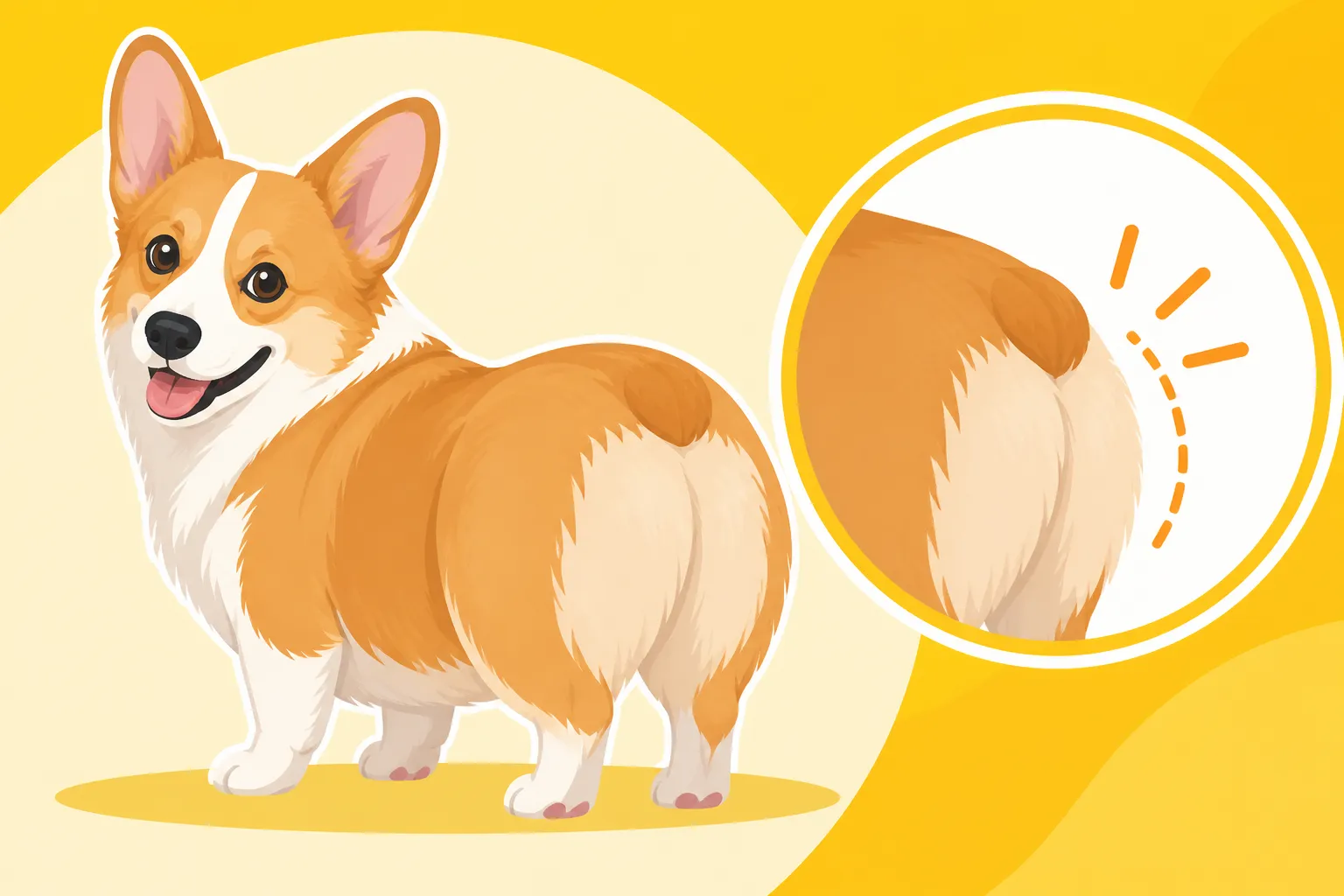
- True Bobtail (Absent): Some Corgis carrying the NBT gene might be born with virtually no tail at all, just a tiny nub of skin and fur. This is the least common manifestation but does occur.
- Short Stub: More commonly, an NBT Corgi will have a short stub, perhaps one or two inches long. It might be slightly curved or tapered, feeling very natural to the touch, with small vertebrae present. This often looks like a "perfect" dock to the untrained eye.
- Half-Tail: Others will have a tail that reaches about half the length of what a full, undocked Corgi tail would be. These tails usually have a natural taper and movement, and you can often feel the bones distinctly.
- Three-Quarter Tail: Sometimes, a natural bobtail can be surprisingly long, reaching up to three-quarters of the normal length, but it will still be noticeably shorter than a full, flowing tail. The key here is that it still lacks the full complement of vertebrae a Corgi would naturally have.
The unpredictability is part of the charm, and also why it's so important for potential owners to understand what they're looking at. A breeder who truly understands their lines and does genetic testing can usually give you an idea of what to expect, but even then, nature throws in its own variations. It’s a bit like human height – you get a range, even within the same family. You might be interested in Whether Pembroke Puppies Are Born With Tails to learn more about how this appears in new litters.
Distinguishing a Natural Bobtail from a Docked Tail
This is perhaps one of the biggest points of confusion for Corgi lovers. When you see a short-tailed Corgi, how do you know if it's a natural bobtail (NBT) or if it's been docked? The answer isn't always immediately obvious, but there are definite clues.
Visual Cues and Physical Differences
A docked tail is, by definition, a tail that has been surgically shortened. This procedure is usually done when a puppy is just a few days old. The goal is to create a specific length and appearance, typically a very short, blunt stub that fits the traditional breed standard for the Pembroke Welsh Corgi.
Here’s how to tell the difference:
- Docked Tail Appearance: A docked tail tends to have a blunt, uniform end. There usually isn't much in the way of bone structure or distinct vertebrae at the very tip, as the end is essentially a cut surface that has healed. You might even feel a slight scar tissue or a thicker, firmer feel at the tip where the bone ended. The fur typically grows over it, making it look seamless, but the underlying structure is different. It’s a very clean, often symmetrical finish.
- Natural Bobtail Appearance: A natural bobtail, on the other hand, is generally more organic in its appearance. While it can be very short, it often tapers more naturally, sometimes ending in a fine point or a slight curl. If you gently feel a natural bobtail, you can usually palpate the individual vertebrae, even if they are very small, right down to the tip. There won't be any surgical scarring or signs of a cut. The skin and fur will flow seamlessly, just as they would on a full-length tail, simply ending sooner. Some natural bobtails might even have a little tuft of hair at the very end, or a slight bend or kink where the last vertebrae formed imperfectly.
This distinction is crucial, not just for curiosity, but for understanding a dog's background and potential health considerations.
Why the Distinction Matters for Corgi Owners
Knowing whether your Corgi has a natural bobtail or a docked tail holds more significance than you might initially think.
Firstly, there are legal and ethical considerations. In many parts of the world, tail docking is now illegal, deemed an unnecessary cosmetic procedure. If you acquire a Corgi with a short tail in a region where docking is banned, confirming it's a natural bobtail can save you from potential legal issues or ethical concerns. This topic is explored further in Whether Corgi Tail Docking Is Still Legal Here. Responsible breeders will always be transparent about their puppies' tail status.
Secondly, it speaks to breeder transparency and health testing. A reputable breeder will know if their breeding dogs carry the NBT gene and will be able to provide genetic test results. If a breeder claims a puppy has a natural bobtail but cannot provide proof or it visually appears docked, that should raise a red flag. Genetic testing is a hallmark of responsible breeding, ensuring you know exactly what you're getting. You can learn more about this in The DNA Tests a Corgi Breeder Should Run.
Finally, it helps with accurate breed identification. While both Pembroke and Cardigan Welsh Corgis are wonderful, they are distinct breeds. Cardigan Welsh Corgis, for instance, are always born with long tails, never a natural bobtail. So, a short-tailed Cardigan would always be a docked tail. Pembrokes can carry the NBT gene. Understanding these nuances helps you appreciate the specific characteristics of your Corgi.
Life with a Natural Bobtail Corgi
Living with a natural bobtail Corgi isn't drastically different from living with a long-tailed or docked Corgi, but there are a few subtle points to be aware of, particularly around daily care and how they interact with the world. Their unique rear end can sometimes bring minor adjustments to routines, but nothing that true Corgi enthusiasts can't handle with a little love and attention.
Daily Care and Grooming Considerations
While a Corgi's coat is already famous for its shedding prowess, a natural bobtail might require a slight tweak to your grooming routine, depending on its length and the amount of feathering.
- Hygiene for Very Short Bobtails: If your Corgi has a very short natural bobtail or just a tiny nub, pay extra attention to the cleanliness around their rear end. Corgis are low riders, and sometimes, particularly after going to the bathroom, things can get a little messy if there's no tail to help redirect. Regular checks and perhaps a quick wipe with a pet-safe grooming wipe can prevent build-up or skin irritation. You can find excellent grooming wipes on Chewy, which makes quick clean-ups a breeze.
- Feathering and Mats: Even short natural bobtails can have the classic Corgi feathering around the rump. This beautiful, soft fur can sometimes mat, especially if your Corgi is particularly active or prone to getting into burrs and mud. Regular brushing of the "trousers" and around the tail area is essential to prevent tangles. A good de-shedding tool or slicker brush is your best friend here. Consider how this differs from Grooming Around a Docked Corgi's Rear, where the shape might be more uniform.
- Reading Body Language: A tail is a significant communication tool for dogs. A full tail wags joyfully, tucks fearfully, or flags confidently. With a very short natural bobtail, your Corgi might not have the full range of tail movement to express themselves. As an owner, you'll learn to read other cues: their ear position, facial expressions, body posture, and even the subtle wiggles of their whole rear end. They might not have a big tail to wag, but they'll still tell you exactly how happy they are!
Health and Movement Implications
One of the big questions owners often have is whether a natural bobtail affects their Corgi's health or movement. The good news is, for the vast majority of NBT Corgis, the answer is no.
- Spinal Health: The gene responsible for natural bobtails specifically affects the caudal (tail) vertebrae and is generally distinct from genes or conditions that cause problems in the main spine. While Corgis are known for their susceptibility to back issues due to their long backs, this is typically related to Intervertebral Disc Disease (IVDD) or Degenerative Myelopathy (DM), not directly to their natural bobtail status. The concern about spinal issues in Corgis is real, but it's not usually compounded by a natural bobtail. For more on this, you might explore Whether the Corgi Bobtail Gene Causes Problems.
- Balance and Agility: A full tail acts as a counterbalance, especially for fast turns or in complex terrain. Corgis, being low to the ground, already have a unique gait. While a very short tail might theoretically reduce some natural counterbalancing, Corgis with natural bobtails adapt remarkably well. They learn to use their powerful little legs and sturdy bodies to maintain balance. You'll see them charging around, stopping on a dime, and making sharp turns with the best of them, often barely seeming to notice their shorter appendage.
- Potential Rare Associations: It's worth noting that some severe forms of tail defects, particularly if accompanied by other spinal malformations, can be more problematic. However, the common natural bobtail gene in Corgis is not typically associated with these more serious conditions. Responsible breeding practices, including genetic testing, aim to identify and avoid such rare issues.
In essence, a natural bobtail Corgi is just as robust and active as its long-tailed or docked counterparts. Their joyful spirit and determined waddle remain unchanged, regardless of tail length.
The Role of Breeders and Genetic Testing
Navigating the world of Corgi breeding, especially concerning traits like natural bobtails, requires diligence from both breeders and prospective owners. Responsible practices ensure the health and well-being of these wonderful dogs, while transparency builds trust.
Responsible Breeding Practices for Natural Bobtails
For ethical Corgi breeders, genetic health is paramount. They understand that while a natural bobtail is an adorable trait, it's also a genetic one that needs careful management.
- Genetic Testing is Key: Reputable breeders routinely test their breeding stock for various genetic conditions, and the NBT gene is often part of that panel. This allows them to know exactly which dogs carry the natural bobtail gene (NBT) and which are clear (N/N). This information is crucial for making informed breeding decisions. You can learn more about this in The DNA Tests a Corgi Breeder Should Run.
- Avoiding NBT x NBT Breedings: The natural bobtail gene is considered a dominant trait with some nuances. While a single copy (heterozygous, N/NBT) typically results in a bobtail, having two copies (homozygous, NBT/NBT) can sometimes be associated with more severe spinal defects, or even be lethal in some breeds when the gene is expressed. While this is less commonly reported as a lethal gene in Corgis specifically compared to some other breeds, responsible breeders will generally avoid breeding two NBT carriers together. Their goal is to produce healthy puppies, and minimizing any potential risks is a top priority.
- Transparency with Buyers: A responsible breeder will be completely open about the genetic status of their puppies. They should be able to tell you if a puppy's short tail is natural or if it was docked, and ideally, provide documentation of genetic testing results. They’ll educate you on the NBT trait and answer any questions you have about their breeding program. This transparency is a key indicator of a good breeder. What a Corgi Breeder Should Be Testing For goes into more detail about comprehensive testing.
Understanding the "Natural Bobtail" Label
As a prospective Corgi owner, understanding the "natural bobtail" label and how to verify it is vital. It’s not enough for a breeder to simply state a puppy has a natural bobtail; you want to see the proof and understand the implications.
- Verification Through Documentation: When you inquire about a Corgi puppy with a short tail, ask the breeder for documentation from a certified veterinary genetic testing lab confirming the NBT status of the parents, or even the puppy itself if available. Many commercial labs, like those you find mentioned on pet health websites or through your vet, offer specific panels that include the NBT gene. This will definitively confirm whether the short tail is genetic.
- Visual Confirmation (with Caution): While visual cues can help distinguish a natural bobtail from a docked tail, relying solely on sight can be misleading, especially with very short bobtails. A well-healed docked tail can sometimes mimic a natural one. However, the distinct tapering and palpable vertebrae of a natural bobtail are usually quite clear upon physical examination, particularly by a veterinarian.
- Lineage and Pedigree: Understanding a puppy's lineage, or pedigree, can also offer clues. If multiple generations in the puppy's family tree are known to have natural bobtails and have been health-tested, it adds confidence to the claim. This is part of the broader picture of selecting a healthy Corgi.
By being informed and asking the right questions, you can ensure that your Corgi's unique tail is truly a natural marvel, and a testament to responsible breeding.
The Corgi Tail in the Breed Standard and History
The tail of the Pembroke Welsh Corgi has a fascinating history, intertwining breed function, tradition, and evolving standards. Understanding its place in the breed's development helps shed light on why the natural bobtail is now more frequently discussed and appreciated.
Pembroke Welsh Corgi Tail Standards
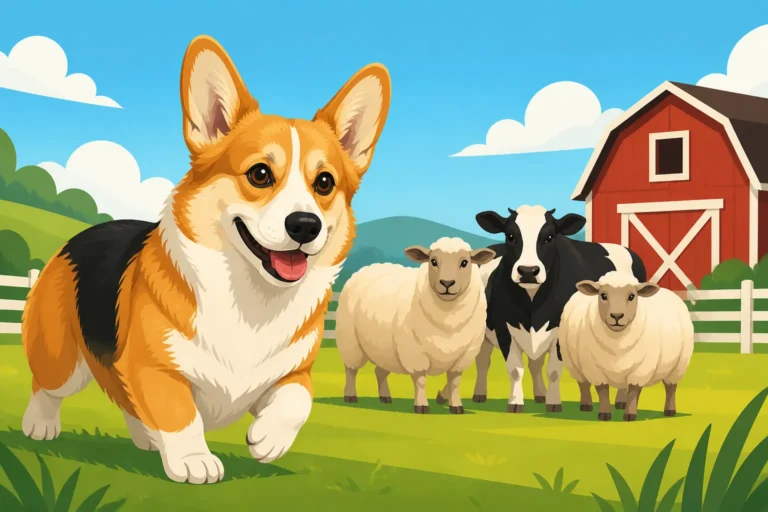
Historically, the Pembroke Welsh Corgi breed standard, especially in North America, favored a docked tail. The idea was rooted in their original purpose as cattle-herding dogs, where a long tail could be easily stepped on or caught, leading to injury. A short tail was considered practical and functional. This led to widespread docking of Pembroke Corgi puppies.
- Traditional Standard: For a long time, the ideal Pembroke Corgi, according to most kennel club standards, had a docked tail. This meant breeders aimed for a very short, sturdy stub that blended seamlessly with the body.
- Acceptance of Natural Bobtails: As genetic testing became more prevalent and ethical considerations around cosmetic docking grew, breed standards began to adapt. Most major kennel clubs now explicitly state that a natural bobtail is acceptable. For instance, The AKC Pembroke Welsh Corgi Standard acknowledges natural bobtails alongside docked tails. This is a significant shift, celebrating the dog's natural genetic variation rather than enforcing a surgical alteration.
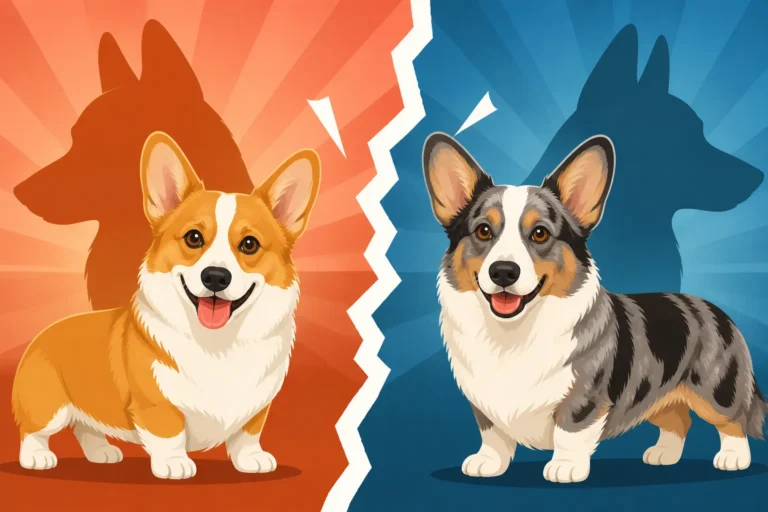
- Cardigan Welsh Corgis vs. Pembrokes: It’s vital to remember that the Cardigan Welsh Corgi is a separate breed, and their standard always calls for a long, fox-like tail. A Cardigan with a short tail would indicate docking, which is not part of their tradition or standard. The conversation around natural bobtails is almost exclusively for Pembrokes. You can see the distinct differences in Cardigan Tails Against Pembroke Tails.
Historical Context of Tail Docking and Bobtails
The practice of tail docking in Corgis, and many other working breeds, wasn't just about aesthetics; it had deep roots in their function as working dogs and even historical legal frameworks.
- Working Dog Necessity: Corgis were bred to herd cattle by nipping at their heels and then ducking out of the way. A long, flowing tail in this environment could easily be injured by a cow's hooves or get snagged in undergrowth while working in fields. Docking was seen as a way to protect the dog.
- Tax Avoidance: Believe it or not, in some historical periods, taxes were levied on dogs that were not considered working dogs. A docked tail was often used as proof that a dog was indeed a working animal, thus exempting owners from taxes. This practical, albeit strange, reason further cemented the practice. Why Pembroke Tails Were Docked Historically delves into this history more deeply.
- Mistaking NBT for Docking: For centuries, long before modern genetic science, the natural bobtail gene was present in the Corgi population. When a puppy was born with a naturally short tail, it was often simply assumed to be a "good dock" by nature, or just another variation of the docked look. People wouldn't have known about the underlying genetics. So, some Corgis that were thought to have been successfully docked might actually have been natural bobtails all along! The prevalence of natural bobtails today, identified through testing, highlights how this gene has quietly existed within the breed for a very long time.
The shift towards accepting and appreciating the natural bobtail reflects a broader change in how we view companion animals – moving from purely functional attributes to valuing their inherent biological traits.
Natural Bobtail vs. Docked Tail: A Quick Comparison
To help clarify the differences between a natural bobtail and a docked tail in Corgis, here's a quick comparison table summarizing the key characteristics. This can be a handy reference for new owners or anyone curious about their Corgi's unique rear end.
| Feature | Natural Bobtail (NBT) | Docked Tail |
|---|---|---|
| Origin | Genetic mutation (T-box gene) | Surgical procedure |
| Appearance | Tapered, natural end; may have kinks or tufts | Blunt, uniform end; often appears "cut" |
| Bone Structure | Palpable vertebrae, even if very small, to the tip | No distinct vertebrae at the tip; feels solid/scarred |
| Scarring | None | May have subtle scarring or thicker tissue at the tip |
| Length Variation | Ranges from absent to three-quarters of a full tail | Usually very short, aiming for a consistent length |
| Movement | Natural, often expressive wiggles of the whole hind end | More restricted movement due to lack of length |
| Legal Status | Generally accepted everywhere | Illegal in many countries (cosmetic procedure) |
| Breeder Role | Confirmed by genetic testing, parents often NBT carriers | Performed by veterinarian on young puppies |
This table simplifies the main points, but remember that individual Corgis can vary. The best way to know for sure is always through genetic testing and transparent documentation from a reputable breeder.
The natural bobtail Corgi is a testament to the fascinating genetics at play within dog breeds. Far from being a mere aesthetic quirk, understanding whether your Corgi's short tail is natural or the result of docking provides insight into their genetic heritage and supports responsible breeding practices. While a short tail might mean you need to be a little more observant during grooming or learn to read their body language differently, it certainly doesn't detract from the boundless joy, character, and love these wonderful dogs bring into our lives. Whether they wag a long tail, a docked stub, or a charming natural bobtail, a Corgi's heart is always full of loyalty and sass!
Disclaimer
This article is for general informational purposes only and does not constitute professional advice. Laws, prices and regulations vary by location and change over time. Consult a qualified professional for guidance on your specific situation.