Reading a Corgi SOD1 Test Result
Receiving your Corgi's genetic test results can feel like opening a mystery novel, especially when it comes to something as serious as Degenerative Myelopathy, or DM. The jargon, the letters, the percentages – it's enough to make any devoted Corgi parent's head spin with anxiety. You're holding your beloved companion's future in your hands, and all you want is to understand what these results truly mean for their health and your life together. This comprehensive guide is here to walk you through deciphering your Corgi's SOD1 test results, translating the science into clear, empathetic insights so you can make informed decisions for your furry family member.
Understanding the SOD1 Gene and Degenerative Myelopathy
Before we dive into the specifics of reading your test results, it’s really important to grasp what we’re even talking about. The SOD1 gene test isn't just some random screening; it's directly linked to a devastating neurological condition that can deeply impact Corgis. Knowing the basics of this disease and the gene's role will make the test results much more meaningful.
What is Degenerative Myelopathy in Corgis?
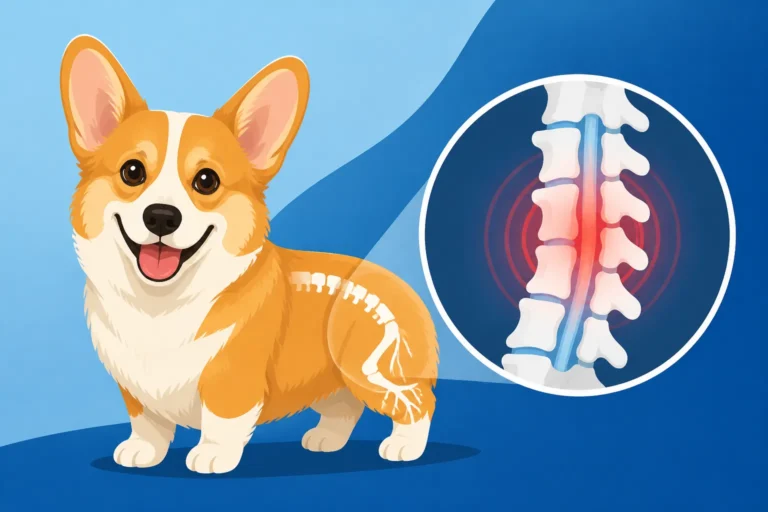
Imagine your active, happy Corgi, full of life and that signature low-rider wiggle. Now, imagine a future where that wiggle slowly fades, replaced by weakness and instability in their back legs. That's the heartbreaking reality of Degenerative Myelopathy (DM), a progressive neurodegenerative disease that affects the spinal cord. It's often compared to ALS in humans because of the way it systematically breaks down the nerves responsible for movement. For Corgis, with their naturally long backs and short legs, the impact on their mobility is particularly pronounced and devastating.
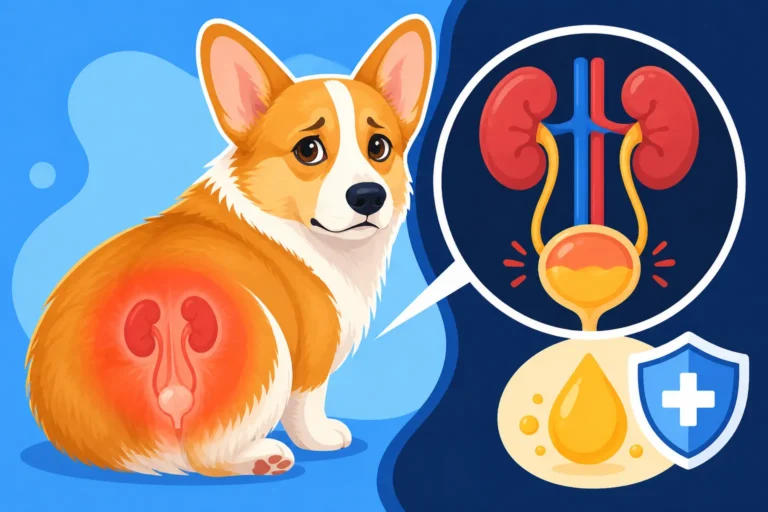
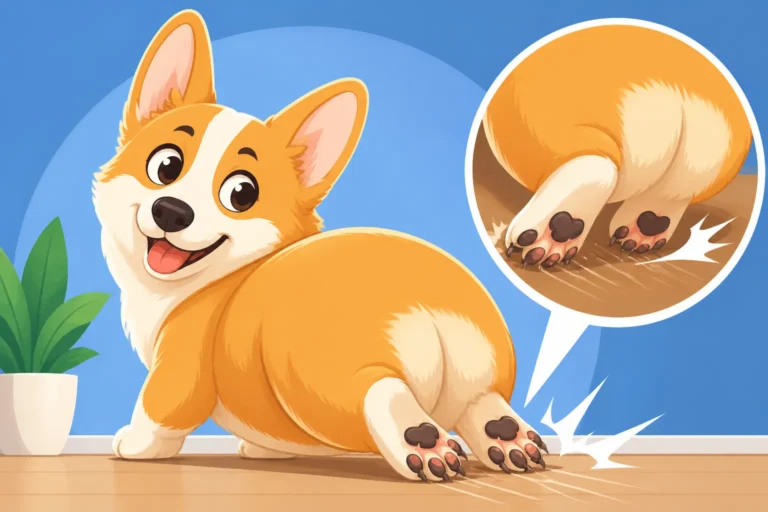
The disease typically begins with subtle signs, often mistaken for arthritis or general aging, like a slight scuffing of the back paws when they walk or an uncharacteristic weakness after exercise. Over time, these initial symptoms worsen, progressing to significant difficulty walking, stumbling, and eventually, a complete loss of hind limb function. It’s a cruel, relentless march, leaving dogs unable to walk, stand, or even control their bladder and bowels. Watching a dog you love go through this, knowing there’s currently no cure, is one of the hardest experiences a pet owner can face. You can learn more about this challenging condition in our detailed post, Degenerative Myelopathy and the Corgi.
The Role of the SOD1 Gene
So, where does the SOD1 gene come into play? The Superoxide Dismutase 1 (SOD1) gene is typically involved in protecting cells from damage caused by free radicals. Think of it as a tiny, built-in antioxidant factory within your dog's body. However, in certain breeds, including Corgis, a specific mutation in this SOD1 gene has been identified as a major genetic risk factor for developing DM. It's not the only piece of the puzzle, but it's a very significant one.
When a Corgi inherits mutated copies of the SOD1 gene, it can lead to the production of an abnormal protein. This faulty protein doesn't do its job correctly and can accumulate in the spinal cord, eventually causing the degeneration of the nerve fibers. This is why the test specifically looks for these mutations. It’s important to understand that while the SOD1 mutation is a primary driver for DM in Corgis, other genetic and environmental factors might also contribute to the disease’s development and progression. So, while this test is incredibly important, it's not the only factor.
Why Genetic Testing is Crucial for Corgis
For Corgi owners and responsible breeders alike, SOD1 genetic testing is nothing short of a game-changer. Historically, DM was a diagnosis often delivered late in a dog's life, with little to no prior warning. Owners were left grappling with a devastating condition, often after they had already unknowingly contributed to its genetic prevalence through breeding. Now, with the availability of SOD1 testing, we have the power to be proactive.
For potential puppy buyers, seeing clear SOD1 results for both parents from a breeder provides immense peace of mind. It helps ensure you're bringing home a puppy with the lowest possible genetic risk for DM. For current Corgi owners, especially those considering breeding, this test is an ethical imperative. It allows breeders to make informed decisions, preventing the pairing of dogs that could produce puppies at high risk for the disease. Beyond breeding, knowing your dog's status can guide lifelong care and allow for early recognition of potential symptoms, should they ever arise. It turns a mystery into a manageable piece of health information, empowering owners to champion their Corgi's well-being with foresight.
Deciphering Your Corgi's SOD1 Test Results
Once you've sent off your Corgi's cheek swab or blood sample, the waiting can be agonizing. But when those results finally come in, the first hurdle is often understanding what the various terms and abbreviations actually mean. Let's break down the three main categories you'll likely see on a SOD1 test report.
The Three Main Result Categories
Genetic tests for DM in Corgis typically categorize results into three distinct groups: Clear, Carrier, and At-Risk (sometimes called Affected). These classifications refer to the number of mutated copies of the SOD1 gene your Corgi has inherited. Since dogs inherit one copy of each gene from their mother and one from their father, the combination of these copies determines their status. Understanding these categories is fundamental to knowing your dog's genetic predisposition to DM. It’s not about blame or panic, but about knowledge and preparation.
Each result type carries different implications, not only for your individual dog's health but also for any future breeding plans, if applicable. A reputable genetic testing laboratory, such as OFA (Orthopedic Foundation for Animals), Paw Print Genetics, or Embark Veterinary, will provide a clear report detailing your Corgi's specific genotype. These reports usually include the genetic designation (e.g., N/N, N/A, A/A) and a plain-language explanation of what that means for your dog.
Here's a quick reference table to help visualize the different results:
| Result Category | Genetic Code (Common) | Interpretation | Implications for Health | Implications for Breeding |
|---|---|---|---|---|
| Clear | N/N (Normal/Normal) | Two normal copies of the SOD1 gene. | Extremely low risk of developing DM due to the SOD1 mutation. | Can be bred to any dog, including Carriers, without producing At-Risk puppies. |
| Carrier | N/A (Normal/Affected) | One normal copy and one mutated copy of the SOD1 gene. | Unlikely to develop DM themselves; most Carriers remain asymptomatic their entire lives. | Should only be bred to a Clear (N/N) dog to avoid producing At-Risk puppies. |
| At-Risk | A/A (Affected/Affected) | Two mutated copies of the SOD1 gene. | High probability of developing DM at some point in their life. | Should not be bred, as all offspring would inherit at least one mutated copy. |
"Clear" (N/N or Homozygous Normal) – What it Means
If your Corgi’s SOD1 test comes back as "Clear," often denoted as N/N or Homozygous Normal, this is wonderful news! It means your dog has inherited two normal copies of the SOD1 gene, one from each parent. Essentially, your Corgi does not carry the specific genetic mutation associated with DM. This significantly reduces their risk of developing Degenerative Myelopathy due to this particular genetic cause. It's a huge sigh of relief for many owners.
While a "Clear" result is incredibly positive, it's crucial to understand that it’s not a 100% guarantee against all neurological or spinal issues. There are many other conditions, such as Intervertebral Disc Disease (IVDD) or other spinal cord problems that are not related to the SOD1 gene, which Corgis can still be prone to. So, while you can breathe a little easier regarding DM, continued vigilance for overall spinal health is always wise. However, for the specific threat of DM caused by the SOD1 mutation, a clear result means your dog is in the best possible position. For more details on other potential health issues, you might want to read Whether a Clear Corgi Can Still Get DM.
From a breeding perspective, a Clear Corgi is highly desirable. They can be safely bred to any other Corgi, including a Carrier, without the risk of producing puppies that are At-Risk for DM. This helps maintain genetic diversity within the breed while actively reducing the prevalence of the SOD1 mutation in future generations.
"Carrier" (N/A or Heterozygous) – Understanding the Nuance
A "Carrier" result, often shown as N/A or Heterozygous, means your Corgi has inherited one normal copy of the SOD1 gene and one mutated copy. This is where things can get a little nuanced, and sometimes, confusing for owners. The good news is that most Corgis who are Carriers will never develop clinical signs of Degenerative Myelopathy in their lifetime. They typically lead perfectly healthy, normal lives without showing any symptoms of the disease. The reason for this is that the single normal copy of the gene is usually sufficient to produce enough functional SOD1 protein to prevent the onset of DM.
However, being a Carrier is incredibly important for breeding purposes. While your Corgi may not be affected, they can pass that single mutated gene on to approximately 50% of their offspring. This is why responsible breeding practices become paramount for Carriers. If a Carrier Corgi is bred to another Carrier, or worse, to an At-Risk Corgi, there's a significant chance of producing At-Risk puppies. This is a common area of misunderstanding, as many owners equate "carrier" with "sick," which isn't generally the case for DM. Our article Whether Carrier Corgis Ever Show Signs delves deeper into this aspect.
The main take-away for a Carrier Corgi owner is that their dog is very likely to remain healthy from a DM perspective, but if breeding is ever considered, extreme caution and genetic planning are essential. They should only be bred to a Corgi that has tested "Clear" (N/N) to ensure no At-Risk puppies are produced.
"At-Risk" (A/A or Homozygous Affected) – The Most Concerning Result
If your Corgi's SOD1 test result comes back as "At-Risk," or A/A (Homozygous Affected), this means they have inherited two mutated copies of the SOD1 gene – one from each parent. This is undoubtedly the most concerning result, as it indicates a very high probability that your Corgi will develop Degenerative Myelopathy at some point in their life. While it's not a 100% guarantee (some At-Risk dogs live their whole lives without showing symptoms, though this is less common with the Corgi SOD1 mutation), it's a strong predisposition. For many Corgi owners, receiving an At-Risk result can feel like a punch to the gut, bringing with it a wave of fear and sadness for the potential future.
It's vital to reiterate that "At-Risk" does not mean your dog has DM right now. It means they have the genetic blueprint that makes them highly susceptible to developing it. The age of onset, severity, and speed of progression can vary greatly among At-Risk dogs, but the average age for DM symptoms to typically begin in Corgis is usually between 8 and 14 years old. This aligns with observations that Pembroke Welsh Corgis often sit at the top of DM lists among breeds. Our piece, Why Pembrokes Sit at the Top of DM Lists, discusses this in more detail.
For an At-Risk Corgi, the focus shifts to proactive management, ensuring their quality of life, and preparing for potential future challenges. This might involve closely monitoring for early signs, making lifestyle adjustments, and working closely with your veterinarian. Emotionally, it's a heavy burden, but knowing ahead of time allows you to cherish every moment and provide the best possible care for your companion. From a breeding standpoint, an At-Risk Corgi should absolutely not be bred, as they would pass two mutated copies to all offspring, guaranteeing At-Risk puppies.
Interpreting the Implications for Your Corgi's Life
Understanding the genetic codes is one thing, but truly grasping what those results mean for your Corgi’s daily life and future is another. The implications vary significantly depending on whether your Corgi is Clear, Carrier, or At-Risk. Let’s explore what each scenario might look like, moving beyond the scientific jargon to real-world considerations.
For Clear Corgis – Continued Vigilance
For those fortunate Corgi parents whose dogs test "Clear" (N/N) for the SOD1 mutation, there's a significant sense of relief. You know your beloved companion is highly unlikely to develop DM because of this specific genetic cause. This is fantastic news and certainly something to celebrate! However, it doesn't mean you can completely drop your guard when it comes to spinal health. Corgis, regardless of their DM status, are still a chondrodystrophic breed. This means they have those characteristic short legs and a long back, a combination that predisposes them to other serious spinal issues, most notably Intervertebral Disc Disease (IVDD).
IVDD is a condition where the cushioning discs between the vertebrae either bulge or rupture, putting pressure on the spinal cord. This can lead to pain, nerve damage, and even paralysis, completely independent of DM. So, while your clear Corgi may be safe from SOD1-related DM, you still need to be diligent about protecting their back. This means continuing to discourage jumping on and off furniture, providing ramps, managing their weight, and generally being mindful of activities that could strain their spine. Think of it as having dodged one bullet, but still needing to wear a protective vest for other potential threats. For more on this, check out our article on Disc Disease in a Long-Backed Corgi.
For Carrier Corgis – Breeding Considerations and Monitoring
For Corgis that test as "Carrier" (N/A), the primary implication is almost exclusively related to breeding. As discussed, Carriers rarely, if ever, develop DM symptoms themselves. Your Corgi can live a full, happy, and normal life without any visible health impact from being a Carrier. The focus here shifts entirely to responsible breeding practices. If your Carrier Corgi is intact and you're considering breeding, it is absolutely paramount that they are only ever bred to a Corgi that has tested "Clear" (N/N) for the SOD1 mutation.
By following this guideline, you ensure that no puppies produced will be At-Risk (A/A) for DM. Approximately 50% of the puppies from such a pairing will be Clear, and 50% will be Carriers, perpetuating the gene but avoiding the highest-risk outcome. Never breed a Carrier to another Carrier or an At-Risk dog, as this significantly increases the chances of producing At-Risk puppies. This responsible approach is how dedicated breeders slowly work to reduce the prevalence of the SOD1 mutation in the Corgi gene pool without unnecessarily removing valuable dogs from breeding programs. Our guide on Pairing a Carrier Corgi With a Clear One offers valuable insights for breeders. For pet owners with a Carrier Corgi, simply enjoy your dog, knowing their risk of developing DM is extremely low. However, you might still want to be subtly aware of any changes in gait, just as a general good practice for any Corgi.
For At-Risk Corgis – Proactive Management and Support
An "At-Risk" (A/A) diagnosis carries the most significant implications for your Corgi's life, as it means a high probability of developing DM. This news can be incredibly disheartening, but it also empowers you to be proactive. Knowledge truly is power in this situation, allowing you to prepare emotionally and practically for what might come. The goal for an At-Risk Corgi is to maximize their comfort and quality of life, focusing on prevention and early intervention should symptoms arise.
This means being incredibly observant for the subtle early signs of DM. These might include an unsteadiness in their hindquarters, a slight drag or scuffing of their back paws when walking, particularly on uneven surfaces, or difficulty rising after resting. Sometimes, it's just a general weakness or an awkward gait. If you notice any of these, contact your vet immediately. Early recognition can lead to a more timely diagnosis and the implementation of supportive therapies. Our post on The First Signs of DM in a Corgi can help you understand what to look for.
Lifestyle adjustments are also crucial. Minimize activities that could strain their back or lead to falls. Consider ramps for furniture and cars, ensuring good traction on floors, and maintaining a healthy weight to reduce stress on their joints and spine. Regular, gentle exercise and physiotherapy can help maintain muscle mass and mobility for as long as possible. While there's no cure, early and consistent supportive care can make a meaningful difference in an At-Risk Corgi's comfort and mobility as the disease potentially progresses. This proactive stance, born from knowing their genetic status, allows you to give them the best possible life.
What to Do After Receiving Your Corgi's Results
The initial shock or relief of receiving your Corgi's SOD1 test results will eventually give way to the practical question: "Now what?" Depending on the outcome, your next steps will vary, but there are universal actions every Corgi owner should consider. This is about transforming information into actionable plans for your dog's long-term health and happiness.
Consulting Your Veterinarian
Regardless of whether your Corgi is Clear, Carrier, or At-Risk, the very first thing you should do after receiving their SOD1 test results is schedule a comprehensive discussion with your trusted veterinarian. While online resources and breeder discussions are invaluable, your vet is uniquely positioned to interpret these results in the context of your individual Corgi's overall health history, age, and any existing conditions. Don't just show them the printout; ask them to explain the nuances, clarify any lingering doubts, and help you understand the specific implications for your dog.
Prepare a list of questions beforehand. For a Clear Corgi, you might ask about other breed-specific spinal concerns and preventative measures. For a Carrier, discuss responsible breeding guidelines if applicable, or simply affirm what this means for their pet life. For an At-Risk Corgi, this conversation is critical. Discuss potential monitoring protocols, what symptoms to watch for, and the range of supportive care options available should DM develop. This might include physical therapy referrals, nutritional advice, or discussions about pain management. A good vet-client relationship is your strongest ally in navigating any health concerns, and this genetic test is a perfect opportunity to strengthen that partnership.
Lifestyle Adjustments for Spinal Health
This point cannot be stressed enough for any Corgi, regardless of their DM genetic status. Corgis are predisposed to spinal problems due to their unique conformation: a long back combined with short legs. This makes them particularly vulnerable to conditions like Intervertebral Disc Disease (IVDD), which can be just as debilitating as DM. Therefore, implementing proactive lifestyle adjustments to protect their spine is a non-negotiable part of responsible Corgi ownership.
Start with eliminating high-impact activities. This means no jumping on and off furniture (beds, sofas, chairs) and limiting vigorous leaping during play. Invest in dog-specific ramps or steps for accessing elevated surfaces, like the sofa or your car. Even small jumps can put tremendous strain on their delicate spinal discs. Providing good traction in your home is also important; consider rugs or runners on slippery hardwood or tile floors to prevent slips and falls that could lead to injury. Weight management is another critical factor. Every extra pound your Corgi carries puts added stress on their spine and joints, exacerbating potential issues. Work with your vet to ensure your Corgi maintains a healthy, lean body condition. Even a Clear Corgi benefits immensely from these precautions. Our detailed post, Ramps and Steps That Save a Corgi's Back, provides practical solutions for your home.
Financial Planning for Potential Health Issues
Let's be realistic: owning a Corgi, especially one with a known predisposition to certain health issues, can be expensive. Even with genetic testing for DM, life happens, and unexpected veterinary bills for other conditions are always a possibility. This is where proactive financial planning becomes not just helpful, but truly essential for peace of mind and your Corgi's well-being. Thinking about this now, rather than in the midst of a crisis, is key.
One of the most practical steps you can take is to consider pet insurance. Services like Healthy Paws (or similar reputable providers) can be a lifeline when faced with unforeseen medical emergencies or chronic conditions. The crucial aspect is to enroll your Corgi before any health issues develop or are diagnosed, as most insurance policies have clauses about pre-existing conditions. For instance, if your Corgi is diagnosed as At-Risk for DM, and then later develops DM symptoms, those symptoms may be considered a pre-existing condition and not covered if you didn't have insurance in place prior to that initial diagnosis. Planning ahead ensures you have financial support for those inevitable vet visits, specialist consultations, medications, or even surgeries that can arise during your Corgi's lifespan. Our article Insuring a Corgi Before Its First Back Episode provides a deeper dive into why early enrollment is so important. Alternatively, some owners opt to set up a dedicated savings account specifically for pet emergencies, ensuring a fund is readily available when needed.
Responsible Breeding and Genetic Health
For those involved in Corgi breeding, understanding SOD1 test results is not just important; it's a fundamental ethical responsibility. Responsible breeding practices are the cornerstone of improving the overall health of the breed, and genetic testing plays a starring role in that effort.
The Breeder's Role in Reducing DM
Responsible breeders are the unsung heroes in the fight against genetic diseases like Degenerative Myelopathy. Their proactive approach to testing their breeding stock directly impacts the health of future generations of Corgis. A truly ethical breeder will not only test all their potential breeding dogs for the SOD1 mutation but will also openly share those results with prospective puppy buyers. This transparency builds trust and demonstrates a commitment to the breed's long-term welfare.
The ultimate goal for responsible breeders is to reduce the incidence of At-Risk (A/A) puppies. This is achieved by carefully planning pairings. The gold standard is to breed a "Clear" (N/N) Corgi to another "Clear" (N/N) Corgi, which guarantees that all offspring will be Clear. However, to maintain genetic diversity, it's sometimes necessary to utilize "Carrier" (N/A) dogs in a breeding program. In such cases, a Carrier Corgi should only be bred to a Clear Corgi. This combination will produce approximately 50% Clear puppies and 50% Carrier puppies, but crucially, no At-Risk puppies. A responsible breeder will never, under any circumstances, breed an "At-Risk" (A/A) Corgi, nor will they breed two Carrier Corgis together, as both scenarios have a high probability of producing At-Risk offspring. These practices, though sometimes challenging, are how dedicated individuals contribute to a healthier future for the breed, effectively cutting the Corgi DM rate generation by generation. You can find more on this topic in our post, How Breeders Cut the Corgi DM Rate.
Understanding Pedigrees and Genetic History
When you're looking for a Corgi puppy, a breeder's willingness to share not just the parents' SOD1 test results, but also their extended pedigree and genetic history, is a huge green flag. A pedigree isn't just a fancy family tree; it's a valuable document that tracks a dog's ancestry and, increasingly, the health testing performed on those ancestors. A comprehensive pedigree should ideally show several generations of health clearances, including DM status, for the dogs in the lineage.
This allows you to see if DM-tested clear lines are consistently being bred. It also helps to identify if there's any history of At-Risk dogs appearing in earlier generations, which might prompt further questions to the breeder. For example, if you see a Carrier in the second or third generation, it confirms that the breeder is aware of the gene and is managing it responsibly by breeding that Carrier only to Clear dogs in subsequent generations. This level of transparency provides a much more complete picture of a puppy's genetic likelihood, moving beyond just the immediate parents to a broader understanding of their genetic predisposition to various health conditions. It speaks volumes about a breeder's dedication to health and transparency.
Where to Get Your Corgi Tested
When it comes to getting your Corgi tested for the SOD1 mutation, choosing a reputable and reliable laboratory is essential. You want accurate results that you can trust to make informed decisions about your dog's health and future. Thankfully, there are several well-regarded genetic testing companies that offer DM screening for Corgis.
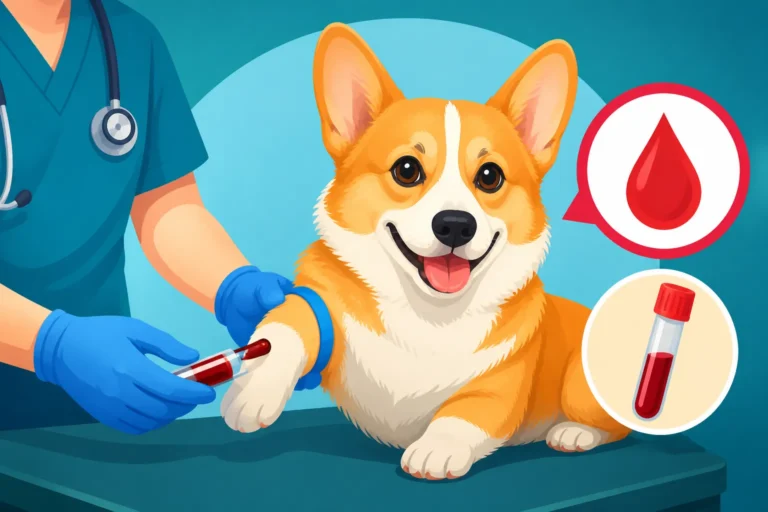
In the United States, prominent options include the Orthopedic Foundation for Animals (OFA), which maintains an extensive database of canine health testing results, including DM. They often work with external laboratories for the actual testing. Other highly respected companies include Paw Print Genetics and Embark Veterinary. These labs typically offer comprehensive panels that include DM testing along with screening for other breed-specific genetic conditions, giving you a holistic view of your Corgi's genetic health. The process usually involves a simple cheek swab collection kit that you can perform at home, or your veterinarian can collect a blood sample. The collected sample is then mailed to the lab, and results are typically delivered electronically within a few weeks. Always check that the lab reports specifically on the SOD1 mutation relevant to Corgis. Our article Which Labs Run the Corgi DM Test offers more information on this. When you get your results, they will clearly state your Corgi's genetic status (Clear, Carrier, or At-Risk) and often include a detailed explanation of what that means.
Disclaimer
The information provided in this guide is intended for educational and informational purposes only and is not a substitute for professional veterinary advice. Always consult with a qualified veterinarian or veterinary specialist for any health concerns or before making any decisions about your Corgi's health or treatment.