Which Dogs the Vikings Brought to Pembroke
It’s utterly fascinating, isn’t it, to think about the ancient history of our beloved Corgis? Many of us, myself included, have pondered the origins of these charming, low-rider herders, wondering how they came to be. One intriguing question that often pops up is whether the fierce Vikings, with their longboats and formidable presence, brought dogs to the Pembroke region of Wales that might have influenced the Corgi we know and love today. This guide aims to dig into that historical curiosity and uncover the most likely ancestors of the Pembroke Welsh Corgi, separating intriguing speculation from more established historical accounts.
The Enduring Mystery of the Pembroke's Origins
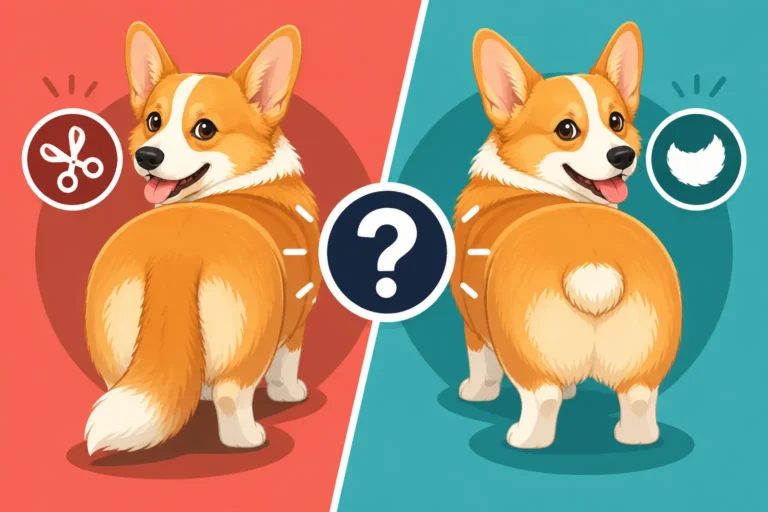
When you look at a Pembroke Welsh Corgi, with those alert, foxy ears, dense double coat, and often docked tail (a practice with deep historical roots), it’s easy to imagine them scampering alongside ancient peoples. Their very name, "Corgi," is believed to mean "dwarf dog" in Welsh, hinting at their long presence in the Celtic lands. But pinning down the exact lineage of any ancient breed can be like trying to trace ripples in a pond centuries after the stone was dropped. The Pembroke, while relatively young in terms of formal recognition compared to its cousin, the Cardigan, still boasts a rich, if somewhat debated, past.
For centuries, dogs in Wales were bred for function. A small, sturdy, intelligent dog capable of moving cattle by nipping at their heels and avoiding kicks was invaluable to farmers and drovers. These dogs needed grit, resilience, and a distinctive low profile that made them perfectly suited for working in harsh, often boggy terrain. They weren't just pets; they were essential members of the farming family, contributing directly to the livelihood of their human companions. This functional breeding meant that exact pedigrees and written records were often nonexistent. Instead, dogs were valued for their working ability, and their appearance evolved naturally to suit the job. This is why digging into specific ancestral influences often requires piecing together historical migration patterns, regional folklore, and characteristic similarities to other dog types. It's a puzzle with many missing pieces, but it’s one that countless enthusiasts, historians, and geneticists have tried to solve.
Evaluating the Viking Influence on Early Pembroke Dogs
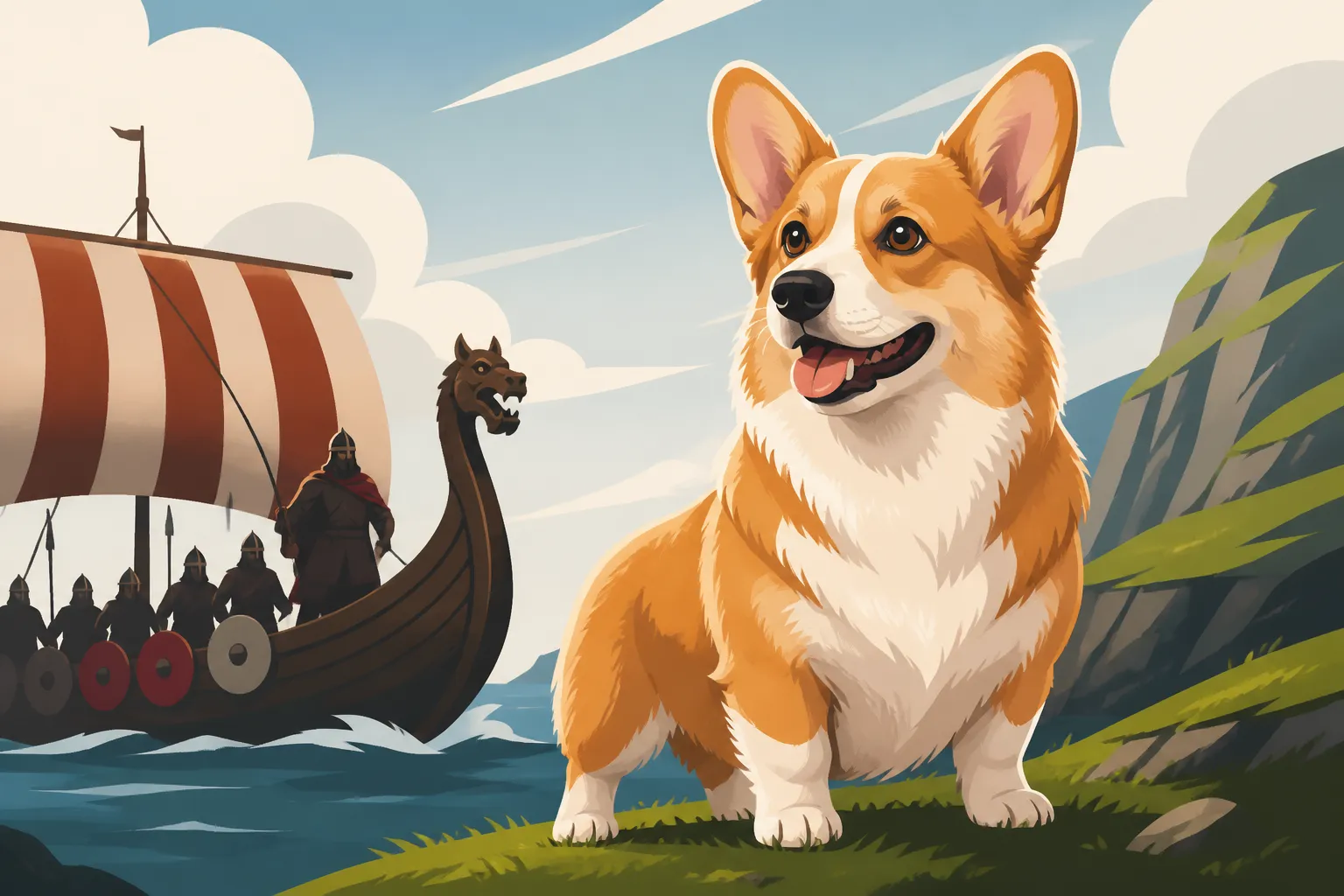
The idea of Vikings bringing dogs to Wales is certainly captivating. The Norse seafarers were known for their extensive travels, raids, and settlements across Europe, including parts of the British Isles. It's not unreasonable to assume they would have brought their dogs along, just as any traveling people would. Vikings relied on their dogs for protection, hunting, and companionship, and archaeological evidence suggests they kept various types, often Spitz-like breeds. These dogs typically featured erect ears, dense coats, and curled tails – traits that, at a glance, might seem to resonate with the Corgi's appearance.
When considering if Whether Spitz Blood Is in the Pembroke directly resulted from Viking introductions in Pembroke, we enter a realm of historical conjecture. While Vikings certainly had a presence in certain coastal areas of Wales, particularly in the south and west, where they established trading posts and sometimes settled, there isn't definitive archaeological or written evidence specifically linking their dogs to the direct lineage of the Pembroke Corgi. The native Welsh cattle dogs were already well-established. It's plausible that some intermingling occurred, given the passage of time and the interaction between different communities. However, most breed historians tend to focus on other, more direct influences for the Pembroke's core characteristics. The strong, upright ears and thick double coat that many Corgis possess could be attributed to a general Spitz ancestry that is common in many northern European dog breeds, rather than a specific, traceable Viking introduction into the Pembroke line alone. The truth is, while the Vikings were in the region, concrete evidence of their dogs forming the foundational stock of the Pembroke Corgi is largely elusive. It remains an intriguing possibility, but one that is often overshadowed by other historical theories.
The More Accepted Narrative: Flemish Weavers and Their Canine Companions
While the Viking theory is romantic, the most widely accepted historical narrative for the Pembroke Welsh Corgi’s distinct characteristics points to a different group of settlers: the Flemish weavers. Around the 10th to 12th centuries, Flemish communities were invited to settle in Pembrokeshire, Wales, by King Henry I of England. These skilled artisans brought with them not only their craft but also their working dogs, which were instrumental in managing their livestock and protecting their homesteads. It's this influx of a specific type of dog that many historians credit with shaping the Pembroke.
The dogs accompanying the Flemish weavers are often described as being of the "Teckel" type, a term that refers to a low-slung, long-bodied dog, similar to what we see in the Dachshunds of today. These dogs were known for their bravery, their ability to work cattle from below without being injured, and their robust nature. This theory aligns perfectly with the Pembroke's distinctive physique: its long back, short legs, and powerful build. The courage and intelligence that are hallmarks of the Corgi personality also fit this narrative of a dog bred for demanding farm work. The phrase The Flemish Connection to the Pembroke truly highlights this pivotal period in the breed's development. These immigrant dogs likely interbred with the existing native Welsh cattle dogs, resulting in the unique combination of traits that would eventually coalesce into the Pembroke Welsh Corgi. This makes a compelling case for the selective pressures and genetic contributions that forged the breed over generations, long before formal breed standards were a twinkle in anyone's eye.
How Ancient Influences Shaped the Modern Corgi
When we delve into the deep history of any dog breed, especially one as ancient and purpose-bred as The Cattle Dog Behind the Corgi, we see a tapestry woven from various threads. The Pembroke Welsh Corgi is a prime example of how geography, human migration, and specific working needs converge to create a distinct animal. From the indigenous dogs of Wales, which provided the foundational herding instinct and resilience, to the potential genetic echoes of various European working dogs, the Corgi's story is a testament to natural selection guided by human hands.
Consider for a moment the profound impact these historical forces had on the Corgi's physical and temperamental traits. Why the Corgi Was Bred So Low wasn't a whimsical choice; it was a critical adaptation for dodging cattle hooves. The alert intelligence and independent nature, sometimes mistaken for stubbornness, stems from needing to make quick decisions in the field. Even today, when we look at our Corgis curled up on their favorite bed from Chewy, or romping in the yard, we can see glimmers of these ancestral traits.
The table below summarizes the key influences on the Pembroke Welsh Corgi's development:
| Historical Influence | Proposed Canine Contribution | Evidence/Theory Basis |
|---|---|---|
| Native Welsh Dogs | Herding instinct, resilience, adaptability to terrain | Long-standing presence of working dogs in Wales. |
| Viking Settlers | Possible Spitz-type features (erect ears, double coat) | Viking presence in Wales; general canine ancestry. Less direct evidence for foundational impact on Pembroke. |
| Flemish Weavers | Low-slung body, sturdy build, courage, "Teckel" type | Historical migration invited by King Henry I to Pembrokeshire, bringing working dogs. |
It's a beautiful thought, envisioning the ancient dogs that contributed to our modern Corgi. The journey of When Pembrokes Arrived in Wales is a complex one, involving centuries of practical breeding and adaptation. We also know that eventually, the Pembroke diverged significantly enough from the Cardigan to become its own recognized breed, a split formally acknowledged by the Kennel Club in 1934. This divergence speaks volumes about the distinct influences that shaped each Corgi type. Understanding these historical layers gives us a deeper appreciation for the loyal, spirited companion sharing our lives today. We learn about The 1934 Split Into Pembroke and Cardigan, recognizing that while they share a Welsh heritage, their paths diverged, leading to the distinct breeds we celebrate. Today, Corgi owners often rely on trusted suppliers like Chewy for everything from high-quality food to grooming tools, reflecting a modern approach to care that ensures these historically rich dogs live their best lives. The journey from ancient working dog to beloved family member is a long and fascinating one, full of twists and turns, making our Corgis even more special.
For those eager to dive deeper into the nuances of these two wonderful breeds, understanding how to differentiate them is key. For instance, Telling a Pembroke From a Cardigan on Sight is often the first step in appreciating their individual histories. And for any Corgi enthusiast, pondering What Corgi Means in Welsh adds another layer of cultural significance to their cherished companion. Ultimately, while the Viking connection remains a compelling historical whisper, the stronger narrative roots the Pembroke Welsh Corgi firmly in the hands of the Welsh farmers and their Flemish neighbors, who together forged a truly remarkable breed. From their earliest days as working dogs to their status as beloved family members, Corgis continue to captivate us with their history and charm. The American Kennel Club's recognition of the breeds, for example, marks another important milestone in their documented journey, with When the AKC Recognized Each Corgi Breed providing a more modern reference point in their storied past.
Disclaimer
This article is for general informational purposes only and does not constitute professional advice. Laws, prices and regulations vary by location and change over time. Consult a qualified professional for guidance on your specific situation.