Corgis in Homes With Cats
Bringing a spirited Corgi into a home that already has a cat, or vice-versa, can feel like setting up a diplomatic summit between two very different nations. You're probably picturing a whirlwind of fluffy fur and a flash of tiny teeth, wondering if your beloved feline will ever truly be safe or if your Corgi will ever learn to respect personal space. This guide is here to help you navigate those choppy waters, offering realistic strategies for fostering a peaceful co-existence between your low-rider and your resident kitty.
Understanding the Corgi's Instincts Towards Other Animals
Before you even think about introductions, it’s vital to understand the inherent drives that make a Corgi, well, a Corgi. These aren't just cute, fluffy loaves of bread; they are bona fide herding dogs, bred for centuries to manage livestock. This history is deeply ingrained in their DNA, and it profoundly influences how they interact with other animals, including our feline friends.
The Herding Drive and Its Manifestations
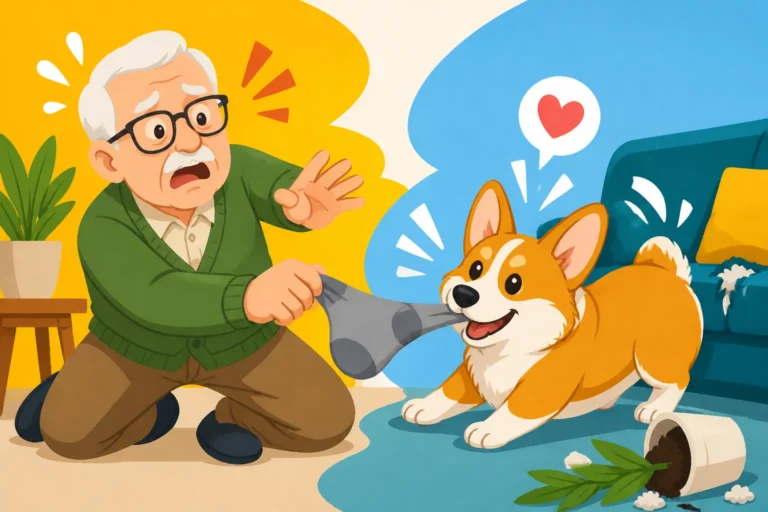
The Corgi's primary purpose was to move cattle by nipping at their heels, circling them, and driving them where the farmer wanted them to go. Imagine trying to get a stubborn cow to move – it requires confidence, persistence, and a certain amount of bossiness. These very traits are still alive and well in today's Corgis, even if their "flock" is now your family, the Roomba, or, yes, your cat. This means that a Corgi might try to "herd" your cat by circling it, staring intently, or even giving a gentle (or not-so-gentle) nip to the rear. It's not necessarily aggression, but rather an instinctual attempt to control movement, which, for a cat, can be incredibly stressful and even dangerous if the Corgi is too persistent or forceful. It's why owners often report A Corgi Herding the Family Cat as a common behavior.
What might seem like playful chasing to some owners is often a manifestation of this herding drive. Your Corgi isn't just playing tag; they're attempting to control the cat's direction and speed. This can escalate if the cat runs, which only triggers the Corgi's chase instinct further. Understanding that this isn't necessarily malice, but rather an instinct, is the first step in managing it. It’s also why simply telling your Corgi “no” might not be enough; you need to redirect that powerful, ancient drive.
Prey Drive vs. Herding Drive
It's crucial to distinguish between a Corgi's herding drive and a true prey drive, though they can sometimes look similar and certainly overlap. A strong prey drive means the dog sees the cat as something to hunt, capture, and potentially kill. This is a much more dangerous scenario. While Corgis can have a prey drive, especially towards small, fast-moving creatures, their primary instinct is to control movement, not necessarily to destroy. However, a panicked cat fleeing at top speed can easily trigger a stronger, more predatory response in some Corgis.
A Corgi with a high herding drive might be loud and boisterous, constantly attempting to push the cat around. A Corgi with a high prey drive might be more silent, stalking, and then suddenly pouncing with intent to harm. It's important to observe your Corgi's body language closely. Is it barking and circling, or is it silently fixated, low to the ground, with rigid posture? The latter is far more concerning. While it's relatively rare for a Corgi to actively kill a cat, especially one it's been introduced to carefully, the possibility of serious injury from a determined chase and subsequent roughhousing cannot be ignored. The potential for A Corgi That Nips Running Children illustrates how quickly their herding instincts can manifest into physical contact with anything they perceive as part of their "flock" to control.
Introducing a Corgi to a Feline Friend
The introduction phase is arguably the most critical period when bringing a Corgi and a cat together. This isn't a "throw them in and see what happens" situation; it requires meticulous planning, patience, and a deep understanding of both animals' stress signals. Rushing this can lead to lifelong animosity, fear, or even injury.
Puppyhood Introductions vs. Adult Dog Introductions
Introducing a Corgi puppy to an existing cat usually offers the best chance for long-term harmony. Puppies are generally more adaptable and open to new experiences, and they haven't yet fully developed their strong herding instincts. A cat, especially a confident one, can often "train" a puppy by setting boundaries with a hiss, a swat (claws retracted, hopefully!), or simply by walking away. This early exposure teaches the Corgi puppy that cats are not livestock to be herded, but rather respected housemates. You’ll want to ensure you are Getting a Corgi Puppy Used to the World in a safe and structured manner, which includes positive interactions with cats.
However, even with a puppy, constant supervision is key. A puppy might be curious and playful, but its sharp puppy teeth and boundless energy can still injure a cat, especially if the cat is older, frail, or particularly timid. Never leave a Corgi puppy and a cat unsupervised, even for a moment, until you are absolutely certain of their peaceful co-existence. Introducing an adult Corgi to a cat, or a new cat to an adult Corgi, is often more challenging. Adult dogs come with established habits and potentially past experiences with cats (good or bad). Their herding instincts are fully developed. This scenario requires an even slower, more controlled approach, focusing on positive associations and immediate redirection of unwanted behaviors.
Gradual, Controlled Encounters
The golden rule for introductions is "slow and steady wins the race." Start with scent swapping. Allow the cat to explore an area where the Corgi has been, and vice-versa, before they even see each other. Place a blanket the Corgi has slept on in the cat's area, and a blanket from the cat's bed in the Corgi's crate. This allows them to become familiar with each other's scent without the stress of a face-to-face meeting.
Once they're accustomed to each other's scent, move to visual introductions through a barrier. A baby gate across a doorway is ideal. This allows them to see each other from a safe distance, without physical contact. Keep these initial visual sessions very short and always positive. Offer high-value treats to both animals while they are calmly observing each other. If either animal shows signs of stress (hissing, growling, rigid body language, flattened ears, staring), end the session immediately and try again later. Never force interactions. Over time, you can increase the duration of these sessions. Consider using a long leash for the Corgi during initial barrier-free meetings to maintain control, but ensure it's not so tight that it creates tension. Always ensure the Corgi is focused on you and not obsessively fixated on the cat.
Creating Safe Spaces for Both
Providing safe, accessible retreats for both your Corgi and your cat is non-negotiable for a successful multi-pet household. For the cat, vertical space is paramount. Cat trees, shelves, and elevated perches are not luxuries; they are essential tools for feline safety and peace of mind. A cat needs to know it can escape to a place where the Corgi cannot reach it, a true sanctuary from any unwanted attention. Many pet supply retailers, like Chewy, offer a fantastic selection of sturdy cat trees that can accommodate even the most adventurous feline escape artist.
For the Corgi, a crate can serve as a vital safe space, especially during initial introduction phases or when you need to supervise interactions more closely. It’s also crucial for managing a Corgi who might be under Crate Rest for a Corgi With a Bad Back, providing a secure zone away from the cat. When the cat feels secure in its ability to retreat, it will be less likely to become defensive or aggressive. Similarly, a comfortable, dedicated bed for your Corgi gives them a sense of security and ownership in the shared space. These safe zones help reduce overall stress levels for both animals, fostering an environment of mutual respect rather than constant vigilance.
Managing the Multi-Pet Household Dynamics
Once initial introductions are (mostly) successful, the real work of managing the ongoing dynamics begins. It's not a one-time event; it's a continuous process of observation, training, and adjustment. Think of it as cultivating a delicate garden – you need to prune, water, and protect it regularly to ensure it thrives.
Establishing Boundaries and Rules
Clear boundaries and consistent rules are essential for preventing conflicts. This means teaching your Corgi to respect the cat's personal space and vice-versa, as much as possible. A key rule might be: "No chasing the cat." This is easier said than done with a herding dog, but it's achievable through consistent positive reinforcement and redirection. When your Corgi calmly observes the cat, reward them. If they start to fixate or stalk, interrupt the behavior immediately with a positive command like "leave it" or "come," and then reward for compliance. This is a continuous training process, much like trying to teach Training a Corgi That Makes Its Own Decisions.
It's also important to manage physical access. Baby gates are your best friend here. Use them to create cat-only zones where your Corgi cannot go. This might be a laundry room, a bedroom, or an entire floor of the house. Ensure the cat has a way to get over or through the gate that the Corgi doesn't. You can find excellent options for pet gates, including those with small cat doors, on sites like Chewy, which can be invaluable for maintaining separation when needed. This prevents the cat from feeling trapped and gives them the mental space to relax without a Corgi constantly in their line of sight.
Feeding and Resource Guarding
Food is a common flashpoint for conflict in multi-pet households. A Corgi, like many dogs, can be very food-motivated and may view the cat's food as fair game. To prevent issues, feed your cat in a location where your Corgi cannot access it. This could be on a high shelf, inside a cat-gated room, or even in a sturdy cat feeding station that only the cat can enter. This protects the cat's food and prevents your Corgi from gorging on cat food, which can lead to digestive upset and unnecessary weight gain. Always feed your Corgi in their own designated spot, ideally in their crate or a separate room, to minimize any potential for resource guarding.
Beyond food, other resources like toys, beds, and even prime napping spots can become points of contention. Ensure both animals have their own, clearly defined items. Provide multiple cat beds and dog beds throughout the house. Offer different types of toys that appeal to each species. If you notice any signs of resource guarding – your Corgi hovering over the cat's toys, or the cat swatting at your Corgi near its food bowl – intervene immediately. This often requires separating the animals during feeding times and ensuring there are always enough resources to go around without competition.
Ongoing Supervision and Training
You simply cannot set it and forget it when you have a Corgi and a cat living together. Consistent, ongoing supervision is paramount, especially in the early years. You need to be the peacekeeper, the mediator, and the enforcer of household rules. This means actively observing their interactions, praising good behavior, and gently correcting undesirable ones. Remember that The Cattle-Driving Nip a Corgi Still Has can be directed at anything that moves in an unpredictable way, including a scampering cat.
Enroll your Corgi in obedience classes to strengthen commands like "sit," "stay," "leave it," and a solid "recall." These commands are invaluable for managing your Corgi around the cat. If your Corgi is highly aroused by the cat, redirect their attention to a fun training game or a puzzle toy. Regular mental and physical exercise for your Corgi is also vital. A bored Corgi with pent-up energy is much more likely to harass a cat. Engage them with interactive toys, regular walks, and mental stimulation games. Providing The Job a Corgi Needs Instead of Herding You can channel their instincts into appropriate activities. The more you can redirect their natural drives, the less likely they are to focus those drives on your feline companion.
Common Challenges and Solutions
Even with the best intentions and meticulous planning, you're bound to encounter bumps in the road. Both Corgis and cats have strong personalities, and it's rare for them to become best friends overnight. Understanding common challenges can help you address them proactively and prevent them from escalating.
The Corgi Herding the Cat
This is perhaps the most frequent challenge when housing a Corgi with a cat. Your Corgi sees a moving furry object and its ancient instincts kick in. It starts to circle, maybe bark, and occasionally gives a little nudge or nip. For the cat, this is terrifying and exhausting. The key here is prevention and redirection. Never allow your Corgi to practice this behavior. The moment you see the intense stare, the low crouch, or the start of a circle, interrupt it immediately. Use a firm "No!" or a "Leave it!" command. Immediately redirect your Corgi to an appropriate activity, like a training session, a puzzle toy, or a game of fetch (away from the cat).
Consistency is crucial. Every time the Corgi tries to herd, you must intervene. This teaches them that this behavior is not acceptable. Provide plenty of opportunities for your Corgi to engage their herding instincts in a constructive way, such as with herding balls or supervised play that mimics herding behavior with appropriate toys. This can help satisfy that innate drive without terrorizing the cat.
Cat Reactivity and Fear
Sometimes, the problem isn't just the Corgi; it's the cat's reaction. A very fearful or reactive cat can make the situation much harder. If your cat is constantly hiding, hissing, or swiping at the Corgi, it's a clear sign they are stressed and uncomfortable. You need to respect these signals. This might mean increasing separation again, even if you thought you were past that stage. Ensure your cat has ample escape routes and high perches. Consider consulting with your veterinarian about pheromone diffusers (like Feliway) that can help reduce feline stress.
Never punish your cat for hissing or swatting at the Corgi; they are simply communicating their boundaries. Instead, manage the environment to reduce the need for such defensive reactions. Ensure the Corgi is not allowed to rush or corner the cat. Over time, as the cat learns that it has safe spaces and that the Corgi's presence doesn't always mean trouble, their fear may lessen. It's a testament to the fact that success often means A Corgi in a House Full of Children and Animals requires careful management of all personalities.
When to Seek Professional Help
There will be times when despite your best efforts, the dynamic between your Corgi and cat just isn't working. If you're seeing persistent aggression from either animal, severe stress, injuries, or if you simply feel overwhelmed and unsure how to proceed, it's absolutely time to call in a professional. A certified professional dog trainer, a veterinary behaviorist, or a credentialed animal behavior consultant can provide tailored advice and hands-on guidance.
They can assess the specific behaviors, body language, and environmental factors unique to your household. They can help you implement a behavior modification plan, teach you advanced training techniques, and offer strategies to create a more harmonious environment. This isn't a sign of failure, but rather a responsible step towards ensuring the safety and well-being of all your beloved pets. Remember, your goal is a home where everyone, two-legged and four-legged, can thrive peacefully.
| Aspect of Co-existence | Best Practices for Success | Potential Challenges | Solutions & Management |
|---|---|---|---|
| Corgi Instincts | Understand herding drive, distinguish from prey drive. | Corgi chases/nips cat, cat stressed. | Redirect herding, provide alternative outlets for Corgi energy. |
| Introductions | Slow, gradual, scent swapping, visual barriers. | Rushing leads to fear/aggression. | Use gates, leashes, positive reinforcement with treats (found on Chewy). |
| Safe Spaces | Provide cat trees, elevated perches, Corgi crate. | Cat feels trapped, Corgi invades. | Multi-level cat structures, designated "cat-only" rooms, Corgi's crate. |
| Boundaries & Rules | "No chasing," "leave it" command for Corgi. | Corgi ignores commands, cat defensive. | Consistent training, immediate redirection, use of baby gates. |
| Feeding | Separate feeding areas, cat food inaccessible to Corgi. | Resource guarding, Corgi eating cat's food. | Feed cat on high surfaces or in separate, gated room. |
| Supervision | Constant observation, praise good behavior, correct bad. | Conflicts escalate when unattended. | Active management, professional help if issues persist. |
Disclaimer
This article is for general informational purposes only and does not constitute professional advice. Laws, prices and regulations vary by location and change over time. Consult a qualified professional for guidance on your specific situation.