Dookie and the First Royal Corgi
For many of us who adore Corgis, the image of Queen Elizabeth II surrounded by her beloved, short-legged companions is absolutely iconic. But have you ever wondered how this extraordinary love affair between the British monarchy and the Corgi breed actually began? It wasn't always a given, and the story starts with one very special dog named Dookie, who unexpectedly captured the hearts of a royal family and, in doing so, changed the breed's destiny forever. This guide will delve into Dookie's fascinating story and the indelible mark he left on history.
The Monarchy's Canine Companions Before Dookie
Before the arrival of a certain charming Corgi, the British monarchy, like many aristocratic families throughout history, had a long and varied tradition of keeping dogs. These furry companions often served multiple roles, from loyal hunting partners to symbols of status, and, of course, cherished family members. The idea of royal dogs was certainly not new, but the type of dog and their integration into public life would evolve dramatically.
A History of Royal Pets
Throughout centuries, various breeds have graced the royal households of England. We're talking about everything from stately mastiffs and elegant greyhounds, often kept for their prowess in the hunt or their majestic appearance, to smaller, more decorative breeds like King Charles Spaniels, named for their fond association with King Charles II. These dogs were frequently depicted in portraits, given elaborate names, and lived lives of considerable comfort, albeit often within strict hierarchical structures. They were part of the tapestry of court life, sometimes even seen as diplomatic gifts or symbols of alliance. However, their presence, while acknowledged, rarely sparked the kind of widespread public adoration that would later become synonymous with the royal Corgis. It was more about tradition and personal indulgence than a national obsession.
For instance, Queen Victoria, a well-known dog lover, had many pets, including a beloved white Pomeranian named Marco, and various terriers and collies. Her devotion to her dogs was deeply personal, but the public connection to specific breeds wasn't quite the same as it would become. The dogs were her companions, rather than becoming symbols of the monarchy itself in the public eye. The dynamic was about to shift, making space for a new kind of royal pet, one that would become as recognizable as the palaces themselves.
The Shift Towards Personal Breeds
As the 20th century dawned, there was a subtle but significant shift in how royal pets were perceived and chosen. The stiff formality of Victorian times began to loosen, and there was a growing public interest in the personal lives and preferences of the royal family. This meant that the dogs chosen by royals started to reflect more of their individual personalities and family dynamics rather than strictly adhering to historical precedent or utility. The idea of a "pet" became more about companionship and less about a status symbol or working animal, even if the latter was their original purpose.
This changing sensibility opened the door for breeds that might not have been traditionally associated with royalty. Instead of exclusively grand hunting dogs or dainty lapdogs, royals began to embrace breeds that resonated with them personally. This newfound freedom in choice was crucial, as it set the stage for a less conventional, yet ultimately iconic, addition to the royal menagerie. This meant that when a particular breed, known for its charm and intelligence, was introduced to a young princess, it had the potential to truly capture hearts and minds, both within the palace walls and far beyond.
Dookie's Grand Entrance: A Gift to the Duke of York's Daughters
The story of the royal Corgis truly begins in the 1930s, a time when the British monarchy was navigating an era of immense change, and the public's fascination with their everyday lives was growing. It was into this world that a small, but mighty, dog would make his indelible mark, not just as a pet, but as the catalyst for a canine dynasty.
The Arrival of the First Royal Corgi
The year was 1933, and the Duke of York, who would later become King George VI, decided to bring a new companion into his family. This wasn't just any dog; it was a Pembroke Welsh Corgi puppy, a gift for his young daughters, Princess Elizabeth and Princess Margaret. This particular pup was named Dookie, and his arrival at the Royal Lodge in Windsor was a genuinely momentous occasion, though no one could have predicted its long-term significance at the time. He was purchased from a local kennels, and his selection was reportedly influenced by the Duke and Duchess's desire for a sturdy, intelligent dog that would be a playful companion for their active young girls.
Dookie quickly became an integral part of the family, bounding around the royal residence with all the typical Corgi enthusiasm. His presence was not merely a fleeting fancy; it was the start of something truly special. The sight of the future Queen Elizabeth II, even as a young girl, playing and training Dookie, captured the public's imagination, humanizing the monarchy in a charming and relatable way. Dookie's original name was actually Rozavel Golden Eagle, but the princesses, in their youthful wisdom, felt "Dookie" was a far more fitting moniker for their new canine friend.
A New Breed in the Palace
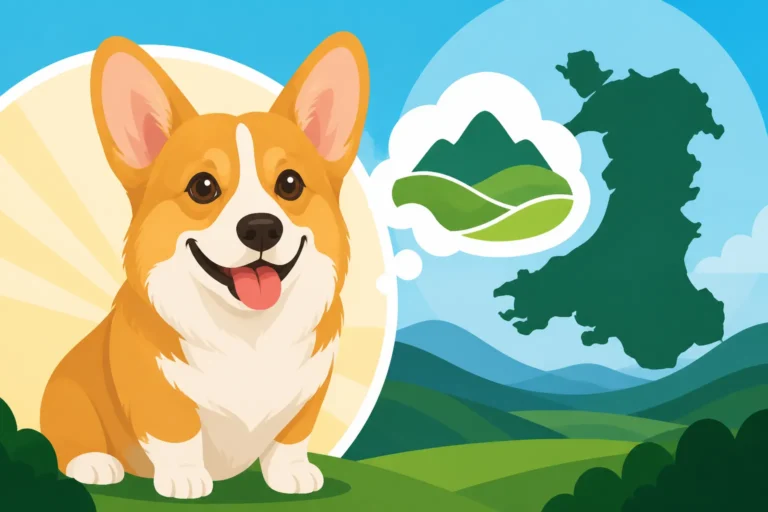
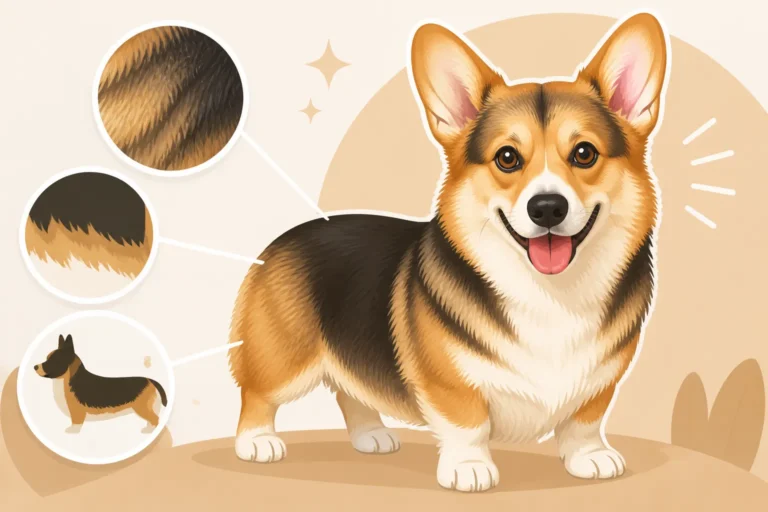
The choice of a Pembroke Welsh Corgi was, in many ways, quite progressive for the time within royal circles. While dogs were always present, Corgis were still relatively new to widespread popularity, especially in comparison to more established breeds. The Pembroke Welsh Corgi, a breed with a fascinating history as a cattle-herding dog in Wales, was known for its intelligence, sturdy build, and distinctive, foxy appearance. Their low-slung bodies, upright ears, and alert expressions made them instantly appealing. The Cattle Dog Behind the Corgi delves into this fascinating working heritage.
Bringing a Corgi into the royal household introduced a dynamic, spirited presence that differed from the more sedate or formal breeds typically associated with royalty. Dookie's lively nature and independent streak, characteristic of his breed, added a layer of fun and spontaneity to the otherwise structured royal environment. This choice inadvertently put the Corgi breed firmly in the public spotlight, giving them an unprecedented platform. Imagine the delight of seeing these charming, characterful dogs interacting with the princesses, a stark contrast to the often-stilted public image of the monarchy. This marked a turning point, making the Corgi a breed to watch, and soon, to adore.
Dookie's Personality and Life at the Royal Lodge
Dookie wasn't just any Corgi; he was the first royal Corgi, and his personality played a huge role in cementing the breed's place in the hearts of the future Queen and her family. Life at the Royal Lodge was certainly grand, but Dookie ensured there was always a healthy dose of playful chaos and unconditional affection amidst the formality.
The Early Days with Princess Elizabeth and Margaret
From the moment Dookie arrived, he quickly endeared himself to Princess Elizabeth (the future Queen) and her younger sister, Princess Margaret. They were absolutely smitten. Dookie was reportedly a boisterous and playful puppy, full of the typical Corgi spirit – intelligent, sometimes a bit stubborn, but always eager for attention and games. The princesses took great joy in feeding him, walking him, and even undertaking basic training with him. This hands-on involvement fostered a deep connection, particularly for Princess Elizabeth, who developed an early and profound affection for the breed.
One can easily imagine the scene: two young princesses, giggling as Dookie enthusiastically chased a ball across the manicured lawns of the Royal Lodge, or patiently trying to teach him to "sit" with a tiny treat in hand. These weren't just pets; they were integral members of the family, providing comfort, companionship, and endless amusement during what would become tumultuous times leading up to World War II. Dookie was their personal fluffy shadow, a constant source of joy and an early lesson in responsibility and animal care, forging a bond that would last a lifetime.
Integrating into Royal Life
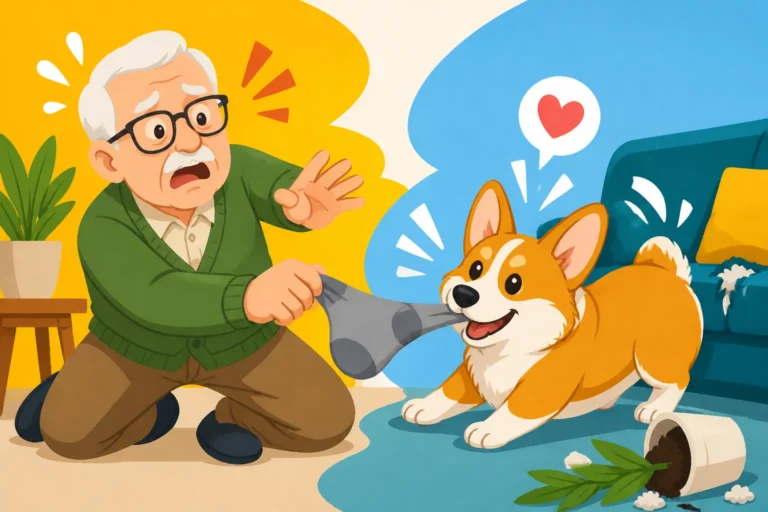
Bringing a Corgi, with all its herding instincts and vibrant personality, into the meticulously structured environment of a royal residence certainly presented its unique challenges and charms. Dookie wasn't a meek, retiring dog; he was a Corgi, which meant he had opinions and wasn't afraid to express them! He quickly settled into the routines of the Royal Lodge, but not without adding his own flair. It's often said that Corgis are big dogs in small packages, and Dookie certainly embodied this, navigating the grand halls and expansive gardens with confidence.
Reports from the era suggest Dookie was quite a character, occasionally displaying the breed's famous bossiness – perhaps trying to "herd" a footman or an unsuspecting guest! However, his charming antics were always met with affection and amusement. The staff, accustomed to the presence of various royal pets, quickly adjusted to Dookie's energetic presence. Even in a setting of immense privilege, his needs were met with care. Like any cherished pet today, he would have had his favorite sleeping spots, perhaps a cozy bed from a pet supply retailer like Chewy, and his meals would have been carefully prepared. Dookie wasn't just a dog living in a palace; he was a living, breathing part of the family, demonstrating that even amidst pomp and ceremony, there's always room for a loyal, four-legged friend.
Dookie's Enduring Legacy: Paving the Way for Susan
While Dookie was cherished in his own right, his most profound impact wasn't just in being the first royal Corgi, but in sparking a passion within a young princess that would shape the public image of a monarch and a breed for generations to come. He was the foundation, the spark that ignited a lifelong love affair.
The Deep Affection Sparked by Dookie
Dookie’s playful companionship and unwavering loyalty had a profound effect on Princess Elizabeth. Her interaction with him wasn't just a childhood phase; it developed into a deep, abiding affection and understanding of the Corgi breed. This early experience instilled in her a love that would last for over eight decades. She learned about their intelligence, their sometimes-stubborn independence, and their immense capacity for loyalty. Dookie was her first true dog love, and as many first pet owners know, that bond is uniquely powerful and often sets the stage for future animal companions.
This personal connection was vital. It wasn't merely that a Corgi was present in the palace; it was that Princess Elizabeth fell head over heels for the breed. This personal attachment transformed the Corgi from just another royal pet into an extension of the Princess's own identity and, later, the Queen's. This deep affection ensured that the Corgi would not be a one-off choice but the start of a royal tradition. It was Dookie who taught her the joys of Corgi ownership, the distinct patter of their little feet, the characteristic "woo-woo" greeting, and the comforting presence of a furry friend always by her side.
Dookie's Influence on Future Royal Corgis
Dookie's legacy truly solidified when Princess Elizabeth turned eighteen in 1944. It was then that she received her own Corgi, a female named Susan, as a birthday gift. Susan was not just any Corgi; she was a direct descendant of Dookie, or at least from the same line, cementing the continuity of the breed within the royal family. Which Corgi the Queen Got for Her Eighteenth Birthday elaborates on this pivotal moment. This wasn't a random selection; it was a conscious choice based on the Princess's profound love for Dookie and all the joy he had brought into her life.
Susan, in turn, became the foundation for the Queen's personal Corgi breeding program, leading to over 30 generations of royal Corgis descended from her. Susan and the Corgi Line That Followed details this incredible lineage. Without Dookie, there would have been no Susan, and without Susan, the enduring image of Queen Elizabeth II surrounded by her beloved Corgis might never have existed. He literally paved the way for every single Corgi that would grace the Queen's life, from Honey to Willow to Holly. His initial charm and the bond he formed with a young princess were the quiet, yet powerful, beginnings of an extraordinary canine legacy.
The Corgi's Rise in Public Consciousness
The royal family's affection for Corgis, ignited by Dookie, wasn't just an internal family affair. It rapidly blossomed into a global phenomenon, elevating the Corgi from a charming but lesser-known herding dog to one of the most recognizable and beloved breeds worldwide. This transformation was a testament to the power of royal endorsement.
Royal Endorsement and Breed Popularity
Once the public saw photographs and newsreels of Princess Elizabeth and Princess Margaret with Dookie, and later with Susan, the Corgi breed’s popularity skyrocketed. People wanted to own the same charming, intelligent dogs that delighted the royal princesses. This was a powerful form of celebrity endorsement, far more impactful than any advertising campaign. Suddenly, Corgis were no longer just Welsh farm dogs; they were the companions of future queens, imbued with a certain regal charm and appeal. Breeders saw an increased demand, and Corgi registrations soared in the UK and internationally.
This was especially true in the years following World War II, when news of the royal family provided a much-needed sense of continuity and comfort. The sight of the Queen with her distinctive pack of Corgis became a symbol of British steadfastness and warmth. This royal seal of approval meant that Corgi puppies, their quirky personalities and short legs, became highly sought after by families across social strata. Many aspiring Corgi owners would seek out their own furry companions, often starting their search online through trusted pet retailers like Chewy, eager to bring a bit of royal charm into their own homes.
The "Royal Corgi" Image
The image of the "Royal Corgi" became firmly etched into popular culture, an instantly recognizable symbol of the British monarchy alongside Buckingham Palace and Beefeaters. Dookie, as the pioneer, was the first to contribute to this iconic status, followed by Susan and her descendants. These dogs weren't just pets; they were unofficial ambassadors. Tourists visiting London would look out for them, and they frequently appeared in official portraits, commemorative items, and even satirical cartoons. What the Queen's Corgis Did to the Breed's Popularity details this significant cultural impact.
The breed’s distinctive look—those perky ears, foxy faces, and short, powerful legs—combined with their confident and often mischievous demeanor, made them perfect subjects for media attention. They were seen as dogs with personality, reflecting a relatable, down-to-earth side of the royal family. This enduring image continued throughout Queen Elizabeth II’s reign, right up until her final years, solidifying the Corgi as arguably the most famous and beloved breed associated with any head of state. Dookie started it all, initiating a tradition that brought joy to a monarch and captivated millions worldwide.
Key Royal Corgis and Their Significance
The lineage of royal Corgis is a rich tapestry, and understanding how Dookie fits into the broader picture helps us appreciate his pioneering role. While many Corgis followed, each beloved by the Queen, Dookie's arrival marked the true beginning.
| Corgi Name | Arrival Year | Significance | Connection to Queen Elizabeth II |
|---|---|---|---|
| Dookie | 1933 | First Corgi in the Royal Household | Pet of Princess Elizabeth & Margaret |
| Susan | 1944 | Queen's 18th birthday gift; founder of royal Corgi dynasty | Her personal dog & breeding foundation |
| Sugar | ~1949 | One of Susan's first puppies; accompanied Queen on tours | Directly descended from Susan |
| Honey | ~1960s | Descendant of Susan; notable for appearing in photos | Direct lineage, often seen with Queen |
| Willow | ~2003 | Last descendant of Susan's line; passed away 2018 | Direct lineage, one of Queen's last |
| Holly | ~2003 | Littermate of Willow; passed away 2016 | Direct lineage, one of Queen's last |
As you can see, Dookie stands alone as the initial spark. While Susan began the direct line that the Queen cherished for decades, Dookie was the one who first introduced the breed to the young princesses and fostered that initial, critical connection. His place in history as "the first royal Corgi" is undeniable.
The Cultural Impact and Lasting Legacy of the Royal Corgi Phenomenon
The story of Dookie and the subsequent generations of royal Corgis isn't just a charming anecdote about a monarch and her pets; it's a significant chapter in both canine history and the public perception of the British royal family. The impact of these short-legged, long-backed dogs permeated popular culture in ways few other breeds ever have, solidifying their place in the hearts of millions around the globe.
Global Corgi Mania and Media Darling Status
From the moment Dookie and then Susan began appearing alongside the young princesses, and later Queen Elizabeth II, the Corgi breed became an international sensation. Their distinctive appearance, combined with their lively and often comically stubborn personalities, made them perfect media darlings. Photos and film clips of the Queen with her Corgis were regularly shared, presenting a softer, more approachable side of the monarchy. This exposure gave the breed an unparalleled boost in popularity, not just in the UK, but across the Commonwealth and beyond. Suddenly, Corgis were on calendars, postcards, and even cartoon characters.
The fascination with the royal Corgis only intensified over the decades. How Corgi Popularity Changed After The Crown is a great example of how this interest was rekindled even in modern times, with TV shows highlighting the Queen's special bond with her dogs. This media spotlight meant that Corgi traits – their loyalty, their bounciness, their deep barks – became familiar to people who might never have even encountered the breed in person. This widespread recognition fueled demand, and many families, inspired by the royal example, sought to welcome their own Corgi into their homes, often turning to reliable sources like Chewy for all their new puppy's needs, from food to bedding.
Shaping Public Perception of the Monarchy
Perhaps one of the most subtle yet profound impacts of Dookie and his royal successors was how they contributed to shaping the public perception of the British monarchy itself. In an institution often seen as distant and formal, the presence of the Corgis added an element of warmth, humanity, and relatable charm. The sight of Queen Elizabeth II, the sovereign, interacting playfully with her dogs, was a powerful image that resonated with people from all walks of life. It showed a woman who, despite her extraordinary duties, shared a simple, universal joy that many could understand: the love for a pet.
These dogs acted as "icebreakers," making the royals seem more accessible. They were a constant, comforting presence, providing a sense of continuity and tradition that spanned decades of the Queen's reign. The Corgis were not just pets; they were symbols of constancy and affection, embodying a beloved aspect of the Queen's private life that became publicly cherished. They humanized the Crown, bridging the gap between a regal figurehead and a loving dog owner. The lasting legacy of Dookie is truly immense, far beyond just being a cute puppy; he was the initial thread in a story that would weave itself into the fabric of British culture and global admiration for the delightful Corgi.
Disclaimer
This article is for general informational purposes only and does not constitute professional advice. Laws, prices and regulations vary by location and change over time. Consult a qualified professional for guidance on your specific situation.