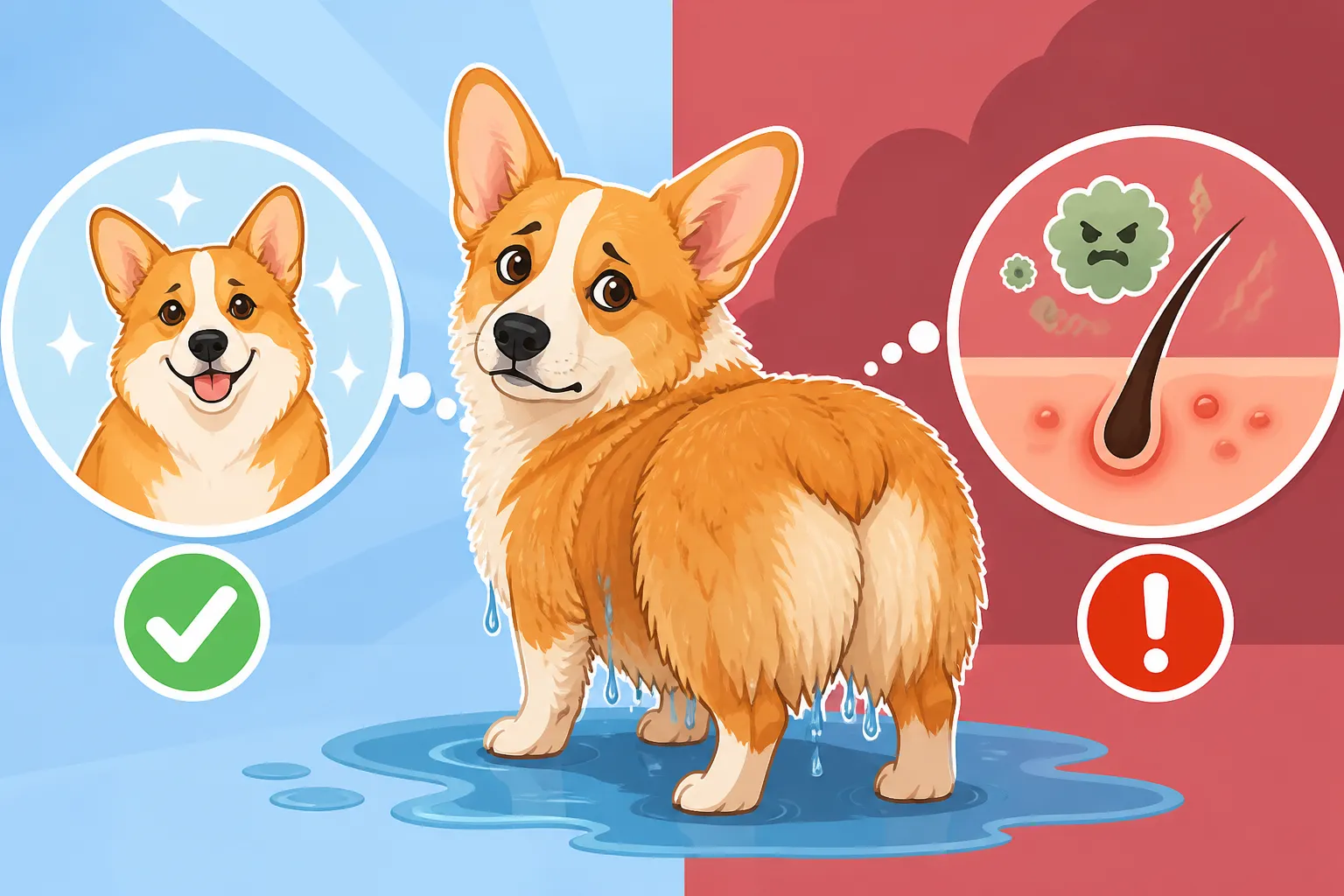
Whether a Damp Corgi Undercoat Causes Trouble
It’s a familiar sight for any Corgi owner: a happy, panting, low-riding floof that seems to attract every drop of water, every speck of mud, and every blade of damp grass on its adorable, short legs and belly. But beyond the immediate mess, many of us worry if that persistently damp undercoat is actually causing deeper problems for our beloved companions. This guide will walk you through the very real concerns associated with a wet Corgi undercoat and equip you with the knowledge to keep your furry friend healthy, dry, and comfortable.
Understanding the Corgi's Double Coat and Why it Holds Moisture
The Corgi’s coat is a marvel of natural engineering, perfectly designed for its original job herding cattle in the damp Welsh climate. However, what was an advantage in the fields can become a real headache in our homes if not managed correctly.
The Anatomy of a Corgi's Undercoat
Imagine wearing a thick wool sweater right next to your skin, with a water-resistant jacket over it. That’s essentially what your Corgi has! The outer layer, known as the guard hairs, is coarser, longer, and designed to repel water and dirt. It gives your Corgi that characteristic sleek, yet robust, appearance. Beneath this protective layer lies the undercoat: a dense, soft, fluffy insulation layer that keeps them warm in winter and helps regulate their body temperature in warmer months by trapping air.
This undercoat is incredibly efficient at its job – so efficient, in fact, that it can trap moisture like a sponge. When your Corgi gets wet, whether it's from a bath, a romp in the rain, or simply navigating dewy grass, that water seeps past the guard hairs and gets absorbed by the undercoat. It's like a damp, fluffy blanket clinging to their skin, and because the outer guard hairs are designed to repel rather than absorb, that moisture doesn't evaporate quickly on its own. It lingers, creating a perfect environment for potential issues. Many owners underestimate just How Much Hair a Twenty-Eight Pound Corgi Drops and how that density contributes to moisture retention.
How Moisture Gets Trapped and Lingers
Because Corgis are built so low to the ground, every puddle, every patch of wet grass, and even just a vigorous drink from the water bowl means their chest, belly, and legs are almost guaranteed to get damp. The sheer density of their undercoat, combined with the protective nature of their guard hairs, means that once water gets in, it tends to stay in. Air circulation is limited, especially if the coat isn't regularly brushed and free of loose undercoat.
Think about trying to dry a deep pile carpet by just letting it air dry in a humid room; it takes ages. Now imagine that carpet is wrapped around your dog, and you can understand the challenge. The warmth of their body can also contribute to creating a steamy, humid environment right against their skin. This isn't just uncomfortable; it creates a breeding ground for problems that many Corgi owners become all too familiar with. The dampness doesn't just sit on the surface; it penetrates right down to the skin, which is exactly where we start running into trouble.
The Real Risks of a Persistently Damp Undercoat
It's easy to think a damp dog will just "air dry," but for a Corgi, especially one with a thick, healthy undercoat, this simply isn't the case. Lingering moisture can lead to a host of uncomfortable and even painful health problems.
Skin Irritations and Infections
The warm, moist environment created by a damp undercoat is practically an open invitation for bacteria and yeast to throw a party on your Corgi's skin. This can lead to a number of unpleasant skin conditions. One of the most common issues is pyoderma, a bacterial skin infection that often manifests as red, itchy bumps, pustules, or scabs. Your Corgi might start scratching excessively, licking the affected areas, or even biting at their skin out of discomfort. These areas can quickly become painful and inflamed.
Another frequent culprit is yeast dermatitis, caused by an overgrowth of Malassezia yeast, which is naturally present on dog skin. When conditions are just right – like a perpetually damp, warm spot – this yeast can multiply rapidly, leading to intensely itchy, red, greasy skin, often accompanied by a distinct, yeasty odor. You might notice your Corgi constantly Itchy Skin Under a Corgi's Undercoat. These infections aren't just irritating; they can cause significant distress for your dog and often require veterinary intervention, including medicated shampoos, topical treatments, or even oral antibiotics or antifungals. Without proper drying, you’re constantly fighting an uphill battle against these persistent skin invaders.
Matting and Its Painful Consequences
When a Corgi’s undercoat gets wet and then dries without being thoroughly brushed out, it creates the perfect recipe for matting. The soft undercoat hairs intertwine and felt together, forming dense clumps that pull on your Corgi’s skin. These mats aren't just unsightly; they are incredibly painful. Imagine having your hair constantly tugged at, every time you move. That's what a Corgi with mats experiences.
Mats can form anywhere, but they are particularly common in areas where there's friction or persistent dampness, such as behind the ears, under the armpits, around the "trousers" on their hind legs, and especially on the belly. These dense mats can also trap even more moisture and debris against the skin, exacerbating skin irritations and creating hidden pockets for infection. Severe matting can restrict movement, cause skin tearing, and in extreme cases, even cut off circulation to areas of the skin, leading to necrosis. Removing mats can be a difficult, painful, and often expensive process, frequently requiring professional grooming and sometimes even sedation. It's far better to prevent them by making sure your Corgi is properly dried and brushed after every encounter with water. You may notice Wet Patches That Turn Into Corgi Hot Spots developing in these matted areas.
Chilling and Overall Discomfort
Beyond skin health, a damp undercoat can simply make your Corgi downright uncomfortable. While their double coat is designed for insulation, if that insulation is wet, it can actually draw heat away from their body, leading to a chill. This is especially true after a bath or a cold, wet walk. Imagine being stuck in wet clothes on a breezy day; it's just miserable.
For a Corgi, this sustained chill can lead to shivering, lethargy, and a general feeling of being unwell. This discomfort can affect their mood, their willingness to play, and their overall quality of life. Young puppies and older Corgis with compromised immune systems or underlying health conditions are particularly vulnerable to feeling the effects of a persistent chill. Ensuring they are thoroughly dry isn't just about preventing skin problems; it's about making sure your Corgi is warm, happy, and ready to enjoy life, whether they’re snuggling on the couch or embarking on their next grand adventure around the living room.
| Potential Issue | Description | Common Symptoms | Prevention Strategy |
|---|---|---|---|
| Skin Infections | Bacterial (Pyoderma) or Fungal (Yeast Dermatitis) overgrowth | Redness, itching, pustules, scabs, greasy skin, odor | Thorough drying, regular grooming, appropriate shampoo |
| Matting | Tangled, matted fur pulling on skin | Pain, restricted movement, skin irritation, hidden dampness | Immediate drying, daily brushing, professional grooming |
| Chilling/Discomfort | Body heat loss due to wet fur | Shivering, lethargy, reluctance to move, general misery | Prompt and complete drying, warm environment after wetness |
| Hot Spots | Acute moist dermatitis, rapidly developing inflamed skin lesions | Red, oozing, painful patches, often self-inflicted | Immediate attention to dampness, preventing licking/chewing |
Practical Steps for Thorough Corgi Drying
Getting a Corgi thoroughly dry isn't just a quick towel rub. It requires a bit of technique and the right tools, especially when dealing with that dense undercoat. Ignoring this step can lead to the very issues we’ve discussed.
Essential Tools for the Job
Before you even think about getting your Corgi wet, make sure you have your drying arsenal ready. First up, you'll need highly absorbent towels. Microfiber pet towels are a game-changer because they can soak up significantly more water than regular cotton towels, cutting down on drying time considerably. You can find excellent options on Amazon or Chewy.
Next, consider a forced air pet dryer. Please, whatever you do, do not use a human hairdryer on your Corgi! Human hairdryers operate at much higher temperatures, which can easily burn your dog's skin, especially in areas with dense fur where heat can build up quickly. Pet dryers, on the other hand, produce a high volume of air at a safe, controlled temperature. This powerful airflow pushes water out of the coat rather than just blowing hot air around it. It’s the most effective way to get that undercoat dry down to the skin. Look for a variable speed model so you can adjust the intensity. A good quality deshedding brush or rake is also vital. This isn't just for grooming; it helps separate the damp undercoat hairs, allowing air to circulate more effectively during drying. Having a trusty brush on hand while drying can make all the difference in preventing mats. The Rake and Comb a Corgi Coat Actually Needs is a great resource for selecting the right tools.
The Art of Post-Bath Drying
After a bath, the goal is to get your Corgi dry, and I mean really dry, as quickly and safely as possible. Start with towel drying. Gently squeeze and blot the water out of the coat, rather than rubbing vigorously, which can tangle the fur and create mats. Work in sections, paying extra attention to the chest, belly, and "trousers." Replace soggy towels with dry ones as needed.
Once you’ve removed as much surface water as possible, it’s time for the forced air dryer. If your Corgi isn't used to it, introduce the dryer slowly, starting on a low setting and offering plenty of treats and praise. Never aim the nozzle directly at their face or sensitive areas. Work systematically, moving the dryer in sweeping motions across their body, lifting sections of fur with your free hand or a brush to expose the undercoat. You want to see the fur separating and the skin underneath becoming dry. Spend extra time on those areas that lie low to the ground and are prone to dampness. The key is patience; a truly dry Corgi is a happy, healthy Corgi. This process can take a good Getting a Corgi Dry Through the Undercoat.
Managing Wetness After Outdoor Adventures
It’s not just bath time that calls for diligent drying. Corgis, with their low stature, are magnets for outdoor dampness. A walk on a dewy morning, a stroll after a light rain, or a dip in a creek can leave their undercoat surprisingly saturated. Keep a designated "Corgi drying station" near your door. This could be a washable mat, a few old towels, and perhaps a smaller, handheld pet dryer.
As soon as you come in, immediately towel dry your Corgi, focusing on their belly, legs, and chest. For persistent dampness, especially if they’ve been truly soaked, don’t hesitate to use the forced air dryer for a quick blast, even if it’s just for 10-15 minutes, to ensure that undercoat isn't holding onto lingering moisture. This proactive approach prevents the dampness from settling in and causing problems later. It’s also wise to check their paws and the fur between their toes, as these areas can hold surprising amounts of moisture and debris. Remember that Whether a Corgi Needs Its Belly Dried After Rain is often a yes, not an option!
Preventing Dampness in the First Place
While thorough drying after getting wet is crucial, a proactive approach to managing your Corgi's coat and environment can significantly reduce the chances of a damp undercoat causing problems.
Proactive Grooming Routines
Regular grooming is your first line of defense against a damp undercoat becoming problematic. Brushing your Corgi, ideally several times a week, isn't just about managing their infamous shedding; it's about maintaining coat health. Regular brushing, especially with a deshedding rake or undercoat brush, removes dead and loose undercoat. This improves air circulation throughout the coat, making it less likely to trap moisture and also speeding up drying time if they do get wet. A well-maintained coat is a healthier coat.
During shedding seasons, which for Corgis often feels like all seasons because Why a Corgi Sheds All Year and Not Just Twice, daily brushing might be necessary. This also helps prevent mats from forming, which, as we know, can trap even more moisture. Consider adding a regular grooming appointment with a professional groomer who specializes in double-coated breeds. They have high-velocity dryers and expert techniques to ensure the undercoat is thoroughly cleared and dried, reaching depths you might struggle with at home. They can also recommend Shampoo That Suits a Thick Corgi Undercoat to help maintain skin health.
Environmental Considerations for a Low-Rider
Since your Corgi is essentially a furry, low-slung vacuum cleaner, their environment plays a huge role in how often they get damp. Take steps to minimize unnecessary exposure to wetness. If you have a yard, consider putting down gravel or pavers in high-traffic areas where mud tends to accumulate. This can reduce the amount of mud and dampness they pick up. During rainy weather, a dog raincoat or a waterproof "belly band" can be incredibly helpful for keeping their chest and belly drier during walks. While it won't keep them 100% dry, it significantly cuts down on the amount of water reaching that dense undercoat.
Indoors, be mindful of water bowls. If your Corgi is a messy drinker, consider a "no-drip" bowl or placing their bowl on a mat that absorbs spills, preventing their chest from constantly resting in wetness. After coming in from any wet outdoor excursion, even if it's just a quick potty break, make it a habit to quickly towel dry their belly, legs, and paws. This small routine can prevent a lot of headaches down the line. Remember, Mud and Grass on a Corgi Belly are unavoidable, but dampness doesn't have to be.
When to Seek Professional Help
Despite your best efforts, sometimes problems can still arise. If you notice persistent skin irritation, redness, a foul odor, excessive scratching, or any signs of developing hot spots, it's time to contact your veterinarian. These can be indicators of bacterial or yeast infections that require professional diagnosis and treatment. Don’t try to self-diagnose or treat severe skin issues, as this can delay proper care and worsen the problem.
Similarly, if you discover significant matting that you can't safely brush out yourself, a professional groomer or veterinarian can help. Attempting to cut out dense mats at home can be risky, potentially leading to accidental cuts to your Corgi's skin. A professional has the right tools and expertise to remove mats safely and with minimal discomfort. Regular vet check-ups are always a good idea to discuss any concerns you have about your Corgi’s coat or skin health. They can provide advice on everything from diet to supplements that might support a healthy coat and skin, further reducing the risk of issues stemming from dampness.
Disclaimer
This article is for general informational purposes only and does not constitute professional advice. Laws, prices and regulations vary by location and change over time. Consult a qualified professional for guidance on your specific situation.