Feeding a Corgi That Cannot Stand Long
It's incredibly distressing to watch your beloved Corgi struggle with something as fundamental as eating or drinking. As they age, or when conditions like degenerative myelopathy or disc disease set in, the simple act of standing at a food bowl can become a painful, wobbly, or even impossible task. This guide is here to offer practical, empathetic solutions to ensure your Corgi stays well-fed and hydrated, even when standing becomes a challenge.
Understanding Why Standing is a Challenge for Corgis
The unique physique of a Corgi, with its long back and short legs, makes it particularly susceptible to certain mobility issues. When these problems arise, the way your Corgi interacts with their environment, including their food and water bowls, must adapt. It's not just about physical pain; it's about dignity and maintaining a good quality of life.
Common Conditions Affecting Mobility
Several conditions can make standing for meals difficult for a Corgi. One of the most heartbreaking is Degenerative Myelopathy and the Corgi, a progressive neurological disease that slowly weakens the hind legs. As DM advances, a Corgi might lose coordination, scuff their paws, and eventually lose the ability to stand without support. This isn't just a physical challenge; it's an emotional one for both dog and owner.
Another common culprit is Intervertebral Disc Disease (IVDD), or a slipped disc. Disc Disease in a Long-Backed Corgi can cause sudden, intense pain, weakness, or paralysis, making any movement excruciating. Even conditions like Early Arthritis in a Corgi, particularly in the hips or spine, can make bending down or remaining stable difficult. Imagine trying to eat your dinner while your back or hips ache with every shift of weight. That's often what our Corgis are experiencing. Older Corgis, even without a specific diagnosis, might simply find their muscles weakening and their balance less reliable as they enter their senior years, making the sustained effort of standing to eat too much.
Recognizing the Signs of Discomfort
Your Corgi can't tell you in words that their back hurts when they bend to their bowl, or that their legs feel too weak to hold them steady. It's up to us, their devoted companions, to read the subtle (and sometimes not-so-subtle) cues they give us. You might notice your Corgi hesitating before approaching their bowl, or taking a much longer time to finish their meal, often lying down to eat rather than standing. They might shift their weight uncomfortably, or tremble slightly.
Perhaps you've seen them try to steady themselves against a wall or piece of furniture while eating. Sometimes, they might even skip meals if the effort feels too great. Keep an eye out for changes in their posture – an arched back, tucked tail, or a reluctance to extend their neck downwards. If you've ever had a bad back yourself, you know that bending forward can feel like torture. For a Corgi, lowering their head to the floor for a meal puts strain on their spine and hindquarters, exactly where many of these conditions manifest. Any sudden change in appetite or reluctance around meal times should prompt a closer look at their mobility and a conversation with your vet.
Practical Solutions for Elevated and Supported Feeding
Once you've identified that standing is an issue, the good news is there are many creative and effective ways to help your Corgi enjoy their meals again. The goal is to minimize strain, provide stability, and make the eating experience comfortable and safe.
Elevated Feeding Stations
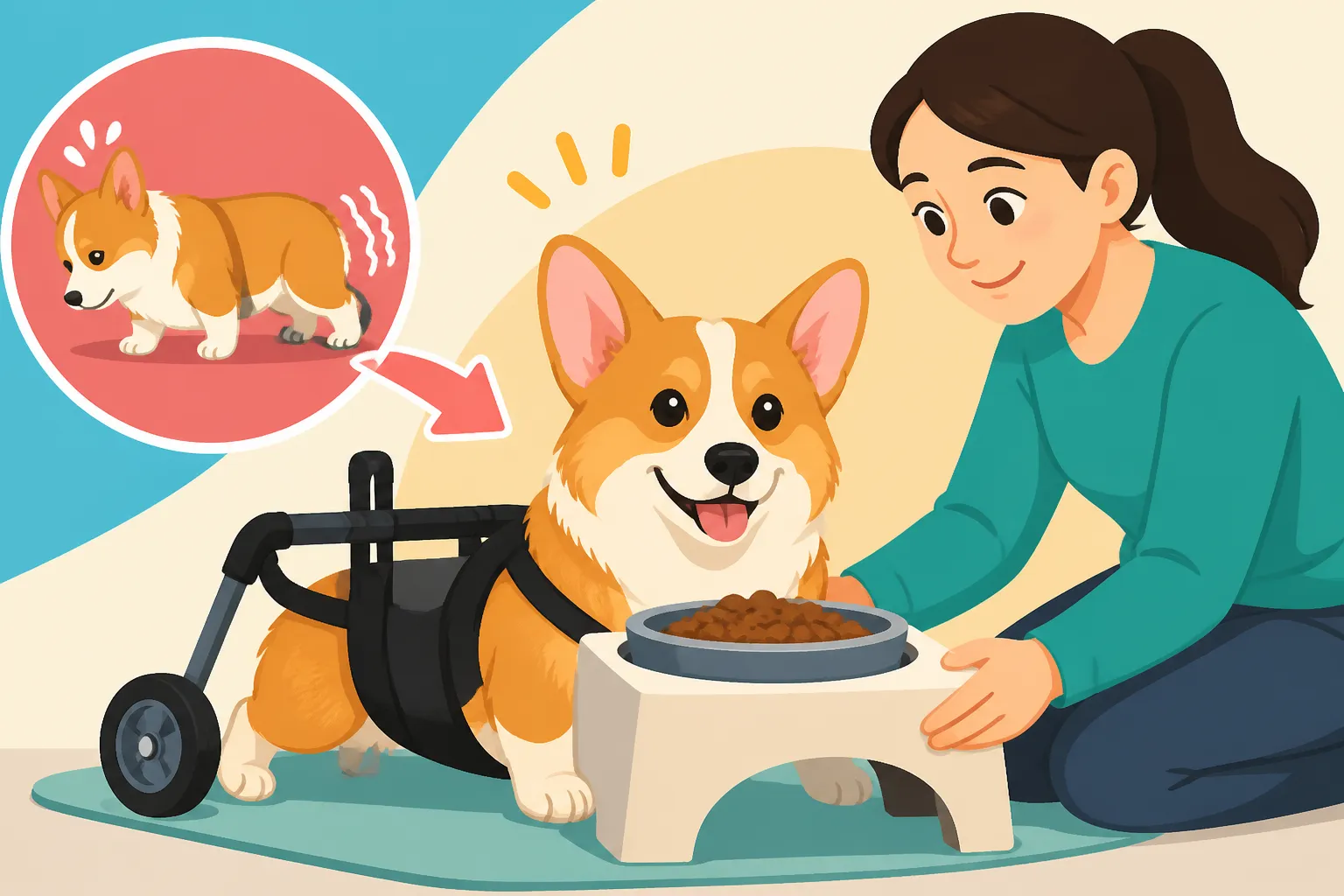
Elevated bowls are often the first port of call, and for good reason. They allow your Corgi to eat with their neck in a more natural position, reducing the need to bend excessively. This can alleviate pressure on the neck and spine, and for Corgis with joint pain in their hips or front legs, it means less weight-bearing for a prolonged period. When choosing an elevated feeder, look for one that is sturdy and adjustable. Adjustable height is key, as you want the bowl to be at a comfortable level where your Corgi can reach it without stretching too much, but also without having to bend their neck downwards.
Some models come with non-slip feet, which is a huge bonus on slick floors. Materials can range from wood to metal or plastic, but the most important thing is stability. You don't want the feeder to wobble or tip over if your Corgi bumps it. You can find a wide variety of these feeders on platforms like Amazon or Chewy, often with different bowl sizes to suit your Corgi's appetite. Remember, the right height can make all the difference between a strained meal and a comfortable one. It allows them to focus on eating rather than trying to balance or manage discomfort.
Support During Meal Times
Sometimes, even with an elevated feeder, your Corgi might need a little extra physical support. This is where you, as their dedicated caregiver, come in. For Corgis with hind leg weakness, a supportive harness with a handle, or a simple sling, can be invaluable. You can gently support their rear end, taking some of the weight off their struggling legs, allowing them to concentrate on eating.
Imagine using a walking sling or even just a towel placed under their belly. By holding the ends, you can provide a bit of lift and stability, making them feel more secure. This isn't just about physical support; it's also about the emotional comfort of knowing you're there for them. Some Corgis might even prefer to be held gently in a standing embrace while you hand-feed them, especially if they are particularly wobbly. If hand-feeding, make sure to bring the food directly to their mouth so they don't have to reach or stretch. This direct assistance can be a game-changer for Corgis experiencing advanced mobility loss. It's a testament to the bond you share that you're willing to go this extra mile for their comfort and well-being.
Adapting Bowls and Surfaces
Beyond elevating the bowls, think about the bowls themselves and the surface your Corgi stands on. Wide, shallow bowls can be easier to access, especially for Corgis who struggle to get their heads into deeper dishes. Some specialized bowls even have a slight incline or a lip on one side, making it easier for a dog to push food up towards them without having to chase it around the bowl.
Non-slip mats placed under the feeding station are absolutely essential. A Corgi with compromised mobility needs every bit of traction they can get. A slippery kitchen floor can be incredibly dangerous, turning a simple meal into a terrifying balancing act. Look for rubber-backed mats or even yoga mats that can provide a stable, grippy surface for their paws. This isn't just about comfort; it's about preventing falls that could lead to further injury, like a The Jump That Ruptures a Corgi Disc.
Consider the entire feeding environment. Is it in a high-traffic area where they might be bumped? Is there enough space for them to approach and turn around comfortably? Sometimes, simply moving the feeding station to a quieter, more secure corner can make a huge difference.
| Feeding Aid Type | Benefits | Considerations |
|---|---|---|
| Elevated Bowls | Reduces neck/back strain; aids digestion. | Must be stable and at correct height. |
| Support Harness/Sling | Provides physical stability; prevents falls; emotional comfort. | Requires active owner involvement during meals. |
| Non-Slip Mats | Enhances traction; reduces risk of slipping/falling. | Needs to be regularly cleaned; may shift if not heavy enough. |
| Wide/Shallow Bowls | Easier access for low-set Corgis; less head-bending. | May require more frequent refills for water. |
| Incline/Lipped Bowls | Helps Corgi gather food without chasing it. | Can be harder to clean depending on design. |
Hydration and Medication Strategies
Feeding is one thing, but ensuring your Corgi stays hydrated and receives their necessary medications is equally critical when mobility is limited. Dehydration can quickly become serious, and missed medications can undermine their recovery or management plan.
Ensuring Adequate Water Intake
Just like with food, bending down to a water bowl can be a struggle for a Corgi that cannot stand long. This means you need to be proactive about their water intake. Multiple water stations around the house, all with elevated bowls, can help. This reduces the distance they need to travel and the effort required to reach a drink. Don't assume they'll make the trek to a single bowl in the kitchen.
Consider a water fountain designed for pets, which can entice some dogs to drink more due to the moving water. Some Corgis might even prefer drinking from a pet-specific water bottle, especially if you can hold it for them while they are lying down or in a supported position. Adding a little water or low-sodium broth to their kibble can also significantly increase their daily fluid intake. If your Corgi is on any form of Crate Rest for a Corgi With a Bad Back, or has extremely limited movement, you might need to bring the water to them periodically throughout the day. A routine of offering water every hour or two can prevent dehydration.
Administering Medications
Giving medications to a dog that is in pain or uncomfortable, and perhaps grumpy about their limitations, can be a real challenge. For pills, try hiding them in highly palatable treats. Many Corgis respond well to cheese, a dollop of peanut butter, or even a small piece of hot dog. The key is to make it a positive experience, not a wrestling match. If your Corgi is struggling with appetite, consult your vet about compounding pharmacies that can turn medications into liquid forms or flavored chewables, which are often much easier to administer.
For liquid medications, using a syringe to gently squirt the liquid into the side of their mouth (between their cheek and gums) can work well. Make sure their head is tilted slightly upwards so they swallow it. Always praise and reward them afterward to create a positive association. If they are on pain relief, ensuring they get their doses consistently is vital for their comfort and ability to move, even minimally. Consistency is your best friend here, as their comfort directly impacts their willingness to eat and drink.
Dietary Adjustments for Reduced Activity
When a Corgi can't stand for long, it's often a sign of reduced activity levels overall. This has significant implications for their diet and general health, particularly for a breed prone to weight gain.
Calorie Needs and Weight Management
One of the biggest concerns for a Corgi with limited mobility is maintaining a healthy weight. A Corgi's natural tendency to gain weight, coupled with decreased exercise, can quickly lead to obesity. Even a few extra pounds put immense strain on an already compromised spine and joints, exacerbating conditions like IVDD or arthritis. Why Corgi Weight Is a Spinal Problem is something every owner needs to understand intimately.
It's absolutely crucial to monitor their calorie intake meticulously. You might need to significantly reduce their daily food portion compared to an active Corgi. Work with your veterinarian to determine an appropriate The Body Condition Score a Corgi Owner Aims For and a precise calorie target. Remember, every treat counts! If you're using treats for medication or training, ensure they are low-calorie or accounted for in their daily food allowance. Some owners use services like Ollie, which provides fresh, portion-controlled meals, making calorie management easier to track. They can tailor a plan based on your Corgi's specific needs, including activity level.
Regularly weighing your Corgi is vital. It’s easy for weight gain to hide under their fluffy double coat, but even a slight increase can have a huge impact on their comfort and mobility. Don't just rely on guesswork; use a scale if possible, or have them weighed at vet visits.
Food Consistency and Ease of Digestion
With reduced activity, some Corgis might also experience changes in their digestive system. A softer food consistency can sometimes be easier to eat and digest, especially if they are struggling with dental issues or discomfort while chewing. You can easily soften kibble by adding warm water or low-sodium broth and letting it sit for a few minutes before serving.
Alternatively, consider switching to a high-quality wet food or a fresh food diet. These options often have higher moisture content, which also aids in hydration. If you're looking into fresh food, companies like Ollie offer human-grade ingredients and balanced recipes, which can be very appealing to dogs with decreased appetites or those needing a gentler diet. Always introduce new foods gradually over several days to avoid upsetting their stomach. The goal here is to make mealtime as easy, nutritious, and stress-free as possible, ensuring they get the vital nutrients they need without putting undue stress on their body.
Creating a Stress-Free Feeding Environment
Beyond the physical adjustments, creating an overall calm and safe feeding environment can greatly contribute to your Corgi's well-being, especially when they are already feeling vulnerable.
Quiet and Accessible Spaces
Think about where your Corgi eats. Is it in a bustling part of the house? Near a door where people are constantly coming and going? A Corgi with mobility issues, particularly one in pain or discomfort, might feel anxious or insecure in a high-traffic area. Moving their feeding station to a quiet, secluded corner of a room can provide them with the peace and privacy they need to eat without feeling rushed or stressed.
Ensure the path to their feeding spot is clear and easy to navigate. Remove any obstacles that might trip them or make them feel unsteady. If they are struggling to walk, minimizing the distance they need to travel to their food and water bowls is crucial. Perhaps you might set up multiple feeding stations in different areas of the house if they have favorite resting spots. The fewer steps they have to take, the better. This thoughtful placement demonstrates your understanding of their limitations and your commitment to their comfort.
Consistent Routines and Positive Reinforcement
Dogs thrive on routine, and a consistent feeding schedule can be particularly reassuring for a Corgi facing mobility challenges. Knowing when to expect their meals can reduce anxiety and encourage appetite. Try to feed them at the same times each day, creating a predictable rhythm.
Make meal times a positive experience. Even if you're helping them stand or hand-feeding, use a gentle, encouraging tone. Offer praise and gentle strokes. Avoid any scolding or frustration, as this can add to their stress and make them reluctant to eat. A Corgi with a compromised back or hind legs might already be feeling vulnerable, and your calm, reassuring presence can make a significant difference. Using a special verbal cue or a familiar phrase before presenting their food can also signal that a good experience is about to happen. This positive association can help maintain their appetite and enthusiasm for meals, even when physical challenges are present.
Long-Term Care and Monitoring
Addressing the immediate feeding challenges is important, but it's also crucial to integrate these strategies into a broader, long-term care plan for your Corgi. Their needs will likely evolve, and ongoing vigilance is key.
Regular Veterinary Check-ups
Even with all your best efforts at home, regular check-ups with your veterinarian are non-negotiable. Your vet can monitor their overall health, assess the progression of any underlying conditions, and make adjustments to pain management or other treatments. They can also provide guidance on What Slows Corgi Myelopathy Down or other conditions, and help you manage their weight effectively.
Be open with your vet about the feeding challenges you're facing. They might suggest specific dietary supplements, like those for joint health, or recommend changes to their medication regimen that could improve their comfort during meal times. These appointments are also an opportunity to discuss any new symptoms or concerns you might have about their mobility or general well-being. Early intervention and adjustments can make a significant difference in their quality of life.
Adapting as Needs Change
Mobility issues, especially those caused by progressive conditions, are often dynamic. What works today might need adjusting in a few months. Your Corgi's ability to stand might further decrease, or they might develop new areas of discomfort. Stay observant and be prepared to adapt your feeding strategies. This might mean adjusting the height of their bowls again, providing more direct physical support, or even transitioning to entirely different feeding methods, such as always hand-feeding them in a recumbent position.
Think about other aspects of their daily life that can indirectly impact feeding. Are they comfortable in their bed? An orthopedic bed can provide better support for their joints and spine, helping them rest better and potentially feel more comfortable during meal times. Ramps and steps around the house, like Ramps and Steps That Save a Corgi's Back, can reduce strain when they navigate between resting spots and their feeding area. The key is to remain flexible, empathetic, and always ready to tailor your care to your Corgi's evolving needs, ensuring their comfort and happiness through every stage of their life.
Disclaimer
This article is for general informational purposes only and does not constitute professional advice. Laws, prices and regulations vary by location and change over time. Consult a qualified professional for guidance on your specific situation.