How Slowly a Corgi Should Come Down in Weight
It’s a heartbreaking moment when you realize your beloved Corgi is carrying a few too many pounds. You look at their round little body, their sweet, begging eyes, and you know you want to help them feel better and live a longer, healthier life. The instinct might be to jump straight into a rigorous diet and exercise plan, hoping to see those extra pounds melt away quickly. But with a Corgi, whose unique physique makes them particularly susceptible to certain health issues, a rapid weight loss approach can actually do more harm than good. This guide is all about helping you understand the safe, sustainable pace for your Corgi's weight loss journey, ensuring their health and happiness every step of the way.
Understanding the "Why" Behind Slow and Steady Weight Loss for Corgis
When it comes to our Corgis, their well-being is paramount. Just like with humans, a sudden, drastic cut in calories or an overnight increase in intense exercise can throw their system into a tailspin. We're aiming for a lifestyle change, not a crash diet.
Why Rapid Weight Loss Is Dangerous for Dogs
Think about it from a metabolic perspective. When a dog loses weight too quickly, their body often sheds lean muscle mass along with fat. For a Corgi, who relies heavily on strong core and leg muscles to support their long back, this loss of muscle can be incredibly detrimental. It weakens the very structure that needs the most protection. Beyond muscle loss, rapid weight reduction can lead to nutritional deficiencies, disrupt metabolism, and even cause issues like hepatic lipidosis (fatty liver disease) in some smaller breeds, though this is more common in cats. It can also create an unhealthy cycle of weight loss and regain, as the body struggles to adapt to extreme changes. Our goal is to gently nudge their system into a healthier state, allowing their body to adjust gradually and sustainably.
The Impact of Weight on a Corgi's Unique Physique
Corgis are built like little tanks – compact, powerful, and undeniably adorable. But that distinctive long back and those short, sturdy legs, while perfect for herding cattle, also come with inherent vulnerabilities. Extra weight puts immense strain on their spine and joints. It's not just about looking chunky; it's about the physical burden every extra pound places on their intervertebral discs and their elbows, hips, and knees.
When a Corgi carries too much weight, the pressure on their spine increases exponentially. This can exacerbate existing disc issues or contribute to new ones, leading to painful conditions like intervertebral disc disease (IVDD). Their low-slung bodies also mean their joints are constantly working harder just to move around, increasing the risk of conditions such as Joint Damage From Corgi Weight Gain. A slow and controlled weight loss preserves vital muscle mass, which acts as a natural shock absorber and support system for their spine and joints. Without this muscle, even a healthy weight Corgi could be at risk. We want to ensure that as the fat melts away, the supportive muscle remains strong, or even improves, to protect their precious back.
Setting Realistic Goals and a Gentle Pace for Your Corgi
Embarking on a weight loss journey for your Corgi should always begin with a solid plan, and that plan needs to be rooted in realism and expert advice. It's not about making them skinny, but about getting them to their optimal, healthy weight.
Consulting Your Vet: The First and Most Crucial Step
Before you change a single scoop of food or add an extra minute to a walk, the very first stop should always be your veterinarian's office. Your vet can perform a thorough examination to rule out any underlying medical conditions that might be contributing to weight gain, such as thyroid issues, which could sabotage your efforts if left undiagnosed. They can also help you determine your Corgi's ideal weight and, critically, assess their current body condition score (BCS).
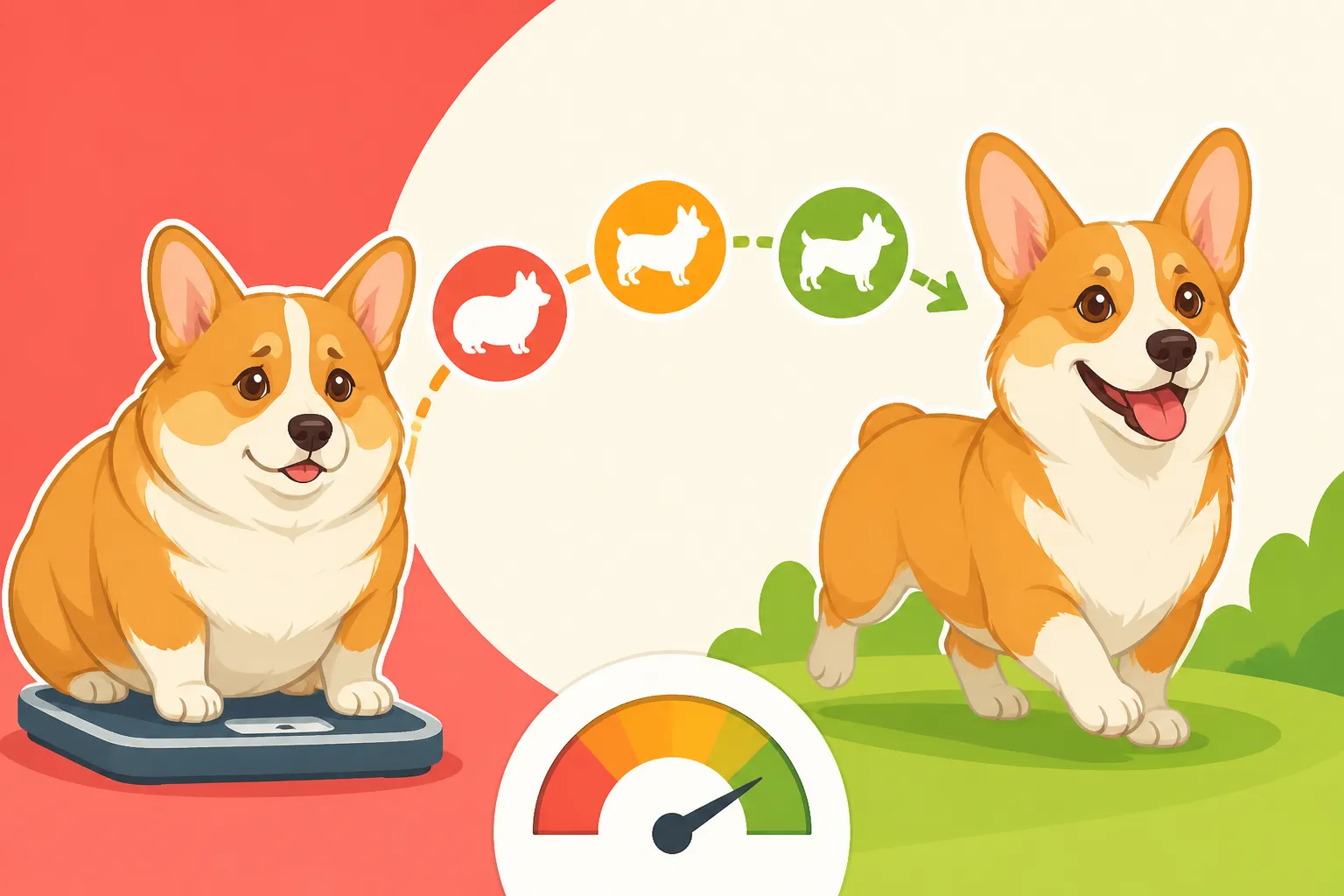
The BCS is a fantastic tool that goes beyond just numbers on a scale. It involves feeling your Corgi's ribs, checking their waistline (or lack thereof), and evaluating their overall shape. Your vet can help you understand The Body Condition Score a Corgi Owner Aims For and what an ideal score looks and feels like. They'll give you a professional opinion on where your Corgi stands on the scale of ideal to obese, and from there, they can help you set a safe, realistic target weight. This initial consultation is invaluable because it provides a customized roadmap for your individual Corgi, accounting for their age, activity level, and any existing health concerns. You might think your Corgi "should" weigh a certain amount, but your vet can give you the actual healthy range. Understanding What an Ideal Corgi Weighs is crucial for setting achievable targets.
Defining a Healthy Weight Loss Rate
Once you have your vet's assessment and an ideal target weight, the next step is to determine a healthy rate of loss. For most dogs, including Corgis, a safe and sustainable rate of weight loss is typically considered to be about 1% to 2% of their total body weight per week. Any faster than this and you risk the dangers we discussed earlier, like muscle loss or metabolic upset.
Let's put that into perspective. If your Corgi currently weighs 35 pounds and their ideal weight is 28 pounds, that means they need to lose 7 pounds. At a 1% to 2% weekly rate, they would lose approximately 0.35 to 0.7 pounds per week. This might not sound like a lot, especially when you're eager to see results, but trust me, it adds up safely and effectively over time. Losing 7 pounds at this pace could take anywhere from 10 to 20 weeks, or roughly 2.5 to 5 months. That's a marathon, not a sprint, and understanding this timeframe from the start will help manage your expectations and prevent frustration. It's about gradual progress, ensuring your Corgi's body adapts without stress.
Calorie Reduction: A Gradual and Measured Approach
The cornerstone of any weight loss plan is calorie management, but with a Corgi, it's about smart reduction, not starvation. Your vet will likely provide an initial daily calorie target based on your Corgi's ideal weight and activity level. This target should be a starting point. It's tempting to slash calories dramatically, but that's a recipe for a hungry, miserable Corgi and potential nutrient deficiencies. Instead, aim for a modest reduction, perhaps 10-20% less than what they are currently eating.
When you're dealing with small dogs like Corgis, every calorie counts. This is why it's absolutely crucial to weigh their food rather than scoop it. Why a Corgi's Food Is Weighed, Not Scooped is a concept many owners overlook, but a mere quarter-cup scoop can vary wildly in actual caloric content depending on how densely packed the kibble is. Investing in a digital kitchen scale (easily found on Amazon, for example) is one of the best tools you can buy for your Corgi's health. You'll be amazed at how much a seemingly small difference in kibble volume can impact their calorie intake.
If you're considering a change in their food, many brands offer weight management formulas that are lower in calories but higher in fiber to help them feel full. Companies like Chewy offer a wide selection of these specialized foods. Alternatively, some owners find success with fresh-delivered, portion-controlled meals, such as those from Ollie, which can often be precisely tailored to a dog's caloric needs. The key is consistency and accuracy. Adjust calories slowly, observe your Corgi's energy levels and hunger cues, and be prepared to fine-tune with your vet's guidance.
Implementing and Monitoring Your Corgi's Weight Loss Journey
Once you have your vet-approved plan, it’s time to put it into action. This phase requires consistency, attention to detail, and a whole lot of love. Remember, you’re building new habits for both you and your Corgi.
The Role of Diet in Controlled Weight Reduction
Diet is, without a doubt, the most significant factor in your Corgi's weight loss. It’s often said that weight loss is 80% diet and 20% exercise, and while both are vital, you can’t out-exercise a poor diet. Focus on high-quality dog food that provides balanced nutrition while managing calories. Look for foods that list lean protein as the first ingredient and have a good fiber content, which helps your Corgi feel fuller for longer without adding excessive calories.
One of the biggest diet saboteurs is often hidden in plain sight: treats and table scraps. Those little bites might seem harmless, but for a small Corgi, a few extra tidbits can quickly add up to hundreds of unwanted calories. The solution isn't to eliminate treats entirely, as they are crucial for training and bonding. Instead, incorporate them smartly. Use your Corgi's own daily kibble allowance as training rewards. If you do give treats, choose low-calorie options like small pieces of carrot, green beans, or specially formulated low-calorie dog treats. You can find a wide range of these on platforms like Chewy, making it easy to stick to your plan. If your vet recommends a prescription weight loss diet, companies like Chewy are excellent resources for purchasing these specialized formulas directly.
Gentle Exercise That Supports Weight Loss and Spine Health
While diet takes the lead, appropriate exercise is its essential partner, especially for a Corgi. The goal here isn't intense, high-impact workouts, but rather consistent, low-impact activity that burns calories and builds muscle without straining their vulnerable spine. Avoid activities that involve jumping, quick twists, or running up and down stairs, as these can put undue stress on their back. Whether a Corgi Should Ever Jump Off a Sofa is a common question, and the answer is generally no, especially when they are carrying extra weight.
Instead, focus on activities like controlled leash walks on varied terrain (grass, dirt, short pavement), and swimming if your Corgi enjoys it and you have a safe place for them. Swimming is fantastic because it's non-weight bearing, building muscle without joint impact. Start with short, frequent walks and gradually increase the duration as your Corgi's stamina improves. For example, if you start with two 10-minute walks a day, slowly work up to two 20-minute walks. Consistency is key here. Every little bit of movement helps burn calories and strengthen those crucial core muscles that support their spine. Remember, the idea is Taking Pounds Off a Corgi Without Cutting Exercise and not harming their back. You can find excellent harnesses that don't put pressure on their spine, or even sturdy ramps for the car or sofa on Amazon, which can help your Corgi get around safely during their weight loss journey.
Mental stimulation is also a form of "exercise" that can help prevent boredom-induced eating. Puzzle toys, scent work, and short training sessions (using those kibble bits!) can keep their minds engaged and their bodies moving without excessive physical strain.
Tracking Progress and Making Necessary Adjustments
Monitoring your Corgi's progress is empowering and ensures you stay on track. This means regular weigh-ins. Aim for once a week or every two weeks, always at the same time of day and on the same scale for consistency. Keep a simple log or use a journal to record their weight, food intake, and exercise. This helps you visualize progress and quickly identify any plateaus or unexpected changes.
Even under a thick Corgi coat, you can learn to spot subtle changes. Feel for their ribs; as they lose weight, you should be able to feel their ribs without pressing hard, like feeling the back of your hand. Their waistline, or tuck, should also become more apparent. It can be tricky to tell with all that fluff, but learning Spotting Weight Gain Hidden Under a Corgi Coat is a skill you'll master.
If your Corgi isn't losing weight at the expected rate (1-2% weekly), don't get discouraged. This is where your log comes in handy. Review it with your vet. Perhaps you need to slightly decrease calorie intake further, or increase the duration or intensity of their walks. Maybe an underlying factor is slowing progress. Regular check-ins with your veterinarian, such as The Annual Exam Where a Corgi's Back Gets Checked, are essential to adjust the plan as needed and ensure your Corgi remains healthy and happy throughout the process.
Here's a simple template for a Corgi Weight Loss Tracking Log:
| Date | Corgi's Weight (lbs) | Food Intake (g/cups) | Exercise Type & Duration | Notes/Observations |
|---|---|---|---|---|
| MM/DD/YYYY | 35.2 | 150g kibble | 2x 15min leash walks | Seemed energetic, no excessive begging |
| MM/DD/YYYY | 34.9 | 150g kibble | 2x 15min leash walks | Still eager for food, ribs slightly more palpable |
| MM/DD/YYYY | 34.6 | 145g kibble | 2x 20min leash walks | Adjusted food down slightly after vet consult |
| MM/DD/YYYY | 34.3 | 145g kibble | 2x 20min leash walks |
Common Challenges and How to Overcome Them
The journey to a healthier weight isn't always a straight line. There will be bumps, plateaus, and moments where you feel like you're getting nowhere. But with understanding and persistence, you can overcome these hurdles.
The Stubborn Scale: When Progress Stalls
It's utterly frustrating when you've been diligently measuring food, going for walks, and yet the scale stubbornly refuses to budge. This is a common phenomenon known as a plateau. It happens to dogs just as it does to humans. Don't immediately assume you're doing something wrong.
When progress stalls, it's a good time to re-evaluate everything. Are you still being absolutely precise with food measurements? Are those "just a little bit" extra treats creeping back in? Has your Corgi's activity level changed? Sometimes, as they lose a little weight, their metabolism adjusts, and their caloric needs shift slightly. This is an excellent moment to check in with your vet again. They might suggest a small further reduction in calories or a slight increase in activity. In some cases, especially if progress remains stubbornly slow, your vet might even recommend consulting a certified canine nutritionist or a specialized Whether a Weight Clinic Helps a Corgi Owner. These professionals can offer tailored strategies and help identify any overlooked factors. Remember, a plateau is just a temporary pause, not the end of the road.
Dealing with a Constantly Hungry Corgi
Corgis are notorious for their love of food, often acting as if they haven't eaten in days, even moments after a full meal. This constant begging can be a real challenge for owners trying to stick to a diet plan. It’s their herding drive manifesting as a relentless pursuit of food!
To combat the perpetual hunger cues, focus on strategies that increase satiety. High-fiber foods, as mentioned earlier, help them feel full. You can also incorporate certain low-calorie, high-fiber vegetables like green beans, carrots, or cucumber slices as approved snacks between meals. Puzzle feeders and slow-feeder bowls (widely available on Amazon or Chewy) are invaluable tools. They make your Corgi work for their meal, slowing down consumption and making the food last longer, which can satisfy their mental and physical needs without adding extra calories. Dividing their daily food allowance into several smaller meals throughout the day can also help manage hunger pangs. Lastly, increase mental enrichment activities. A bored Corgi is often a "hungry" Corgi. More playtime, training sessions, or engaging toys can distract them from their perceived hunger.
Preventing Rebound Weight Gain
Reaching your Corgi's ideal weight is a huge accomplishment, but the journey doesn't end there. The transition from weight loss to weight maintenance is critical to prevent rebound weight gain, which can be even more disheartening than the initial struggle.
Just as you slowly reduced calories, you'll need to slowly adjust their food intake to a maintenance level. This usually means a slight increase from their weight-loss calories, but it should still be carefully measured and monitored. Don't jump back to their old eating habits immediately. Continue to weigh their food daily and perform regular, perhaps monthly, weigh-ins. If you notice the scale creeping up, you can make minor adjustments quickly before it becomes a bigger problem.
Lifestyle changes should be permanent. Keep those ramps and steps in place to protect their back Ramps and Steps That Save a Corgi's Back, maintain a consistent exercise routine, and be mindful of treats. Remember that factors like age and spaying/neutering can affect a Corgi's metabolism. Adjusting Corgi Food After the Spay is often necessary, as spayed or neutered dogs typically require fewer calories. Be prepared to make small dietary tweaks throughout their life to accommodate these changes. By establishing these healthy habits and routines, you're not just helping your Corgi lose weight; you're setting them up for a longer, happier, and healthier life, free from the extra strain and risks associated with obesity. Understanding How Obesity Shortens a Corgi Life can be a powerful motivator for sustained effort.
Disclaimer
This article is for general informational purposes only and does not constitute professional advice. Laws, prices and regulations vary by location and change over time. Consult a qualified professional for guidance on your specific situation.