Cutting Calories While a Corgi Is Confined
It's incredibly frustrating when your active, bouncy Corgi suddenly needs to be confined, perhaps due to a back injury or another health issue. On top of managing their discomfort and boredom, you're now faced with a new challenge: how to keep their weight in check when their usual exercise routine is off the table. This guide will walk you through practical, empathetic ways to cut calories for your Corgi while they're on confinement, ensuring they maintain a healthy weight without feeling deprived.
Why a Confined Corgi Needs a Calorie Adjustment
When your Corgi is usually zooming around, herding imaginary cattle, or enjoying long walks, their body burns a certain number of calories just to maintain their daily energy levels. Confinement, whether it's crate rest, limited leash walks, or restricted play, dramatically reduces this energy expenditure. If their food intake doesn't decrease to match, weight gain is almost inevitable, and that can lead to a whole host of secondary problems.
The Impact of Reduced Activity on Metabolism
Think about it: a Corgi bred for herding is naturally energetic. Their metabolism is accustomed to burning through fuel. When that activity stops, their metabolic rate doesn't instantly plummet, but their overall caloric need certainly does. It’s like going from running a marathon every day to sitting on the couch; if you don't adjust your plate, those extra calories quickly turn into extra pounds. This isn't about punishing them for being injured; it's about supporting their recovery and long-term health.
The tricky part is that dogs don't always show immediate signs of this metabolic shift. They might seem just as hungry, or even more so, due to boredom or the stress of confinement. As a result, many well-meaning owners continue feeding the same amount, inadvertently setting their Corgi up for weight gain. It’s a subtle change, but one that can have significant consequences for a breed already prone to certain weight-exacerbated conditions.
Preventing Weight Gain and Its Risks
For a Corgi, extra weight isn't just a cosmetic issue; it's a serious health concern, especially when confinement is due to a musculoskeletal problem. Even a few extra pounds can place immense strain on their Disc Disease in a Long-Backed Corgi or other joints. This added pressure can hinder recovery, increase pain, and even lead to further injury. It's a cruel irony that the very thing meant to help them heal can lead to a complication that makes healing harder.
Beyond spinal issues, excess weight contributes to a higher risk of conditions like diabetes, joint problems (even outside of back issues), and heart strain. Imagine your Corgi trying to get around with a bad back, then add another five pounds to their already low-slung body. That's a huge burden. Preventing this weight gain is a proactive step in ensuring their comfort and speeding up their return to full health. As we often discuss, Why Corgi Weight Is a Spinal Problem is a critical concern for this breed.
Assessing Your Corgi's Current Diet and Needs
Before you can cut calories effectively, you need to understand where you're starting from. This involves taking an honest look at what your Corgi is currently eating and how that aligns with their body condition. It's not about blame; it's about gathering information to make the best decisions for your furry friend's health.
Calculating a New Baseline Caloric Intake
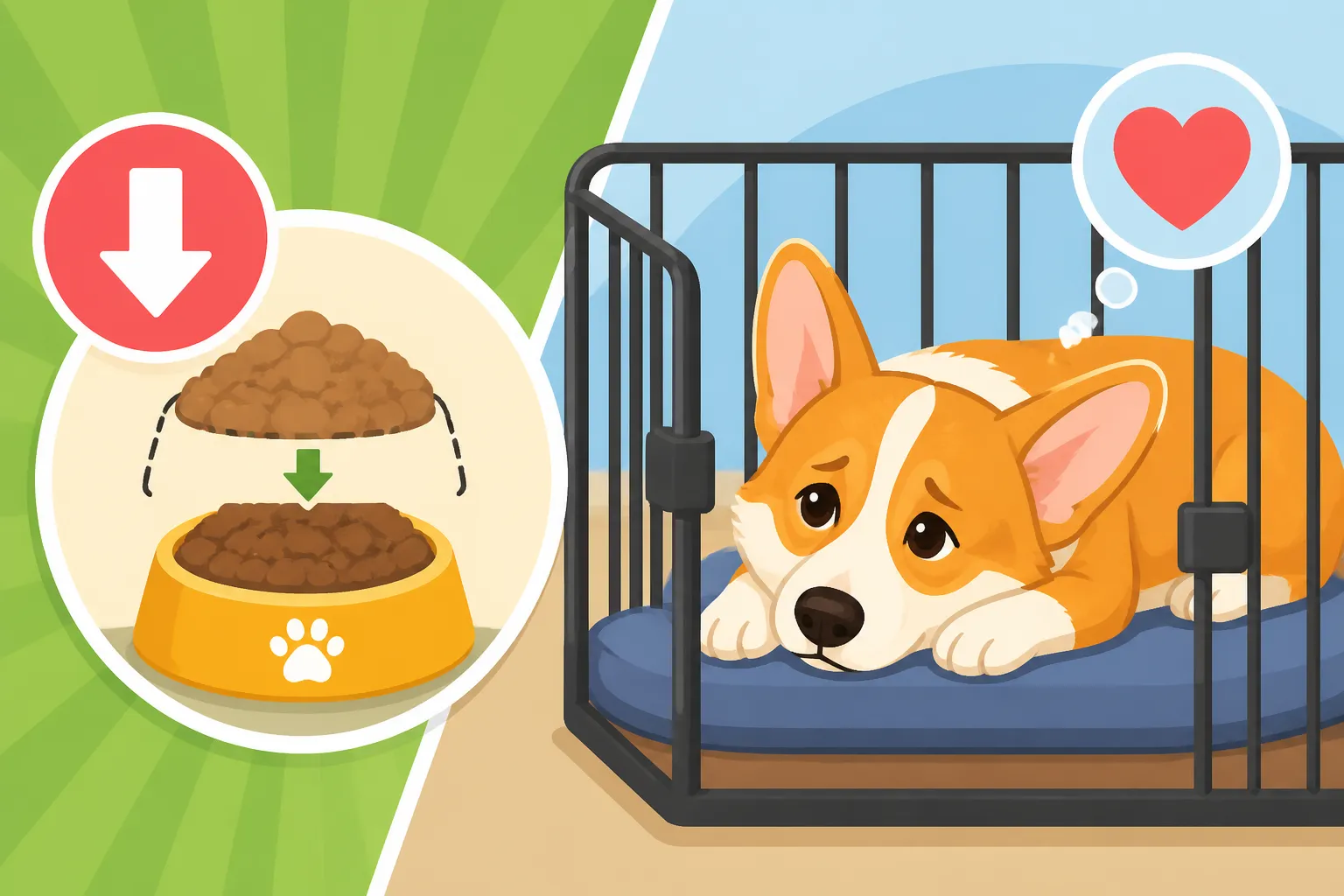
Most dog food bags provide a feeding guide based on an "active" adult dog. When your Corgi is confined, they are definitely not an active adult dog. A good starting point for a less active dog is often 10-20% less than the recommended amount for their ideal weight, but this is a rough estimate. The safest approach is to consult your veterinarian. They can help you calculate a precise daily caloric intake tailored to your Corgi's ideal weight, current health condition, and the specifics of their confinement. This number is often surprisingly low for Corgis.
Once you have that new target, you'll need to measure everything precisely. This isn't a time for eyeballing scoops. Digital kitchen scales are incredibly helpful here, as dry kibble can vary significantly in weight even if the volume looks the same. The Calorie Target for a Twenty-Eight Pound Corgi will be very different when that Corgi is on bed rest compared to when they are actively herding or playing. This precision is the cornerstone of effective calorie management.
Understanding Your Corgi's Body Condition Score
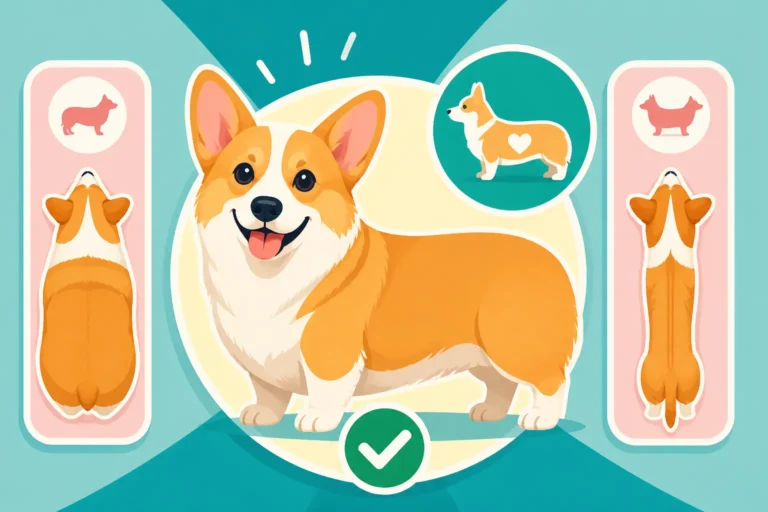
The best way to objectively assess your Corgi's weight isn't just looking at a number on the scale, but by evaluating their Body Condition Score (BCS). This is a visual and tactile assessment that veterinarians use, typically on a scale of 1 to 9, where 4-5 is ideal. You should be able to easily feel your Corgi's ribs without pressing hard, see a distinct waist when viewed from above, and notice an abdominal tuck when viewed from the side.
If your Corgi already has some extra padding, their confinement period is an ideal time to gently bring them back to an optimal The Body Condition Score a Corgi Should Hold. If they're already at a perfect weight, the goal is simply to maintain it. Regularly checking their BCS allows you to make adjustments to their food intake as needed, ensuring they don't gain or lose too much. Remember, What an Ideal Corgi Weighs can vary slightly, but their BCS is a universal indicator of health.
Smart Strategies for Mealtime Adjustments
Now that you know your Corgi's target caloric intake, it's time to put that knowledge into action. This means making intelligent changes to what and how they eat, focusing on nutrient density and managing their undeniable Corgi appetite without resorting to drastic or unsafe measures.
Portion Control and Food Selection
The most straightforward way to cut calories is to reduce portion sizes of their current food. However, merely reducing the amount of their regular kibble can sometimes leave a Corgi feeling hungry, especially if it's not a very nutrient-dense formula. This is where choosing the right food becomes important. Many commercial dog food brands offer "weight management" or "light" formulas that are lower in calories and higher in fiber, helping your Corgi feel fuller on fewer calories.
When considering a food change, do it gradually over 7-10 days to avoid upsetting your Corgi's stomach. Always measure food precisely by weight, not volume, to ensure accuracy. This is a topic we've covered extensively, stressing Why a Corgi's Food Is Weighed, Not Scooped to maintain consistent portion sizes. Companies like Chewy or your local pet supply store offer a wide selection of these specialized foods, and their online resources can help you compare ingredients and calorie counts effectively.
Incorporating Low-Calorie Fillers
Sometimes, simply feeding less isn't enough to satisfy a Corgi's robust appetite, especially if they are bored from confinement. This is where low-calorie, high-fiber fillers can be a game-changer. Cooked green beans (plain, no salt or seasonings), carrots, celery, or even small amounts of plain pumpkin puree can be added to their regular kibble to increase meal volume without significantly increasing calories. These additions can make your Corgi feel like they're getting a bigger meal, which can be a huge psychological win for both of you.
However, moderation is key. Even healthy vegetables contain some calories, and too much fiber can cause digestive upset. Start with small amounts and monitor your Corgi's stools. You want to enhance satiety, not create new problems. For owners looking for convenient, portion-controlled options that integrate these healthy fillers, services like Ollie provide fresh dog food meals designed to be nutritionally complete and can often be customized for weight management needs, taking some of the guesswork out of balanced feeding during this crucial time.
Guilt-Free Treats and Mental Enrichment
Treats are an important part of bonding, training, and simply making your Corgi's day a little brighter. During confinement, when physical activity is restricted, mental stimulation becomes even more vital. The good news is you don't have to cut out treats entirely; you just need to be smarter about them.
Choosing Appropriate Low-Calorie Rewards
Instead of high-calorie, store-bought biscuits, switch to low-calorie options. As mentioned, raw or lightly steamed vegetables like carrot sticks, cucumber slices, or green beans make excellent, crunchy, and satisfying treats. Small pieces of air-popped popcorn (plain, unsalted, unbuttered) can also be a surprisingly low-calorie option for some Corgis. Whether Carrot Sticks Satisfy a Corgi is a common question, and for many, they absolutely do!
If you still want to use commercial treats, look for options that are specifically labeled "low calorie" or "training treats," and always check the calorie count per treat. Remember that Treats Priced Into a Corgi's Daily Ration still count towards their overall caloric intake. Consider breaking larger treats into tiny pieces to make them last longer and provide more opportunities for reward without adding many calories. A quick search on Amazon or Chewy for "low calorie dog training treats" can yield many excellent and safe options.
Non-Food Based Mental Stimulation
While food can be a powerful motivator, it’s not the only way to engage your Corgi's brain. During confinement, mental stimulation is paramount to prevent boredom and destructive behaviors. Puzzle toys that dispense a small amount of their regular kibble can make mealtime last longer and engage their problem-solving skills. There are many options available on Amazon that challenge dogs to roll, nudge, or flip compartments to get their food.
Other forms of non-food enrichment include gentle massage, brushing, or quiet playtime with a favorite toy that doesn't involve strenuous activity. Scent games, where you hide tiny bits of their low-calorie kibble around their confinement area for them to sniff out, can be very engaging. Simply spending calm, focused time with them, offering praise and gentle petting, can also be a powerful reward. Remember, the goal is to keep them Keeping a Confined Corgi Occupied without adding unnecessary physical strain or calories.
Monitoring Progress and Troubleshooting Challenges
Even with the best intentions, managing a Corgi's weight during confinement can present its own set of challenges. Their undeniable charm and persuasive antics can make it hard to stick to a plan, but consistent monitoring and a proactive approach to common pitfalls will help you succeed.
Regular Weigh-Ins and Adjusting the Plan
The scale is your friend during this period. Weigh your Corgi consistently, perhaps once a week, at the same time of day. This will give you an objective measure of whether your calorie adjustments are working. Keep a simple log of their weight and any changes you make to their food intake. If they're gaining, you might need to slightly reduce their portions further; if they're losing too much, a small increase might be in order. Remember, slow and steady is the goal, ideally losing no more than 1-2% of their body weight per week, if weight loss is needed.
Don't be afraid to adjust. Every Corgi is an individual, and their metabolic rate will vary. What works for one might not work for another. If you're struggling to find the right balance, don't hesitate to reach out to your veterinarian. They can provide specific guidance, recommend specialized diets, or even check for underlying medical conditions that might be affecting weight. Your annual vet exam, or any check-up while on confinement, is a great time to discuss The Annual Exam Where a Corgi's Back Gets Checked and diet.
Dealing with Begging and Family Sabotage
Corgis are masters of manipulation when it comes to food. Their expressive eyes and adorable little grumbles can melt the most iron-willed resolve. During confinement, boredom can amplify their begging behaviors. It's crucial for everyone in the household to be on the same page. Make sure everyone understands the importance of sticking to the diet plan, especially with treats. "Just one little bite" from multiple family members throughout the day can quickly undo all your hard work.
Educate your family on the low-calorie treat alternatives and encourage them to use non-food rewards for bonding. Whether a Corgi Ever Says It Is Full is a question many owners ask, and the answer is often "no"! If begging is a significant problem, try feeding your Corgi in their crate or a separate room to minimize opportunities for them to plead with human diners. Consistency and firm boundaries, applied with love and empathy, are key to navigating these challenges.
| Treat Type | High-Calorie Example | Low-Calorie Alternative | Notes |
|---|---|---|---|
| Commercial Treats | Large crunchy biscuits | Small training treats (broken into tinier pieces) | Always check calorie count per piece. |
| Chews/Dental Sticks | Heavily processed chews | Dental sticks designed for weight management | Use sparingly; still contribute calories. |
| Table Scraps | Any fatty or sugary human food | Plain, cooked green beans, carrot slices, cucumber | Avoid seasonings, salt, sugar, and toxic foods. |
| Training Rewards | Cheese, hot dogs | Plain kibble (from daily allowance), plain air-popped popcorn | Reduces overall calorie intake. |
| Meal Add-ins | Fatty broths | Plain pumpkin puree, low-sodium broth, steamed veggies | Adds volume and nutrients without many calories. |
Disclaimer
This article is for general informational purposes only and does not constitute professional advice. Laws, prices and regulations vary by location and change over time. Consult a qualified professional for guidance on your specific situation.