Pulling Teeth From an Old Corgi
One of the hardest parts of loving an older Corgi is watching them slow down, and nothing feels quite as helpless as seeing your beloved companion struggle with something as fundamental as eating. Many Corgi owners find themselves facing the daunting prospect of significant dental work, specifically pulling teeth, as their furry friends age. This guide aims to walk you through why dental extractions become necessary, what to expect during the process, and how to ensure your Corgi recovers comfortably and lives a happier, pain-free life afterward.
Understanding Dental Disease in Older Corgis
It's a harsh reality that many Corgis, like many other small and brachycephalic (short-nosed) breeds, are particularly prone to dental issues. As they get older, the cumulative effect of years of plaque and tartar buildup can lead to serious problems that go far beyond just bad breath. Ignoring these issues can have a significant impact on their overall health and quality of life.
Why Corgis are Prone to Dental Issues
Corgis have a relatively small mouth for the number of teeth they pack in, which means their teeth can be crowded. This crowding creates nooks and crannies where food particles and bacteria love to hide, making it a perfect breeding ground for plaque and tartar. Think of trying to clean between books crammed onto a shelf – it's just harder to reach everything effectively. Over the years, this constant battle against bacteria and food debris leads to periodontal disease, a progressive condition affecting the gums and the structures supporting the teeth.
Moreover, their genetics can play a role. Some Corgis might have subtle misalignments or jaw structures that further exacerbate these issues. It’s not a reflection of your care; it's often an uphill battle from the start. That short, stocky build we adore, which influences everything from their gait to their spinal health, also influences their oral cavity, sometimes not for the better. This is why addressing Tartar and Tooth Loss in an Older Corgi proactively throughout their life is so important, not just when problems become severe.
Signs You Might Miss
Dental disease is often called a "silent killer" because dogs are incredibly good at hiding pain. Their instinct is to appear strong, so they might endure discomfort for a long time before showing obvious symptoms. This means you, as their dedicated owner, need to be extra vigilant.
The most common sign, of course, is terrible breath. If your Corgi’s breath could knock a buzzard off a outhouse, that's a huge red flag. But look beyond that:
- Changes in Eating Habits: Are they chewing only on one side of their mouth? Dropping food more often? Reluctant to eat hard kibble, preferring softer options? Or perhaps they’re just eating slower than usual.
- Irritability or Hiding: Pain can make even the sweetest Corgi grumpy. If they snap when you go near their face, or seem withdrawn and less keen on interaction, pain might be the cause.
- Drooling or Pawing at Mouth: Excessive drooling, sometimes with blood, or frequently pawing at their mouth can indicate significant discomfort.
- Swelling: Any swelling under the eye or on the jawline could point to a severe tooth root abscess, which is excruciatingly painful.
- Bleeding Gums: When brushing (if your Corgi tolerates it), do you see blood? This is a sign of inflamed, diseased gums.
These subtle changes can be easy to dismiss as "just getting old," but they are often cries for help.
The Health Risks Beyond the Mouth
It’s not just about a sore tooth; neglected dental disease poses systemic risks. The bacteria festering in your Corgi’s mouth don't stay confined to the oral cavity. They can travel through the bloodstream to vital organs like the heart, kidneys, and liver, potentially causing or worsening serious conditions. Chronic inflammation from dental disease also puts a constant strain on their immune system.
For an older Corgi, who might already be grappling with other age-related issues like Early Arthritis in a Corgi or Corgi Kidney and Urinary Problems, this added burden can be detrimental. A healthy mouth contributes significantly to a healthy body, helping them maintain their quality of life for as long as possible. Think of it as investing in their entire well-being, not just fixing a tooth.
The Decision to Extract: When and Why
Coming to terms with the idea of pulling your senior Corgi's teeth can be emotionally tough. You naturally worry about the anesthesia, the recovery, and how they’ll manage without those teeth. However, understanding when and why extractions become necessary can provide peace of mind that you are making the best decision for their comfort and health.
When Extraction Becomes Necessary
Vets don't just pull teeth for fun; it's a measure taken when the tooth or surrounding structures are severely compromised. This typically happens when:
- Severe Periodontal Disease: The support structures (bone, ligaments) around the tooth are so damaged that the tooth is loose or dying. Saving it isn't possible, and leaving it in place means a constant source of infection and pain.
- Tooth Fractures: If a tooth is broken, especially if the pulp (nerve) is exposed, it's incredibly painful and a direct highway for bacteria into the jawbone and bloodstream.
- Abscesses: An infection at the root of a tooth can cause a painful pocket of pus, sometimes leading to visible swelling on the face. Extraction is usually the only way to resolve these deep-seated infections.
- Resorptive Lesions: While less common in Corgis than some other breeds, these are painful erosions of the tooth structure that often require extraction.
- Crowding or Malocclusion: In some cases, severely crowded or misaligned teeth that are causing trauma to other parts of the mouth or contributing to persistent disease may need to be removed, even if they aren't acutely infected.
Your veterinarian will assess your Corgi's entire mouth, often with dental X-rays, to determine the extent of the disease and which teeth are truly unsalvageable. The goal is always to relieve pain and eliminate sources of infection.
The Anesthesia Concern for Older Corgis
This is often the biggest hurdle for owners. The thought of an older dog going under anesthesia is understandably anxiety-inducing. However, modern veterinary anesthesia is far safer than it used to be, especially with the right precautions.
For an older Corgi, a thorough pre-anesthetic workup is absolutely crucial. This usually includes:
- Comprehensive Blood Work: To assess organ function (kidneys, liver) and ensure your Corgi can safely metabolize anesthetic drugs and recover effectively.
- Urinalysis: Provides additional information about kidney function and hydration status.
- Electrocardiogram (ECG) or Chest X-rays: To check heart and lung health, especially if any concerns are identified during the physical exam.
- Clotting Tests: Essential to ensure your Corgi's blood clots normally, particularly important if there's any concern about bleeding disorders common in some breeds. This is why your vet will run Clotting Test Fees Before a Corgi Operation to be safe.
Many vets will also recommend intravenous fluids during the procedure to help maintain blood pressure and support organ function. Anesthetic protocols are tailored to each individual dog, and your vet will closely monitor vital signs throughout the entire procedure. Discussing all your concerns with your vet beforehand is key; they can explain their specific safety protocols and ease your mind. This comprehensive approach significantly mitigates risks, making dental surgery a viable and often life-changing option for senior Corgis. Some owners opt for pet insurance, like Healthy Paws, early in their Corgi's life, which can help cover these unexpected medical costs down the line, provided the dental condition isn't pre-existing before coverage starts. This can alleviate some of the financial stress associated with critical care like this.
Conservative vs. Surgical Approaches
When it comes to severe dental disease, often a "conservative" approach, meaning just scaling and polishing, isn't enough for teeth that are already badly compromised. While regular dental cleanings are vital for prevention and maintaining healthy teeth, once periodontal disease has progressed to the point where teeth are loose, infected, or fractured, a deep cleaning alone won't fix the underlying issue. It might make the teeth look cleaner, but the infection and pain will persist.
In these advanced cases, extractions are not just a treatment; they are a cure for chronic pain and infection. Think of it this way: would you rather have a constantly aching, infected tooth or have it removed and heal completely? Dogs prefer the latter, even if it means losing a few teeth. Surgical extraction, performed with proper instruments and techniques, ensures the entire diseased tooth, including its roots, is removed, and the site is properly cleaned and closed. This eliminates the source of the problem, allowing your Corgi to heal and finally be pain-free. This isn't about cosmetic improvement; it's about significant pain relief and improving their quality of life.
The Extraction Process and What to Expect
Knowing what happens during your Corgi's dental extraction procedure can help ease your anxieties and prepare you for their return home. It's more than just "pulling" teeth; it's a careful surgical process designed to ensure their comfort and a successful outcome.
Pre-Surgical Prep and Anesthesia
When you bring your Corgi in for their dental procedure, the vet team will begin with the crucial pre-surgical preparation. This isn't just a quick check-in; it's a vital step to ensure your Corgi is as safe as possible under anesthesia.
First, your Corgi will typically have had a full physical exam and the pre-anesthetic blood work and other diagnostics (like a chest X-ray or ECG) completed. If any concerns arose from these, your vet would have discussed them with you already. On the day of the procedure, they'll receive a pre-medication injection. This isn't the main anesthetic; it's a combination of drugs that help calm them down, provide initial pain relief, and allow for a smoother induction of anesthesia with less drug. This makes the whole process less stressful for your Corgi and safer overall.
Once relaxed, they'll have an IV catheter placed, usually in a front leg. This is for administering IV fluids throughout the procedure, which helps maintain blood pressure and support organ function, and also provides immediate access for emergency medications if needed. Then, a short-acting anesthetic is given through the IV catheter to induce unconsciousness. An endotracheal tube is placed into their windpipe to deliver anesthetic gas and oxygen, ensuring they receive a precisely controlled dose and protecting their airway. Throughout the entire process, a dedicated veterinary technician will continuously monitor your Corgi's heart rate, breathing, blood pressure, oxygen saturation, and temperature, making adjustments as necessary. For a senior Corgi, this constant vigilance is paramount. This level of care, sometimes including Pre-Anesthetic Testing on a Corgi That Bleeds if needed, is why the costs associated with these procedures can add up, but it's absolutely essential for their safety.
The Procedure Itself
Once under general anesthesia, the real work begins. Your Corgi will be kept warm on a heated surgical table, and their vital signs will continue to be meticulously monitored. The first step for the veterinary team is to perform a full oral exam, probing for pockets around teeth and identifying any lesions. Crucially, full-mouth dental radiographs (X-rays) are taken. These X-rays are non-negotiable for thorough dental care, especially in older dogs. What you can see on the surface is only half the story; the roots and jawbone underneath often hold the worst of the disease. Without X-rays, a vet might miss abscesses, bone loss, or fractured roots, leaving a painful problem behind.
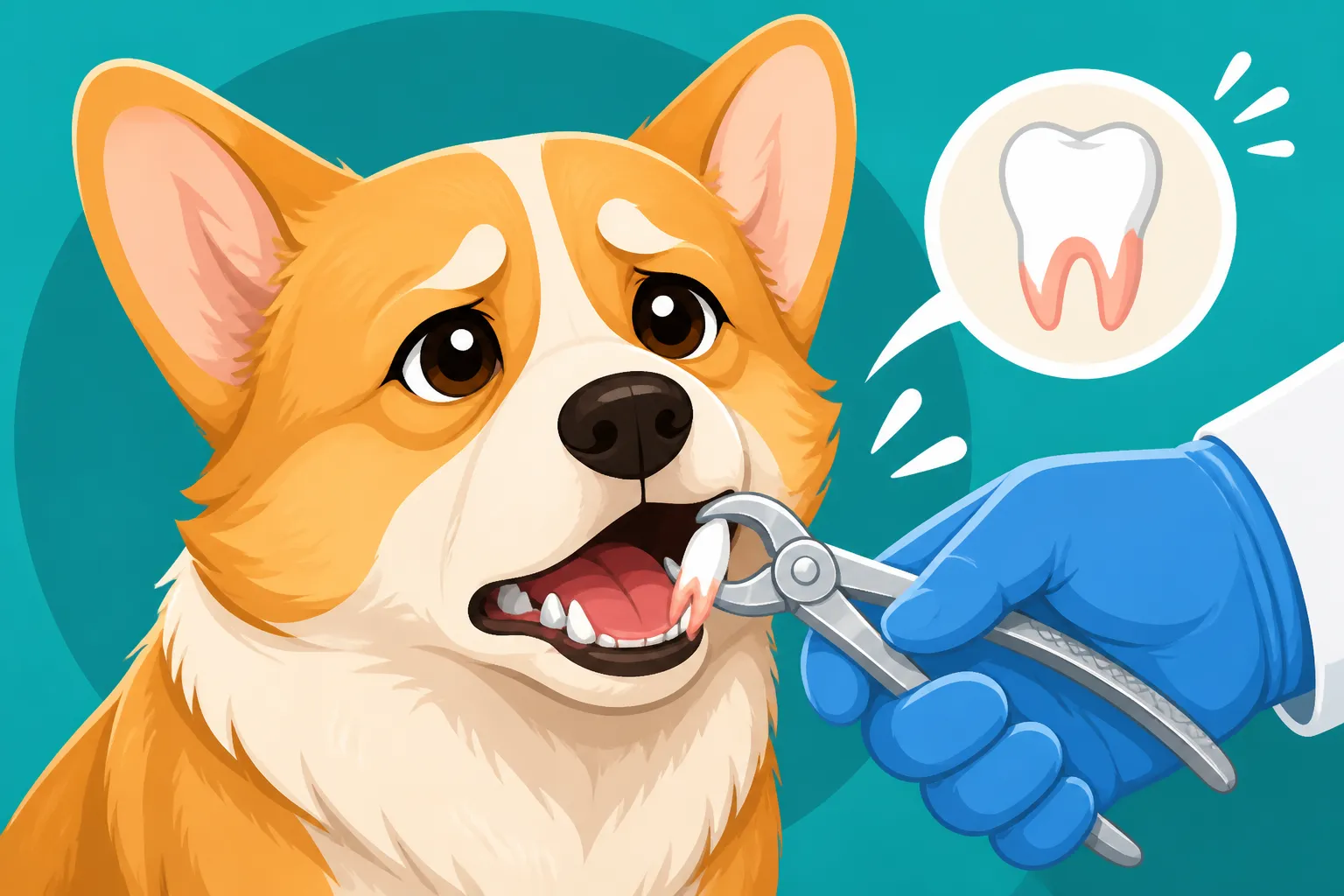
Once the extent of the disease is fully understood, the extractions are performed. This isn't a simple "yank"; it's a precise surgical process. Ligaments holding the tooth in place are carefully severed, bone may be removed to create a path for extraction, and the tooth is gently loosened and removed. The gum tissue is then meticulously cleaned and sutured closed to promote healing and prevent food from packing into the extraction site. Any remaining healthy teeth will be scaled to remove plaque and tartar and then polished, just like your own dental cleaning. Throughout the entire procedure, local anesthetic blocks are often administered around the nerves leading to the extraction sites, providing additional pain control that lasts well into the recovery period, making their waking up much more comfortable.
Post-Operative Care at the Clinic
After the extractions and cleaning are complete, your Corgi will be moved to a recovery area where they'll be kept warm and continue to be monitored as they slowly wake up from anesthesia. The veterinary team will ensure they are comfortable, managing any pain with appropriate medications. They will be observed closely for any signs of discomfort, nausea, or complications from the anesthesia.
Before discharge, the vet or technician will walk you through detailed post-operative instructions. This will include:
- Medications: Pain relief (often a combination of anti-inflammatory drugs and opioids) and sometimes antibiotics. It's crucial to administer these exactly as prescribed.
- Dietary Restrictions: Typically, a soft food diet will be recommended for a week or two to protect the healing gum tissues. Brands like Ollie, which offers fresh, human-grade food, or wet food options from Chewy can be excellent choices to make mealtime easy and palatable for your recovering Corgi.
- Activity Restrictions: Your Corgi will need to be kept quiet and calm for a period. No strenuous activity, jumping, or rough play. This helps prevent stitches from breaking open and promotes proper healing.
- Oral Hygiene: You'll be advised on when and how to resume any gentle oral care, usually avoiding the extraction sites for a while.
- Monitoring at Home: What signs to look for that might indicate a problem, such as excessive bleeding, swelling, lethargy, or refusal to eat.
You'll usually pick up your Corgi later the same day, a little groggy but already on the path to being pain-free.
Recovery and Long-Term Dental Health
Bringing your Corgi home after a dental extraction can feel a bit nerve-wracking, but with the right care, their recovery will be smooth, and you’ll soon see a happier, more comfortable dog.
Immediate Recovery at Home
The first few days at home are crucial for a good recovery. Your Corgi will likely still be a bit subdued from the anesthesia and the procedure itself.
- Comfort is Key: Provide a quiet, comfortable, and warm place for them to rest. An orthopedic bed, like those recommended for managing Pain Relief for an Old Corgi's Back, can provide extra comfort during this time.
- Medication Adherence: Stick strictly to the pain medication schedule your vet provided. Staying ahead of the pain makes a huge difference in their comfort and willingness to eat. Don't wait for them to show obvious signs of pain before giving the next dose.
- Soft Food Diet: For at least a week, and sometimes longer, your Corgi will need a soft diet. This prevents trauma to the healing gum tissues and allows the extraction sites to close properly. Options include wet canned food, kibble softened with warm water or broth, or fresh-cooked meals. Companies like Ollie provide fantastic soft food options that are gentle on healing mouths and often highly palatable, which is a huge plus when appetite might be a bit suppressed. You might also find a great selection of suitable Soft Food for a Corgi With Bad Teeth from online retailers like Chewy.
- No Chewing: Absolutely no hard treats, bones, or chew toys. Anything that could reopen wounds or dislodge blood clots needs to be avoided.
- Monitor the Mouth: Gently check their mouth once a day, if they allow it, for excessive swelling, discharge, or bleeding. A little pinkish tinge to their water bowl or saliva is normal initially, but bright red blood or heavy bleeding warrants a call to the vet.
- Restricted Activity: Keep them calm. Short, leashed potty breaks are fine, but no running, jumping, or playing with other pets. This is similar to the kind of enforced rest needed for Six Weeks of Crate Rest With a Corgi after a back injury, though typically for a shorter duration.
Adjusting to Life Without Teeth
It's natural to worry about how your Corgi will eat and live without some of their teeth, especially if multiple extractions were performed. The good news is that dogs adapt incredibly well.
- Eating: Dogs don't chew like humans do; they tend to gulp their food or use their remaining molars at the back. If they've had front teeth removed, they might still manage fine with kibble, but soft food is always an option if they prefer it. Many Corgis thrive on a completely soft diet for the rest of their lives, and it doesn't diminish their joy in eating one bit!
- Comfort: Once the extraction sites are fully healed, your Corgi will likely be much happier. The chronic pain they were experiencing will be gone, and you'll often see a renewed sparkle in their eyes and an improved appetite. They often become more playful and engaged once they are no longer silently suffering.
- Oral Hygiene (Modified): Even with fewer teeth, ongoing oral hygiene is important for the remaining ones. Your vet can advise on how to gently brush the remaining teeth, or recommend dental rinses and water additives.
Preventing Future Issues and Long-Term Care
Prevention is always better than cure, and for a Corgi, especially as they get older, maintaining good oral health is a lifelong commitment.
- Regular Vet Checks: Annual or bi-annual veterinary exams should always include a thorough dental check. Your vet can spot early signs of trouble before they become major problems. Given The Corgi Years When the Back End Gives Out and other age-related changes, these regular visits become increasingly vital.
- Daily Brushing: If your Corgi tolerates it, daily brushing with a vet-approved toothpaste is the gold standard. Even a few minutes can make a big difference. It's a key part of What Keeping a Corgi's Teeth Clean Costs, saving you money on future professional cleanings.
- Dental Chews and Diets: There are many veterinary-approved dental chews and prescription dental diets designed to help reduce plaque and tartar buildup. Look for products with the Veterinary Oral Health Council (VOHC) seal of approval. Always check with your vet before introducing new dental products, especially after extractions, to ensure they are safe for your Corgi's remaining teeth and gum health. Chewy offers a wide range of VOHC-approved products that can support your Corgi's long-term dental care.
- Professional Cleanings: Even with the best home care, most Corgis will still need professional dental cleanings under anesthesia every few years to maintain optimal oral health. These cleanings allow the vet to address areas you can't reach and identify any developing problems early. This proactive approach can prevent the need for extensive extractions down the line.
By staying proactive and attentive to your Corgi’s dental health, you can ensure they enjoy their golden years free from oral pain, contributing to a better overall quality of life. After all, a happy Corgi is one without a toothache!
Disclaimer
This article is for general informational purposes only and does not constitute professional advice. Laws, prices and regulations vary by location and change over time. Consult a qualified professional for guidance on your specific situation.