Whether a Wellness Plan Pays for Corgi Genetics
It’s a common scenario for Corgi owners, especially those welcoming a new puppy into their home: you’re trying to be proactive about your furry friend’s health, looking into everything from the best food to pet insurance. But when it comes to covering the costs of genetic testing, a vital step for our beloved long-backed, short-legged companions, things can get a little murky. Many wonder if their pet's wellness plan will actually help with these crucial screenings, and the short answer is often not in the way you might hope, which can be incredibly frustrating when you're trying to do everything right for your Corgi. This guide aims to clear up that confusion, explaining what wellness plans typically cover and how genetic testing usually fits—or doesn't fit—into the picture for Corgi parents.
Understanding Corgi Genetic Testing and Its Importance
As Corgi enthusiasts, we adore their vibrant personalities and charming waddle. But with great love comes great responsibility, especially when it comes to understanding the unique health predispositions of the breed. Genetic testing isn't just a fancy add-on; for Corgis, it's a foundational step in ensuring a long, healthy, and happy life, helping us prepare for potential challenges down the road.
Why Corgi Owners Seek Genetic Testing
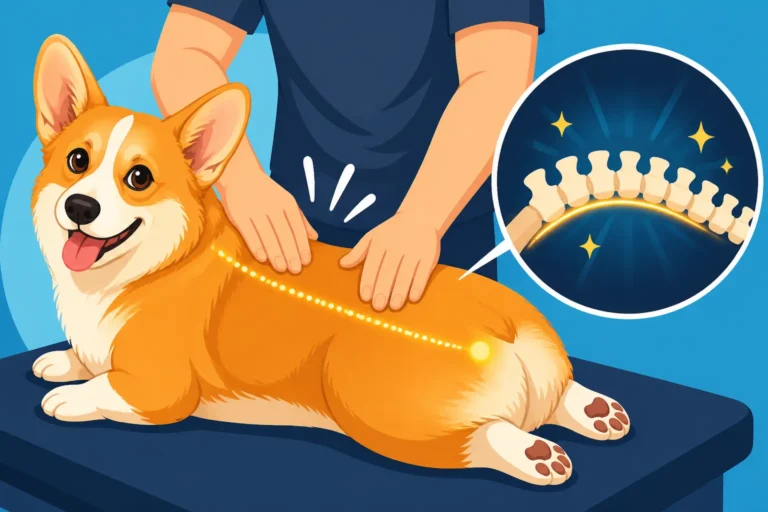
For Corgi owners, genetic testing offers a window into their dog's future health, helping to identify potential inherited conditions that are prevalent in the breed. Degenerative Myelopathy (DM) is perhaps the most well-known and feared of these. This progressive neurological disease can profoundly impact a Corgi's quality of life as they age, affecting their spinal cord and leading to weakness and eventual paralysis in the hindquarters. Knowing a Corgi's DM status, often by testing for the SOD1 gene mutation, allows owners to plan for potential future care or even make informed breeding decisions if they are considering breeding their dog. You might find it helpful to learn more about The DNA Tests a Corgi Breeder Should Run.
Beyond DM, other genetic conditions like Von Willebrand Disease (vWD), a bleeding disorder, and Progressive Retinal Atrophy (PRA), which can lead to blindness, are also concerns for Corgi owners. Identifying these genes early provides immense peace of mind or, conversely, gives owners a head start on preventative care and monitoring. It allows families to understand what symptoms to watch for and how to mitigate risks, ensuring they’re not caught off guard by a condition that could have been foreseen. It truly is about being as prepared as possible for whatever comes your way.
The Cost Landscape of Genetic Testing
The cost of genetic testing for Corgis is far from a fixed number; it varies widely depending on the lab, the number of tests performed, and whether you opt for a comprehensive panel or individual screenings. Some owners might choose to test for just DM, while others prefer a full panel that includes vWD and PRA. These tests are usually a one-time expense, paid directly to the veterinary clinic or a specialized genetics laboratory.
While they represent an upfront investment, these costs are generally considered part of responsible Corgi ownership, especially for puppies or potential breeding dogs. Breeders, for instance, should always provide clear genetic test results for their breeding stock, and reputable ones will often test their puppies before they go to their new homes. If you're considering a new Corgi puppy, you'll want to ask The Papers a Corgi Puppy Should Come With. However, if you're adopting or have an untested Corgi, you might need to cover these costs yourself. It's not a recurring veterinary bill like vaccinations or flea medication, which is an important distinction when considering what a wellness plan might cover.
Deciphering Pet Wellness Plans
When we talk about keeping our Corgis healthy, many of us turn to pet wellness plans, hoping they'll smooth out the financial bumps of routine care. But understanding what these plans actually entail, and how they differ from traditional pet insurance, is key to managing expectations, especially when it comes to specialized services like genetic testing. It's a common area of confusion, and frankly, it can be pretty opaque if you're not used to navigating these kinds of policies.
What "Wellness" Typically Covers
At their core, pet wellness plans are designed to help you budget for the predictable, routine, and preventative care your Corgi needs throughout the year. Think of it as a prepayment system for all those things you know your dog will need. This typically includes annual veterinary check-ups, which are vital for catching any subtle changes in your Corgi's health, including early signs of back issues or weight gain. They often cover routine vaccinations, which protect against common diseases, as well as essential parasite prevention for fleas, ticks, and heartworm.
Many wellness plans also include things like routine blood work, urinalysis, and sometimes even a portion of the cost for spaying or neutering. Some might offer dental cleanings, which are incredibly important for Corgis, or microchipping. The whole idea is to encourage proactive care that keeps your Corgi healthy and hopefully prevents more serious, expensive issues down the line. It's about maintenance, making sure your beloved companion gets all the regular care they need without you having to dip into your savings for every single visit. For new Corgi parents, understanding The Vet Visits a Corgi Puppy Needs First can help clarify what early routine care looks like.
The Line Between Wellness Plans and Pet Insurance
This is where many Corgi owners get tripped up, and it's a crucial distinction: wellness plans are not pet insurance, although some companies, like Chewy, offer both. Pet insurance, providers like Healthy Paws, is designed to protect you financially from the unpredictable and major medical expenses that come with accidents, sudden illnesses, or chronic conditions. This could be anything from an emergency visit after your Corgi twists a leg to a complex surgery for a ruptured disc, a devastating reality for many Corgi families. Pet insurance usually kicks in when something unexpected happens, helping to cover a significant portion of diagnostic tests, treatments, and surgeries.
Wellness plans, on the other hand, cover the predictable stuff – the annual check-ups, vaccine boosters, and regular preventatives. They're more like a savings account for routine care. Genetic testing for conditions like DM or vWD often falls into a grey area because it's preventative information rather than a recurring preventative treatment. It's a specific diagnostic tool used to identify a predisposition, not a routine vaccination. Because of this, most standard wellness plans don't include it. They focus on maintaining health, not diagnosing underlying genetic potential for disease, which is a different type of proactive care entirely.
Do Wellness Plans Cover Corgi Genetic Testing?
This is the burning question for many Corgi owners, especially those committed to providing the best preventative care. After all, if a wellness plan is about being proactive, shouldn't it cover tests that predict future health challenges? Unfortunately, the answer is almost universally disappointing.
The General Rule: Seldom, If Ever
The unfortunate reality is that most standard pet wellness plans do not include coverage for genetic testing. These plans are structured around routine, expected veterinary services that typically occur annually or semi-annually. Think about it: vaccinations, routine blood work during an annual exam, flea and tick prevention, and perhaps a dental cleaning. These are all ongoing maintenance items.
Genetic testing, however, is generally a one-time diagnostic procedure aimed at identifying specific genetic markers. It’s not a recurring preventative treatment. From an insurer's perspective, it falls outside the typical "wellness" umbrella because it’s about identifying a predisposition rather than directly preventing an illness through treatment or vaccination. While you might passionately argue that understanding The Corgi PRA Gene Test or a Corgi's DM status is absolutely part of wellness, the industry standard for these plans simply hasn't evolved to routinely include these specific, often costly, genetic screens. It's a gap in coverage that many Corgi owners wish didn't exist, especially given the breed's known genetic predispositions.
Niche Plans and Add-ons: A Rare Exception
While it's not common, there are a few very specific, often higher-tier or specialized wellness plans that might offer some form of coverage or discount for genetic testing. These are usually premium options, or they might come as an optional add-on package that significantly increases your monthly or annual cost. Even then, the coverage might be limited to a specific panel of tests or a maximum reimbursement amount, rather than covering the full cost of every genetic test available for Corgis.
It’s crucial to understand that such offerings are the exception, not the rule. If you come across a wellness plan that advertises genetic testing coverage, you absolutely need to read the fine print. Ask specific questions: Does it cover the specific tests relevant to Corgis, like the SOD1 test for DM or tests for vWD? Is there a waiting period? What percentage is covered, and what are the caps? Don't assume anything. Most wellness plans from major providers, even those like Chewy, which offers a range of pet services, will typically exclude comprehensive genetic panels from their standard offerings. You might find more general diagnostic tests covered under their main pet insurance, but that's a different category altogether, usually kicking in when there are actual symptoms requiring diagnosis. Even fresh food companies like Ollie, while promoting overall health and well-being through nutrition, don't typically integrate genetic testing coverage into their subscription models.
Alternative Ways to Fund Corgi Genetic Testing
Realistically, for most Corgi owners, a standard wellness plan isn't going to cover genetic testing. But that doesn't mean these crucial tests are out of reach or that you shouldn't get them done! It simply means you need to explore other avenues and plan accordingly to ensure your Corgi gets the comprehensive health assessment they deserve.
Self-Funding and Budgeting
The most straightforward way to cover genetic testing for your Corgi is to budget for it as an expected upfront expense. When you bring home a new Corgi puppy, you're already budgeting for initial vet visits, vaccinations, and essential supplies. Think of genetic testing as another vital component of that initial setup. Many veterinary clinics and specialized genetic laboratories offer breed-specific panels that test for several common conditions at a slightly reduced rate compared to individual tests. For example, a panel might include tests for DM, vWD, and PRA. You can research different labs to compare pricing for The Cost of a Corgi DM Test and other relevant screenings.
Setting aside a dedicated fund for these tests is a smart move. You could even start a "Corgi Health Fund" before your puppy arrives, contributing a small amount weekly or monthly. This approach gives you control over which tests are run and when, without being constrained by a plan's limitations. Moreover, if you're acquiring a Corgi from a reputable breeder, they should have already performed these tests on the parents and potentially the puppies, providing you with the results. This not only saves you money but also offers invaluable transparency into your Corgi's genetic background, which is why it's always worth asking whether a Corgi breeder should show DM results.
Pet Insurance With Caveats
While wellness plans generally fall short, pet insurance might offer a roundabout way to cover some costs related to genetic conditions, but with very important caveats. Standard pet insurance policies typically do not cover proactive genetic screening if your Corgi is asymptomatic. That means if you decide to test your perfectly healthy Corgi just to know their genetic predisposition for DM, your insurance probably won't pay for it. The logic is that there's no illness or injury currently being treated.
However, if your Corgi develops symptoms of a genetic condition – say, you notice A Corgi That Scuffs Its Back Nails or other The First Signs of DM in a Corgi – and your veterinarian recommends genetic testing as part of the diagnostic process to determine the cause of these symptoms, then your pet insurance might cover the costs of those diagnostic tests. This is a crucial distinction: it's not covering the proactive screen, but rather the diagnostic work-up for an actual medical issue. The key here is that the condition cannot be considered "pre-existing" before your policy's waiting period. This is why it's so important to enroll your Corgi in pet insurance as early as possible, ideally while they are young and healthy, to ensure maximum coverage should issues like Disc Disease in a Long-Backed Corgi or The Bleeding Disorder Pembrokes Carry arise later in life. Always review the terms and conditions of any pet insurance policy thoroughly, as coverage for diagnostic testing can vary greatly between providers like Healthy Paws and others.
Here's a quick comparison to help clarify the differences between wellness plans and pet insurance when it comes to genetic testing:
| Feature | Pet Wellness Plan (Typical) | Pet Insurance (Typical) |
|---|---|---|
| Purpose | Budgeting for routine, predictable preventative care. | Financial protection against unexpected accidents & illnesses. |
| Covers Genetic Testing | Rarely. Focuses on recurring preventative treatments (vaccines, deworming, annual exams). | Only if diagnostic. May cover genetic tests ordered by a vet to diagnose existing symptoms of an illness, provided it's not pre-existing. |
| What it's for | Annual check-ups, vaccinations, parasite prevention, spay/neuter, dental cleanings (often). | Accidents (broken bones, ingestions), illnesses (cancer, DM symptoms, infections), surgeries. |
| Cost Structure | Fixed monthly/annual fee, covers specific list of services. | Monthly premium, deductible, reimbursement percentage (e.g., 80-90%), annual limits. |
| Best Use | Managing routine health costs without surprises. | Protecting against high, unexpected veterinary bills. |
Disclaimer
This article is for general informational purposes only and does not constitute professional advice. Laws, prices and regulations vary by location and change over time. Consult a qualified professional for guidance on your specific situation.