Whether a Corgi Tolerates a Cat
Corgi herding instincts and cattle-driving heritage create chasing behaviors that often clash with independent cat personalities.
Work with the temperament you have.
House-training and crate work, recall, leash manners, separation anxiety, and the behaviors this breed is wired for.

Corgi herding instincts and cattle-driving heritage create chasing behaviors that often clash with independent cat personalities.

Corgi resource guarding explains why these dogs protect children toys and provides steps to manage and prevent this dangerous behavior.

Corgi introductions to newborns require pre-baby routine changes, sensory desensitization, and reinforced obedience training for safety.

Corgi herding instincts trigger nipping at running children, but proper training teaches kids and pets to interact safely together.

Corgi herding behavior toward toddlers stems from cattle driving instincts, explaining why dogs nip, circle, and control small children.
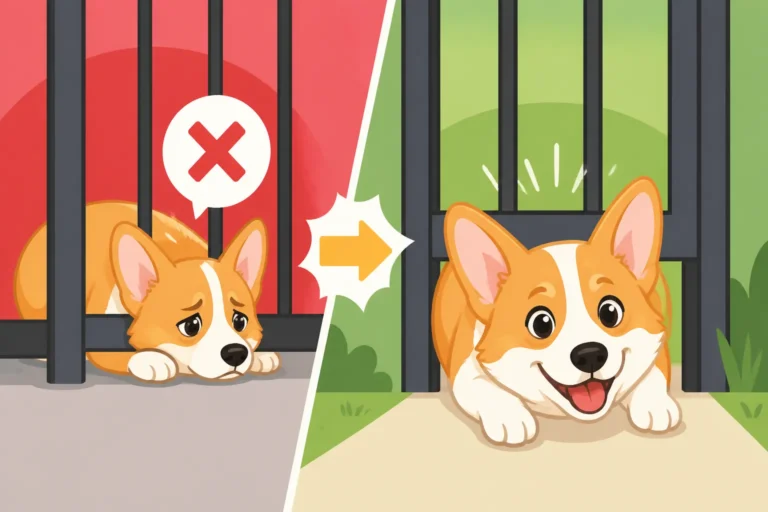
Corgi low profiles, strong shoulders, and flexible spines enable these dogs to crawl and squeeze under two or three inch gaps beneath home gates.
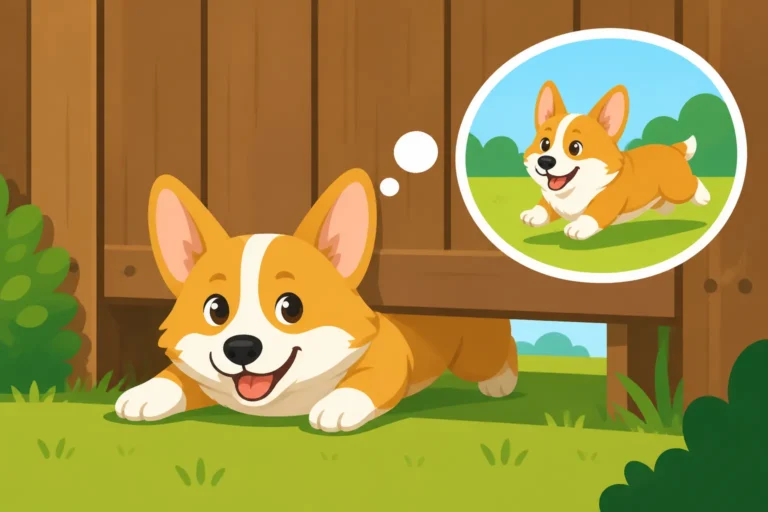
Corgi escape artists use short legs and herding instincts to slip under fences, requiring practical security strategies.

Corgi car chasing behavior stems from ancient herding instincts and prey drive, creating serious accident risks for the dogs.
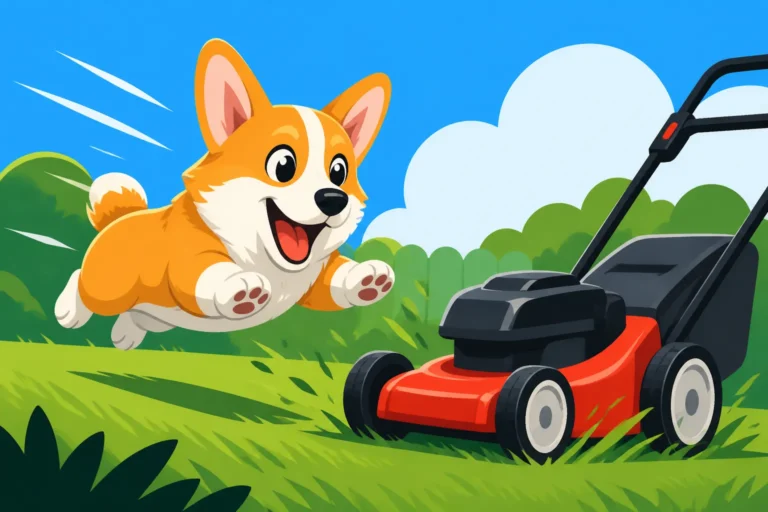
Corgi herding instincts and prey drive cause them to chase noisy lawnmowers, risking severe physical lacerations and broken bones.
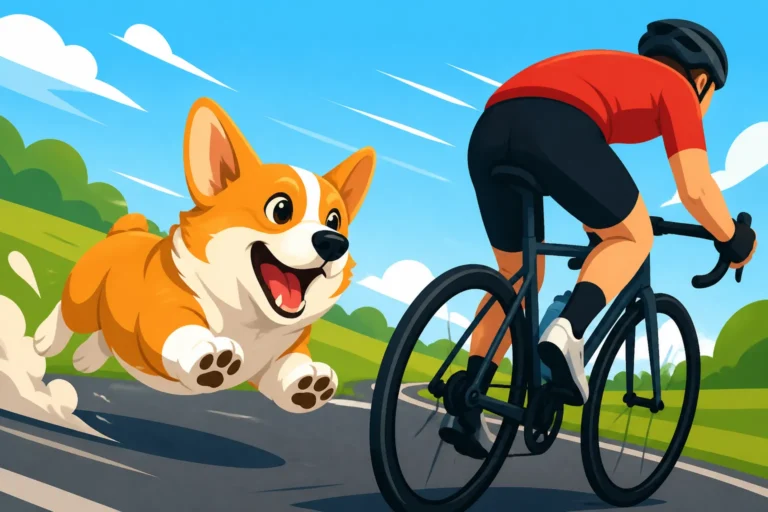
Corgi herding instincts and sudden impulse control issues explain why dogs chase cyclists, with training steps to manage the behavior.