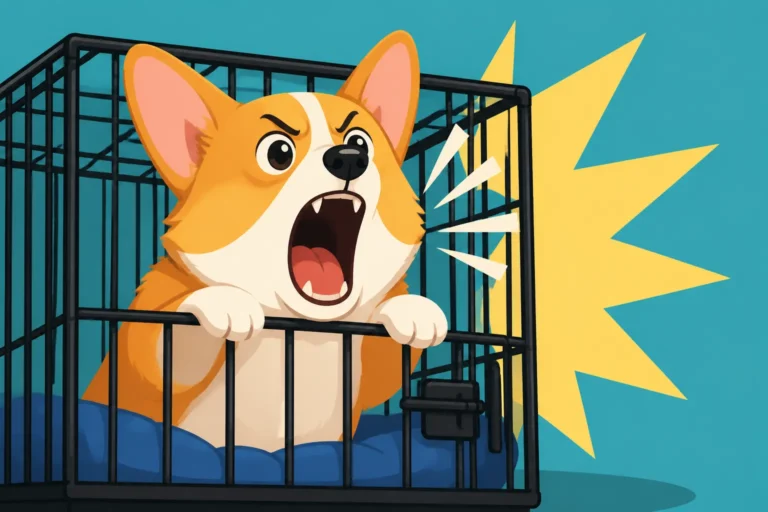
A Corgi Puppy That Cries at Three in the Morning
Corgi puppy nighttime crying happens due to biological needs and loneliness, requiring adjustments to schedules, bedding, and comfort.
Work with the temperament you have.
House-training and crate work, recall, leash manners, separation anxiety, and the behaviors this breed is wired for.

Corgi puppy nighttime crying happens due to biological needs and loneliness, requiring adjustments to schedules, bedding, and comfort.

Medical issues like urinary tract infections, bladder stones, and diabetes cause house-trained Corgis to have sudden indoor accidents.

Realistic timelines for Corgi puppy potty training explain bladder development and independent mindset to help achieve house training.

Adding a second Corgi evaluates if another dog cures separation anxiety, endless barking, and boundless energy in pets.

Corgi rough play at daycare and spinal vulnerabilities, including Intervertebral Disc Disease risks from jumping or twisting.

Corgi barking while you are away stems from separation anxiety, isolation distress, boredom, or environmental alert triggers.

Corgi owners working long hours learn how high intelligence, strong herding instincts, and daily exercise needs affect daytime loneliness.

Safe exercise resumption for recovering Corgis prevents disc injury through controlled leash walks and short potty breaks.

Prescription sedatives and non-sedative strategies help a recovering Corgi stay calm during strict medical rest and confinement.
Corgi confinement protests stem from herding instincts and independence, distinguishing true anxiety from situational frustration.