The Fluffy Corgi and What Its Coat Demands
You've brought a fluffy Corgi home, and while their long, flowing locks are undeniably adorable, you're quickly realizing that this beautiful coat comes with its own set of demands. It’s not just "more hair"; it's a completely different grooming beast that can leave you feeling overwhelmed, constantly battling mats, and wondering if your vacuum cleaner is truly up to the task. This comprehensive guide is here to walk you through the realities of caring for a fluffy Corgi's coat, offering practical tips and realistic expectations to keep your furry friend looking their best without losing your mind.
Understanding the "Fluffy" Corgi Coat
Let's be honest, those extra-long, flowing locks on a fluffy Corgi are what initially steal a lot of hearts. But what exactly is a "fluffy" Corgi, and how does this coat type differ from the standard-issue Corgi coat you usually see? It’s more than just a visual distinction; it's a whole different ballgame when it comes to care and maintenance. Understanding the genetics and structure behind it is the first step to mastering its demands.
What Exactly is a Fluffy Coat?
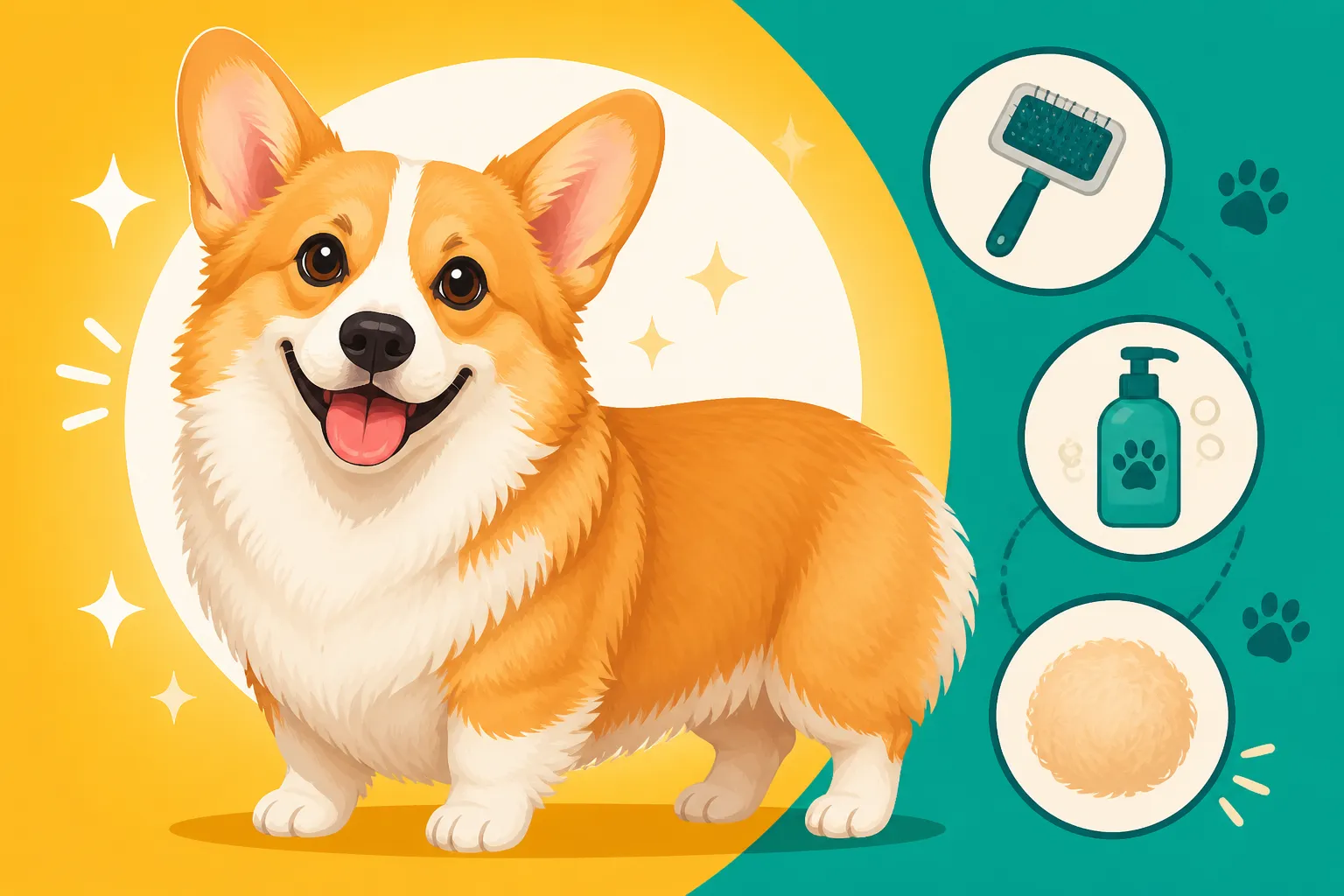
A "fluffy" Corgi isn't a different breed; it's simply a Corgi that carries a recessive gene for long hair. While not recognized in the breed standard for show dogs—in fact, it's considered a disqualifying fault—fluffy Corgis are absolutely purebred. Their coats are characterized by longer, softer guard hairs, extra feathering around the ears, legs, chest, and hindquarters, often giving them a "mane" or "skirt" look. This luxurious growth makes them look incredibly charming, like a little regal lion, but it also means a completely different texture and density to contend with.
Imagine the difference between a sleek, short-haired cat and a fluffy Persian. It's that kind of contrast in coat care. A standard Corgi has a dense, weather-resistant double coat with shorter, coarser guard hairs and a soft undercoat. A fluffy Corgi still has a double coat, but those guard hairs are significantly longer and often silkier, which means they don't lie flat in the same way. This distinction is really important because it impacts everything from how often you brush to what tools you need, and even how well their coat repels dirt and water. If you've ever seen The Fluffy Corgi and the Standard, you'll know exactly what I mean about the differences in appearance.
The result of this genetic trait is a coat that looks magnificent but is a magnet for everything from burrs and leaves to household dust bunnies. It demands consistent attention, or you'll quickly find yourself battling mats that can be uncomfortable for your dog and a nightmare for you to remove. It's a labor of love, for sure, but a happy, well-groomed fluffy Corgi is a joy to behold.
Genetic Roots of the Fluffy Gene
The fluffy coat in Corgis is caused by a recessive gene, specifically the FGF5 gene mutation, often referred to as the "fluffy gene." This means that a Corgi needs to inherit a copy of this gene from both parents to express the fluffy trait. If a Corgi inherits only one copy, they will be a "carrier" – they'll have a standard coat but can pass the fluffy gene on to their offspring. This is why you can sometimes get fluffy puppies in litters from two standard-coated parents. It’s all down to genetics!
Responsible breeders who are aiming for the breed standard will often DNA test their breeding stock to identify carriers of the fluffy gene. While fluffies are not suitable for the show ring, many breeders adore them and place them in loving pet homes where their unique coats are celebrated. It’s a fascinating aspect of Corgi genetics, and understanding it helps you appreciate why your furry friend looks the way they do. Why the Fluffy Corgi Gene Persists often comes down to this recessive inheritance pattern; even if it's not desired for conformation, it keeps popping up!
Knowing the genetic background can also help you understand why some fluffies might have slightly different coat textures or lengths. The expression of the gene can vary, leading to a spectrum from slightly longer-coated Corgis to those with truly dramatic feathering. Regardless of the exact length, the care principles remain largely the same: consistent, thorough grooming is key to preventing problems and maintaining coat health.
How a Fluffy Coat Differs from a Standard Coat
At a glance, the most obvious difference is the length. A standard Corgi's coat is considered "medium" length, lying relatively flat to the body, with a dense, soft undercoat and a harsher, protective outer coat. This combination is highly functional, designed to protect them from the elements while herding. The fluffy coat, however, has significantly longer outer guard hairs that are often softer and more silk-like, particularly noticeable in the "feathering" on their legs, chest, ears, and tail.
This difference in texture and length fundamentally changes how the coat behaves. The longer, softer hairs on a fluffy Corgi are much more prone to tangling and matting. They pick up debris more easily, and they can soak up water like a sponge, making baths a longer process. Where a standard Corgi's coat might shed in clumps during seasonal blowouts, a fluffy Corgi's longer hairs tend to shed more continuously, and those individual hairs are longer, leading to a different kind of "fur tumbleweed" experience around the house. The Long Coat on a Fluffy Corgi really does demand more attention than its standard counterpart.
Furthermore, the protective qualities of the standard double coat can be somewhat compromised in a fluffy Corgi. The longer, softer hairs may not shed water or dirt as effectively, and the coat can trap heat more easily in warm weather. This means you need to be extra vigilant about keeping them cool and dry. Essentially, while both types of Corgi have a double coat, the fluffy version requires a more specialized and intensive grooming regimen to maintain its health and beauty, and to ensure your dog's comfort.
The Unique Shedding Cycle of a Fluffy Corgi
Let’s talk about shedding. If you’re a Corgi owner, you already know the battle against the fur. But a fluffy Corgi? Oh, that's a whole different level of shedding. It's not just more hair; it's a more persistent, often overwhelming release of fur that can make your house look like a Corgi exploded in every room. Understanding this unique shedding cycle is crucial to staying on top of it and preventing your home from becoming a permanent fur-niture exhibit.
Year-Round Shedding vs. Seasonal Blowouts
While all Corgis shed year-round, punctuated by more intense seasonal "blowouts" in spring and fall, fluffy Corgis take this to an extreme. Their longer, softer guard hairs, combined with a dense undercoat, mean that even on a "normal" day, you'll find plenty of fluffy tumbleweeds rolling across your floor. During the seasonal changes, prepare yourself for what feels like a fur hurricane. It’s not uncommon to fill an entire vacuum canister or deshedding tool multiple times a week.
This constant shedding can be a major source of frustration for owners. It means that grooming isn't just a weekly chore; it's often a daily necessity, especially during those heavy shedding periods. You might brush your fluffy Corgi thoroughly in the morning and still find significant amounts of hair by evening. It's a relentless cycle, and accepting it as a fundamental part of fluffy Corgi ownership is the first step. For more on the sheer volume, you might find How Much Hair a Twenty-Eight Pound Corgi Drops a relatable read, as fluffies often exceed those numbers.
The key to managing this is consistency. Little and often is far more effective than trying to tackle a massive build-up once a month. Daily brushing, even just for 15-20 minutes, can dramatically reduce the amount of loose hair in your home and prevent uncomfortable mats from forming, which are much harder to deal with.
Managing the Volume of Fluffy Hair
So, how do you manage what feels like an endless supply of Corgi fur? It starts with the right tools and a routine. Beyond regular brushing, investing in a good quality high-velocity dryer (more on that later!) can be a game-changer. These dryers literally blow out the loose undercoat before it has a chance to fall out all over your house. Many professional groomers swear by them for Corgis, and for fluffies, they're practically essential.
Consider designating specific "grooming zones" in your home, or even better, grooming your fluffy Corgi outdoors when weather permits. This can contain the chaos and prevent fur from spreading throughout every corner of your living space. Regular vacuuming with a pet-specific vacuum is also non-negotiable. Many Corgi owners find themselves vacuuming daily, sometimes multiple times, to keep up.
Another strategy is to make grooming a positive experience for your dog from a young age. Treats, praise, and gentle handling can turn what could be a stressful chore into a bonding experience. If your dog enjoys being groomed, you'll be more likely to stick to the frequent routine needed to manage their impressive volume of hair. Remember, this isn't just for your sanity; it's crucial for your Corgi's comfort and coat health too.
Why the Fluffy Coat Sheds Differently
The difference in shedding isn't just about quantity; it's about the quality of the hair. Standard Corgi guard hairs are coarser and provide a slicker surface, allowing shed undercoat to release more easily or form distinct clumps. Fluffy Corgis, with their longer, softer, often silkier guard hairs, tend to trap the shed undercoat more effectively within the existing coat. This means that the loose hair doesn't always fall out readily; it stays intertwined, creating a higher risk for tangles and mats if not brushed out regularly.
This trapping effect is precisely why fluffy coats can mat so quickly, even with seemingly diligent brushing using the wrong tools. The longer guard hairs also mean that when a single hair does shed, it's more visible and can travel further, contributing to the feeling that fur is absolutely everywhere. It’s not just shorter, fine hairs; it’s long, noticeable strands making their escape.
Understanding this characteristic is key to selecting the right grooming strategy and tools. You need tools that can effectively reach through the long guard hairs to the dense undercoat and gently pull out the dead, loose hair without damaging the healthy coat. Without this targeted approach, you're essentially just brushing the surface, leaving the real problem to fester beneath.
Essential Grooming Tools for the Fluffy Corgi Owner
Alright, so you've embraced the fluff, you understand the shedding, and now you're ready to tackle the grooming head-on. But you can't go into battle unarmed! Having the right tools is half the fight when it comes to managing a fluffy Corgi's magnificent mane. Trying to make do with basic brushes meant for short-haired dogs will only lead to frustration, matting, and a less-than-happy Corgi.
Brushes, Rakes, and Combs: Your Arsenal
For a fluffy Corgi, your grooming kit needs to be extensive. You'll want a sturdy slicker brush with fine, bent wire bristles. This is excellent for removing loose hair and small tangles from the topcoat and feathering. However, it won't get deep into the undercoat on its own. Next, a good undercoat rake is absolutely essential. These tools have widely spaced, strong teeth designed to penetrate the dense undercoat and pull out loose hair without cutting the healthy coat. Look for one with rotating teeth, as these can be gentler and prevent pulling.
A metal greyhound comb, with both wide and fine teeth, is your finishing tool. After using the slicker brush and undercoat rake, run this comb through the coat to ensure there are no hidden tangles or mats. If the comb glides through easily, you’ve done a thorough job. For really tough knots, a dematting tool or a small pair of blunt-tipped scissors might be needed, but always use these with extreme caution to avoid nicking your dog's skin.
Don't skimp on quality when buying these tools. Cheap brushes can break easily, be ineffective, or even scratch your dog's skin. Brands like Furminator (though use the de-shedding tool sparingly and correctly to avoid guard hair damage), Chris Christensen, or Andis often come highly recommended by professional groomers. You can find a wide selection of these at online retailers like Chewy or Amazon. Remember, The Rake and Comb a Corgi Coat Actually Needs for a fluffy Corgi will be different from what a standard-coated Corgi requires.
The Importance of a High-Velocity Dryer
If you take only one piece of advice from this section, let it be this: invest in a high-velocity pet dryer. This isn't just a fancy hair dryer; it's a powerful tool that literally blasts water and loose hair out of your Corgi’s double coat. For a fluffy Corgi, whose coat soaks up water and traps loose undercoat like nobody's business, a high-velocity dryer is a true game-changer. It significantly reduces drying time, prevents mildew and hot spots, and, most importantly, helps to "deshed" your dog more effectively than brushing alone.
Using a high-velocity dryer (always on a cool or low-heat setting to avoid burning your dog's skin) after a bath will amaze you with the sheer volume of loose undercoat it removes. You'll see clouds of fur flying off your dog, which means less fur ending up on your furniture and floors. Many owners find that weekly or bi-weekly use of the dryer, even without a full bath, can help manage shedding dramatically. It’s an investment, but one that pays dividends in reduced shedding, healthier skin, and a happier, less matted Corgi.
When choosing a dryer, look for one specifically designed for pets, with adjustable speed and heat settings. Brands like K-9 II, Metro Air Force, or Flying Pig are popular choices. Introduce your Corgi to the dryer slowly and positively, as the noise can be startling at first. Start with low power, distant from their body, and reward them with treats to build a positive association. This tool truly makes a massive difference in keeping that fluffy coat healthy and manageable.
Shampoos and Conditioners Tailored for Fluffy Coats
Just like human hair, different coat types benefit from different shampoos and conditioners. For a fluffy Corgi, you want products that will clean thoroughly without stripping the coat of its natural oils, and conditioners that will help detangle and add moisture to prevent static and further matting. Look for shampoos designed for double coats or those labeled as "deshedding" shampoos, which can help loosen dead undercoat during the bath.
Avoid harsh shampoos with strong detergents that can dry out the skin and coat, leading to irritation and a dull, brittle coat. A good quality conditioner is paramount for a fluffy Corgi. Apply it thoroughly, focusing on areas prone to matting like the feathering and armpits. Let it sit for a few minutes to really penetrate before rinsing. This will make brushing after the bath significantly easier.
Some brands, like Chris Christensen, Earthbath, or Groomer's Edge, offer excellent products for thick, double-coated breeds. You can often find concentrated formulas at pet supply stores or online from retailers like Chewy or Amazon, which means a bottle lasts longer. Remember, the goal is to cleanse and condition without over-processing, helping those long hairs stay soft, manageable, and less prone to knots.
A Step-by-Step Fluffy Corgi Grooming Routine
Alright, you've got your arsenal of tools ready, and you're mentally prepared for the fluffy fur-nado. Now, let’s talk routine. Consistency is the magic word here. A regular, thorough grooming schedule isn't just about aesthetics; it's crucial for your fluffy Corgi's comfort, skin health, and overall well-being. Think of it as a pampering session, not a punishment, and your Corgi might just enjoy it too!
Pre-Bath Prep: The Initial Brush-Out
Never, ever bathe a matted Corgi. This is grooming rule number one for fluffies. Water tightens mats, making them virtually impossible to remove without resorting to shaving, which you really want to avoid (we'll cover why later). So, before your fluffy Corgi even thinks about stepping into the tub, a thorough pre-bath brush-out is non-negotiable.
Start by using your undercoat rake to go through the entire coat, section by section. Pay special attention to the areas where mats commonly form: behind the ears, under the armpits, around the "skirt" (the long hair on their hindquarters), and the feathering on their legs. Work slowly and gently, holding the hair at the base near the skin to prevent painful pulling. Once the rake moves through smoothly, follow up with your slicker brush to catch any remaining loose hairs and small tangles.
Finally, take your metal comb and run it through the coat. If the comb glides from root to tip without snagging, you’re good to go. If you hit snags, go back with your rake or slicker brush until the comb passes through easily. This pre-bath ritual might take a good 30-60 minutes, depending on the condition of the coat, but it's an investment that saves you much more time and heartache down the line. It ensures the shampoo can actually reach the skin and that you won't be battling soggy, tightened mats later.
The Bathing Process: Getting Down to the Skin
Once your fluffy Corgi is mat-free, it's bath time! Because their coats are so dense and long, it's vital to ensure you wet the coat completely down to the skin, and then thoroughly work the shampoo in, rinsing completely. Start by thoroughly saturating the coat with warm water. This can take longer than you'd expect due to the fluff's water-repelling qualities.
Apply a good quality shampoo, diluted according to the product's instructions, and work it gently into the coat, massaging down to the skin. Pay attention to those easily soiled areas like the belly and paws. Rinse, rinse, rinse! This is arguably the most important part of the bath. Any residual shampoo can irritate the skin and leave the coat dull or sticky, leading to faster matting. You'll need to rinse far longer than you think, until the water runs completely clear and you feel no soapiness in the coat.
After shampoo, apply a suitable conditioner. Again, work it well into the coat, especially in the areas prone to tangles. Allow it to sit for the recommended time (usually 3-5 minutes) to really soften the hair and help with detangling. This step is a secret weapon against future mats. Rinse the conditioner out just as thoroughly as the shampoo. If you're looking for guidance, think about How Often a Corgi Actually Needs Washing, and adapt it for the fluffy coat; generally, monthly or every 6-8 weeks is sufficient unless they get particularly dirty.
Drying and Final Finishing Touches
This is where your high-velocity dryer earns its keep. After blotting your Corgi with a super-absorbent towel, get that dryer out. Start on a low setting to get them used to the noise and sensation, always keeping the nozzle moving and a safe distance from their skin. As they get comfortable, you can increase the speed. The goal is to dry the coat completely, from root to tip.
As you dry, use the dryer to "line dry" the coat. This means pushing the air against the direction of hair growth to lift the hair and help shed the undercoat. Use your slicker brush simultaneously to brush through the coat as you dry, removing any loosened hair and ensuring it dries straight and smooth. This active drying process prevents mats from forming as the coat dries and helps achieve that beautifully fluffy, airy look. Do not let your fluffy Corgi air dry, especially if they have a dense coat. Dampness trapped in the undercoat can lead to skin issues like hot spots.
Once completely dry, give your Corgi one last thorough brush-out with your metal comb to check for any missed spots or residual tangles. Trim nails (or have your vet or groomer do it), check ears for cleanliness, and give them a well-deserved treat for being such a good sport. Congratulations, you’ve just transformed your fluffy Corgi into a perfectly groomed, glorious cloud of happiness!
Common Fluffy Corgi Coat Challenges and Solutions
Owning a fluffy Corgi is a joy, but it's not without its unique grooming headaches. From persistent matting to dealing with all the debris their long coats collect, you'll encounter a few challenges that standard Corgi owners might not face to the same extent. Being prepared for these common issues with practical solutions will save you a lot of stress and keep your Corgi comfortable and happy.
Preventing Mats and Tangles
Mats and tangles are the archenemy of the fluffy Corgi owner. They form when shed hair gets caught in the longer guard hairs and doesn't fall out, then gets knotted and compacted, often with dirt and skin oils. Left untreated, mats can become tight, painful, and pull on the skin, leading to skin irritation, infections, and discomfort. The best solution? Prevention.
Daily brushing is your primary defense. Focus on those friction points: behind the ears, under the legs (armpits), the "skirt," and around the collar or harness area. These are the places where movement causes hair to rub and tangle most easily. Using a detangling spray or a light conditioning spray during your daily brush-out can also help the brush glide through the coat more easily, reducing static and friction. You might be surprised to learn that Whether a Fluffy Corgi Mats is an almost definite "yes" without diligent care.
Furthermore, consider applying a thin layer of cornstarch or specialized grooming powder to very small, fresh tangles before attempting to brush them out. The powder helps to dry the hair and loosen the knot. Always work from the ends of the hair towards the skin, using a gentle brushing or combing motion, rather than trying to pull through the entire mat at once. For more severe mats, it’s always safer to consult a professional groomer or your vet, as cutting them out incorrectly can easily injure your dog.
Dealing with Dirt and Debris
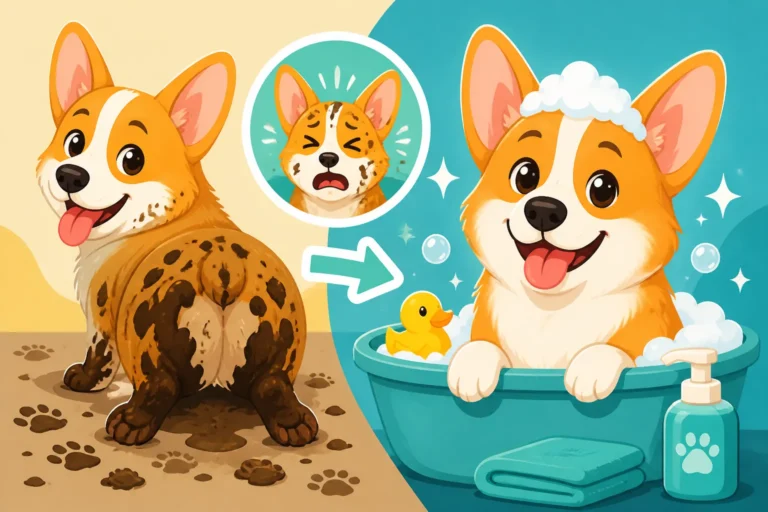
A fluffy Corgi's long, low-slung coat acts like a natural magnet for all sorts of dirt and debris. Mud, leaves, burrs, twigs – you name it, it's probably getting picked up by their voluminous fluff. After every outdoor excursion, especially in damp or wooded areas, a quick visual check and brush-down is essential. Don't wait for things to dry and embed themselves deeper into the coat.
For everyday dirt and mud, a damp towel dedicated to paw and belly wiping is your best friend. Keep one by the door. For more stubborn debris like burrs, gently pick them out with your fingers or a comb. If they're really entangled, a small amount of cornstarch can sometimes help lubricate the hair, making them easier to remove. Never pull forcefully, as this can be painful and damage the coat.
For overall freshness between baths, a waterless shampoo or pet-safe grooming wipes can do wonders for spot cleaning particularly grubby areas. Just remember that these are temporary fixes and don't replace a full bath and blow-dry to truly deep clean and deshed the coat. Ensuring your Corgi walks on paved or clean paths when possible can also help minimize how much nature they collect.
The Dangers of Shaving a Fluffy Corgi
It might seem like the easiest solution to combat matting and shedding, but shaving a fluffy Corgi (or any double-coated breed) is generally a bad idea and can lead to a host of problems. Many owners, overwhelmed by the shedding or concerned about heat, consider it. However, the double coat serves crucial functions: it insulates against both heat and cold, protects the skin from sunburn and insects, and helps regulate body temperature.
When you shave a double coat, you disrupt this natural protection. The outer guard hairs, which are tougher and designed to protect, grow back slowly and sometimes unevenly, while the softer undercoat can grow back faster and thicker, leading to a "blown" coat that mats even more easily. This can permanently alter the coat texture, making it coarser, patchier, and less functional. Why Clipping a Corgi Ruins the Coat is something every owner should understand deeply.
Instead of shaving, focus on regular, thorough deshedding. This removes the dead undercoat, allowing for better air circulation and insulation, which helps keep your Corgi cooler in summer and warmer in winter. If you're concerned about heat, focus on keeping your Corgi indoors during the hottest parts of the day, providing plenty of fresh water, and using cooling mats. A good deshedding bath and blow-dry by a professional groomer can feel like a "summer cut" without the risks of actual shaving.
Beyond the Brush: Other Considerations for Fluffy Corgi Care
Grooming a fluffy Corgi isn't just about what happens on the grooming table; it's an integrated approach that includes what goes into their body and how their environment is set up. Thinking holistically about your fluffy friend's care can make a huge difference in the health and manageability of their impressive coat. It’s all interconnected!
Nutrition's Role in Coat Health
You know the old saying, "you are what you eat"? Well, the same goes for your Corgi, and it shows directly in their coat health. A dull, dry, or excessively shedding coat can sometimes be a sign of nutritional deficiencies. Feeding a high-quality, balanced diet specifically formulated for dogs is foundational to a healthy coat. Look for foods with good sources of animal protein as the first ingredient, and healthy fats like omega-3 and omega-6 fatty acids.
Many premium dog foods, including those from brands like Ollie, incorporate ingredients like fish oil, flaxseed, and other nutrients known to support skin and coat health. If your Corgi's coat seems particularly dry or lacks luster despite your best grooming efforts, you might consider talking to your vet about adding a fish oil supplement to their diet. These healthy fats can significantly improve coat shine, reduce dryness, and even help with skin issues.
However, be mindful of their weight. Corgis are prone to gaining weight, and extra pounds can put strain on their joints and back. Feeding a Corgi So Its Spine Carries Less is crucial, and obesity can also negatively impact skin and coat health, sometimes making grooming more difficult. A healthy weight contributes to overall vitality, which absolutely reflects in a glossy, strong, and manageable coat.
Adapting Your Home Environment
Living with a fluffy Corgi means making a few adjustments to your home environment to keep both your Corgi and your sanity intact. The sheer volume of hair means you'll need a robust vacuum cleaner, ideally one designed for pet hair, and you'll likely use it frequently. Robot vacuums can be a blessing for daily maintenance, picking up those ubiquitous fur tumbleweeds.
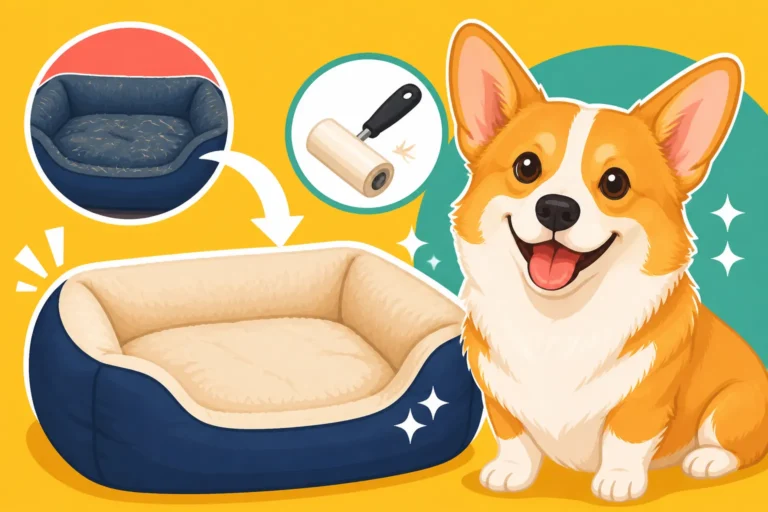
Consider strategically placed rugs or mats, especially near entryways, to help trap dirt and debris before it gets tracked throughout the house. For your Corgi's comfort and to prevent mats, an orthopedic bed with a removable, washable cover is a great idea. This not only supports their back but also makes it easy to keep their sleeping area clean and fur-free.
Lastly, think about the tools you use for cleaning yourself. A good lint roller (or several!) should be a staple in every room and even in your car. Owning a fluffy Corgi means accepting that some fur will always be present, but adapting your environment helps keep it manageable and prevents it from becoming overwhelming.
Professional Grooming vs. DIY
Deciding whether to take on all the grooming yourself or enlist the help of a professional groomer is a common dilemma for fluffy Corgi owners. There are pros and cons to both. DIY grooming can save money and offers a wonderful bonding experience, but it requires a significant time commitment, the right tools, and a fair amount of patience and skill. You might be surprised at the sheer amount of effort involved, and Whether a Fluffy Corgi Needs a Groomer is a question many eventually answer with a resounding "yes."
Professional groomers have specialized equipment, like those high-velocity dryers, industrial-strength tubs, and a range of products tailored for double coats. They also have the experience to handle challenging mats safely and efficiently. A regular professional grooming every 6-8 weeks, coupled with consistent at-home brushing, can make a huge difference in managing a fluffy Corgi's coat. They can also perform nail trims, ear cleanings, and express anal glands, which are important parts of overall care.
Ultimately, the best approach for many fluffy Corgi owners is a hybrid one. Daily brushing and quick clean-ups at home are essential, but scheduling regular professional appointments for baths, deshedding treatments, and comprehensive coat maintenance can ease the burden and ensure your Corgi’s coat stays in top condition. This combination often provides the best of both worlds, keeping your fluffy friend looking fabulous without requiring you to become a full-time professional groomer yourself.
Debunking Myths About the Fluffy Corgi Coat
As with many unique traits in dog breeds, fluffy Corgis often come with their own set of misconceptions. It's easy to fall for these myths, especially when you're navigating the challenges of their coat. Let's clear up some of the common misunderstandings surrounding the glorious, demanding fluffy Corgi coat.
"Fluffies are Always Unhealthy"
This is a pervasive myth that simply isn't true. A fluffy coat is a cosmetic fault according to the breed standard, meaning it's not ideal for conformation showing, but it does not inherently mean the dog is unhealthy. Fluffy Corgis can be just as healthy, robust, and long-lived as their standard-coated counterparts. The gene that causes the fluffy coat is completely separate from genes that might predispose Corgis to common health issues like hip dysplasia or degenerative myelopathy.
The only "health concern" directly related to the fluffy coat itself is the increased risk of matting and subsequent skin irritation or infection if the coat is not properly maintained. But this is a management issue, not an inherent genetic health defect. In fact, many fluffy Corgis live wonderfully active lives, full of zoomies and adventures, just like any other Corgi. Sometimes, people assume that because they're not "standard," they must be somehow inferior, which is unfair and inaccurate. Even considering things like Whether a Fluffy Corgi Is Sold Cheaper, it's often due to the show ring disqualification, not underlying health problems.
Responsible breeders will screen their fluffy Corgis for the same health issues as their standard-coated dogs, ensuring they are free from common breed-specific ailments. A fluffy Corgi from a reputable breeder is just as likely to be healthy as a standard Corgi. The focus should always be on the dog's overall health and the care provided, rather than making assumptions based solely on coat length. Whether a Fluffy Corgi Has Different Health Risks generally comes down to coat care and not much else.
"Fluffies are Hypoallergenic"
Oh, if only! This is another common misconception, often born out of wishful thinking. Unfortunately, fluffy Corgis are definitely not hypoallergenic. In fact, they shed just as much, if not more, than standard Corgis, and it's not the hair itself but the dander (dead skin cells) and saliva that primarily cause allergic reactions in humans.
Because fluffy Corgis have such dense double coats and shed continuously, they are constantly releasing dander into their environment. While some people may react less to certain individual dogs, there is no scientific basis to suggest that the fluffy coat type reduces allergens. If you or a family member suffer from severe pet allergies, a Corgi, fluffy or standard, is generally not the best choice of breed.
There are no truly hypoallergenic dog breeds, only breeds that shed less and therefore distribute fewer allergens. Corgis, with their prolific shedding, fall firmly into the high-allergen category. For those with allergies, meticulous grooming (often by someone without allergies!), air purifiers, and frequent cleaning can help, but it won't eliminate the problem entirely. It’s a harsh truth, but understanding Whether Anyone With Allergies Can Keep a Corgi means being realistic about this breed.
"It's Just More Hair, What's the Big Deal?"
This sentiment is often voiced by people who've never actually owned a fluffy Corgi, or perhaps any double-coated, long-haired dog. While it is more hair, the "big deal" lies in the texture, density, and how that hair behaves. It's not just a longer version of a standard coat; it's a coat that actively seeks to tangle, mat, and embed itself into every fiber of your home.
The demands on your time, energy, and resources (for tools, professional grooming, and vacuum bags!) are significantly higher with a fluffy Corgi. What might be a quick once-a-week brush for a short-coated dog becomes a daily ritual for a fluffy to prevent serious problems. The "big deal" is the commitment. It's the difference between a minor chore and a major lifestyle adjustment.
But for those who embrace the challenge, the fluffy Corgi's coat is a source of immense charm and character. It requires dedication, patience, and the right knowledge, but the reward is a stunningly beautiful, comfortable, and healthy companion. It's a deal, yes, but a wonderfully rewarding one for the right owner.
Here's a quick comparison of the grooming demands between a standard and fluffy Corgi:
| Feature | Standard Corgi Coat | Fluffy Corgi Coat |
|---|---|---|
| Length/Texture | Medium length, coarse guard hairs, dense undercoat | Longer, softer guard hairs, profuse feathering |
| Shedding | Moderate year-round, heavy seasonal blowouts | Heavy year-round, extreme seasonal blowouts |
| Matting Risk | Low to moderate, primarily during blowouts | High, especially in friction areas and feathering |
| Brushing Freq. | 2-3 times per week, daily during blowouts | Daily, often twice daily during heavy shedding |
| Key Tools | Slicker brush, undercoat rake, metal comb | Slicker brush, undercoat rake, metal comb, HV dryer |
| Bathing | Monthly/Bi-monthly, ensuring full dry | Monthly/Bi-monthly, meticulous pre-brush & full dry |
| Special Care | Minimal, focus on deshedding | Detangling sprays, constant debris checks, mat prevention |
| Shaving | Not recommended, can damage coat | Strongly discouraged, higher risk of coat damage |
| Time Comm. | Moderate | Significant |
Disclaimer
This article is for general informational purposes only and does not constitute professional advice. Laws, prices and regulations vary by location and change over time. Consult a qualified professional for guidance on your specific situation.