A House-Trained Corgi Having Accidents
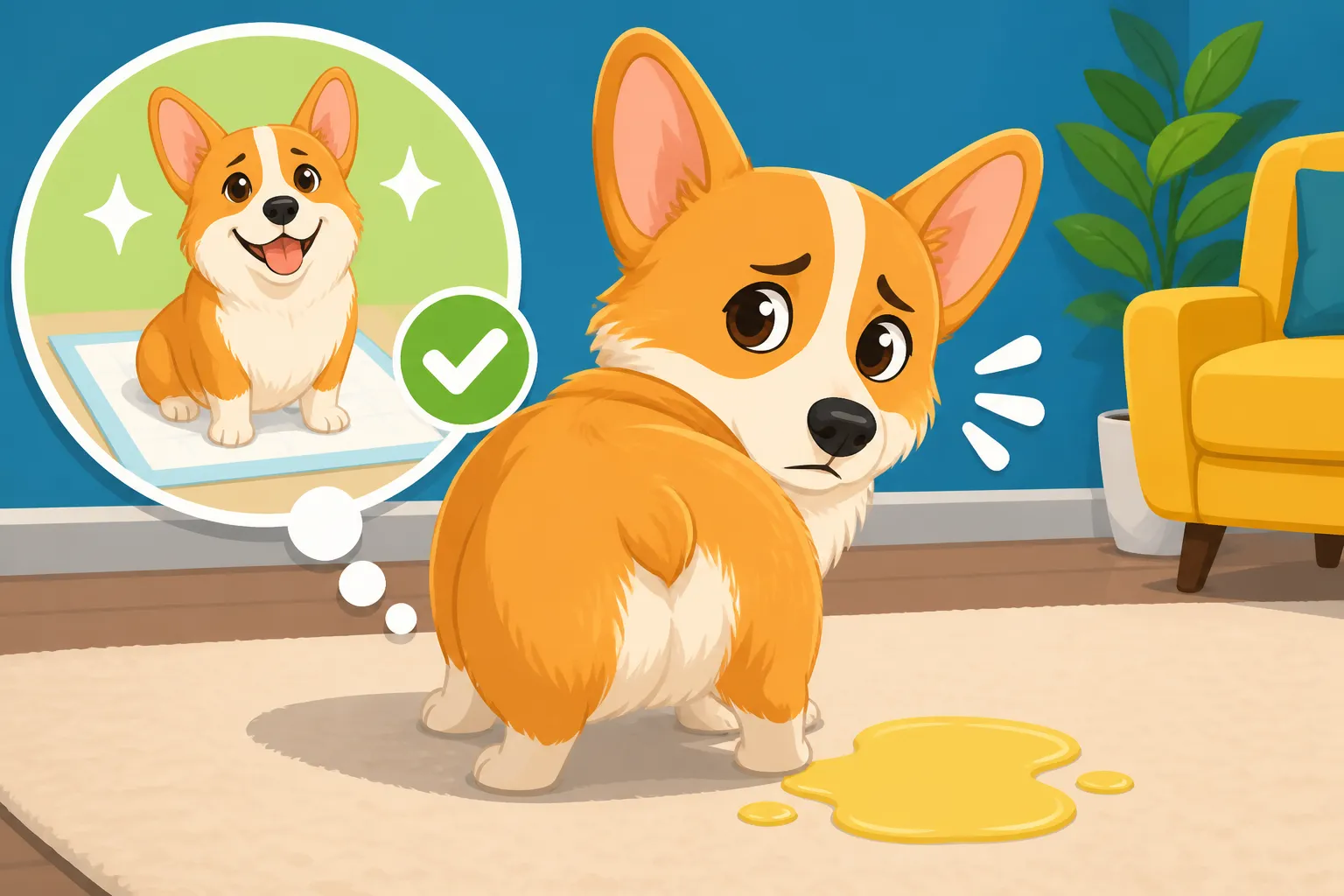
It's incredibly frustrating and confusing when your usually reliable Corgi suddenly starts having accidents indoors. You've put in the time and effort, established a routine, and then, seemingly out of nowhere, your furry friend starts peeing or pooping inside the house. This isn't just a nuisance; it's often a sign that something is amiss, and it can be truly upsetting for both you and your beloved Corgi. This comprehensive guide will walk you through the common reasons why a house-trained Corgi might be having accidents, from medical issues to behavioral changes, and offer actionable steps to help you get back on track.
Unpacking the Medical Mysteries Behind Sudden Accidents
This is often the first and most critical area to investigate when a house-trained Corgi starts having accidents. A sudden change in house-training habits, especially in an adult Corgi, frequently points to an underlying health problem. It's important to remember that this isn't usually your Corgi being "naughty" or spiteful; it's often their way of telling you something is wrong internally. Their inability to hold it or go in the right place is a symptom, not a deliberate act of defiance.
Urinary Tract Infections and Bladder Issues
Just like us, dogs can get urinary tract infections (UTIs), which can cause significant discomfort and an urgent, overwhelming need to urinate. A Corgi with a UTI might suddenly need to go out much more frequently, strain to urinate, or even have small, uncontrolled leaks between trips outside. You might notice them squatting more often than usual, or perhaps a slight change in the smell or color of their urine. This urgent sensation can be too much for them to hold, even if they perfectly understand the rules of going outside. The discomfort makes it nearly impossible to wait.
Beyond simple UTIs, Corgis can also be prone to other bladder problems such as bladder stones, or more serious kidney issues. These conditions can irritate the bladder lining, cause partial blockages, or significantly increase thirst, leading to more urine production and a reduced ability to hold it. Imagine having a constant ache or pressure in your own bladder; it's incredibly hard to hold it in when every muscle clenches. If your Corgi is drinking noticeably more water than usual, and consequently peeing more, that's a huge red flag that needs immediate veterinary attention. Don't wait on this; it's uncomfortable for them and can worsen quickly, potentially leading to more serious health complications.
Hormonal and Metabolic Conditions
Sometimes, indoor accidents can stem from hormonal imbalances. Spayed female Corgis, particularly as they approach middle age and senior years, can develop what's called hormone-responsive incontinence. This isn't a behavioral issue at all; it's a physical inability of their bladder sphincter muscles to control the flow of urine effectively, leading to involuntary leaks, often when they're relaxed, lying down, or even asleep. It's heartbreaking to see your otherwise healthy Corgi leave a puddle without even realizing they've done it. It truly is beyond their control, and they'll often wake up confused or startled by the wet spot. Incontinence in a Corgi With DM highlights how bladder control can be compromised.
Then there are metabolic conditions like diabetes or Cushing's disease. Both of these can cause a dramatic and insatiable increase in thirst and urination. A Corgi with diabetes, for instance, might be drinking water constantly throughout the day and night, and therefore needs to urinate much more frequently than their usual potty schedule allows. Their bladder simply can't hold the increased volume of urine, leading to accidents. These conditions often come with other tell-tale symptoms too, like changes in appetite, weight fluctuations (either gain or loss), or a noticeable difference in their coat condition, but increased urination is a very common and early sign that warrants investigation.
Spinal and Neurological Concerns
This is a particularly critical area for Corgi owners, given their unique long-backed, short-legged build. Corgis are unfortunately predisposed to serious back problems, most notably Intervertebral Disc Disease (IVDD) and Degenerative Myelopathy (DM). Disc Disease in a Long-Backed Corgi provides an in-depth look at their spinal vulnerabilities. These conditions can directly impact the nerves that control bladder and bowel function. If your Corgi's spine is causing pain, nerve compression, or a loss of sensation, they might be unable to get to their designated potty spot in time, or they might even lose awareness of when they need to go, leading to unexpected accidents. The connection between spinal health and continence is profound.
With conditions like Degenerative Myelopathy and the Corgi, which is a progressive neurological disease primarily affecting the hind legs and coordination, a Corgi might struggle physically to maintain a normal potty posture or simply not be able to make it outside fast enough. They might stumble, drag their feet, or collapse, and the physical effort required to move to an appropriate elimination area can become too much. DM is a slow, progressive disease, so any sudden changes in house-training alongside new or worsening mobility issues should immediately make you think of underlying spinal or neurological health. Furthermore, a Corgi experiencing extreme pain from a ruptured disc might become hesitant to move at all, or might urinate or defecate where they lie because moving is simply too agonizing. Telling a Corgi's Slipped Disc From Myelopathy can help you recognize the differences in symptoms between these two serious conditions.
Behavioral and Environmental Influences on Potty Habits
Once any potential medical issues have been thoroughly ruled out by your trusted veterinarian – and seriously, always start there – it's time to shift your focus and consider what might be happening in your Corgi's world that could be causing a regression in their house-training. Sometimes, the problem isn't a physical ailment but rather an emotional, psychological, or environmental one. These factors can be just as impactful on a Corgi's behavior.
Stress, Anxiety, and Fear
Corgis are incredibly intelligent and sensitive dogs, and changes in their environment or routine can easily trigger feelings of stress, anxiety, or even fear. A new baby joining the family, the introduction of a new pet (even another Corgi), a move to a different house, significant changes in your work schedule leading to longer alone times, or even sudden loud noises like fireworks or thunderstorms can cause a Corgi to feel insecure and unsettled. When dogs are under stress, they can sometimes revert to more primitive behaviors, and indoor accidents can very much be a manifestation of that underlying anxiety. It's not a malicious act; it's a clear sign they're not coping well with their current situation.
For instance, if you've recently started working longer hours, your Corgi might simply not be able to hold it for that extended period. Their bladder capacity hasn't changed, but the expectation has. Or perhaps a new dog in the household is causing them to feel territorial or insecure, leading to marking inside the house as a way to assert themselves. Pay close attention to when the accidents are happening – is it when you leave, when a particular person or pet is around, or during a specific external event? This context can provide enormous clues about the root cause of the anxiety.
Marking, Submissive, and Excitement Urination
These are distinct behavioral patterns that can lead to indoor accidents, and it's important to understand the differences between them. Marking behavior is typically seen more often in intact males, but it's important to know that spayed females and even neutered males can engage in marking, especially if a new dog has joined the household or they smell other unfamiliar dog scents. It’s their innate way of claiming territory or communicating their presence. You'll often see small amounts of urine deposited on vertical surfaces like furniture legs, walls, or curtains, rather than a full emptying of the bladder. If your Corgi is marking, it's usually a strategic "sprinkle" rather than a puddle.
Submissive urination, on the other hand, occurs when a dog feels threatened, extremely intimidated, or even overly reprimanded. It's an involuntary response, often seen in puppies but can persist in adult dogs with certain temperaments or past negative experiences. If your Corgi pees a little when greeted excitedly, when someone leans over them, or when they're being scolded in a harsh tone, it's likely submissive urination. Similarly, excitement urination happens when a Corgi gets overly stimulated or excited – perhaps when you first come home after a long day, or when a favorite guest arrives. Again, it's an involuntary, often small puddle, and they truly can't help it in the moment; it's a physiological response they haven't learned to control.
Changes in Routine or Access
Life happens, and sometimes our routines shift without us even realizing how significantly it might impact our Corgi. Ask yourself: Are you letting them out at the same frequency as before? Has their preferred potty spot changed, perhaps due to new landscaping, a new fence, or another animal claiming that space? A Corgi, like many dogs, thrives on routine and predictability, and even subtle shifts can disrupt their internal clock and expectations. If your Corgi used to have free access to a dog door and now doesn't, or if you've moved to an apartment building where potty breaks require a leash, an elevator ride, and a longer journey to a patch of grass, that added barrier or inconvenience can absolutely lead to accidents.
Sometimes, the issue isn't a complete lack of opportunity but a change in the quality of the opportunity. Are you rushing them outside, expecting them to perform immediately as soon as you open the door? Or are they getting enough time to sniff around, feel comfortable, and truly empty their bladder and bowels? A quick dash outside isn't always sufficient, especially for an older dog who might need more time to get settled and go. Consider the comprehensive advice in The Forty-Five Minutes a Corgi Needs Daily for understanding their exercise and mental stimulation requirements, which often tie into successful potty routines.
Age-Related Considerations and Cognitive Changes
As our beloved Corgis enter their senior years, typically around eight to ten years old, their bodies and minds begin to change in subtle yet impactful ways. This natural process of aging can absolutely affect their ability to maintain perfect house-training. It's a normal, though challenging, part of having an older dog, and it requires significant understanding, patience, and often a shift in management strategies from us. When a Corgi Starts Being Treated as Old often marks a shift in their care needs and physical capabilities.
Cognitive Dysfunction Syndrome (Canine Dementia)
Just like humans can experience various forms of dementia, dogs can develop Canine Cognitive Dysfunction Syndrome (CDS), which is essentially canine dementia. This condition can cause a range of symptoms including disorientation, changes in sleep-wake cycles, altered interactions with family members, and, crucially, a decline in previously learned behaviors like house-training. A Corgi with CDS might simply "forget" their house-training rules, or become disoriented and not remember where the door is, or even why they're standing inside when they need to go out. They might stare blankly at walls or get stuck in corners.
You might notice other accompanying signs alongside the indoor accidents: staring blankly at walls, pacing restlessly (especially at night), increased vocalization for no apparent reason, or a decreased interest in playing or interacting with you and other pets. It's a heartbreaking condition to witness, but recognizing it is the first step to managing it effectively and kindly. These dogs aren't being stubborn or naughty; their brains are genuinely struggling, and patience and extra understanding are absolutely paramount. An older Corgi might also experience moments where they seem to An Old Corgi That Gets Lost in the House, further indicating cognitive decline.
Weakening Bladder Sphincter and Mobility Challenges
With age, muscles throughout the body naturally lose some of their tone and strength, and this includes the muscles of the bladder sphincter. This natural weakening can lead to age-related incontinence, especially when the dog is relaxed, sleeping soundly, or if they experience sudden pressure like a cough or sneeze. It's not that they don't want to hold it; it's that their body simply can't always do so perfectly anymore. This type of incontinence is more common in spayed female dogs due to hormonal changes, but it can affect any senior dog, regardless of sex.
Additionally, many older Corgis develop arthritis or other mobility issues, making it painful, stiff, or simply difficult to get up quickly and go outside when the urge strikes. Imagine having stiff, aching joints and a sudden, urgent need to go to the bathroom; getting to the door, navigating steps, and finding a suitable spot outside can become a slow, painful, and even impossible ordeal. Early Arthritis in a Corgi is a very real concern for this breed. This can tragically lead to accidents happening right by the door, or even just where they are lying, because the sheer effort to move is too great or too agonizing. Ramps for beds and furniture, and easier, more frequent access to outdoor areas become incredibly important for these dogs to maintain their dignity and comfort. For Corgis whose mobility is significantly impacted, Mobility Aids for a Corgi That Cannot Walk can offer valuable solutions.
Taking Action: What to Do When Accidents Occur
Discovering an accident from your previously house-trained Corgi is frustrating, disheartening, and can feel like a major setback. However, it's critical to approach this situation with patience, empathy, and a clear problem-solving mindset. Your immediate reaction, both emotionally and practically, can significantly influence how you and your Corgi navigate this challenging period.
The All-Important Veterinary Visit
I cannot stress this enough: your very first step must be a visit to your veterinarian. As we've discussed extensively, a significant percentage of house-training regressions in adult dogs have an underlying medical cause. Assuming it's a behavioral issue without a vet check first could lead to delayed treatment for a serious condition. Your vet will perform a thorough physical exam, collect a urine sample (checking for UTIs, crystals, or diluted urine that could indicate diabetes), and might recommend blood work to check for kidney disease, diabetes, Cushing's disease, or other metabolic issues. They'll also carefully assess for any signs of pain, lameness, or neurological issues that could point to spinal problems. The Vet Visits a Corgi Puppy Needs First sets the stage for lifelong health management, but senior visits are equally crucial.
Be prepared to give your vet a detailed history of the problem. Specifics are incredibly helpful:
- When exactly did the accidents start? Was it sudden or gradual?
- Are they urine, feces, or both?
- How often are they happening, and at what times of day?
- Is your Corgi showing any other new symptoms (increased thirst, lethargy, limping, changes in appetite, changes in sleep)?
- Have there been any recent changes in your household or daily routine?
- What does your Corgi's normal potty schedule look like versus now?
This comprehensive information is invaluable for a proper diagnosis. If your vet suspects a spinal issue, they might recommend more advanced imaging like X-rays or even an MRI. Remember, early diagnosis and appropriate treatment can make a huge difference in your Corgi's comfort, prognosis, and your ability to manage the situation, especially with conditions like IVDD or recurrent UTIs.
Management Strategies and Retraining Techniques
Once any medical issues are addressed and ruled out, or if none are found, you'll need to implement management and retraining strategies. It’s helpful to mentally approach your Corgi as if they were a puppy again, but with an adult brain that's just a bit confused, overwhelmed, or physically limited. They understand the concept, but something is preventing them from executing it.
First, significantly increase the frequency of potty breaks. Take your Corgi out much more often than before, especially after waking up, within 15-20 minutes after eating or drinking, and certainly right before bedtime. Reward them enthusiastically every single time they eliminate outside. Make it a huge celebration with praise, petting, and a tasty treat! This powerfully reinforces the correct behavior. Consider setting a timer on your phone as a consistent reminder to take them out every hour or two initially, gradually extending the time as they improve.
For managing accidents indoors, doggy diapers or reusable belly bands (for males marking) can be temporary lifesavers, especially for leaks or marking. You can find these easily from retailers like Amazon. They won't solve the underlying problem, but they will protect your home and reduce stress while you work on diagnosis and retraining. For Corgis struggling with mobility or incontinence, a quality orthopedic dog bed can provide essential comfort and support, and easily washable covers are an absolute must. You might also explore ramps and steps through retailers like Amazon to make getting on and off furniture safer, thus Ramps and Steps That Save a Corgi's Back.
Retraining might involve going back to basics with crate training, but only if the crate is a positive, den-like place for your Corgi and they're not having accidents in their crate (which would strongly suggest a medical issue, severe anxiety, or that the crate is too large). The core idea is to limit their unsupervised access to areas where accidents might occur, supervise them closely when they are out, and take them out frequently. If you happen to catch them in the act indoors, calmly interrupt them with a gentle sound (like a clap), immediately take them outside, and then reward them lavishly if they finish their business there. Never, ever punish them after the fact; they won't associate the punishment with the accident, only with your unpredictable anger, which can damage your bond and worsen anxiety.
Here's a quick comparison of common reasons for accidents and initial responses:
| Potential Cause | Common Signs | Initial Response |
|---|---|---|
| Urinary Tract Infection (UTI) | Frequent urination, straining, small puddles, licking genitals, cloudy/bloody urine | IMMEDIATE Vet visit for urine test, antibiotics. |
| Bladder Stones | Similar to UTI, blood in urine, painful urination, recurrent UTIs | IMMEDIATE Vet visit, imaging (X-ray/ultrasound), special diet or surgery may be needed. |
| Hormone-Responsive Incontinence | Leaks when relaxed/sleeping, unaware of accidents, often spayed female | Vet visit, diagnosis, medication (e.g., estrogen or PPA). |
| Diabetes/Cushing's Disease | Increased thirst/urination, significant appetite changes, weight changes (gain/loss), lethargy | Vet visit, blood work, specific medication/management. |
| Spinal Issues (IVDD/DM) | Weakness/wobbling in hind legs, pain, difficulty moving, scuffing paws, reluctance to jump/use stairs | IMMEDIATE Vet visit (neurological exam, imaging), rest, medication, possible surgery or therapy. Screening an Older Corgi's Spine is vital. |
| Stress/Anxiety | Pacing, panting, destructive behavior, vocalization, timing with known triggers | Vet check (rule out medical), identify trigger, counter-conditioning, environmental enrichment, potentially anti-anxiety medication/supplements. |
| Marking Behavior | Small amounts of urine on vertical surfaces, intact male/new dog/new home | Vet check (rule out medical), neutering (if applicable), intense enzymatic cleaning, consistent supervision, positive redirection. |
| Cognitive Dysfunction (CDS) | Disorientation, pacing, altered sleep-wake cycles, forgetting commands, changes in interaction | Vet visit (rule out other medical causes), medication/supplements to support brain health, consistent routine, environmental aids. |
| Mobility Issues (Arthritis) | Lameness, reluctance to move, difficulty rising/climbing, slow to get outside | Vet visit (pain management, joint supplements), ramps/steps, orthopedic beds, shorter/more frequent outdoor trips. |
Thorough Cleaning Protocols
This might seem like a minor point, but it's absolutely crucial for success. If your Corgi has an accident indoors, merely wiping it up with a paper towel or using a standard household cleaner isn't enough. Dogs are cued by scent, and even if you can't smell residual urine, your Corgi certainly can. That lingering odor, imperceptible to us, essentially marks the spot as an acceptable "bathroom" for them, strongly encouraging them to use it again and again.
You absolutely need an enzymatic cleaner designed specifically for pet odors and stains. These powerful cleaners break down the urine at a molecular level, truly eliminating the scent rather than just masking it with perfume. There are many excellent options available online through retailers like Amazon, such as Rocco & Roxie Supply Co. Stain & Odor Eliminator or Nature's Miracle.
Follow the instructions on the cleaner carefully, as they often involve saturating the affected area and letting it sit for a specific period to allow the enzymes to work. If the accident happened on carpet or upholstery, you might need to clean a significantly larger area than just the visible stain, as urine can soak and spread deep into padding or fibers. For particularly stubborn or recurring spots, consider temporarily placing a puppy pad over the thoroughly cleaned area for a short time, giving them an acceptable alternative while intensive retraining progresses. Without truly eliminating the odor, you're fighting an uphill battle against your Corgi's powerful sense of smell.
It's a tough, emotionally draining road when your perfectly house-trained Corgi starts having accidents, but with unwavering patience, consistent persistence, and by prioritizing that all-important veterinary visit, you can often get to the bottom of it and help your furry friend regain their confidence and comfort, and get your home back to normal.
Disclaimer
This article is for general informational purposes only and does not constitute professional advice. Laws, prices and regulations vary by location and change over time. Consult a qualified professional for guidance on your specific situation.