Whether Sedatives Help a Corgi on Rest
When your lively Corgi faces a period of enforced rest, perhaps due to a disc injury or surgery, the thought of keeping such an active, opinionated dog calm can feel utterly overwhelming. You're trying to aid their recovery, but their boundless energy seems determined to sabotage it. This guide explores whether sedatives can truly help a Corgi on rest, examining the various options, their benefits and drawbacks, and crucial non-sedative strategies to manage a restless Corgi.
Why Corgis Struggle So Much With Rest
Let's be honest: Corgis aren't exactly known for their chill, couch-potato demeanor, are they? These are dogs bred for herding cattle, darting under hooves, and making quick decisions on the farm. Their minds are sharp, their bodies are built for action, and suddenly asking them to be still for weeks on end is like asking a race car to stay parked in the garage indefinitely. This inherent drive makes enforced rest incredibly challenging for both the dog and their devoted human.
The Corgi's Innate Energy and Drive
A Corgi's brain is wired for purpose. They thrive on activity, whether it's a brisk walk, a game of fetch, or, let's be real, supervising your every move in the kitchen. They possess a surprising amount of stamina for their size, and that energy has to go somewhere. When a Corgi is told they can't run, jump, or play, that pent-up energy doesn't just vanish. It often manifests as anxiety, frustration, and an even stronger desire to move, which can be disastrous when they're on strict medical rest. Imagine trying to keep a toddler still for six weeks – that's often what it feels like to manage a working-breed dog on restricted activity.
The Frustration of Confinement
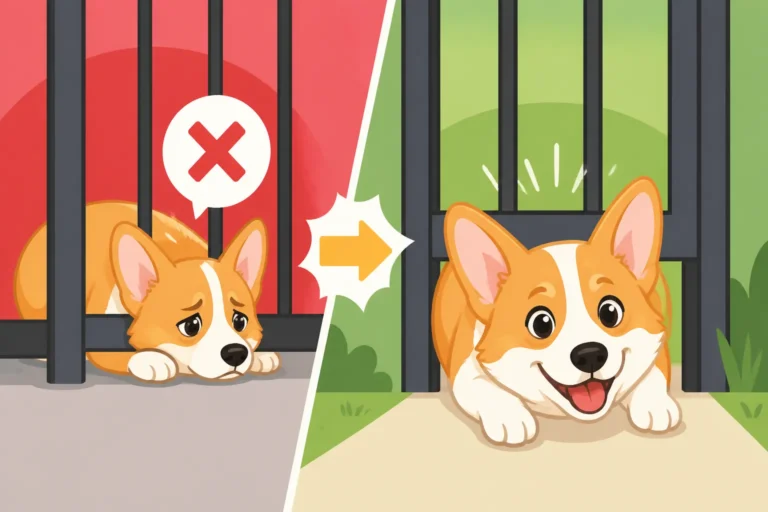
Being confined, especially when they're used to free reign, can be incredibly stressful for a Corgi. Their world shrinks to a crate or a small pen, and their natural curiosity and desire to patrol their territory are stifled. They might whine, bark, chew inappropriately, or even try to break out, all expressions of their deep-seated frustration. This isn't naughtiness; it's a genuine struggle with a situation that goes against their very nature. It's especially heartbreaking when you know they don't understand why they're being confined, only that they are. We've all seen the look of utter betrayal when they realize they can't join in.
Distinguishing Restlessness From Pain
It's absolutely critical to understand why your Corgi is restless. Is it pure boredom and frustration from confinement, or is it a sign that they're still in pain or discomfort? A dog in pain might shift frequently, struggle to get comfortable, pant, or be reluctant to lie down in certain positions. Their restlessness might be an attempt to find relief rather than simply a desire to play. Always communicate any new or worsening restlessness to your veterinarian, as it could indicate that their pain management needs adjustment or that there's another underlying issue. You want to avoid masking pain with sedatives, as that could inadvertently lead to them moving in ways that worsen their condition.
Navigating the Options for Calming Your Corgi
When your Corgi is literally bouncing off the walls of their crate, even during Six Weeks of Crate Rest With a Corgi, it’s natural to start wondering about calming aids. There’s a spectrum of options available, from prescription medications to over-the-counter supplements and even environmental adjustments. Each has its place, and understanding the differences is key to making an informed decision with your vet.
Prescription Sedatives and Anxiolytics
For many Corgis on strict rest, especially after serious spinal surgery or a severe disc incident, veterinary-prescribed sedatives or anxiolytics (anti-anxiety medications) become a crucial part of their recovery plan. These medications are not about knocking your dog out, but rather about reducing their anxiety and excitement levels enough that they can tolerate the confinement required for healing.
Commonly prescribed options might include:
- Trazodone: This is often a go-to for many vets. It's an antidepressant in humans but acts as an anxiolytic and mild sedative in dogs. It can help reduce anxiety and promote calmness without typically causing extreme drowsiness. It's often used situationally, like for car rides or vet visits, but can be prescribed for daily use during prolonged rest.
- Gabapentin: While primarily an anticonvulsant and neuropathic pain reliever, Gabapentin also has a calming side effect in many dogs. It can be particularly useful if there's a pain component to your Corgi's restlessness, offering both pain relief and anxiety reduction. It's a fantastic dual-purpose medication that many Corgi owners become familiar with.
- Acepromazine: This is a stronger sedative. While effective, it's generally used with more caution because it can cause significant sedation and sometimes a paradoxical reaction where dogs become more anxious or agitated. It also doesn't provide pain relief or anti-anxiety benefits directly; it just makes them sleepy. Your vet will weigh the pros and cons carefully before suggesting this one.
These medications are powerful tools that should only be used under direct veterinary guidance. Your vet will consider your Corgi's specific condition, weight, age, and any other medications they are on to determine the safest and most effective dose. Self-medicating with human drugs or unprescribed pet medications can be incredibly dangerous.
Over-the-Counter Calming Aids and Supplements
Before jumping to prescriptions, some owners explore over-the-counter (OTC) options. These generally have a milder effect and are often more suitable for general anxiety rather than the intense frustration of strict crate rest, but they can sometimes provide a little edge.
- L-Theanine: An amino acid found in green tea, L-Theanine can promote relaxation and reduce anxiety without causing drowsiness. It's available in various dog supplements.
- Melatonin: A natural hormone that regulates sleep cycles, melatonin can sometimes help calm anxious dogs or aid with sleep, though its effectiveness varies greatly among individuals.
- Pheromone Products: Products like Adaptil diffusers, collars, or sprays release synthetic dog appeasing pheromones (DAP), which mimic the calming pheromone a mother dog emits. While not a sedative, they can create a more serene environment.
- Thundershirts/Anxiety Wraps: These snug-fitting garments apply gentle, constant pressure, much like swaddling a baby. For some dogs, this pressure has a remarkably calming effect.
While these products are generally safe, it's always wise to discuss them with your vet, especially if your Corgi is on other medications or has underlying health conditions. They might not be strong enough for severe cases of restlessness but can be part of a multi-faceted approach.
Natural and Environmental Approaches
While not "sedatives" in the traditional sense, creating a calming environment and employing certain natural strategies can significantly contribute to your Corgi's ability to rest.
- A Quiet Space: Ensure your Corgi's resting area is in a low-traffic part of the house, away from excessive noise or commotion. Cover the crate if it helps them feel secure.
- Comfortable Bedding: A high-quality, supportive orthopedic bed can make a world of difference for a Corgi on rest, especially if they have a spinal issue. Make sure it's easy for them to get in and out of without much movement.
- Consistent Routine: Dogs thrive on predictability. Stick to a consistent schedule for potty breaks, meals, and any allowed short periods of gentle interaction.
- Aromatherapy (with caution): Some essential oils, like lavender, are said to have calming properties. However, extreme caution is advised, as many essential oils can be toxic to dogs, especially if ingested or applied incorrectly. Always consult a vet familiar with safe pet aromatherapy before attempting this.
Remember, the goal isn't just to make them sleepy, but to reduce their stress and allow their body the time it needs to heal. Sometimes, a combination of these approaches, guided by your veterinarian, yields the best results.
When Sedation is Appropriate and When It's Not
Deciding whether to use sedatives for your Corgi on rest is a nuanced discussion, often weighing the benefits against potential risks. It’s never a decision to take lightly, and it absolutely requires careful consideration and direct input from your veterinarian.
The Benefits of Strategic Sedation
When used appropriately, sedatives can be a genuine lifeline for a Corgi (and their owner!) facing prolonged, strict confinement.
- Preventing Re-Injury: This is often the primary reason. A Corgi with a healing disc injury or post-surgery needs to limit movement drastically. Even a sudden lurch, jump, or spin in the crate could re-injure them, setting back recovery or causing permanent damage. Sedatives can dull that impulse to move, providing a crucial window for initial healing. Imagine a Corgi struggling with A Corgi That Objects Loudly to Confinement – a well-managed sedative can prevent them from hurting themselves further.
- Reducing Stress and Anxiety: A Corgi's mental health during confinement is just as important as their physical healing. Constant agitation, whining, and pacing are incredibly stressful. Sedatives, particularly anxiolytics, can alleviate this psychological burden, allowing the dog to actually relax and rest mentally, which also aids physical recovery.
- Promoting Essential Sleep: Dogs heal when they sleep. An anxious, restless Corgi might not be getting the deep, restorative sleep they need. Sedatives can help them achieve this, contributing to their overall well-being and recovery.
- Improving Quality of Life (during confinement): If the alternative is a Corgi so stressed they're panting, drooling, or barking non-stop, a low dose of a sedative might significantly improve their immediate quality of life by allowing them a period of calm.
The Risks and When to Exercise Caution
While beneficial, sedatives are not without their downsides. It's crucial to be aware of the potential risks and to discuss them openly with your vet.
- Masking Pain: One of the biggest concerns is that sedatives might make your Corgi seem calmer, but they could still be in pain. If the restlessness is pain-driven, a sedative might just make them too drowsy to express it, leading to inadequate pain management. It's vital that pain relief is adequately addressed before or in conjunction with sedation. Telling Disc Pain From DM in a Corgi can be difficult, and masking either could lead to complications.
- Drowsiness and Ataxia: Some sedatives can cause excessive drowsiness, making your Corgi unsteady or wobbly (ataxic). This can be dangerous, increasing the risk of falls during short potty breaks or when trying to adjust their position, which could ironically lead to further injury.
- Paradoxical Excitement: Rarely, some dogs can react to sedatives with increased anxiety, agitation, or even aggression, rather than calming down. This is called paradoxical excitement and would require immediate cessation of the medication and a vet consultation.
- Digestive Upset: Like any medication, sedatives can sometimes cause side effects like nausea, vomiting, or diarrhea.
- Cardiovascular or Respiratory Depression: Stronger sedatives, or incorrect dosages, can depress the cardiovascular or respiratory systems, which is why veterinary supervision is paramount, especially for older Corgis or those with pre-existing conditions.
- Dependency/Withdrawal: While not common with short-term use, prolonged use of certain medications could lead to mild dependency, requiring a gradual tapering off.
The Critical Role of Your Veterinarian
The decision to use sedatives, and which ones, is a complex medical judgment. Your veterinarian is your best resource here. They will:
- Assess the underlying cause: Is it pain, anxiety, or pure Corgi stubbornness?
- Choose the right medication: Selecting the most appropriate drug based on your Corgi's health, temperament, and the specific needs of their recovery.
- Determine the correct dosage: Finding the balance between effective calming and minimizing side effects.
- Monitor progress: Adjusting the protocol as your Corgi heals and their needs change.
- Educate you on administration and potential side effects: Ensuring you know what to watch for.
Never attempt to give your Corgi any sedative without explicit instructions from your vet. Their guidance is essential for a safe and successful recovery.
Comprehensive Management Strategies Beyond Medication
While sedatives can be a vital tool, they are rarely the only answer. A holistic approach that addresses your Corgi's physical and mental needs during rest is crucial for a smoother recovery. This often involves a blend of environmental adjustments, mental enrichment, and gentle physical support, always with your vet's blessing.
Mental Enrichment to Combat Boredom
A Corgi's mind is a powerful engine, and it needs to be engaged, even when their body cannot move much. Boredom can quickly lead to frustration and destructive behaviors, hindering recovery. Think about how to keep Keeping a Confined Corgi Occupied without physical exertion.
- Puzzle Toys and Slow Feeders: These are a lifesaver. Instead of just putting their kibble in a bowl, use puzzle feeders or snuffle mats that make them "work" for their food. This simulates foraging and provides mental stimulation. Many excellent options are available online through retailers like Amazon. Just ensure the toy doesn't require excessive physical movement or twisting.
- Scent Games: Hide small, high-value treats around their immediate resting area (if safe and approved by your vet for minimal movement). Encourage them to use their nose to find them. This engages their powerful sense of smell, which is highly satisfying for dogs, and is a low-impact activity.
- Gentle Chews: Provide safe, long-lasting chews (again, vet-approved) that can occupy them for extended periods. Chewing is a natural stress-reliever for dogs.
- Short, Calm Training Sessions: Even during rest, you can reinforce calm behaviors. Practice simple commands like "stay," "lie down," or "look at me" from a stationary position, rewarding them for quiet cooperation. This mental engagement strengthens your bond and reminds them that learning is still fun.
Environmental Modifications for Safety and Comfort
Your Corgi's immediate environment needs to be optimized for both their physical recovery and their mental peace.
- Non-Slip Surfaces: If your Corgi needs to move even a few steps for potty breaks, ensure they are on non-slip surfaces. Hardwood or tile floors can be incredibly dangerous for a Corgi with a compromised back, as they can slip and re-injure themselves. Consider runners, yoga mats, or carpeted areas.
- Orthopedic Bedding: A firm, supportive orthopedic bed is essential. It helps maintain proper spinal alignment and reduces pressure points. It should also be low enough for them to easily step into without jumping.
- Ramps and Steps: If your Corgi normally accesses furniture, consider installing ramps. Even if they're on strict rest, the eventual transition back to limited mobility should involve ramps to protect their back. Ramps and Steps That Save a Corgi's Back are vital in a Corgi household.
- Crate Setup: Ensure the crate is large enough for them to stand, turn around, and lie down comfortably, but not so large that they can race around. Cover the crate if it reduces external stimuli and helps them settle.
- Consistent Routine: Dogs thrive on predictability. Stick to a very consistent schedule for potty breaks, feeding, and any medications. This reduces anxiety because they know what to expect.
Physical Therapy and Gentle Handling
Once cleared by your vet, very gentle physical interventions can support healing and muscle maintenance.
- Passive Range of Motion (PROM): Your vet or a certified veterinary physical therapist can show you how to gently move your Corgi's limbs through their normal range of motion. This helps prevent joint stiffness and muscle atrophy without weight-bearing.
- Gentle Massage: Soft, comforting massage can improve circulation, relax muscles, and provide positive physical contact, which is crucial for their emotional well-being during a difficult time.
- Potty Break Support: Your Corgi might need assistance for potty breaks, especially after spinal surgery. A sling or towel wrapped under their belly can provide vital support, helping you lift and stabilize them safely. This is often the most significant challenge for owners during Nursing a Corgi That Has Lost Its Back Legs.
- Hydrotherapy: If available and recommended by your vet, hydrotherapy can be incredibly beneficial. Hydrotherapy for a Corgi Recovering From Surgery allows a Corgi to move their legs and build muscle strength in a buoyancy-supported environment, reducing stress on their spine. This is typically introduced much later in the recovery process, when weight-bearing is starting to be allowed.
Partnering with Professionals and Training for Calm
You don't have to navigate this alone. Leaning on professional help and reinforcing calm behavior are key.
- Veterinary Physical Therapist: A certified vet PT can provide an individualized rehabilitation plan, teach you safe exercises, and guide you through the recovery phases. Their expertise is invaluable.
- Positive Reinforcement: Always reward calm, quiet behavior. When your Corgi is lying down, settled, and not whining, offer quiet praise or a small, low-calorie treat. You want to make being still a positive experience.
- Online Training Resources: For mental enrichment, there are many fantastic online resources. While not directly a brand for sedatives, BAXTER & Bella offers online puppy training and resources that emphasize positive reinforcement and mental stimulation through games and obedience, much of which can be adapted for a Corgi on restricted activity to keep their mind engaged.
| Calming Approach | Mechanism | Pros | Cons | When to Consider |
|---|---|---|---|---|
| Prescription Sedatives | Directly affect neurochemistry, reduce anxiety/arousal | Highly effective for severe restlessness, prevents re-injury | Potential side effects (drowsiness, paradoxical reaction), masks pain, vet supervision crucial | Strict rest post-surgery/injury, severe anxiety, when other methods fail, under vet care |
| OTC Calming Aids | Mild neurochemical effects, pheromones, pressure | Generally safe, less side effects, non-addictive | Limited effectiveness for severe cases, takes time to work | Mild anxiety, supplementary to other treatments, prevention, with vet approval |
| Environmental Changes | Reduces external stimuli, provides comfort | Non-invasive, addresses root cause (boredom/discomfort) | May not be enough for high-drive dogs, requires owner effort | All cases of confinement, foundational for any calming strategy |
| Mental Enrichment | Engages cognitive function, satisfies natural drives | Reduces boredom/frustration, no side effects, strengthens bond | Requires owner involvement, not for pain management, needs careful selection to avoid physical movement | All cases of confinement, particularly long-term rest, as directed by your vet |
The journey of nursing a Corgi back to health after an injury requiring strict rest is a marathon, not a sprint. It demands patience, consistency, and a willingness to adapt. By understanding the options and working closely with your veterinary team, you can provide the best possible support, helping your Corgi heal both physically and emotionally.
Disclaimer
This article is for general informational purposes only and does not constitute professional advice. Laws, prices and regulations vary by location and change over time. Consult a qualified professional for guidance on your specific situation.