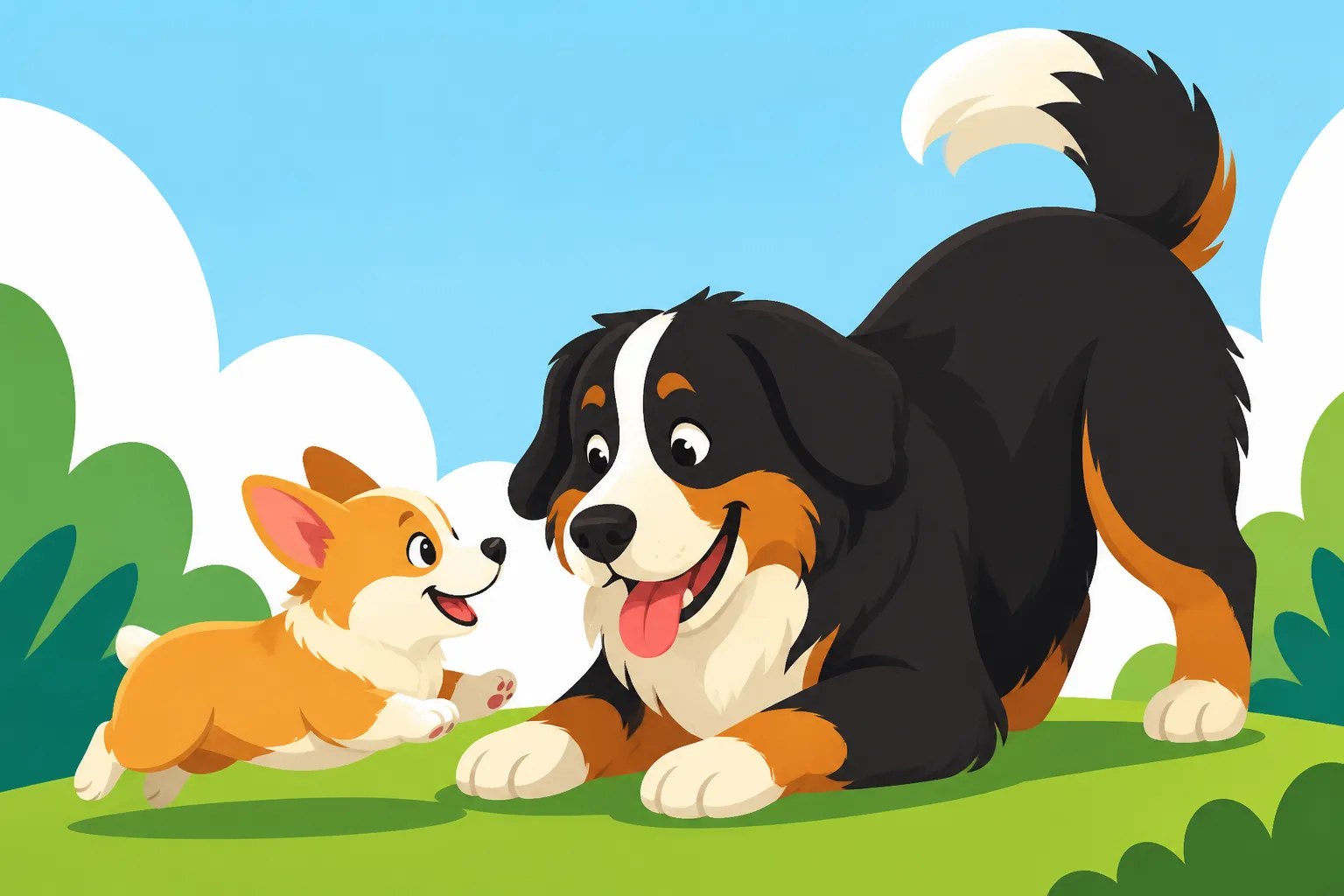
A Corgi Playing With a Dog Three Times Its Size
It's a scene many Corgi owners know all too well: you're at the park, or a friend's house, and your little low-rider spots a Great Dane or a Labrador. Despite being a fraction of their size, your Corgi charges forward, tail wagging, ready to rumble. This guide is all about navigating that exciting, yet sometimes nerve-wracking, dynamic of a Corgi playing with dogs three times their size (or more!), focusing on how to keep playtime fun and, most importantly, safe for your stout-hearted herder.
The Corgi's Mighty Heart in a Small Package
Corgis, with their robust, low-slung bodies, often seem oblivious to their actual size. They carry the fearless spirit of their cattle-herding ancestors, believing they can take on anything, including a dog that could easily use them as a chew toy (accidentally, of course!). Understanding this inherent bravado and how it translates into their play style is the first step in ensuring their safety.
Born to Herd: The Instinct to Engage
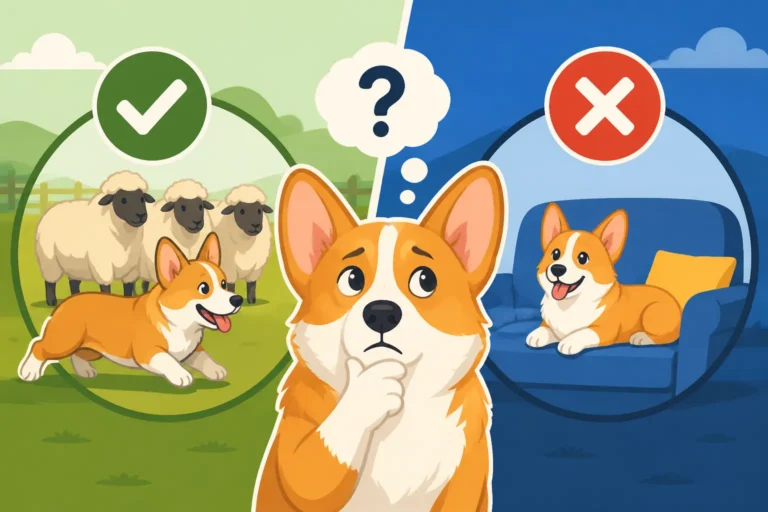
Our Corgis come from a long line of dogs bred to nip at the heels of cattle many times their size. This history has ingrained in them a particular way of interacting: they are bold, tenacious, and often use their mouths to 'herd' or engage. This isn't aggressive, but it can be misinterpreted by other dogs, especially those who aren't used to such an in-your-face play style from a pint-sized pup. They might duck, weave, and vocalize, all part of their unique way of playing, which can sometimes appear more intense than it actually is. They genuinely believe they are in charge, even when completely outmatched physically. The Cattle-Driving Nip a Corgi Still Has is a real phenomenon that can surprise other dog owners.
This fearless nature means they rarely back down from an interaction, even if they're physically outmatched. A Corgi isn't going to let a bit of a size difference stop them from inviting a much larger dog to a game of chase or tug. They often initiate play by barking, pawing, or even a playful nip, expecting the other dog to understand their intentions. This can be adorable to us, but it’s a behavior that needs careful management when giant breeds are involved, as what's a playful nudge to a Corgi could be a slight misstep away from a serious injury if the larger dog isn't equally gentle or aware.
The Low Center of Gravity and its Double Edge
One of the defining characteristics of a Corgi is their long body and short legs, giving them a very low center of gravity. This makes them incredibly agile and quick on their feet, perfect for dodging a cow's kick, and equally adept at darting around larger dogs. They can duck under paws, weave between legs, and generally make themselves hard to catch, which, for many large dogs, just makes the game more exciting!
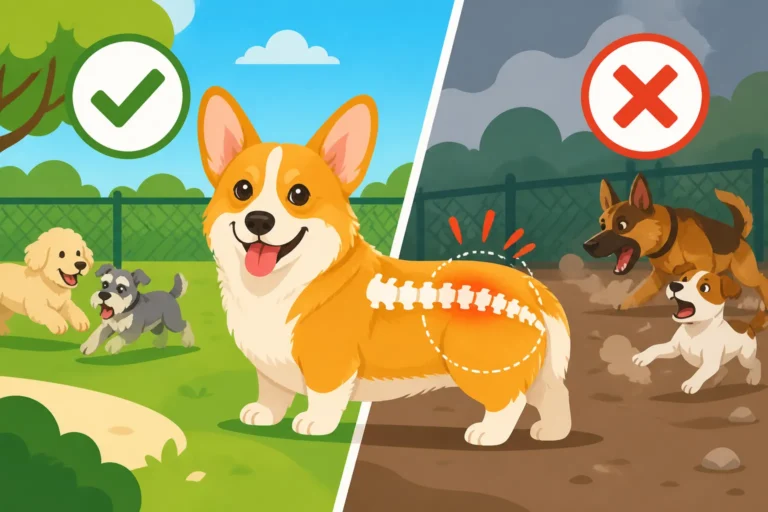
However, this unique physique is also their Achilles' heel. While their low profile helps them avoid direct impact, the very act of twisting, turning, and being jostled in play puts immense strain on their delicate spines. A playful bump or an accidental trip from a much heavier dog can have devastating consequences, potentially leading to a slipped disc or other severe back injuries. We love watching them zip around, but we have to be vigilant about protecting Why a Corgi's Back Is Built the Way It Is. The sheer weight difference means any playful impact from a larger dog can be amplified for our Corgis, making what might be a harmless tumble for a bigger dog a potentially serious trauma for a Corgi.
Navigating the Risks: When Playtime Turns Perilous
While most dogs are remarkably gentle with smaller companions, accidents can and do happen. It's not usually maliciousness, but simply a lack of awareness of the vast size difference, or a moment of over-excitement that leads to trouble. Being proactive about identifying and mitigating these risks is crucial for any Corgi owner.
The Threat of Accidental Injury
The most obvious danger when a Corgi plays with a dog three times its size is accidental physical injury. Imagine a playful charge from a hefty German Shepherd that bowls over your 25-pound Corgi. Or a large dog enthusiastically jumping and landing a paw on your Corgi's back. These aren't intentional attacks, but they can easily lead to fractures, internal injuries, or, most commonly and worryingly for Corgis, spinal trauma.
Our Corgi's long back is predisposed to issues like Intervertebral Disc Disease (IVDD), and sudden impacts, twists, or falls can trigger or worsen these conditions. A big dog might think they're gently nudging your Corgi with their nose, but the force behind that nudge from a 70-pound dog is vastly different than from another Corgi. Even something as simple as a large dog stepping on a paw or tail during a chase can cause significant pain and injury. It's a constant tightrope walk between letting them have fun and protecting them from their own fearless tendencies and the sheer physics of size disparity.
Miscommunication and Escalation
Dogs communicate through a complex language of body postures, vocalizations, and facial expressions. While Corgis are generally excellent communicators, their unique herding play style can sometimes be misunderstood by larger breeds, especially those that aren't used to it. A Corgi's persistent nipping at the heels, its low-to-the-ground charges, or its surprisingly loud "yaps" could be interpreted by a less tolerant large dog as aggressive or annoying, leading to a defensive reaction that could quickly escalate beyond playful roughhousing.
Consider a situation where your Corgi decides to "herd" a polite, but perhaps less patient, Golden Retriever. Your Corgi might be having the time of its life, darting around the Golden, trying to guide it. The Golden, however, might just want to sniff around quietly and eventually get fed up with the constant harassment. A growl or a snap from the larger dog, intended as a warning, could easily cause injury to your Corgi's face or neck. It's not just about physical impact; it's about ensuring both dogs are speaking the same "play language" and respecting each other's boundaries, something that is inherently harder when there's a significant size difference.
Strategies for Safe Multi-Size Playtime
So, does this mean your Corgi can never play with larger dogs? Absolutely not! It just means you, as their dedicated human, need to be extra vigilant and proactive in managing these interactions. With the right approach, your Corgi can still enjoy romping with their bigger buddies safely.
Supervised Play and Controlled Environments
The golden rule for multi-size dog play is constant, active supervision. This isn't the time to check your phone or get lost in conversation. Your eyes need to be on the dogs, constantly assessing the dynamic. Look for signs of stress or over-excitement in either dog. Is the larger dog becoming too boisterous? Is your Corgi showing any signs of discomfort or, conversely, becoming too pushy?
When choosing a play environment, prioritize safety. A fenced yard with soft ground (like grass) is ideal, as it minimizes slipping risks and potential impact injuries compared to concrete or slippery indoor floors. Avoid dog parks during peak hours where interactions can be chaotic and supervision impossible. Instead, opt for controlled playdates with known, calm, and gentle large dogs whose owners you trust. This allows you to hand-pick your Corgi's playmates and ensure a positive experience. Remember that Whether a Dog Park Is Safe for a Corgi Spine is a very real concern, even for seemingly innocuous play.
| Play Scenario | Corgi Behavior Typically Observed | Potential Risk with Large Dog | Safety Strategy |
|---|---|---|---|
| Chase Games | Fast darting, quick turns, nipping | Overrun, accidental collision | Ensure large dog is gentle, ample open space, soft ground |
| Tug-of-War | Low stance, powerful pull | Neck/jaw strain, being flung | Use appropriate toy, monitor intensity, ensure fair match |
| Wrestling/Roughhousing | Body bumping, low-to-the-ground | Crushing, spinal impact | High supervision, intervene if intensity rises, avoid |
| Herding/Nipping at Heels | Circling, nudging with nose/mouth | Misinterpretation, defensive snap | Educate large dog owner, redirect Corgi, intervene early |
Training and Essential Cues
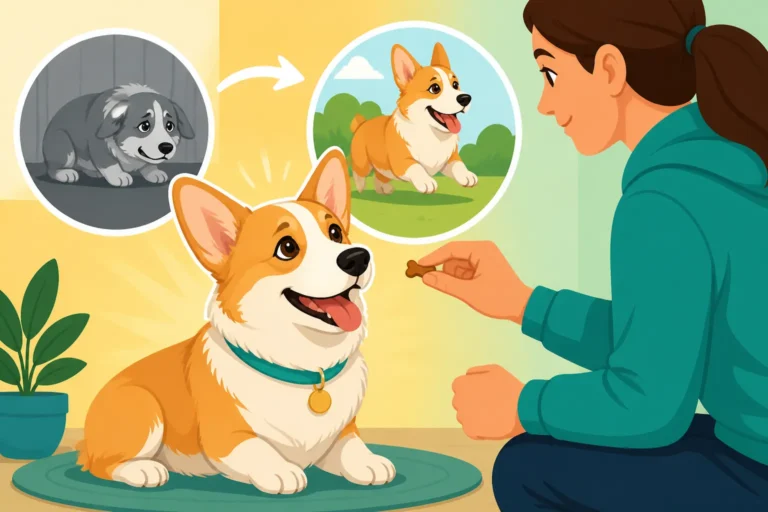
Having a well-trained Corgi with a solid recall and a reliable "leave it" command is your best defense. These cues allow you to intervene instantly if play starts to get too rough or if you notice any concerning body language from either dog. Imagine your Corgi is getting a little too bold with a much bigger dog, and you can calmly call them away before any tension escalates. This is invaluable.
Consider enrolling in obedience classes, or if you prefer the convenience of home learning, online programs like BAXTER & Bella offer comprehensive resources for teaching these vital skills. A strong "come" command allows you to remove your Corgi from a potentially risky situation, while "leave it" can prevent them from engaging with a dog that seems too boisterous or uninterested in appropriate play. Consistent training isn't just about good manners; it's about ensuring your Corgi's safety in unpredictable situations. Training a Corgi That Makes Its Own Decisions is a challenge, but essential.
Furthermore, teaching your Corgi to wait for a lift instead of jumping off furniture or out of the car can significantly reduce strain on their back, making them less susceptible to injury during vigorous play. Teaching a Corgi Not to Jump Off Furniture is a crucial part of long-term back health. Using a comfortable, sturdy harness (you can find many great options on Amazon) instead of a collar for walks gives you better control and prevents pressure on their neck if they pull, which is particularly important during introductions or if you need to quickly guide them away from a situation. Whether a Corgi Should Wear a Harness Not a Collar is a topic many Corgi owners consider.
Knowing When to Intervene and How to Manage
Even with the best preparation, there will be times when you need to step in. Learning to read dog body language and understanding when "fun" is tipping into "danger" is a skill every Corgi owner playing with large dogs needs to cultivate.
Reading the Signals: When Play Stops Being Play
A key part of safe multi-size play is understanding dog body language. While Corgis can be boisterous, look for signs of true enjoyment: loose, bouncy movements, play bows, exaggerated facial expressions, and taking turns chasing and being chased. However, if you see any of the following, it's time to intervene:
- Stiffening or Freezing: If either dog stiffens, freezes, or moves slowly and deliberately, it's a sign of tension.
- Growling or Snapping: While some play growls are normal, a hard, low growl or an uninhibited snap is a serious warning sign.
- Constant Chasing/Harassing: If one dog is constantly pursuing the other without any break or role reversal, it's no longer balanced play.
- Ignoring Retreat Signals: If your Corgi tries to disengage, tucks its tail, or moves away, and the larger dog ignores these cues, step in.
- Pinned or Trapped: If your Corgi is cornered or repeatedly pinned by the larger dog and can't easily get away, intervene immediately.
- Over-excitement: Watch for a large dog becoming too frantic, running without awareness of its size, or ignoring its owner. This is often when accidental injuries happen.
Your goal is to prevent incidents, not react to them. It's always better to separate the dogs a little too early than a moment too late. Trust your gut; if something feels off, it probably is.
Calmly Separating and Redirection
When you need to intervene, do so calmly but decisively. Avoid yelling or making sudden, loud movements, as this can heighten tension. Simply call your Corgi to you using their recall cue, or gently walk over and separate the dogs by their leashes (if on leash) or by distracting one with a toy or treat.
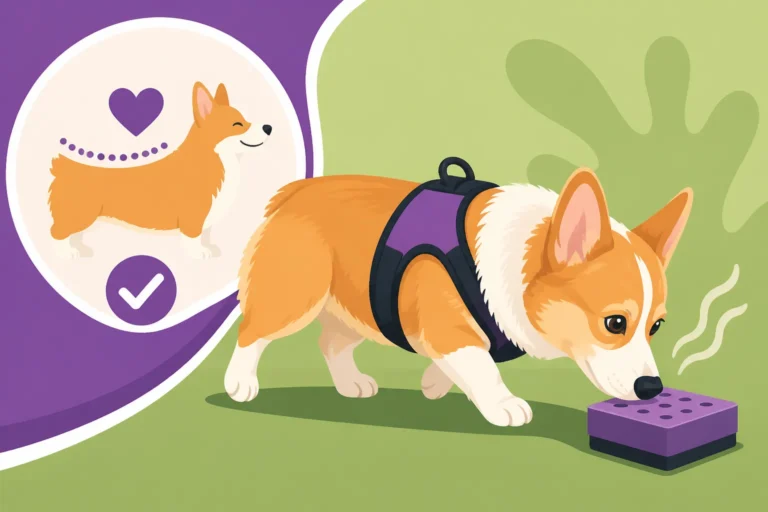
Once separated, offer a brief "time out." This allows both dogs to de-escalate and reset. You can redirect their energy with a solo activity, like a short walk on leash or a puzzle toy, before attempting to reintroduce them to play, if at all. For Corgis, a bit of scent work or a food puzzle can be a fantastic way to burn off energy and satisfy their minds without putting their backs at risk. If you find consistent issues, it might be that the particular playmate isn't a good match, or your Corgi might benefit from specific training to learn more appropriate play behavior with larger dogs. You want playtime to be a positive outlet, not a source of stress or potential injury, ensuring your Corgi can enjoy a The Twelve to Fifteen Year Corgi Lifespan in good health.
It takes effort and vigilance to manage play between a tiny Corgi and a much larger dog, but the joy of watching them interact safely is truly rewarding. By understanding their instincts, recognizing the risks, and implementing smart strategies, you can help your Corgi confidently and safely enjoy their bigger buddies.
Disclaimer
This article is for general informational purposes only and does not constitute professional advice. Laws, prices and regulations vary by location and change over time. Consult a qualified professional for guidance on your specific situation.