Keeping Treats Inside a Corgi’s Ration
We all know that soulful Corgi gaze. The one that follows your every move in the kitchen, especially when you're preparing food or reaching for that treat jar. It’s tough to resist, isn't it? But while those little stubby legs and big eyes might convince you they're perpetually starving, consistently handing out extra treats can quickly derail their health, especially with their predisposition to back issues. This guide will walk you through how to responsibly incorporate treats into your Corgi's daily diet without adding unnecessary pounds or compromising their well-being.
The Corgi's Insatiable Appetite and Weight Management
There's a reason Corgis often seem like they have a bottomless pit for a stomach. These charming, low-slung dogs were bred for hard work, herding cattle all day long. That kind of heritage instilled in them a drive to eat whenever food was available, storing energy for the demanding tasks ahead. In our modern homes, where a "hard day's work" might mean a leisurely stroll around the block, their ancient instincts can lead to a serious caloric surplus.
Why Corgis Always Seem Hungry
It's a classic Corgi trait: they finish their meal, look at you as if you've committed a grave injustice by giving them so little, and then proceed to watch your every bite with intense focus. This isn't just an act; it's often rooted in their genetic programming. They're smart, they love food, and they quickly learn that human activity, especially around the pantry or fridge, might mean a snack for them. Owners often feel incredibly guilty, thinking their beloved companion isn't getting enough. "He just looks so hungry!" is a common refrain I hear. But what looks like hunger can often be opportunistic charm. It's crucial to understand that a Corgi who is fed an appropriate, balanced diet is not actually starving, even if they put on a convincing performance. Remember to keep an eye on What an Ideal Corgi Weighs to truly gauge if your Corgi is getting enough.
The Hidden Dangers of Excess Treats
While a small treat here and there seems harmless, those calories add up incredibly fast. Think about it: a tiny biscuit for us might be 50 calories, but for a 25-pound Corgi, that's proportionally much more significant than it is for a 150-pound human. Over time, these seemingly insignificant additions can lead to significant weight gain.
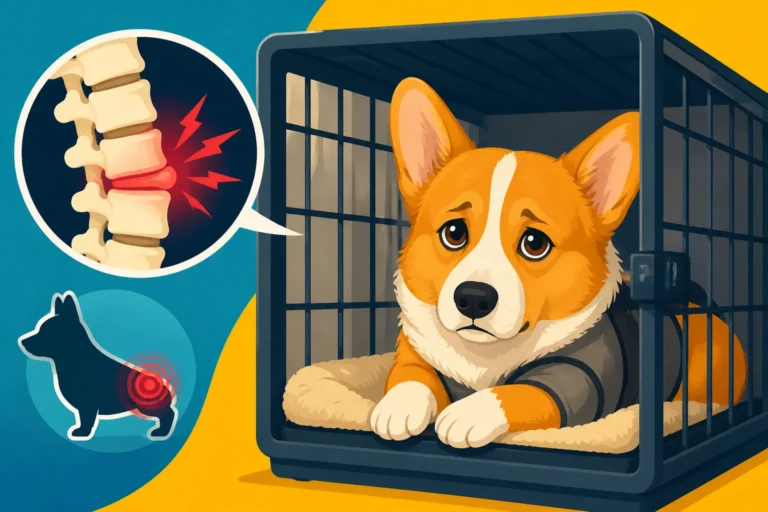
And for Corgis, weight isn't just a cosmetic issue. Their unique long-backed, short-legged structure makes them highly susceptible to intervertebral disc disease (IVDD). Why Corgi Weight Is a Spinal Problem is a critical read for any Corgi owner. Every extra pound puts immense strain on their delicate spine, increasing the risk of disc ruptures and other debilitating injuries. Imagine carrying a backpack filled with bricks all day – that's what even a few extra pounds feel like to your Corgi's back. Beyond spinal issues, obesity can lead to joint problems, diabetes, heart disease, and a shortened lifespan. Understanding What Extra Weight Does to a Corgi Spine really drives home the importance of vigilance.
Strategically Incorporating Treats into Daily Meals
The good news is that treats don't have to be completely off-limits. The trick is to be strategic, mindful, and consistent. It's all about integrating them into your Corgi's overall caloric intake rather than treating them as "extra" food.
Calculating Your Corgi's Daily Caloric Needs
The first step to responsible treat giving is knowing your Corgi's baseline. Every dog is an individual, and their caloric needs can vary based on age, activity level, metabolism, and whether they're spayed or neutered. My best advice here is always to consult your veterinarian. They can provide an accurate assessment and recommend a precise daily calorie target for your specific Corgi. This isn't just a rough estimate; it’s a vital number to work with.
Once you have this number, you'll subtract the calories provided by their main food (kibble, wet food, or a combination). What's left is your Corgi's "treat allowance" for the day. This might sound clinical, but it's the most effective way to ensure you're not overfeeding. For example, if your vet recommends 600 calories a day, and your Corgi's kibble provides 500 calories, you have 100 calories left for treats and chews. The Calorie Target for a Twenty-Eight Pound Corgi can offer a good starting point for discussion with your vet.
The "Kibble as Treat" Method
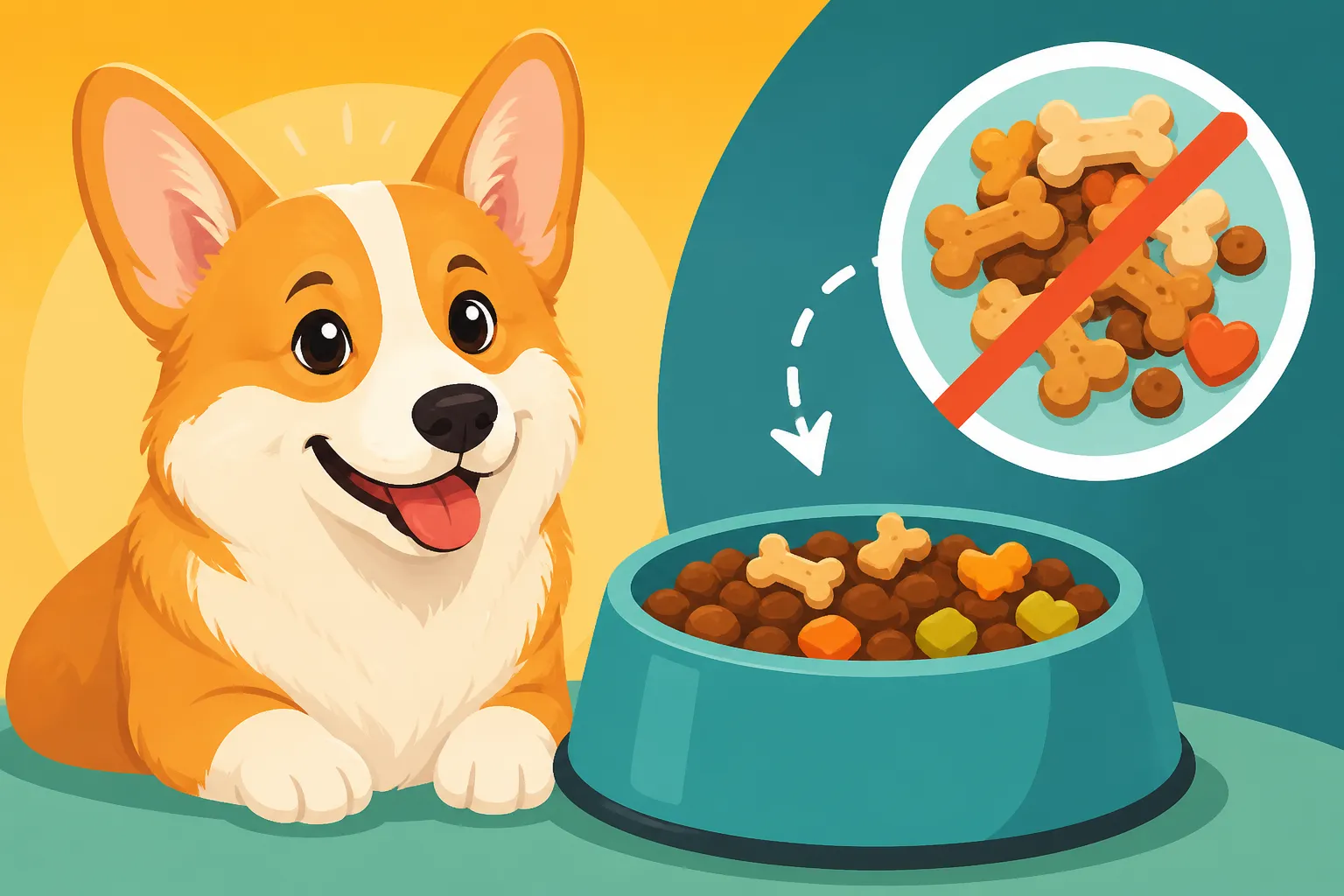
This is my absolute favorite, and most effective, strategy, especially for training. It's simple: use a portion of your Corgi's daily kibble as their training rewards. Instead of giving them their entire meal in a bowl, set aside a measured amount (say, a quarter or a third) for training sessions throughout the day.
The benefits are huge:
- No extra calories: You're not adding anything to their diet; you're just redistributing existing calories.
- Maintains nutritional balance: Your Corgi still gets all the vitamins and minerals from their balanced kibble.
- Highly motivating: For many Corgis, their regular kibble is plenty motivating, especially when it's offered enthusiastically as a reward.
- Cost-effective: No need to buy separate, often expensive, training treats constantly.
To implement this, simply measure out their kibble for the day. Put the portion for training in a small, easily accessible pouch or container. Use these pieces during walks, while practicing commands, or even just for reinforcing good behavior around the house. When training, brands like BAXTER & Bella emphasize positive reinforcement using what's motivating to your dog, which can absolutely be their regular kibble.
Low-Calorie, High-Value Alternatives
Sometimes, for particularly challenging training scenarios or just for a special reward, you might want something a bit more exciting than plain kibble. This is where low-calorie, safe human foods come in handy. These aren't meant to replace their entire treat allowance but can be a great, healthy occasional addition.
Great options include:
- Carrot sticks: Crunchy, low in calories, and many Corgis love them.
- Green beans: Excellent source of fiber and virtually no calories.
- Apple slices: (Seeds removed!) A sweet, crisp treat.
- Blueberries: Small, antioxidant-rich, and easy to pop as a quick reward.
- Plain cooked chicken or lean beef: Tiny, pea-sized pieces are highly motivating and much lower in calories than many commercial treats.
Always introduce new foods slowly and in small quantities to ensure your Corgi tolerates them well. Avoid anything with added salt, sugar, or spices, and absolutely steer clear of toxic foods like grapes, raisins, onions, garlic, and artificial sweeteners like xylitol.
For commercial options, look for very small, soft training treats that explicitly state "low calorie" or are designed for frequent use. You can find many suitable options on Amazon, often in tiny sizes perfect for Corgis. The key is tiny – think half a cheerio size, not a full cookie.
Here's a quick comparison of some treat options:
| Treat Type | Example | Typical Calorie Count (per treat/serving) | Pros | Cons |
|---|---|---|---|---|
| Kibble as Treat | Your Corgi's regular dry food | Varies, but accounted for in daily ration | Always on hand, nutritionally complete | May not be "high value" for all Corgis |
| Fresh Veggies/Fruit | Carrot slices, green beans, blueberries | Very low (e.g., 2-5 calories per piece) | Healthy, hydrating, good fiber | Some Corgis might refuse them, risk of choking if too big |
| Lean Meat (cooked) | Tiny pieces of plain chicken breast | Low (e.g., 5-10 calories per piece) | High-value, excellent motivator | Can be messy, needs refrigeration |
| Commercial Soft Chews | Tiny training treats (e.g., Zuke's Mini Naturals) | Low (e.g., 3-8 calories per treat) | Convenient, palatable, good for training | Can still add up quickly, check ingredients |
| Commercial Crunchy Biscuits | Standard dog biscuits | Moderate to high (e.g., 20-50+ calories) | Satisfying crunch for some dogs | High calorie, less suitable for frequent use, often large |
Practical Tips for Smart Treat Giving
Integrating treats effectively isn't just about what you give, but how and when you give them. A little thought can go a long way in keeping your Corgi healthy and happy.
Mindful Treat Distribution
This might sound obvious, but it's so easy to overlook: break treats into tiny pieces! A Corgi doesn't care if they get a whole biscuit or a crumb; the act of receiving a reward is what matters most. A single commercial treat can often be broken into 4-6 smaller pieces, stretching your allowance and prolonging the positive reinforcement.
Think about the purpose of each treat. Are you using it for specific training, to reinforce a calm behavior, or just out of habit? Focus on using treats as a tool for positive reinforcement, rather than just an automatic handout. For instance, instead of giving a treat every time your Corgi looks at you, ask for a "sit" first, or reward them for calmly resting on their bed when guests arrive. This turns treats into a teaching opportunity. For more ideas on how to use treats effectively, check out Training Treats That Fit a Corgi's Allowance.
The Role of Enrichment and Mental Stimulation
Sometimes, your Corgi isn't truly hungry; they're just bored. Corgis are intelligent dogs who thrive on mental challenges. Providing enrichment can satisfy their desire for "work" without adding extra calories. Food puzzles are fantastic for this! You can put a portion of their daily kibble into a puzzle toy, making them "hunt" for their meal. This slows down their eating, engages their brain, and makes mealtime last longer and feel more rewarding. There are many types available on Amazon, from simple snuffle mats to complex dispensers.
Another great option is engaging in scent work or hiding small portions of their kibble around the house for them to find. This taps into their natural instincts and provides a wonderful mental workout. Many positive reinforcement training programs, like those offered by BAXTER & Bella, incorporate these types of enrichment activities. Rather than just giving them a quick treat, you're making them "earn" it through mental effort, which is incredibly satisfying for a Corgi. Explore Feeders That Make a Corgi Work for Dinner for more specialized options.
Communicating With Your Vet About Treats
Your veterinarian is your best partner in managing your Corgi's health and weight. During routine check-ups, they'll weigh your Corgi and assess their body condition score. This objective evaluation is crucial. Be completely honest with your vet about how many treats, chews, and scraps your Corgi gets in a day. Don't feel guilty; they're there to help! This information allows them to make accurate recommendations for their total daily caloric intake and adjust their main food portion if necessary. They can help you understand The Body Condition Score a Corgi Should Hold and how to maintain it. Regular weigh-ins and open communication are key to preventing weight creep and addressing any concerns before they become serious health problems.
Avoiding Common Treat-Related Pitfalls
Even with the best intentions, it's easy to fall into certain habits that can undermine your efforts to keep treats within your Corgi's ration. Being aware of these common pitfalls is half the battle.
The Begging Game and How to Win It
Corgis are masters of the begging game. They've perfected the art of looking utterly deprived, using those big, expressive eyes and sometimes a paw-pat or a mournful sigh. It's incredibly difficult to resist, especially when you just want to share a moment with your beloved pet. The biggest pitfall here is inconsistency. If one family member occasionally gives in, or if you sometimes give a scrap from the table, your Corgi learns that persistence pays off.
The key to winning the begging game is absolute consistency from everyone in the household. Decide on your household rules for treats and stick to them. If you're not going to give table scraps, then no one gives table scraps, ever. When your Corgi begs, either ignore the behavior entirely (which feels mean at first, but is ultimately kinder), or redirect them to an appropriate activity, like going to their mat or playing with a designated toy. It takes patience, but your Corgi will eventually learn that begging doesn't work. Whether Corgis Beg Harder Than Other Breeds is a good read if you feel like you're fighting an uphill battle!
Overlooking "Hidden" Calories
It's not just the obvious dog biscuits that add calories. Many seemingly innocuous items contribute significantly to your Corgi's daily intake.
- Dental Chews: While good for teeth, many dental chews are surprisingly high in calories. Always check the packaging and factor them into your daily allowance.
- Long-Lasting Chews: Bully sticks, rawhides, and other durable chews are calorie-dense. A single bully stick can contain hundreds of calories, equivalent to a significant portion of your Corgi's daily food. Consider these a meal replacement on days they get one.
- Table Scraps: Even tiny bits of chicken, cheese, or pasta can add up. Human food is often rich and not formulated for dogs, leading to digestive upset in addition to weight gain. A small piece of cheese might seem harmless, but its fat content can be problematic. This is probably one of the biggest silent saboteurs of a Corgi's diet. For a deeper dive, read Scraps That Undo a Corgi's Diet.
Always read labels and adjust your Corgi's main meal accordingly when giving any of these items.
Adjusting for Activity Level
Your Corgi's caloric needs aren't static; they fluctuate based on how active they are. On a day when you've had an extra-long walk, played fetch for ages, or been to a busy dog park, a few extra low-calorie treats might be perfectly fine, as long as they stay within your daily caloric target. However, on a rainy day when your Corgi mostly napped on the sofa, their caloric needs will be lower, and their treat allowance should be adjusted down accordingly. It’s a dynamic balance.
This doesn't mean you have to meticulously track every single calorie every single day, but it does mean being aware. If you know your Corgi has been less active, you might opt for carrot sticks as treats instead of richer options, or simply reduce the quantity. It's about building an intuitive understanding of their energy output versus their energy intake. Remember that even a Corgi needs consistent activity; The Forty-Five Minutes a Corgi Needs Daily is a good baseline for most healthy adults.
Disclaimer
This article is for general informational purposes only and does not constitute professional advice. Laws, prices and regulations vary by location and change over time. Consult a qualified professional for guidance on your specific situation.