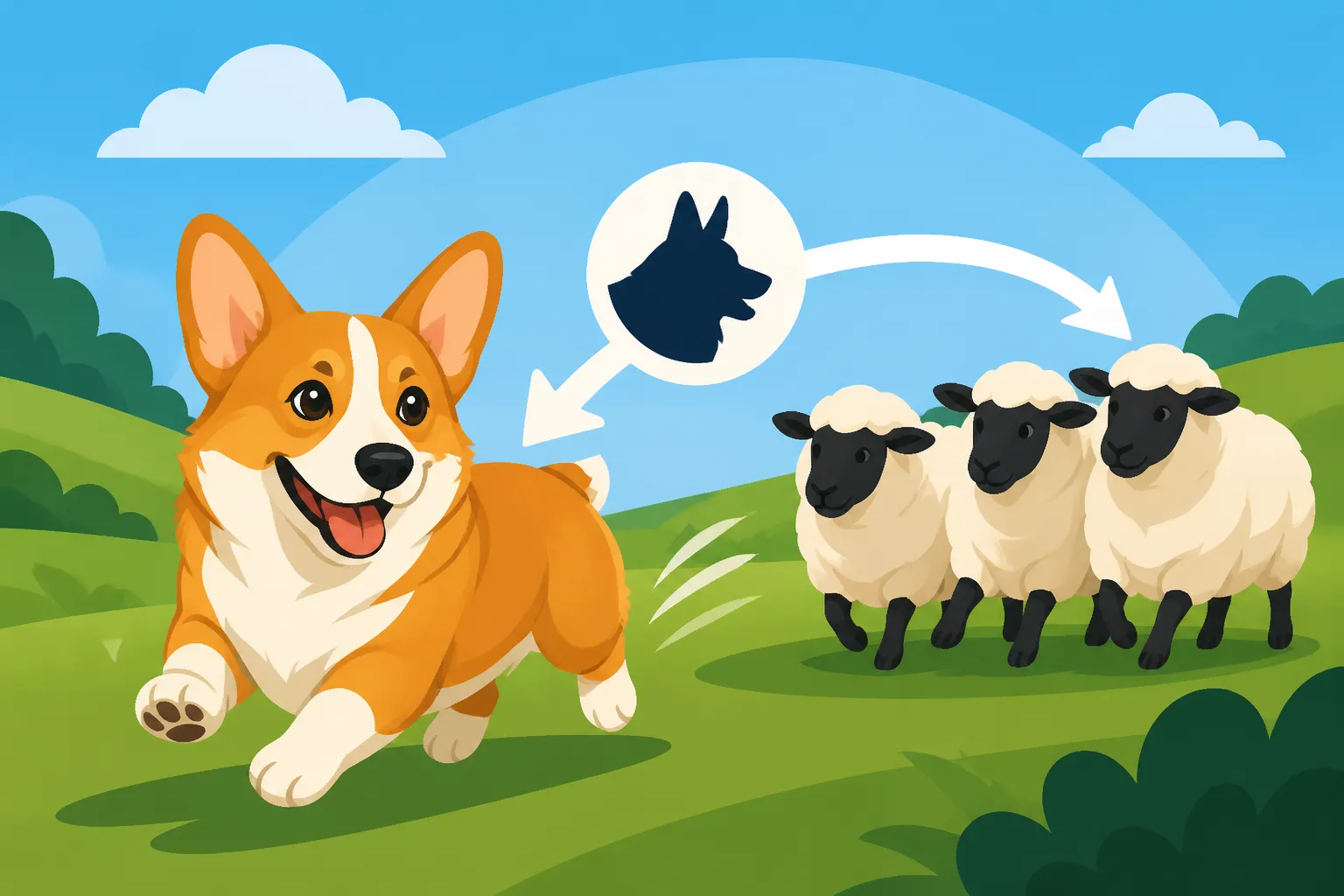
Corgi Recall and the Herding Instinct
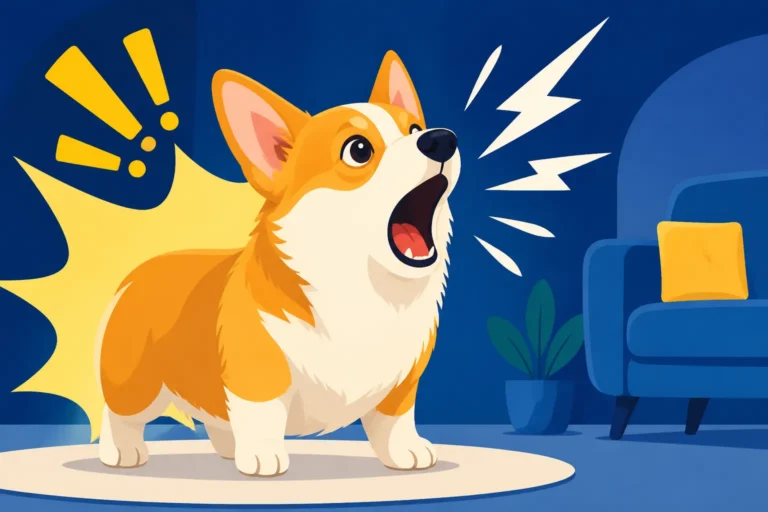
It’s a familiar scene for many Corgi owners: you’re at the park, enjoying a moment of off-leash freedom, and then your adorable, low-riding herder spots something – a squirrel, a distant dog, or even a child running – and they’re off, seemingly deaf to your frantic calls of "Come!" That strong, independent herding instinct, while charming, can make recall a real headache, and frankly, a safety concern. This guide is here to help you understand why your Corgi acts this way and how to train a rock-solid recall, transforming those stressful moments into confident outings.
Understanding the Corgi Herding Instinct
Corgis are not just cute, fluffy loaves of bread with legs; they are working dogs, bred for centuries to drive cattle. That means they're hardwired with instincts that are incredibly strong and often quite different from what we expect in a typical companion dog. Understanding this core part of their being is the first step to truly effective training.
The Roots of the Corgi's Drive
Imagine a vast Welsh hillside, windswept and green, with cattle needing to be moved from one pasture to another. That's the environment in which the Corgi was perfected. Their low stature wasn't an accident; it allowed them to nip at the heels of stubborn cattle without getting kicked. Their quick movements, keen intelligence, and unwavering determination were essential for their job. They had to be independent thinkers, capable of making decisions in the field without constant human direction, because sometimes, their human was far away. This legacy lives on in our modern Corgis, even if their "herd" is now just the family cat or a jogger.
This deep-seated genetic programming means that for a Corgi, seeing something move or wanting to gather something is as natural as breathing. It's not defiance or a personal affront; it's just them doing what they were literally bred to do. Ignoring your calls to chase after a moving target is, in their mind, simply fulfilling their destiny. Recognizing this innate drive helps us approach their training with patience and respect for their heritage, rather than frustration.
How Herding Manifests in a Pet Corgi
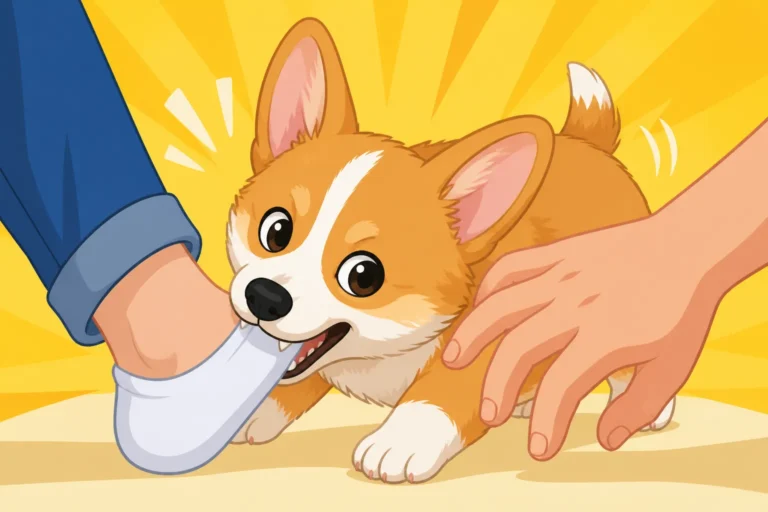
In a domestic setting, without cattle to manage, a Corgi's herding instinct can express itself in various ways that might seem quirky or even problematic to an unsuspecting owner. One of the most common manifestations is the infamous "Corgi nip." They might try to gather family members, especially children, by nipping at their ankles or heels, just as their ancestors did with cows. This is their way of saying, "Hey, you're going the wrong way, let me redirect you!" You might notice them circling people or other pets, trying to keep everyone together, or even nudging you towards a specific room.
Beyond nipping, their instinct can also fuel intense chasing behaviors. A squirrel darting across the yard, a bicycle speeding past, or even another dog playing fetch can trigger that primal urge to pursue and control. They have an incredible focus when they're "on the job," and that focus can make them seemingly impervious to your voice. The Cattle-Driving Nip a Corgi Still Has explains more about this specific behavior and how to manage it in a home environment.
Why Your Corgi Sees You as a Sheep
It might sound funny, but to a Corgi, you and your family are very much part of their flock. They’re constantly observing, assessing, and often trying to manage your movements. If you walk too fast, they might try to cut you off. If you spread out too much, they might try to gather you back together. This is particularly noticeable in multi-person households, where they might appoint themselves the "foreman" of the family.
This ingrained desire to control and direct movement is a huge factor in why recall can be so challenging. When your Corgi decides they need to "herd" that distant skateboarder or investigate a captivating scent, their instinct is telling them to act independently. They aren't waiting for your command; they're following their own ancient programming. They don't necessarily understand that letting them loose in an unfenced area with poor recall can put them in danger; they just know they have a job to do.
The Challenges of Corgi Recall
Let's be honest: getting a Corgi to come when called can feel like trying to herd cats sometimes. Their intelligence and independence, while admirable, can often work against us when it comes to recall. It's not just about teaching the word "come"; it's about overcoming centuries of ingrained instinct.
Why "Come!" Often Falls on Deaf Ears
The core problem often stems from the Corgi's independent nature. They were bred to make their own decisions in the field, not to wait for explicit instructions for every single action. When they're focused on a high-value distraction – whether it's an exciting smell, a potential "herd" member (like a child running), or a rival canine – that external stimulus becomes far more rewarding than your voice. To them, chasing that squirrel is a thrilling, self-actualizing activity, while returning to you might seem like an interruption of their important "work."
Furthermore, if recall has only ever been used for negative consequences, like ending playtime or being leashed up to go home, your Corgi quickly learns to associate "come" with the fun stopping. They’re smart enough to weigh the options: continue the fun, or come to you and potentially lose out. It's a calculation, and if the rewards for coming aren't consistently higher than the rewards of ignoring you, they'll choose their own path every time. Training a Corgi That Makes Its Own Decisions delves deeper into understanding this independent streak.
Distractions That Override Recall
Corgis are incredibly observant and curious. Because they're low to the ground, they're constantly taking in a world of fascinating scents, textures, and tiny movements that we might completely miss. A patch of grass might hold a hundred stories, a rustling bush could hide a prime "chasing" target, and the distant sound of another dog barking could be an invitation to investigate. These distractions aren't minor background noise to a Corgi; they are often compelling, instinct-driven lures.
Think about it from their perspective: they smell something irresistible, perhaps the lingering scent of a rabbit. Their brain lights up, instinct takes over, and suddenly, your voice calling "Fido, come!" sounds like a faint, irrelevant whisper in the face of such a powerful drive. It’s like trying to get a child to stop watching their favorite cartoon by quietly asking them to do chores – it's just not going to happen without a much stronger incentive or intervention. Identifying your Corgi's primary distractions is key to tackling recall effectively.
The Danger of Poor Recall
While a Corgi ignoring you to chase a squirrel might seem amusing, it can quickly turn dangerous. A Corgi with unreliable recall is a Corgi at risk. They could dart into traffic, get lost, encounter aggressive animals, or even put themselves in harm's way by chasing something off a cliff or into an unsafe area. Beyond physical dangers, a Corgi that constantly ignores you can lead to strained relationships with other dog owners or even legal trouble if they cause a disturbance.
Imagine being in an unfenced area, and your Corgi, hearing another dog, bolts towards them. If that other dog isn't friendly, or if it's a much larger breed, your Corgi could be seriously injured. Or consider the stress of always having to keep your dog on a leash, limiting their freedom and mental stimulation, because you simply cannot trust them to come back. Reliable recall isn't just a convenience; it's a fundamental safety measure and a cornerstone of responsible dog ownership, allowing both you and your Corgi to enjoy more freedom together.
Building a Strong Foundation for Recall
Establishing a solid recall for your Corgi isn't just about repetition; it's about creating a powerful positive association with the "come" command. It needs to be the most exciting, rewarding thing your Corgi can do, always.
Starting Early with a Corgi Puppy
The best time to start recall training is the moment your Corgi puppy steps through your door. Young puppies are naturally more inclined to stay close to their new family and are often highly motivated by food and praise. Begin in a low-distraction environment, like your living room or a securely fenced yard. Use a happy, excited tone of voice, and immediately reward your puppy with a high-value treat and enthusiastic praise the moment they turn towards you or take a step in your direction. The goal is for them to think, "Oh wow, Mom/Dad's voice means good things happen!"
Keep initial sessions short and fun, ending before your puppy loses interest. Never scold or punish your puppy if they don't come immediately, as this will create a negative association with the command. Instead, gently go to them, pick them up, and then reward them. This teaches them that coming to you is always a good experience, regardless of how long it takes. Early positive experiences lay the groundwork for a lifetime of reliable recall. The Vet Visits a Corgi Puppy Needs First can also offer insights into general early care, which contributes to a well-adjusted puppy.
Making Recall the Best Thing Ever
For your Corgi to prioritize coming back to you over chasing a squirrel or sniffing a fascinating bush, the reward for coming must be absolutely irresistible. This means using truly high-value treats – not just their regular kibble. Think small pieces of cooked chicken, cheese, hot dogs, or liverwurst. These are the "jackpots" that make coming to you the most amazing thing in their world. Always have these treats readily available when practicing recall.
Beyond food, use enthusiastic praise, a happy voice, and maybe a quick game of tug or a favorite squeaky toy. The recall should be a celebration! Don't just grab their collar and walk away; make coming back a fun, engaging interaction. Release them back to play after a successful recall, so they don't associate coming to you with the end of their fun. The more consistently positive and exciting you make the experience, the more your Corgi will choose you. Consider enrolling in a What a Corgi Puppy Course Costs to get professional guidance on these early stages.
The Power of Positive Reinforcement
Positive reinforcement is the absolute cornerstone of successful recall training, especially with a smart, independent breed like a Corgi. This means rewarding desired behaviors (coming when called) rather than punishing undesired ones (ignoring the command). If your Corgi eventually comes after a delay, still reward them, even if it's a slightly less exciting "jackpot" treat. The key is to never make coming to you a negative experience.
Punishing your Corgi for slow recall will only teach them to avoid you, making future recalls even harder. Instead, if they don't come, calmly go to them, clip on their leash, and lead them away from the distraction without anger or frustration. This calmly communicates that the fun stops when they don't respond, without creating fear or resentment. Remember, Corgis respond best to motivation, not intimidation. Whether Harsh Handling Works on a Corgi further explains why positive methods are crucial for this breed.
Effective Recall Training Techniques
Once you have the foundation in place, you can start to introduce more structured training techniques and gradually increase the difficulty, always keeping safety and positive reinforcement at the forefront.
The "Ping-Pong" Recall Game
This game is fantastic for building a strong, enthusiastic recall, especially with a new puppy or a dog still learning. You'll need two people and some high-value treats. Start in a small, enclosed area. Each person stands a short distance apart, calling the Corgi back and forth. One person calls the Corgi, "Fido, come!" and as the Corgi reaches them, they get a jackpot treat and enthusiastic praise. The second person then immediately calls the Corgi, "Fido, come!" and repeats the process.
This game makes coming to you highly rewarding and creates a fun, engaging pattern. Your Corgi learns that coming to a person always results in something good. As they get better, gradually increase the distance between the two people and introduce very mild distractions. This builds speed, enthusiasm, and reliability. This game is especially effective in a secure area like Practicing Corgi Recall in a Fenced Field.
Using a Long Line for Safety and Practice
A long line (a lightweight leash, typically 15-30 feet long) is an indispensable tool for training recall in environments with more distractions, but where off-leash isn't safe yet. It allows your Corgi the illusion of freedom while giving you control and the ability to gently guide them back if they get distracted. You can find excellent quality long lines on platforms like Amazon, offering a range of lengths and materials suitable for a Corgi's size.
Attach the long line to a well-fitting harness (never a collar, as a sudden tug could injure their neck or back). Let your Corgi explore, and when they get distracted, give your recall cue ("Fido, come!"). If they hesitate, gently reel them in with the long line while continuing to use your happy, encouraging voice. The moment they reach you, lavish them with praise and treats. This teaches them that even if they are distracted, "come" still means getting rewarded. It bridges the gap between a controlled environment and full off-leash reliability. Just ensure the line doesn't get tangled around their legs or other obstacles.
Adding Distractions Gradually
The biggest mistake people make with recall is expecting their Corgi to perform perfectly in a highly distracting environment without prior practice. You need to build up to it gradually. Start in a quiet, familiar place, then move to areas with slightly more distractions, like a quiet corner of a park during an off-peak hour, or near a low-level sound source. Practice with mild distractions first, like someone walking slowly in the distance, before graduating to bigger challenges like other dogs playing or children running.
Each time you introduce a new level of distraction, go back to basics: shorter distances, higher-value treats, and lots of enthusiastic praise for success. If your Corgi struggles, that's your sign that the distraction level is too high. Simply reduce the distraction and try again. The goal is to set your Corgi up for success, gradually increasing the complexity so they build confidence and reliability in varying situations. Remember to keep sessions short and positive.
Managing the Herding Instinct in Daily Life
Since the herding instinct is so ingrained in Corgis, it's not something you can simply train away. Instead, effective management involves understanding this drive and providing appropriate, safe outlets for it.
Redirecting Nipping and Chasing Behaviors
When your Corgi tries to herd or nip at family members, especially children, it's crucial to redirect this behavior immediately. Instead of scolding, which can confuse them, intervene calmly. For nipping, offer a sturdy chew toy or a tug toy. If they're trying to gather people, redirect their energy to a constructive game. For example, Teaching a Corgi to Herd a Ball Instead is an excellent way to satisfy their herding urge without letting them nip at ankles. Engage them in a game of fetch or roll a treat for them to "gather."
If your Corgi starts to chase after something inappropriate, interrupt the behavior with a loud noise or a firm "leave it" command (if trained), and then immediately call them to you for a reward. This teaches them that disengaging from the chase and returning to you leads to a positive outcome. Consistency is key here; every time you allow them to engage in an unwanted herding or chasing behavior, you're reinforcing it.
Providing Appropriate Outlets for Instinct
A bored Corgi with a strong herding instinct is a recipe for trouble. They need mental and physical stimulation that taps into their natural drives. Think about activities that involve problem-solving, searching, and controlled movement. Scent work, for example, is fantastic because it engages their powerful nose and requires focus, all without putting stress on their long back. Scentwork as a Sport That Spares a Corgi's Back is an ideal option. Puzzle toys, interactive feeders, and hide-and-seek games are also great for mental enrichment.
For physical outlets, consider structured walks, short bursts of fetch, or even learning some agility skills (with careful consideration for their back, as discussed in Agility With a Corgi's Back in Mind). Many online training platforms, such as BAXTER & Bella, offer comprehensive puppy and dog training programs that include creative ways to channel a Corgi's energy and instincts into positive behaviors. The key is to provide enough appropriate "work" so they don't invent their own, less desirable jobs. This breed really needs The Forty-Five Minutes a Corgi Needs Daily of focused activity.
The Role of Consistent Management
Beyond training specific behaviors, overall consistent management of your Corgi's environment and routine is vital. This includes preventing opportunities for them to practice unwanted behaviors. For example, if your Corgi consistently nips at running children, ensure they are supervised closely or separated when children are playing. If they chase cars or bikes, keep them on a leash in areas where this is a risk.
Consider gates or playpens to manage access to certain areas of the house or yard. Always be aware of their body language and potential triggers. If you see them intently staring at something, ready to bolt, intervene before they act on their instinct. The more you manage their environment and proactively redirect their instincts, the less they'll get to practice and solidify those undesirable herding or chasing habits in inappropriate contexts.
Troubleshooting Common Recall Problems
Even with the best intentions and training, Corgis can throw us curveballs. If your recall isn't quite where you want it to be, don't despair. There are usually identifiable reasons for the breakdown, and solutions.
When Your Corgi "Chooses" Not to Come
This is perhaps the most frustrating scenario: your Corgi knows the command, they just decide that whatever they're doing is more interesting. This often happens because the reward for the distraction outweighs the reward for coming to you. Re-evaluate your treats – are they truly high-value? Are you making your recall command and the subsequent interaction exciting enough?
Another factor could be "poisoned" recall, where coming to you has been associated with negative experiences (like bath time, nail trims, or leaving the park). If this is the case, you need to "reset" the command. Try using a new, unique recall word (e.g., "here," "front," "touch"), and practice it extensively in low-distraction environments with only the most amazing rewards. Build up slowly, ensuring every single instance of this new command is paired with an overwhelmingly positive experience. Remember, Whether a Corgi Works for Anything but Food is a question usually answered with a resounding 'yes, food is best!'
Dealing with Environmental Challenges
The world is full of captivating sights, sounds, and smells for a Corgi. If your Corgi's recall is solid in the backyard but nonexistent at the busy park, the environment is the challenge. You've introduced too many distractions too quickly. Go back a step. Practice recall in slightly less stimulating environments, or use a long line to maintain control while gradually introducing more environmental complexity.
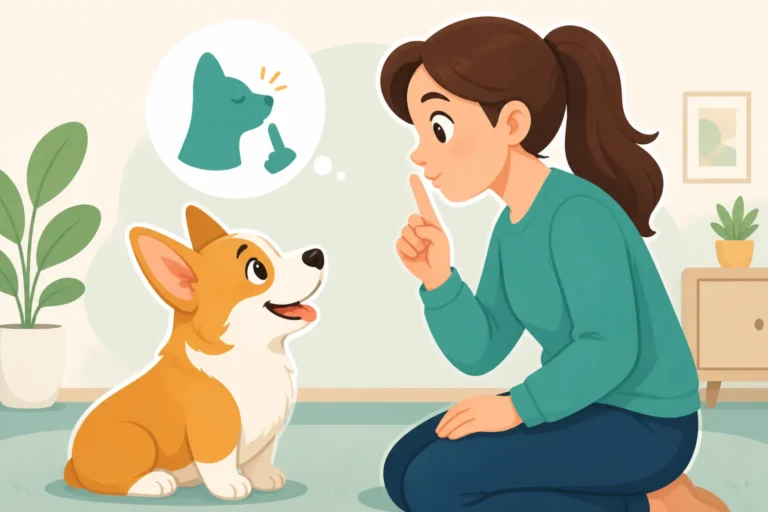
Work on teaching your Corgi to focus on you even with distractions present. Practice "watch me" or "look" commands, rewarding heavily for eye contact amidst minor distractions. If your Corgi is constantly sniffing the ground, try tossing a treat a short distance away and calling them back as they turn. This breaks their focus on the ground and redirects it to you. Be patient; mastering recall in a bustling park takes time and consistent, incremental training.
Seeking Professional Help for Stubborn Cases
Sometimes, despite your best efforts, a Corgi's herding instinct or learned behaviors are just too strong for you to manage alone. This is where professional help can be invaluable. A certified professional dog trainer or a veterinary behaviorist can observe your Corgi's specific behaviors, identify triggers, and develop a customized training plan. They can also provide hands-on guidance and teach you advanced techniques for managing instinct and building recall.
Don't view seeking professional help as a failure. It's an investment in your Corgi's safety and your peace of mind. A good trainer can help you understand the nuances of Corgi behavior and equip you with the tools and confidence to address even the most challenging recall issues. They can also advise on appropriate physical and mental enrichment to satisfy that deep-seated herding drive in a safe and constructive way.
Here's a quick overview of common recall mistakes and solutions:
| Problem | Why it Happens | Solution |
|---|---|---|
| Corgi ignores "Come!" | Distraction is more rewarding; "poisoned" cue | Use high-value treats; make coming back a celebration; use a new cue |
| Only responds in quiet areas | Haven't generalized the behavior | Practice in various environments; gradually add distractions |
| Comes slowly or reluctantly | Reward isn't high enough; inconsistent reinforcement | Increase reward value; always reward; make it fun and exciting |
| Associates recall with ending fun | Always use "come" to leave | Call Corgi, reward, then release to play; use a different cue to leave |
| Chases after everything | Herding instinct unchecked; lack of redirection | Redirect to appropriate "herding" games; use long line for safety |
| Runs away when called | Has learned to avoid perceived punishment | Never punish for slow/no recall; use only positive reinforcement |
Disclaimer
This article is for general informational purposes only and does not constitute professional advice. Laws, prices and regulations vary by location and change over time. Consult a qualified professional for guidance on your specific situation.