Whether a Corgi Breeder Should Show DM Results
Many prospective Corgi owners find themselves navigating a sea of information about genetic health, feeling a bit lost when it comes to understanding conditions like Degenerative Myelopathy (DM). It’s incredibly frustrating to want to make the best, most informed decision for a new furry family member but not know what questions to ask or what kind of answers you should expect from a breeder. This guide aims to clear up that confusion, explaining why a truly reputable Corgi breeder should always be transparent about DM test results, what those results actually signify, and how they contribute to fostering the healthiest possible life for your beloved Corgi.
The Absolute Necessity of DM Testing in Corgi Breeding
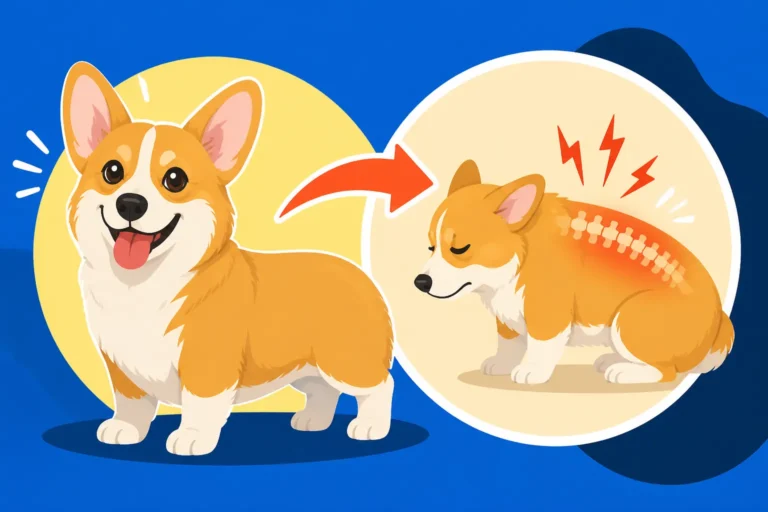
Degenerative Myelopathy is a truly heartbreaking neurological disease that gradually, but relentlessly, weakens a dog's hind legs. Over time, this progression can lead to incontinence and eventually complete paralysis. For anyone who loves Corgis, the mere thought of their playful, sturdy companion facing such a devastating condition is gut-wrenching. This isn't just a rare, "what-if" scenario; Corgis, particularly the Pembroke Welsh Corgi, are unfortunately genetically predisposed to DM because of a specific mutation in the SOD1 gene. If a breeder isn't openly and proactively discussing DM testing, considering the breed's susceptibility, it should be a significant red flag. This lack of transparency might indicate they are either not fully informed about crucial breed health issues or, more concerningly, are intentionally avoiding a critical topic that impacts the well-being of their puppies.
Why Corgis Bear a Significant Risk for DM
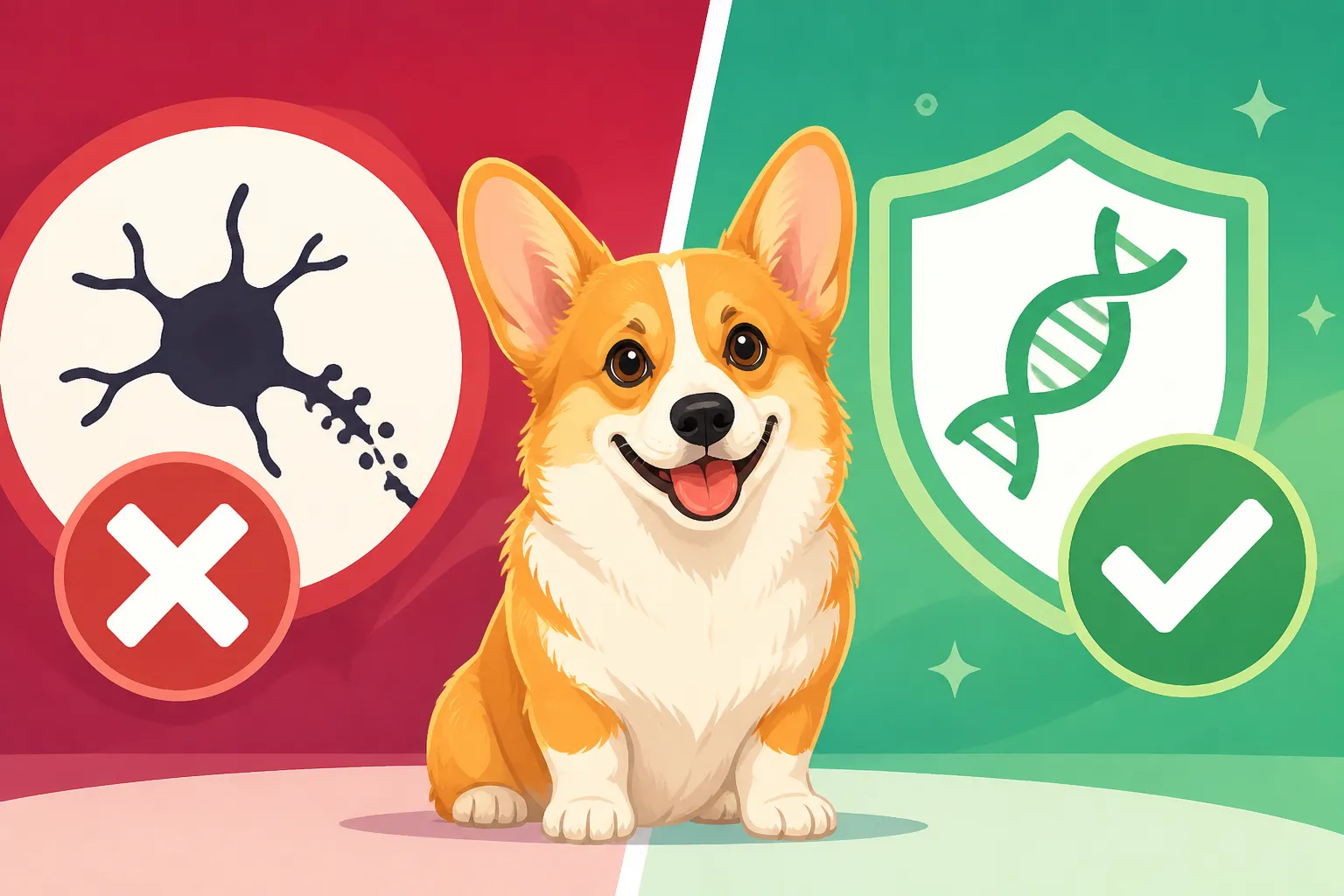
The core of the issue lies in a specific genetic mutation, known as SOD1-A. This mutation disrupts the normal function of spinal cord nerve cells, leading to the gradual deterioration of nerve fibers. Imagine the intricate wiring of a computer system slowly fraying and losing its ability to transmit signals effectively – that's somewhat analogous to what happens in a Corgi's spinal cord when DM progresses. The prevalence of this gene mutation within the Corgi breed, especially Pembrokes, means it's a condition that cannot be ignored by responsible breeders. In fact, many discussions about Corgi health often highlight Why Pembrokes Sit at the Top of DM Lists when it comes to genetic predispositions.
The unique, long-backed, short-legged build of a Corgi, while undeniably charming, can make the impact of DM even more pronounced. Their physical structure already puts some strain on their spine, and when DM begins to manifest, the already compromised hind end can deteriorate rapidly. Early signs might be as subtle as slight scuffing of the back paws or an awkward gait, but these are precursors to a much more challenging future. A thorough understanding of this genetic predisposition isn't just academic; it directly influences the quality of life a Corgi may experience.
The Ethical Imperative for Breeders to Test
For responsible Corgi breeders, genetic testing for DM goes far beyond simply avoiding selling a puppy that might become sick. It's about a profound ethical commitment to the future of the breed and to every single puppy they bring into the world. Their ultimate goal should be to produce healthy, resilient puppies, and ignoring DM testing undermines that goal entirely. By consistently testing their breeding stock and making informed mating choices, breeders play a pivotal role in How Breeders Cut the Corgi DM Rate over generations.
Think of it this way: if a breeder knowingly brings together two dogs that could produce puppies genetically "at-risk" for a debilitating disease, they are not only setting up those individual puppies for potential suffering but also contributing to the perpetuation of the gene in the broader Corgi population. A dedicated breeder understands that their responsibility extends beyond the initial sale; it's about safeguarding the breed's health legacy. They strive to maintain genetic diversity while simultaneously minimizing the risks of inherited diseases, a delicate balance that requires diligence, knowledge, and transparent practices. This proactive approach helps ensure that future Corgi generations can live full, active lives without the shadow of DM looming over them.
Deciphering DM Test Results and Their Implications
When a breeder provides you with DM test results, it’s understandable to feel a bit overwhelmed by the terminology. However, understanding these results is a critical step in making an informed decision about your future Corgi. DM testing doesn't offer a diagnosis of the disease itself; instead, it's a powerful predictive tool. It identifies specific genetic markers that indicate a dog's genetic status concerning DM, which is invaluable for making responsible breeding decisions and preparing for a dog's health journey throughout its life. There are typically three main classifications, and each tells a distinct story about the dog's genetic makeup.
Understanding the Three Genotypes: Clear, Carrier, At-Risk
The DM genetic test typically reports one of three genotypes based on the presence or absence of the SOD1-A mutation on each of the dog’s two copies of the SOD1 gene. Think of it like a pair of socks: each sock represents one copy of the gene.
- N/N (Normal/Clear): This means the dog has two normal copies of the SOD1 gene. They are genetically clear of the mutation, meaning they cannot develop DM themselves due to this specific gene, nor can they pass the mutated gene on to their offspring. This is the ideal status for breeding, as it ensures all puppies from this parent will inherit at least one clear gene.
- N/A (Carrier): A dog with this result has one normal copy and one mutated copy of the SOD1 gene. These dogs are carriers. Crucially, they typically do not develop DM themselves because they have a healthy copy of the gene to compensate. However, they can pass the mutated gene to approximately 50% of their offspring. This makes their breeding partners important. Reading a Corgi SOD1 Test Result should always clarify these distinctions.
- A/A (At-Risk): This means the dog has two copies of the mutated SOD1 gene. Dogs with this genotype are considered "at-risk" for developing DM in their lifetime. It's incredibly important to understand that "at-risk" does not mean "will definitely get DM." The penetrance of the gene (how often it expresses the disease) is not 100%, meaning some dogs with A/A status never show symptoms. For breeding, an A/A dog should ideally not be bred, or at the very least, only bred to an N/N dog, with a full understanding of the implications. As detailed in Whether an At-Risk Corgi Should Be Bred, careful consideration is paramount.
Here's a quick overview of the implications:
| Genotype | Description | Risk of Developing DM | Can Pass DM Gene to Offspring | Recommended Breeding Pairings |
|---|---|---|---|---|
| N/N | Two normal copies of the SOD1 gene | Extremely Low | No | Any genotype |
| N/A | One normal, one mutated copy of the SOD1 gene | Extremely Low (typically none) | Yes (50% chance per puppy) | N/N (preferred) |
| A/A | Two mutated copies of the SOD1 gene | High (but not 100% certainty) | Yes (100% chance per puppy) | None (ideally), or N/N only |
The Nuance of "At-Risk" and "Carrier" Status
It's natural for potential owners to panic a bit when they hear terms like "at-risk." However, as mentioned, an "at-risk" (A/A) result does not equate to a guaranteed DM diagnosis. While these dogs have a significantly higher probability of developing the condition, studies, and anecdotal evidence suggest that How Few Corgis Actually Develop DM even when they carry two copies of the gene. This phenomenon is often attributed to other genetic or environmental factors that influence whether the disease manifests. The key takeaway is that an A/A dog requires close monitoring and proactive care, but it’s not an automatic death sentence or a certainty of disease.
Similarly, a "carrier" (N/A) dog will almost certainly not develop DM. Whether Carrier Corgis Ever Show Signs of the disease themselves is largely a non-issue; their single healthy gene copy is usually enough to prevent the onset of symptoms. The concern with carriers is their role in a breeding program. Responsible breeders understand that while these dogs are healthy, breeding two carriers together (N/A x N/A) has a 25% chance of producing A/A puppies, which is something to be avoided. Instead, carriers are ideally paired with clear (N/N) dogs to ensure no puppies are "at-risk." This balanced approach helps reduce the prevalence of the gene without overly restricting the gene pool, which is also vital for the overall health of the breed.
Living with a carrier or at-risk Corgi means a need for informed awareness, not necessarily panic. For instance, if you adopt an older Corgi whose genetic status is A/A, you might want to be particularly diligent about maintaining a healthy weight for them, providing joint support, and observing any subtle changes in their gait or hind limb strength. While no diet can prevent DM, nutritional support often discussed for joint health, which some owners explore through reputable brands like Ollie for fresh food options or special formulations available on Chewy, might be considered in discussion with your vet. This kind of proactive, informed approach allows you to cherish your Corgi while being prepared for potential challenges.
What Transparency Looks Like from a Responsible Corgi Breeder
A truly responsible Corgi breeder won't just passively "have" DM test results tucked away somewhere; they will be genuinely eager to discuss these results with you, often before you even ask. This openness isn't merely about providing a piece of paper; it's about fostering education, building trust, and establishing a partnership with you, the prospective owner. They understand that you are making a significant, long-term investment in a family member, and they should be equally invested in that family member's lifelong health and well-being. This level of transparency is a hallmark of an ethical breeding program.
Documentation and Verification: Proof in Hand
When you’re seriously considering a Corgi puppy, you should expect to see concrete documentation for the DM test results of both parents. Don't just take their word for it. Specifically, ask for copies of the official lab reports. These reports should clearly state the names of the dogs tested, their registration numbers, and the specific DM genotype (N/N, N/A, or A/A). Labs like Optigen, Embark, and Animal Genetics are well-known and reputable organizations that perform these tests, and knowing Which Labs Run the Corgi DM Test can help you recognize legitimate documentation.
It’s crucial to match the names on the certificates to the actual parent dogs you meet. A responsible breeder will have no issue with you taking photos of the documents or verifying the information. Furthermore, don't hesitate to ask about The DNA Tests a Corgi Breeder Should Run beyond just DM. A comprehensive health screening protocol for Corgis should include multiple genetic tests, indicating a breeder's commitment to overall health. The cost of these genetic tests, such as The Cost of a Corgi DM Test, is a minor expense in the grand scheme of breeding and speaks volumes about a breeder's dedication. If a breeder is vague, resistant, or only offers verbal assurances without verifiable paperwork, it’s a significant cause for concern and warrants walking away.
Discussing Breeding Choices and Risk Mitigation
A good breeder doesn't just present test results; they explain how those results influenced their breeding decisions. They should be able to articulate their strategy for producing healthy puppies, particularly how they manage DM risk. For instance, if one parent is a carrier (N/A), they should confirm that the other parent is clear (N/N). This careful pairing ensures that no puppies produced will be "at-risk" (A/A) for developing DM. This thoughtful process, often referred to as Pairing a Carrier Corgi With a Clear One, is fundamental to responsible breeding.
The long-term goal for ethical breeders is to reduce the overall prevalence of the DM gene within the breed while carefully maintaining genetic diversity. It's a common misconception that breeders should only ever breed "clear" (N/N) dogs. While this sounds ideal, it can drastically shrink the gene pool, potentially leading to other unforeseen health issues due to a lack of genetic variety. A balanced approach recognizes that carriers (N/A) are healthy dogs and can be part of a responsible breeding program when paired appropriately. The breeder’s role extends to educating new owners about potential early signs of DM and guiding them on preventative care, even for clear puppies. They might recommend proactive measures such as maintaining a healthy weight or providing appropriate ramps to minimize jumping. A good breeder will also emphasize the importance of comprehensive pet insurance from providers like Healthy Paws, understanding that even with the best genetic screening, unforeseen health issues can always arise throughout a dog's life.
DM in the Context of Overall Corgi Health
While the genetic predisposition to Degenerative Myelopathy is a critical concern for Corgi owners and breeders, it's essential not to let it overshadow a broader, holistic perspective on Corgi health. Focusing solely on DM, however important, can lead to overlooking other significant health issues that can impact a Corgi's quality of life. A comprehensive approach to health testing, preventative care, and understanding the breed's unique needs ensures that you are prepared for a long and happy life with your companion.
Beyond DM: Other Essential Health Screenings
A truly responsible Corgi breeder will conduct a panel of health screenings that extends far beyond just DM. They understand that a Corgi's well-being is multifaceted, and comprehensive testing is key. For instance, hip and elbow dysplasia are common orthopedic concerns in many breeds, and given the Corgi's unique structure, understanding Corgi Hips and Front-End Structure is vital. Reputable breeders will often have hip and elbow evaluations performed on their breeding stock by organizations like the Orthopedic Foundation for Animals (OFA) or PennHIP.
Eye health is another important area. Progressive Retinal Atrophy (PRA), a genetic condition that can lead to blindness, and other ocular issues are screened for, as highlighted in discussions around Corgi Eye Disease and PRA. Another crucial genetic test for Corgis is for Von Willebrand Disease (vWD), a bleeding disorder. Breeders should test for this to prevent puppies from inheriting this potentially life-threatening condition, as discussed in The Bleeding Disorder Pembrokes Carry. A breeder committed to the breed's health will transparently share results for all these recommended tests, demonstrating their comprehensive approach to identifying The DNA Tests a Corgi Breeder Should Run for their Corgis. They are investing in a healthier future for every puppy.
The Lifelong Commitment to a Healthy Corgi
Bringing a Corgi into your home is a lifelong commitment, one that involves proactive care and vigilance, regardless of their genetic predispositions. For Corgis, maintaining an ideal weight is paramount for their spinal health, which is a major topic, especially considering Why Corgi Weight Is a Spinal Problem. An overweight Corgi places undue stress on their long back, exacerbating any existing spinal weaknesses or potentially contributing to disc issues. Regular, appropriate exercise, paired with a carefully measured diet, is crucial from puppyhood onwards.
Furthermore, regular veterinary check-ups are non-negotiable. The Vet Visits a Corgi Puppy Needs First establish a baseline of health and allow your veterinarian to monitor growth and development. As your Corgi ages, these visits become even more important for early detection of any health changes. Knowing The First Signs of DM in a Corgi, such as hind leg weakness, scuffing of nails, or difficulty jumping, can allow for early veterinary consultation and management strategies, even though there is no cure for DM.
Beyond physical health, consider the daily environment. Providing ramps or steps to access furniture and vehicles can significantly reduce strain on a Corgi's back, preventing injuries that could be devastating. This holistic approach – combining responsible breeding practices with dedicated, informed ownership – provides the best possible foundation for a healthy, happy Corgi life. You'll find valuable support and a vast array of quality products, from ergonomic beds to specific dietary needs, through reliable resources like Chewy, ensuring you have everything you need for your Corgi's well-being.
Disclaimer
The information provided in this guide is intended for general informational purposes only and does not constitute veterinary advice. Always consult with a qualified veterinarian for any health concerns or before making any decisions related to your Corgi's health, diet, or treatment. Genetic test results should be interpreted in consultation with veterinary professionals and reputable breeders.