Wet Patches That Turn Into Corgi Hot Spots
There’s almost nothing more disheartening than spotting a wet, red, angry patch on your beloved Corgi, seemingly appearing overnight. You try to dry it, clean it, but it just seems to get worse, often growing larger and more painful for your little herder. These nasty spots, commonly known as hot spots, are a frustrating reality for many Corgi owners, turning a minor itch into a full-blown skin crisis in what feels like moments. This guide will walk you through understanding why Corgis are so prone to these vexing lesions, how to tackle them head-on, and most importantly, how to prevent them from cropping up again.
Understanding Corgi Hot Spots: More Than Just a Scratch
Hot spots aren't just a simple irritation; they're a complex and rapidly progressing skin infection that can cause significant discomfort for your Corgi. Understanding what they are and why your low-riding, fluffy friend is particularly susceptible is the first step toward effective management.
What Exactly is a Hot Spot and Why Corgis are Prone
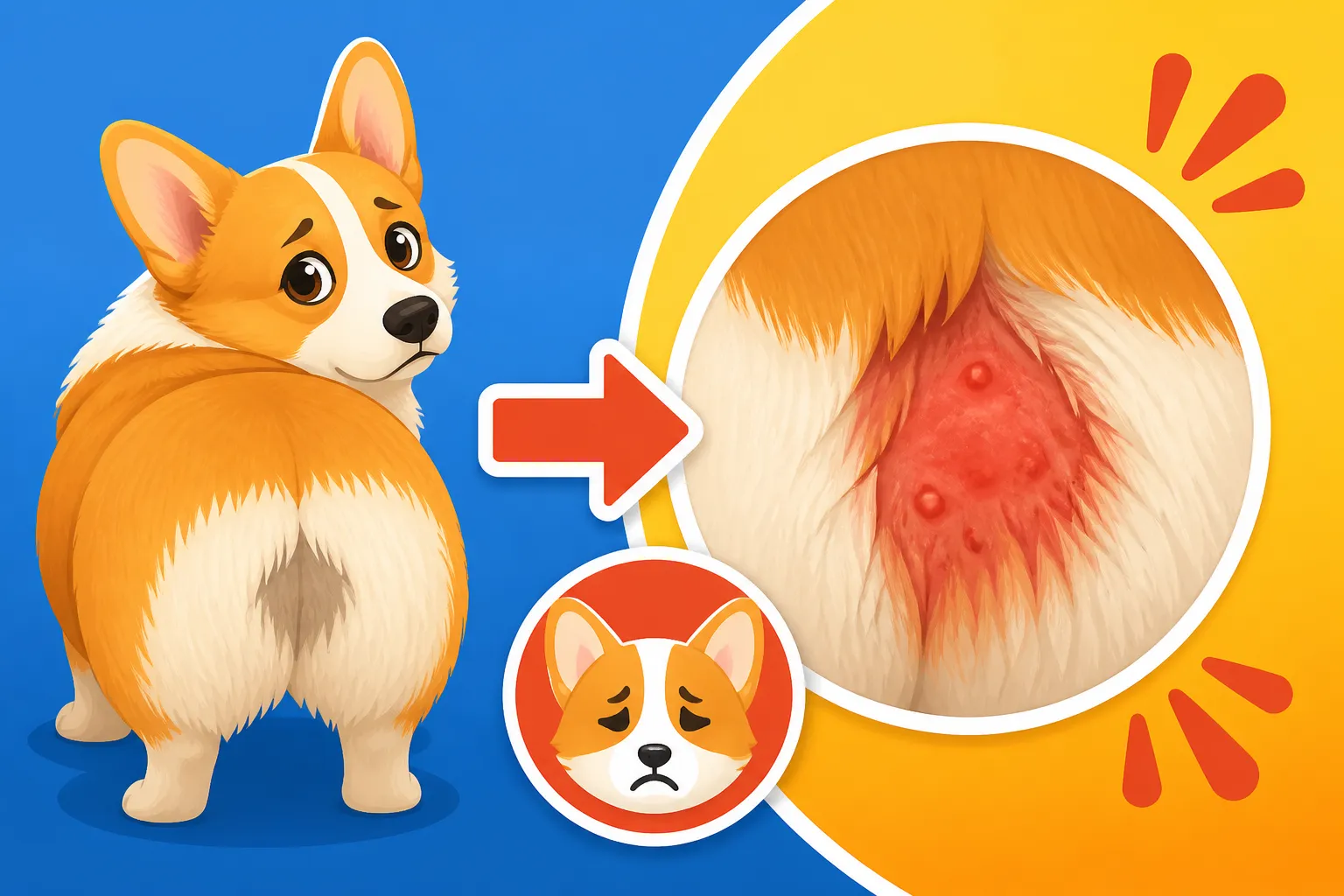
A hot spot, clinically known as acute moist dermatitis, is essentially a localized skin infection that develops very quickly. It starts as a small area of irritated skin that your Corgi might scratch or lick excessively. This self-trauma, combined with moisture and the presence of normal skin bacteria, creates a perfect breeding ground for infection. Within hours, that small red spot can erupt into an oozing, painful lesion, often surrounded by matted fur. They look raw, inflamed, and often have pus or discharge.
Corgis, with their distinctive body shape and luxurious double coat, unfortunately, possess several characteristics that make them prime candidates for hot spots. Their low-to-the-ground stature means their bellies and undersides are constantly brushing against damp grass, puddles, or even morning dew, trapping moisture against their skin. Coupled with this, their dense undercoat, while fantastic for keeping them warm, also makes it incredibly difficult for air to circulate, creating a warm, humid environment ideal for bacterial growth. Any minor skin irritation can quickly become a major problem when trapped under that thick, beautiful fur.
The Vicious Cycle: From Wet Patch to Full-Blown Infection
The progression from a simple wet patch to a full-blown hot spot is a swift and frustrating one for both Corgi and owner. It often begins subtly – perhaps your Corgi has an itch from a bug bite, a minor allergic reaction, or just some dampness from a recent walk that didn't quite dry. Your Corgi naturally responds by licking or chewing the area to alleviate the discomfort.
This licking, however, only makes things worse. The moisture from their saliva further dampens the skin and fur, creating an even better environment for bacteria to multiply. The constant licking also physically traumatizes the skin, breaking down its natural protective barrier. What started as a tiny itch quickly becomes an intensely itchy, painful lesion that your Corgi can't leave alone, perpetuating a relentless cycle. The more they lick, the more irritated it gets, and the more irritated it gets, the more they lick. Owners often feel helpless watching it unfold, especially when the spot seems to grow exponentially in mere hours.
Common Triggers for Wet Patches and Hot Spots in Corgis
Identifying the root cause of hot spots is crucial for prevention. For Corgis, these triggers can range from environmental nuisances to underlying health conditions, and even behavioral patterns.
Environmental Factors: Moisture, Allergens, and Irritants
Environmental moisture is arguably the most common culprit behind those initial wet patches. Think about it: your Corgi's short legs and long body mean their belly and chest are practically sponges, soaking up moisture from almost anything they walk through. After a rainy walk, a swim in the lake, or even just rolling in dew-laden grass, if that thick undercoat isn't thoroughly dried, moisture gets trapped against the skin. This dampness, combined with the lack of airflow inherent to their double coat, creates the perfect incubator for bacteria to flourish.
Beyond simple dampness, environmental allergens can also kickstart the process. Just like humans, Corgis can suffer from seasonal allergies to pollen, grasses, and weeds. When these microscopic particles land on your Corgi's skin, especially in less airy areas like the armpits, groin, or under the ears, they can cause intense itching. A Corgi furiously scratching or chewing at an allergic itch can quickly break the skin, allowing bacteria to invade. You might notice your Corgi's Itchy Skin Under a Corgi's Undercoat worsening during specific seasons, indicating an allergic response. Additionally, irritating substances like harsh shampoos, certain lawn chemicals, or even strong perfumes can trigger a localized skin reaction, setting the stage for a hot spot.
Internal Health Issues: Allergies, Parasites, and Underlying Conditions
While external factors often trigger the visible hot spot, deeper internal health issues can be the underlying engine driving a Corgi's susceptibility. Allergies are a significant concern. Beyond environmental allergens, many Corgis suffer from food allergies, reacting to common ingredients like chicken, beef, dairy, or wheat. These allergies can manifest as generalized itchiness, leading your Corgi to scratch and lick various parts of their body, inadvertently creating hot spot opportunities. Pinpointing food allergies often requires a strict elimination diet under veterinary guidance.
Parasites are another major player. Even a single flea bite can trigger a severe reaction in a Corgi with Flea Allergy Dermatitis (FAD), leading to intense itching and subsequent hot spot development. Regular, year-round flea and tick prevention is non-negotiable for Corgis. Less common but equally irritating are mites, such as those causing sarcoptic or demodectic mange, which can cause intense itching and hair loss that your Corgi attempts to soothe by licking, perpetuating the hot spot cycle. Furthermore, some underlying medical conditions, like Corgi Thyroid Problems or other hormonal imbalances, can weaken the skin's barrier function, making your Corgi more prone to infections and slower to heal. When a hot spot pops up, a quick vet visit can sometimes nip it in the bud, and having something like Healthy Paws pet insurance can certainly take some of the sting out of those unexpected bills that come with diagnosis and treatment.
Behavioral Factors: Stress and Excessive Licking
Sometimes, the root of a hot spot isn't a physical irritant at all, but a behavioral one. Corgis, while often jovial, can also experience stress, anxiety, or boredom, which they might express through compulsive licking. This isn't just a casual groom; it's a persistent, often frantic, licking of a particular area, even if there's no initial physical trigger.
Imagine a Corgi left alone for extended periods without enough mental or physical stimulation. They might start licking their paws or flanks as a coping mechanism. Similarly, a Corgi recovering from surgery or on strict crate rest, such as during keeping a Corgi confined after a disc injury, might develop anxiety or boredom that leads to excessive licking. This constant self-soothing can quickly damage the skin, and once the skin is broken, bacteria move in, turning a behavioral habit into a nasty hot spot. Recognizing signs of stress or boredom in your Corgi is vital for addressing these underlying behavioral triggers before they manifest as skin problems.
Immediate Action and Home Care for Corgi Hot Spots
Once a hot spot appears, swift and decisive action is required to stop its rapid progression. Ignoring it or hoping it will go away on its own is a recipe for a much larger, more painful problem.
First Aid: Cleaning, Clipping, and Preventing Further Trauma
The moment you discover a hot spot on your Corgi, you need to act fast. The very first, and often most challenging, step is to carefully clip away the fur around and under the affected area. This is absolutely critical because the matted hair traps moisture, hides the extent of the lesion, and prevents healing. You'll want to use clippers with a fine blade (like a #40 or #30) and be extremely careful not to cut the delicate skin, which is often very inflamed and tender. Aim for a margin of at least an inch of clear skin around the red, raw patch. This can be difficult, especially with a squirming, uncomfortable Corgi, but it allows the area to breathe and makes cleaning much more effective.
Once the fur is removed, the next step is gentle but thorough cleaning. Use an antiseptic solution like diluted chlorhexidine (available at most pet stores and vet clinics) or diluted povidone-iodine (Betadine, which should be diluted to the color of weak tea). Gently dab the area with cotton balls or soft gauze, removing any crusts, pus, or debris. This helps to reduce the bacterial load. The key is to be gentle, as the area will be painful. After cleaning, ensure the area is completely dry. You can gently pat it with a clean towel or even use a hairdryer on a cool, low setting, holding it far enough away to avoid burning the skin. This step is particularly important for Corgis because of their dense coat; properly Getting a Corgi Dry Through the Undercoat is always a challenge, and even more so on an open wound. Finally, and crucially, you must prevent your Corgi from licking, chewing, or scratching the area further. This usually means fitting them with an Elizabethan collar (the dreaded "cone of shame") or a comfortable recovery suit. While they might grumble, it's essential for healing.
When to Call the Vet: Recognizing Serious Infections
While immediate home care is vital, there are clear signs that indicate it's time to involve your veterinarian. If the hot spot is large (larger than a quarter), rapidly spreading despite your best efforts, or if the skin looks very deep and ulcerated, you need professional help. Watch out for signs of severe infection: excessive pus, a foul odor, dark red or black discoloration of the skin, or if the area feels very hot to the touch.
Beyond the hot spot itself, monitor your Corgi's general well-being. If they seem lethargic, have a fever, are refusing to eat, or are showing signs of intense pain (whining, snapping when touched near the area), these are emergency signals. A vet can accurately diagnose the extent of the infection, rule out underlying causes, and prescribe appropriate medication. This might include oral antibiotics to tackle deep bacterial infections, stronger anti-inflammatory medications to reduce pain and swelling, or specialized medicated shampoos or topical treatments. Don't hesitate; early veterinary intervention can significantly shorten recovery time and prevent a minor issue from escalating into a systemic infection. Many Corgi owners appreciate the peace of mind that comes with pet insurance like Healthy Paws, knowing that unexpected vet visits for conditions like these can be covered.
Over-the-Counter Solutions and What to Avoid
For very small, superficial hot spots caught early, some over-the-counter (OTC) treatments can offer relief. Topical sprays containing hydrocortisone can help reduce inflammation and itchiness, while those with lidocaine can provide numbing pain relief. Antiseptic wipes or sprays containing chlorhexidine can help keep the area clean and reduce bacterial load. Always ensure any product you use is specifically formulated for dogs and follow the instructions carefully.
However, there are several things to absolutely avoid. Never use human medications, creams, or ointments unless explicitly directed by your vet, as many contain ingredients toxic to dogs or are too strong for their sensitive skin. For instance, antibiotic creams like Neosporin are often not effective against the specific bacteria causing hot spots in dogs and can even encourage further licking. Do not cover the hot spot with bandages or dressings, as this traps moisture and creates an even more favorable environment for bacterial growth, making the problem worse. The goal is to keep the area clean, dry, and exposed to air while preventing your Corgi from exacerbating it. When in doubt, always consult your veterinarian.
Here's a quick comparison of common first aid items for Corgi hot spots:
| Item | Purpose | Corgi Specific Considerations | Usage Notes |
|---|---|---|---|
| Electric Clippers | Removing fur around the hot spot | Essential for dense Corgi double coat; use fine blade carefully. | Crucial first step, allows air and cleaning. |
| Antiseptic Solution | Cleaning and disinfecting the wound | Chlorhexidine or diluted povidone-iodine are safe for dogs. | Apply gently with cotton balls; ensure skin is thoroughly dry afterwards. |
| E-Collar (Cone) | Preventing licking/chewing | Can be cumbersome for low-riders, but vital for healing. | Ensure a proper fit that prevents access to the hot spot. |
| Topical Hydrocortisone Spray | Reducing itch and inflammation | Use dog-specific formulations; avoid excessive application. | Provides temporary relief; does not cure infection. |
| Dog-Safe Anti-Bacterial Wipes | Mild cleaning for small spots | Check ingredients carefully; ensure alcohol-free. | Good for initial cleaning or maintaining cleanliness around the edges. |
Long-Term Prevention Strategies for Corgi Skin Health
Preventing hot spots is far better than treating them. A proactive approach focusing on diligent grooming, environmental control, and overall health can significantly reduce your Corgi's risk.
Grooming Routines and Environmental Management
A robust grooming routine is your first line of defense against hot spots in Corgis. Their thick double coat needs consistent attention to prevent matting and ensure proper air circulation, especially in humid conditions. Regular brushing, at least a few times a week, and daily during heavy shedding seasons, helps to remove loose undercoat and allows air to reach the skin. This not only reduces shedding throughout your home, potentially saving on Vacuum Costs in a Corgi Household, but also helps prevent moisture and debris from getting trapped against the skin. Regular Brushing a Corgi Daily Through a Shed is more than just vanity; it's preventative health care.
When bathing your Corgi, always use a high-quality dog shampoo that is gentle and hypoallergenic. The most crucial part of bathing, however, is the drying. You absolutely must ensure your Corgi’s coat, especially the dense undercoat and their low-hanging belly fur, is completely dry. A high-velocity pet dryer can be a game-changer here, as towel drying alone often isn't enough to get deep into their coat. Pay extra attention to drying the belly and chest after walks in wet grass or rainy weather; after all, Whether a Corgi Needs Its Belly Dried After Rain is a direct question of hot spot prevention. Consider using ramps and steps around the house, such as Ramps and Steps That Save a Corgi's Back, to prevent physical trauma from jumping that could lead to licking and irritation. Keeping your yard mowed short, especially where your Corgi spends a lot of time, reduces exposure to damp foliage and potential allergens.
Dietary Considerations and Supplementation
What goes into your Corgi’s bowl plays a significant role in their overall skin health and resilience against hot spots. A high-quality, balanced diet provides the essential nutrients needed for a strong skin barrier and a healthy immune system. For Corgis prone to allergies, a limited ingredient diet or a novel protein diet might be recommended by your vet to identify and eliminate potential food allergens.
Beyond the basics, certain supplements can bolster skin health. Omega-3 fatty acids, commonly found in fish oil supplements, are renowned for their anti-inflammatory properties and ability to improve skin barrier function. They contribute to a healthier, less reactive skin, and some owners even notice that Whether Fish Oil Thickens a Corgi Coat is a common question among those seeking better coat health. Probiotics can also be beneficial, as a healthy gut microbiome has been linked to better overall immune function and reduced allergic responses, which can manifest as healthier skin. Always discuss any dietary changes or new supplements with your veterinarian to ensure they are appropriate for your Corgi.
Regular Vet Check-ups and Parasite Control
Consistent veterinary care is fundamental to preventing hot spots, as it helps catch underlying issues before they escalate. Regular check-ups allow your vet to assess your Corgi's overall health, including their skin and coat condition, and address any early signs of problems. These visits can involve Blood Panels for a Corgi Over Ten as they age, to screen for metabolic or hormonal issues that might affect skin health.
Year-round, consistent flea and tick prevention is non-negotiable for Corgis. Even if you don't see fleas, a single bite can be enough to trigger a severe allergic reaction and subsequent hot spot in sensitive dogs. Discuss with your vet the best broad-spectrum parasite control product for your Corgi's lifestyle and local environment. Additionally, if your Corgi experiences recurrent hot spots, your vet can conduct thorough allergy testing, which might include intradermal skin testing or blood tests, to pinpoint specific environmental or food allergens. Addressing these underlying allergies with appropriate management strategies, such as immunotherapy or dietary changes, is key to breaking the cycle of recurring hot spots. Proactive care, often supported by pet insurance providers like Healthy Paws, ensures your Corgi receives the best possible preventive and diagnostic services.
Disclaimer
The information provided in this article is for general informational purposes only and is not a substitute for professional veterinary advice. Always consult with a qualified veterinarian for any health concerns or before making any decisions related to your Corgi's care and health.