Pain Relief for an Old Corgi’s Back
Watching your beloved Corgi slow down, struggle with stairs, or hesitate before jumping onto their favorite spot on the sofa can be absolutely heart-wrenching. It’s a stark reminder that time marches on, and their once boundless energy is giving way to the aches and pains of seniority. When their back, the very foundation of their unique build, starts to give them trouble, finding effective ways to ease their discomfort becomes a top priority. This guide will walk you through understanding, managing, and relieving back pain in your cherished older Corgi, so you can help them enjoy their golden years with as much comfort and dignity as possible.
Pinpointing the Source of Your Old Corgi's Back Discomfort
It's easy to assume any slowing down in an older dog is "just old age," but with Corgis, back issues are often more specific and require careful attention. Their distinctive long bodies and short legs make them predisposed to certain conditions that can cause significant pain. Understanding what's truly going on is the first step toward effective relief.
Differentiating Age-Related Stiffness from Actual Pain
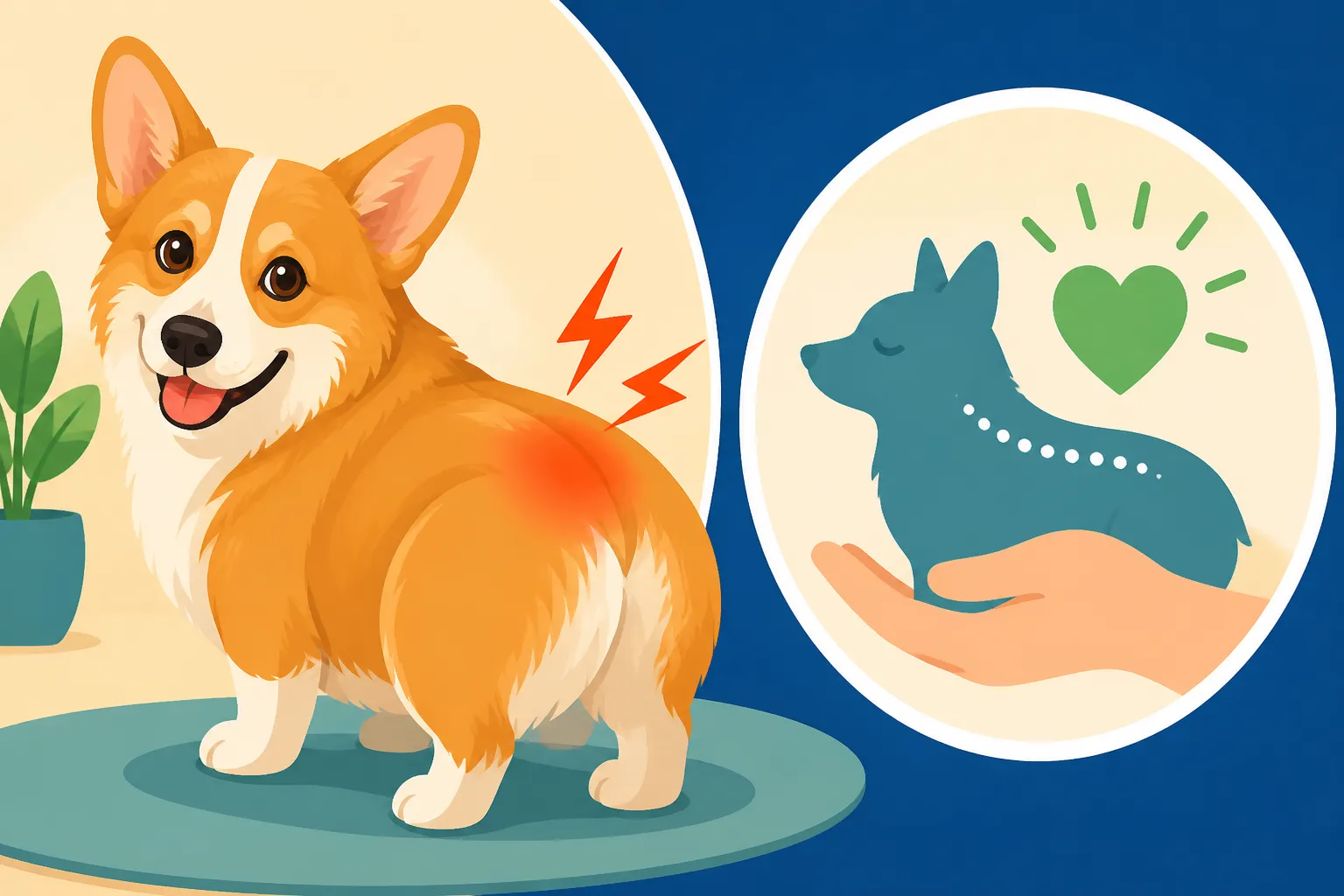
While it's true that older dogs, just like older people, experience some general stiffness as they age, there's a crucial difference between a little creakiness and genuine pain. Age-related stiffness might manifest as a slight slowness to get up, especially after a nap, but it usually resolves quickly with movement. A Corgi with true back pain, however, will show more pronounced and persistent signs. They might visibly flinch when touched along their spine, cry out unexpectedly, or become unusually quiet and withdrawn. You might notice them walking with a hunched posture, refusing to jump, or having difficulty finding a comfortable position to lie down. If your Corgi's hind legs seem weaker, or they're dragging their back paws slightly, it's a strong indicator that it's more than just stiffness.
True pain often impacts their personality and daily routine. A previously happy-go-lucky Corgi might become irritable or even snap when approached, particularly by children or other pets who don't understand their boundaries. They might lose interest in walks or games they once loved, or struggle with basic actions like getting up from a tile floor. This isn't just a sign of them slowing down; it's a plea for help, indicating that something deeper, and more painful, is at play in their back.
Common Culprits: IVDD, Degenerative Myelopathy, and Arthritis
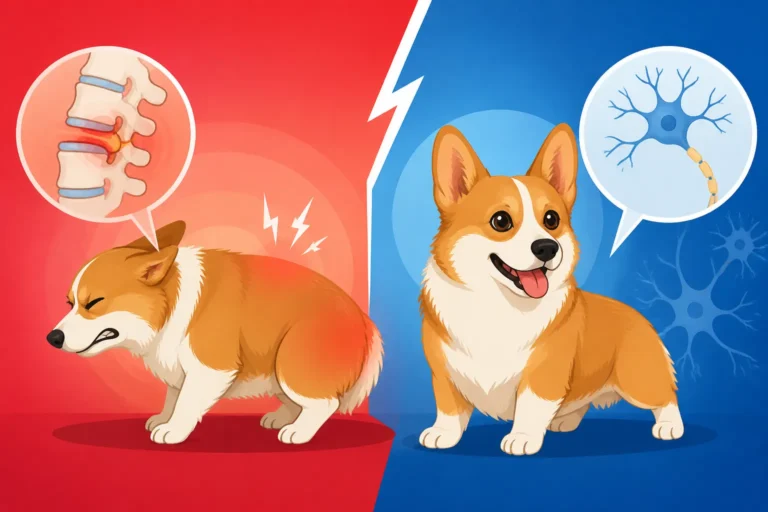
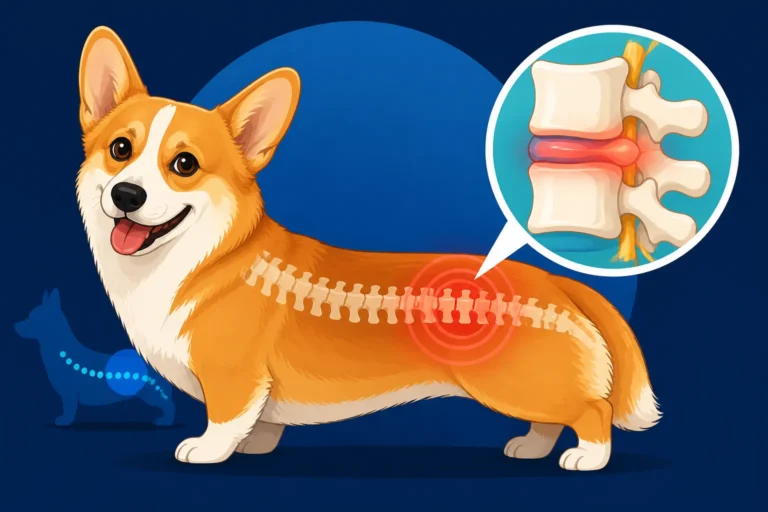
For Corgis, there are a few primary conditions that often lead to chronic back pain in their senior years. One of the most common is Intervertebral Disc Disease, or IVDD, which is especially prevalent in breeds with their chondrodystrophic (dwarf-like) build. IVDD happens when the discs between the vertebrae in their spine degenerate and can bulge or rupture, pressing on the spinal cord. This can cause immense pain, nerve damage, and even paralysis. Owners often describe it as their Corgi suddenly going "down in the back." If you suspect this, immediate veterinary attention is crucial. To understand more about this specific condition, you can read our detailed article on Disc Disease in a Long-Backed Corgi.
Another serious consideration, particularly for Pembroke Welsh Corgis, is Degenerative Myelopathy (DM). This progressive neurological disease affects the spinal cord, leading to weakness and incoordination in the hind limbs, which can easily be mistaken for pain initially. While DM itself isn't typically painful, the altered gait and muscle weakness it causes can put undue strain on other parts of the body, leading to secondary pain from overworked muscles or joints. Learning about Degenerative Myelopathy and the Corgi can help you understand its unique progression. It's vital to recognize the difference, as treatments vary significantly. Our article Telling a Corgi's Slipped Disc From Myelopathy provides further insight into differentiating these challenging conditions. Arthritis, or osteoarthritis, is also a significant factor. As Corgis age, the cartilage in their joints, including those along the spine, can wear down, leading to inflammation and pain. This is a progressive condition that can affect multiple joints and contribute significantly to overall back discomfort.
Finally, a Corgi's back issues often start becoming more pronounced as they enter their later years, a period often referred to as The Corgi Years When the Back End Gives Out. These issues can range from chronic arthritis to the progression of conditions like DM, making proactive care essential for their comfort.
Medical Interventions and Pharmaceutical Solutions
Once your veterinarian has accurately diagnosed the cause of your Corgi's back pain, they will likely recommend a combination of therapies, often starting with pharmaceutical options to get the pain and inflammation under control. It’s important to remember that these are not long-term cures for degenerative conditions but rather tools to manage symptoms and improve your Corgi's quality of life.
Non-Steroidal Anti-Inflammatory Drugs NSAIDs and Other Oral Medications
Non-Steroidal Anti-Inflammatory Drugs, or NSAIDs, are often the first line of defense against pain and inflammation in dogs. Common veterinary NSAIDs include Carprofen (Rimadyl), Meloxicam (Metacam), Firocoxib (Previcox), and Galliprant. These medications work by reducing the inflammatory response in the body, thereby alleviating pain. While highly effective, they do come with potential side effects, especially with long-term use, such as gastrointestinal upset (vomiting, diarrhea), liver problems, or kidney issues. Your vet will likely recommend baseline blood work before starting NSAIDs and regular monitoring afterward to ensure your Corgi's organs are tolerating the medication well. Always administer these drugs precisely as prescribed and never give human NSAIDs like ibuprofen or naproxen, which can be toxic to dogs.
Beyond NSAIDs, other oral medications can play a crucial role. Gabapentin is frequently prescribed, either alone or in conjunction with NSAIDs, particularly for neuropathic pain (pain originating from nerve damage), which is common in disc disease or DM. It can also have a sedative effect, which might be beneficial for Corgis who are very anxious due to pain. Amantadine is another medication that can be added to the regimen, especially for chronic pain, as it works on a different pain pathway to provide additional relief. For acute flare-ups of back pain, your vet might prescribe a short course of corticosteroids, which are powerful anti-inflammatory agents. While very effective, their long-term use is usually avoided due to more significant side effects like increased thirst and urination, weight gain, and muscle wasting. You can learn more about these treatments in our article on Steroids and Anti-Inflammatories in a Corgi Flare.
Injectable Therapies and Advanced Treatments
For Corgis whose pain isn't fully managed by oral medications, or for those who don't tolerate them well, injectable therapies offer another avenue for relief. Adequan Canine (polysulfated glycosaminoglycan) is an injectable chondroprotectant that can help slow the degradation of cartilage and promote its repair, making it beneficial for arthritis and joint health. It's typically given in a series of injections, initially twice a week for several weeks, then tapering to monthly or as needed. Many owners report noticeable improvements in their Corgi's mobility and comfort after starting Adequan, especially when dealing with early arthritis. These kinds of specialized treatments, while effective, can represent a significant investment in your Corgi's health, making pet insurance, such as a plan from Healthy Paws, a valuable consideration to help manage the costs.
Another advanced option is laser therapy (also known as cold laser or low-level laser therapy). This non-invasive treatment uses specific wavelengths of light to stimulate cellular repair, reduce inflammation, and alleviate pain. Many veterinary clinics offer laser therapy sessions, and it can be particularly helpful for both acute injuries and chronic conditions like arthritis. The sessions are usually quick and comfortable for your Corgi, often leading to immediate, albeit temporary, relief. For Corgis with severe, localized pain, sometimes local nerve blocks or epidural injections administered by a veterinary specialist, like a neurologist or pain management expert, can provide targeted and potent pain relief, though these are typically reserved for more extreme cases or surgical recovery. When considering complex treatments, having comprehensive coverage from a provider like Healthy Paws can provide peace of mind, ensuring you can prioritize your Corgi's health without financial stress.
Complementary Therapies and Lifestyle Adjustments
Beyond prescription medications, a holistic approach combining various complementary therapies and significant lifestyle adjustments can dramatically improve an older Corgi's comfort and mobility. These strategies often work synergistically with medical treatments, addressing different facets of pain and supporting overall well-being.
Physical Rehabilitation and Alternative Modalities
Physical rehabilitation, often called "physiotherapy" or "rehab," is a game-changer for Corgis with back pain. Much like in humans, it involves tailored exercises and techniques to strengthen core muscles, improve balance, increase flexibility, and reduce pain. A certified canine rehabilitation therapist will create a personalized plan, which might include therapeutic exercises, stretches, massage, and modalities like therapeutic ultrasound or electrical stimulation. This kind of specialized support can be invaluable, especially for Corgis who are Physiotherapy for a Corgi Losing Its Legs due to conditions like DM or severe IVDD.
Hydrotherapy, performed in an underwater treadmill or a therapeutic pool, is another fantastic option. The buoyancy of the water reduces pressure on the joints and spine, allowing your Corgi to move and exercise without bearing their full weight. This is excellent for building muscle strength, improving range of motion, and reducing pain in a low-impact environment. You can explore the benefits in our article on Hydrotherapy for a Corgi Recovering From Surgery. Acupuncture, an ancient practice involving the insertion of thin needles into specific points on the body, can also be highly effective for pain management by stimulating nerve points and releasing natural pain-relieving chemicals. Many Corgis respond very well to acupuncture, finding it relaxing and beneficial for chronic back pain. If you're considering this, our guide on Acupuncture for a Corgi With Back Pain offers more insights.
Weight Management and Nutritional Support
One of the most impactful things you can do for a Corgi with back pain is to ensure they maintain a healthy weight. Extra pounds put immense strain on their spine and joints, exacerbating conditions like IVDD and arthritis. Even a few excess pounds can make a significant difference. Why Corgi Weight Is a Spinal Problem and What Extra Weight Does to a Corgi Spine highlight just how critical this is. Work with your vet to determine an ideal weight for your Corgi and develop a feeding plan that helps them achieve and maintain it. This usually involves precise portion control, high-quality, calorie-appropriate food, and limiting treats.
Nutritional supplements can also play a supportive role, though they are not a substitute for proper veterinary care. Glucosamine and chondroitin, often found in joint supplements, are thought to help support cartilage health and reduce inflammation. Omega-3 fatty acids, particularly EPA and DHA from fish oil, have natural anti-inflammatory properties that can help ease joint pain. Turmeric and green-lipped mussel are other supplements sometimes recommended for their anti-inflammatory effects. While many owners swear by these, their efficacy can vary, and it's always best to discuss any supplements with your vet to ensure they are appropriate and won't interact with other medications. Our piece on Whether Supplements Protect a Corgi's Discs delves deeper into the role of nutritional support.
Creating a Back-Friendly Environment for Your Senior Corgi
Beyond medical treatments and therapies, making thoughtful adjustments to your Corgi's home environment can significantly reduce their pain, prevent further injury, and improve their overall comfort. Their world should become a haven designed to protect their precious spine.
Ramps, Steps, and Appropriate Bedding
One of the most important changes you can make is eliminating jumping, especially off and onto furniture or into and out of vehicles. The impact from these activities puts incredible stress on a Corgi's long back and can easily exacerbate existing conditions or trigger a new disc injury. Invest in ramps or pet steps for sofas, beds, and cars. It might take some patience and positive reinforcement to teach your Corgi to use them, but it’s a vital skill for their long-term spinal health. Our article on Ramps and Steps That Save a Corgi's Back offers practical advice for implementation. This simple change alone can prevent many painful incidents. It’s also wise to read about Whether a Corgi Should Ever Jump Off a Sofa to fully grasp the risks.
The type of bedding your Corgi uses is equally important. While a soft, plush bed might seem comfortable, it often doesn't provide adequate support for a compromised spine. Opt for orthopedic beds with dense, supportive foam that contours to their body without sinking. Memory foam beds are excellent choices as they distribute weight evenly and relieve pressure points. Place these beds in multiple comfortable spots around the house, ensuring your Corgi always has a soft, supportive place to rest, away from drafts and high traffic areas.
Supporting Daily Movement and Preventing Further Injury
Slippery floors are a major hazard for Corgis with back pain or weakness. Their short legs and long bodies make them prone to slipping, which can lead to painful strains, falls, or even disc ruptures. Lay down non-slip rugs, runners, or carpet tiles in areas where your Corgi frequently walks, especially on hard surfaces like tile, hardwood, or laminate. This provides much-needed traction and confidence, helping to prevent awkward slips and falls. Consider trimming the hair between their paw pads to improve grip even further.
When it comes to walks, a proper harness is paramount. A collar can put pressure on their neck and spine, which is detrimental for a Corgi with back issues. A well-fitting, Y-front harness distributes pressure across their chest and shoulders, supporting their body without stressing their neck or back. For Corgis with significant hind-end weakness, supportive slings or even mobility carts (dog wheelchairs) can be life-changing, allowing them to remain active and engaged. If your Corgi is struggling to walk, investigating Mobility Aids for a Corgi That Cannot Walk can provide much-needed solutions. Keep walks shorter and more frequent, avoiding strenuous activities or rough play that could jar their back. Focus on gentle, controlled movements that help maintain muscle tone without risking injury.
Comparing Pain Management Approaches
Navigating the various options for your Corgi's back pain can be overwhelming. This table provides a quick overview of different pain management approaches, highlighting their pros and cons to help you and your vet make informed decisions.
| Method | Description | Pros | Cons |
|---|---|---|---|
| NSAIDs (Oral) | Reduces inflammation and pain | Highly effective for pain & inflammation; easily administered | Potential GI, liver, kidney side effects; daily dosing needed |
| Gabapentin/Amantadine | Addresses neuropathic and chronic pain | Good for nerve pain; can combine with NSAIDs; calming effect | May cause sedation; can take time to see full effect; daily dosing |
| Corticosteroids | Powerful anti-inflammatory for acute flare-ups | Rapid pain relief; highly effective for severe inflammation | Significant side effects with long-term use (thirst, hunger, etc.) |
| Adequan (Injectable) | Chondroprotectant, supports cartilage health | Targets joint health; fewer systemic side effects than oral meds | Requires injections; can be costly; not for acute pain |
| Laser Therapy | Non-invasive light therapy to reduce pain & inflammation | Non-pharmacological; no known side effects; quick sessions | Requires multiple sessions; short-term relief; travel to clinic |
| Acupuncture | Traditional Chinese medicine technique using needles | Drug-free pain relief; good for chronic pain; calming | Requires multiple sessions; willingness of dog; specialized vet |
| Hydrotherapy | Exercise in water to build muscle and mobility | Low-impact; excellent for strengthening; improves mobility | Requires specialized facility; costly; time-consuming |
| Weight Management | Reducing/maintaining ideal body weight | Fundamental for reducing spinal strain; long-term benefits | Requires strict diet and exercise changes; consistent effort needed |
| Ramps/Orthopedic Beds | Environmental modifications for home safety and comfort | Prevents injury; provides support; improves daily comfort | Initial cost; training for ramps; might require home adjustments |
Disclaimer
The information provided in this article is intended for general knowledge and informational purposes only, and does not constitute medical advice for pets. Always consult with a qualified veterinarian for any health concerns or before making any decisions about your Corgi's medical treatment. Individual outcomes may vary, and a professional veterinary diagnosis and treatment plan are essential for your pet's well-being.