Why a Corgi Forms Bladder Stones
It's incredibly worrying when your lively Corgi starts showing signs of discomfort, especially when it comes to something as vital as their urinary health. Bladder stones can be a painful, confusing issue, often catching owners off guard. These tiny, hard mineral deposits can cause everything from minor irritation to life-threatening blockages. This comprehensive guide will walk you through why Corgis seem particularly susceptible to developing these troublesome stones, how to spot the subtle and not-so-subtle symptoms, what to expect during diagnosis and treatment, and most importantly, how to help prevent them from recurring, giving your furry friend the comfortable life they deserve.
Understanding Corgi Bladder Stones: Why Our Low-Riders Are Prone
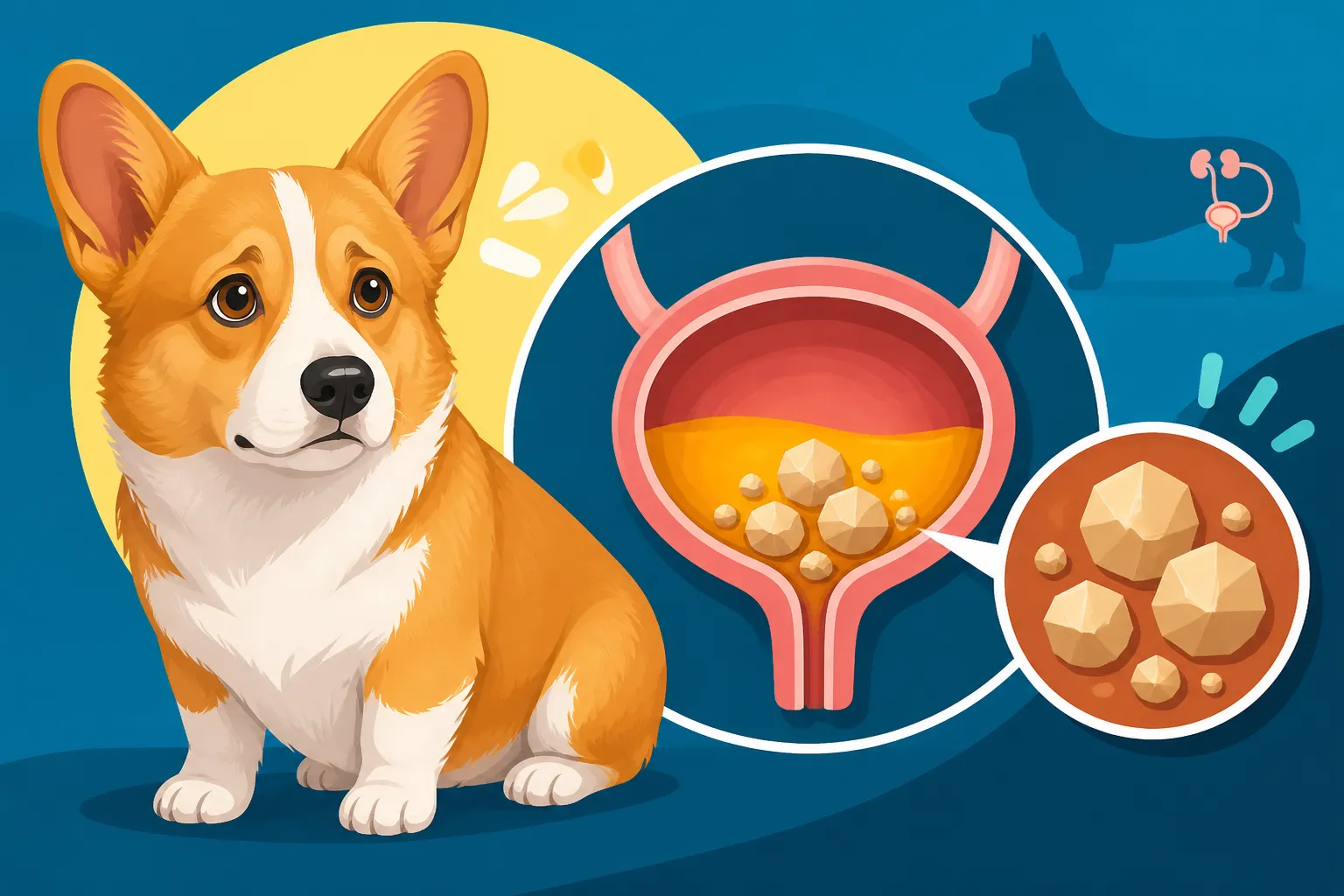
Bladder stones, known medically as uroliths, are essentially hardened mineral deposits that form in the urinary bladder. Imagine tiny pebbles or even larger jagged rocks forming inside your Corgi's bladder. While any dog can develop them, Corgis, especially Pembroke Welsh Corgis, do have certain predispositions that make them more prone to specific types of these pesky stones. It’s not just bad luck; there are often underlying reasons rooted in their genetics, metabolism, and even their physical build.
Breed Predisposition and Genetics in Corgis
One significant factor for Corgis is their genetic makeup. They, along with other breeds like Dachshunds and Basset Hounds, belong to a group known for being more susceptible to certain stone types. For instance, Corgis can be prone to urate stones, also known as uric acid stones. This particular type of stone is often linked to a genetic mutation in the SLC2A9 gene, which affects how a dog's body processes uric acid. Dogs with this mutation have higher levels of uric acid in their urine, increasing the risk of these stones forming. It's a bit like having a plumbing system that's designed to build up sediment more easily than others. If you're considering a Corgi puppy, or even if you have one now, understanding their genetic background can be really insightful, especially in relation to conditions like this. The good news is that DNA tests are available to screen for this specific mutation, which can help breeders make informed decisions and give owners a heads-up.
Beyond urate stones, Corgis can also form struvite stones and calcium oxalate stones, which are more common across all breeds but are still a concern. Struvite stones often develop in conjunction with urinary tract infections (UTIs) because certain bacteria produce an enzyme called urease, which breaks down urea in the urine, making it more alkaline and creating an environment where struvite crystals can form. Calcium oxalate stones, on the other hand, tend to form in acidic urine and are often linked to dietary factors or metabolic issues that lead to high levels of calcium or oxalate in the urine. It’s a complex interplay of factors, but for Corgi owners, knowing that their breed has a higher baseline risk means being extra vigilant.
Dietary and Lifestyle Factors
What your Corgi eats and how much they drink can play a huge role in bladder stone formation. Think of it this way: if your Corgi isn't drinking enough water, their urine becomes more concentrated, and those stone-forming minerals have a much easier time clumping together. This is especially true for Corgis who might be a little less active or prefer to hold their urine for longer periods, concentrating those minerals even further.
Many commercial dog foods, while convenient, can contribute to the problem if they aren't formulated correctly for a Corgi prone to stones. Diets high in certain minerals, like magnesium, ammonium, and phosphate (which contribute to struvite), or those that consistently push the urine pH too high or too low, can be problematic. For urate stones, diets high in purines (found in organ meats and some fish) can exacerbate the issue. This is why when we discuss Feeding a Corgi So Its Spine Carries Less, we're not just thinking about weight; we're also considering the overall impact of their diet on every aspect of their health, including their urinary system. It's not just about quantity, but quality and composition. Ensuring your Corgi has constant access to fresh water and encouraging them to drink regularly are simple yet powerful preventive measures.
The Role of Urinary Tract Infections (UTIs)
Urinary tract infections are a common trigger for struvite bladder stones. When bacteria enter the urinary tract and multiply, they can change the pH of the urine, making it more alkaline. This altered environment is a perfect breeding ground for struvite crystals to precipitate and grow into stones. Corgis, being low to the ground, might be slightly more susceptible to environmental bacteria entering their urinary tract, especially if they have contact with damp, soiled areas.
It's a vicious cycle: a UTI can lead to stones, and stones, by irritating the bladder lining and providing surfaces for bacteria to cling to, can make UTIs more persistent or recurrent. This means that addressing UTIs promptly and thoroughly, with appropriate antibiotics chosen based on a urine culture, is paramount in preventing struvite stone formation. Ignoring recurrent UTIs is like ignoring a leaky faucet in your house – eventually, you're going to have a bigger problem on your hands. Understanding Corgi Kidney and Urinary Problems holistically means looking at all these interconnected factors, from genetics to infection.
Spotting the Red Flags: Early Signs of Bladder Stones in Your Corgi
Recognizing the signs of bladder stones early can make a huge difference in your Corgi's comfort and the ease of treatment. Our Corgis are stoic little dogs, often trying to power through discomfort, so it's up to us to be observant. Sometimes, the symptoms are obvious, but often, they start subtly, easily dismissed as just "an off day" or an age-related change.
Changes in Urination Habits
This is often the first and most noticeable symptom. If your Corgi, who was previously impeccably house-trained, suddenly starts having accidents indoors, it's a huge red flag. It’s not usually out of spite; it’s often because they simply can't hold it or they feel an urgent need to go.
- Increased Frequency: You might notice your Corgi asking to go outside more often than usual, perhaps every hour or even more. They might squat repeatedly, only producing a few drops of urine each time. It’s that tell-tale "hurry-scurry" behavior to get outside, only to be frustrated.
- Straining to Urinate (Stranguria): This is a critical symptom. Your Corgi might assume the position to pee, strain, grunt, or push, but very little or no urine comes out. This indicates significant irritation or, worse, a partial or complete blockage. Imagine trying to pass a sharp pebble – it’s painful and difficult. This straining is often accompanied by signs of discomfort.
- Urinary Accidents Indoors: A previously house-trained Corgi suddenly peeing inside the house, especially in unusual spots, is often a sign of urinary distress, not a behavioral issue. They might simply be unable to control their bladder due to inflammation or the constant urge to urinate. This is particularly concerning if you’re also noticing Drinking and Urinating More With Age in an older Corgi, as it could point to several underlying issues.
- Incomplete Emptying: Even if they do pass urine, it might feel like they haven't completely emptied their bladder, leading to more frequent attempts.
Visible Blood and Discomfort
While changes in urination can be subtle, visible blood is usually alarming and prompts immediate concern.
- Hematuria (Blood in Urine): You might see pink, red, or rust-colored urine, which is a clear sign that something is wrong. Sometimes the blood isn't visible to the naked eye but can be detected by a veterinary urinalysis. This sign, often tied to irritation from stones scraping the bladder lining, warrants an urgent vet visit. For more on this, you can refer to our guide on Blood in a Corgi's Urine.
- Pain or Tenderness: Your Corgi might become sensitive when you touch their abdomen, particularly near their lower belly. They might yelp, flinch, or pull away. Some Corgis might even walk with a slightly hunched back or appear generally uncomfortable. They might become restless, unable to find a comfortable position to lie down.
- Increased Licking: Excessive licking of their genital area is another common sign of irritation and discomfort in the urinary tract. It’s their way of trying to soothe the pain, but it can also lead to secondary skin irritation.
Behavioral Clues and Secondary Symptoms
Beyond the direct urinary signs, bladder stones can take a toll on your Corgi's overall well-being, leading to more general symptoms.
- Lethargy and Decreased Activity: A Corgi in pain or discomfort will often be less enthusiastic than usual. They might not want to play, go for walks, or engage in their normal activities. They might sleep more or just seem generally "off." This can be easily mistaken for other issues or simply an older dog slowing down, but combined with urinary changes, it's a strong indicator.
- Loss of Appetite: Pain and inflammation can cause nausea and a decreased desire to eat. If your Corgi is suddenly turning their nose up at their favorite meal or treats, it's a symptom that shouldn't be ignored.
- Vomiting: While less common, severe pain or a complete urinary blockage can sometimes lead to vomiting due to the buildup of toxins in the body. A complete blockage is a life-threatening emergency and requires immediate veterinary attention. This is where having pet insurance like Healthy Paws can be a lifesaver, as emergency vet visits can be incredibly costly.
It's crucial not to self-diagnose based on these symptoms alone, as they can mimic other conditions. The key is to recognize these changes and seek veterinary help promptly. A quick trip to the vet can clarify the issue and set your Corgi on the path to recovery. Regular check-ups, like The Annual Exam Where a Corgi's Back Gets Checked, are vital for catching these issues early.
From Diagnosis to Recovery: Navigating Treatment Options
Once you suspect bladder stones, the next step is a trip to your veterinarian. They have the tools and expertise to accurately diagnose the problem and recommend the best course of action. This phase can feel overwhelming, especially if your Corgi is in pain, but understanding the process can help you feel more in control.
The Vet Visit: What to Expect
When you arrive at the clinic, your vet will start with a thorough physical examination, paying close attention to your Corgi's abdomen. They'll likely ask you a lot of questions about the symptoms you've observed, how long they've been occurring, and any changes in diet or behavior. This is your opportunity to be as detailed as possible, even about the seemingly minor things.
- Urinalysis: This is a cornerstone of diagnosis. Your vet will collect a urine sample (often by cystocentesis, where a needle is used to draw urine directly from the bladder, minimizing contamination). The sample will be analyzed for pH levels, specific gravity (concentration), presence of blood cells, bacteria, and crystals. Seeing certain types of crystals under the microscope can give a strong indication of the stone type. A urine culture will also be performed to identify any bacteria present and determine which antibiotics will be most effective.
- Imaging: X-rays are typically the next step. Many types of bladder stones are radiopaque, meaning they show up clearly on X-rays. Your vet might take several views to ensure all stones are visualized. However, some stone types, like urate stones, can be radiolucent, meaning they don't show up well on standard X-rays. In these cases, an ultrasound might be recommended. An ultrasound provides a real-time view of the bladder, allowing the vet to see stones that X-rays might miss, assess the bladder wall for inflammation, and check for any blockages. For more complex cases or where fine detail is needed, an MRI might be used, but this is less common for routine bladder stone diagnosis.
- Blood Work: Blood tests will also likely be performed to assess your Corgi's overall health, kidney function, and rule out any other systemic issues that could contribute to stone formation. This is part of comprehensive care, similar to the importance of The Vet Visits a Corgi Puppy Needs First which establishes a health baseline.
Medical Management: Dissolving Stones
For certain types of bladder stones, surgical removal isn't always the first or only option. Medical dissolution is a viable approach, particularly for struvite stones and sometimes urate stones.
- Prescription Diets: Specific therapeutic diets are formulated to change the urine's pH and alter the concentration of stone-forming minerals. For struvite stones, diets that create acidic urine and are low in magnesium, phosphorus, and protein can often dissolve the stones over several weeks to months. Brands like Hill's Prescription Diet c/d or Royal Canin Urinary SO are commonly prescribed. For urate stones, low-purine diets that encourage alkaline urine are used. It's vital to feed only this prescription diet and avoid any other treats or table scraps, as even small amounts of inappropriate food can counteract the diet's effectiveness.
- Antibiotics: If a bacterial UTI is present, antibiotics will be prescribed based on the urine culture results. Eradicating the infection is crucial for struvite stone dissolution and preventing recurrence.
- pH Modifiers and Other Medications: In some cases, your vet might prescribe medications to further adjust urine pH or to help reduce the production of uric acid (for urate stones), such as allopurinol.
Medical dissolution is a commitment. It requires strict adherence to the diet and medication regimen, along with regular recheck X-rays and urinalyses to monitor progress. This can be a long process, but it avoids surgery.
Surgical Intervention: When It's Necessary
Sometimes, medical dissolution isn't an option or simply isn't working. This is when surgery becomes necessary.
- Cystotomy: This is the most common surgical procedure for bladder stone removal. It involves making an incision into the abdomen and then directly into the bladder to remove the stones. The bladder is then thoroughly flushed to ensure no small stones or crystals remain, and both the bladder and abdominal incisions are carefully closed. Your vet will send the removed stones to a lab for analysis to confirm their type, which is crucial for preventing future stones. Recovery usually involves a few days in the hospital and several weeks of restricted activity at home. The cost of such a procedure can be significant, highlighting the value of pet insurance programs like Healthy Paws.
- Urohydropulsion: For very small stones in female Corgis, this non-surgical technique might be used. It involves flushing the bladder with sterile fluid and using pressure to push the stones out through the urethra. This is done under sedation or general anesthesia.
- Urethral Obstruction: In severe cases, especially in male Corgis, stones can get lodged in the narrow urethra, causing a complete blockage. This is a life-threatening emergency because the dog cannot urinate, leading to a rapid buildup of toxins and potential bladder rupture. Immediate veterinary intervention, often involving catheterization to push the stone back into the bladder or surgical removal from the urethra (urethrostomy), is required. These are intense, costly emergencies, and having a good pet insurance plan from providers like Healthy Paws can truly alleviate some of the financial burden during such a stressful time.
Post-surgery, your Corgi will typically be on a special diet and possibly antibiotics, similar to medical management, to prevent recurrence based on the stone analysis results. Rest and careful monitoring will be essential for a smooth recovery.
Proactive Prevention: Keeping Bladder Stones at Bay
Preventing bladder stones from forming in the first place, or from recurring after treatment, is the ultimate goal. For Corgi owners, this means a lifelong commitment to specific care practices, especially given their breed's predispositions. It's about creating an environment hostile to stone formation within their urinary system.
Dietary Strategies for Long-Term Health
Diet is arguably the most powerful tool in preventing bladder stones. Once the type of stone has been identified (through analysis of removed stones or, in cases of dissolution, educated guesswork based on urine analysis), your vet will recommend a specific dietary protocol.
- Prescription Diets are Key: For dogs prone to recurrent stones, a prescription veterinary diet designed for stone prevention is often the best choice. These diets are precisely formulated to control mineral levels and manipulate urine pH to prevent specific stone types. For example, a Corgi prone to calcium oxalate stones will likely need a diet that promotes a slightly alkaline urine pH and is carefully controlled in calcium and oxalate. A Corgi with a history of urate stones might require a low-purine diet. These aren't "just food"; they're medical treatments. Brands like Hill's Prescription Diet, Royal Canin Veterinary Diet, and Purina Pro Plan Veterinary Diets offer various formulas.
- Wet Food vs. Dry Kibble: Incorporating more wet food into your Corgi's diet, or even transitioning entirely to wet food, is often recommended. The higher moisture content in wet food naturally increases water intake, leading to more dilute urine. Dilute urine is less saturated with stone-forming minerals, making it harder for crystals to clump together.
- Monitoring Ingredients: If you prefer to feed a non-prescription diet or home-cooked meals, it's absolutely crucial to work closely with a veterinary nutritionist. You'll need to be meticulous about avoiding ingredients high in specific stone-forming minerals (e.g., purines for urate stones, excessive calcium/oxalate for calcium oxalate stones). This is not a task for casual research; it requires expert guidance to ensure nutritional completeness while preventing stones.
- Avoid Table Scraps and Unapproved Treats: Even small amounts of human food or non-prescription treats can throw off the delicate balance created by a therapeutic diet. It's incredibly tempting to share with those adorable Corgi eyes, but it can literally undermine months of preventative effort. Stick to veterinary-approved treats or small pieces of low-risk foods like green beans, if cleared by your vet.
Here's a simplified table comparing general dietary approaches for common Corgi stone types:
| Stone Type | Urine pH Target | Key Dietary Adjustments | Examples of Foods/Ingredients to Limit (General) |
|---|---|---|---|
| Struvite | Acidic (low) | Low magnesium, phosphorus, and protein. High moisture. | Organ meats, dairy, high-protein dry kibble |
| Calcium Oxalate | Alkaline (high) | Controlled calcium and oxalate. High moisture. | Spinach, sweet potatoes, high-calcium supplements |
| Urate | Alkaline (high) | Low purine (protein). High moisture. | Organ meats, certain fish, yeast |
Always consult your vet or a veterinary nutritionist for specific dietary recommendations tailored to your Corgi.
Encouraging Hydration and Frequent Urination
Dilute urine is your Corgi's best defense against bladder stones. The more water they drink, the more frequently they urinate, flushing out crystals before they can form into stones.
- Constant Access to Fresh Water: Sounds obvious, but make sure your Corgi always has access to multiple bowls of fresh, clean water in different locations around the house. Consider ceramic or stainless steel bowls, as some dogs prefer them over plastic.
- Water Fountains: Many dogs are enticed by the running water of a pet fountain, which can encourage them to drink more. Experiment with different types to see what your Corgi prefers.
- Add Water to Food: If your Corgi primarily eats dry kibble, adding warm water or low-sodium chicken broth can significantly increase their daily fluid intake.
- Frequent Potty Breaks: Don't let your Corgi hold their urine for extended periods. The longer urine sits in the bladder, the more time crystals have to settle and aggregate. Schedule regular potty breaks, especially after waking up, after meals, and before bed. For some Corgis, especially those with a history of stones, this might mean an extra trip outside during the day or evening. This also helps with issues like Incontinence in a Corgi With DM if that becomes a factor later in life, ensuring the bladder is regularly emptied.
Regular Monitoring and Vet Check-ups
Even with the best preventive measures, stones can sometimes recur. Regular veterinary oversight is crucial for catching potential problems early.
- Scheduled Urinalyses: Your vet might recommend periodic urinalyses (every 3-6 months) to monitor urine pH, specific gravity, and check for any crystals or signs of infection. This is a non-invasive way to keep tabs on their urinary health.
- Follow-up Imaging: In some cases, especially for recurrent stone formers, your vet might suggest occasional recheck X-rays or ultrasounds to ensure no new stones are forming.
- Be Vigilant for Symptoms: Stay acutely aware of any changes in your Corgi's urination habits, even subtle ones. The moment you notice straining, increased frequency, or any discoloration of the urine, contact your vet. Early intervention is always better.
- Overall Health Check-ups: Regular wellness exams, like What an Ideal Corgi Weighs and Screening an Older Corgi's Spine, allow your vet to assess your Corgi's overall health and catch other underlying conditions that could indirectly impact urinary health. It’s all interconnected! Keeping your Corgi at a healthy weight, for example, can contribute to overall vitality which indirectly supports all body systems. Having a robust pet insurance plan, such as one from Healthy Paws, helps ensure that these regular check-ups and any necessary follow-up diagnostics are always within reach, giving you peace of mind.
By being proactive with diet, hydration, and regular vet care, you can significantly reduce the risk of your Corgi suffering from the pain and complications of bladder stones, allowing them to live a full, happy, and healthy life.
Disclaimer
This guide is intended for informational purposes only and does not constitute medical advice. Always consult with a qualified veterinarian for any health concerns or before making any decisions about your Corgi's medical care or diet. Your veterinarian is the best resource for diagnosing and treating your individual pet.